

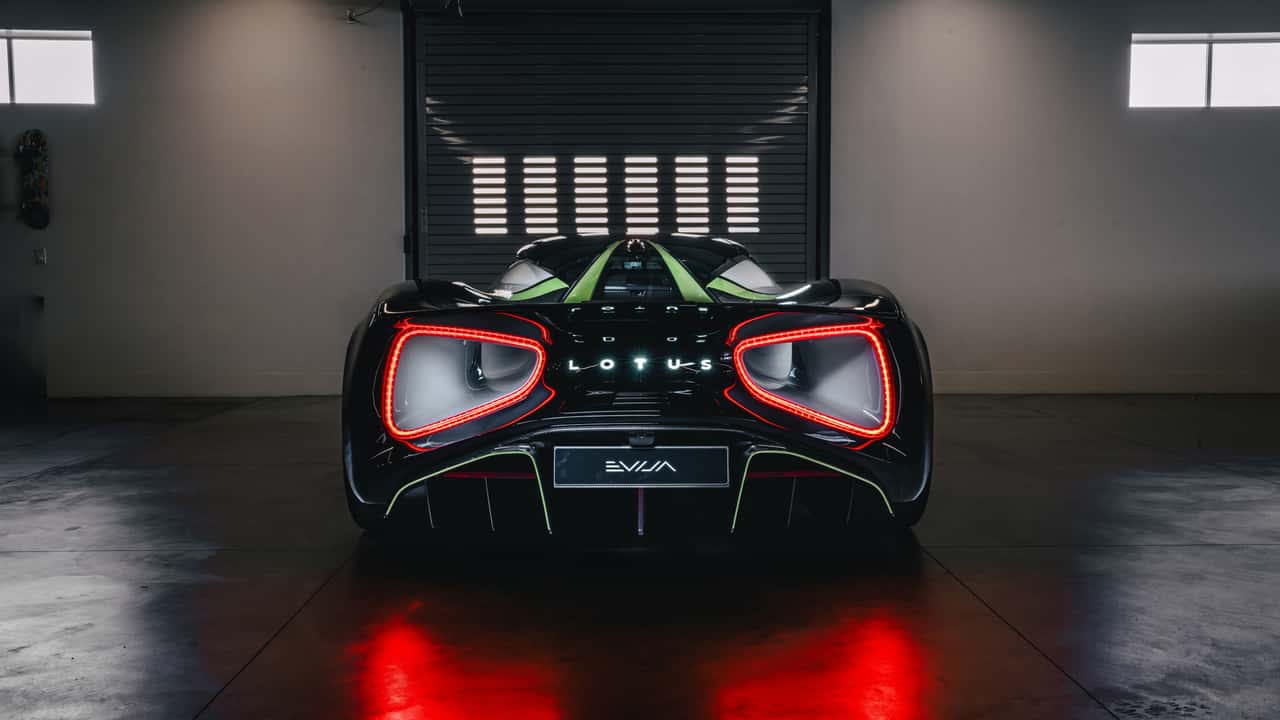
Lotus CEO Feng Qingfeng has stirred a peculiar internal debate by declaring that sports cars exceeding a curb weight of approximately 3,900 pounds (1,800 kilograms) are inherently mediocre. This assertion, made at a recent media event, inadvertently casts a shadow over a significant portion of the brand’s current and halo products, including the potent Evija hypercar, which tips the scales at around 4,200 pounds.
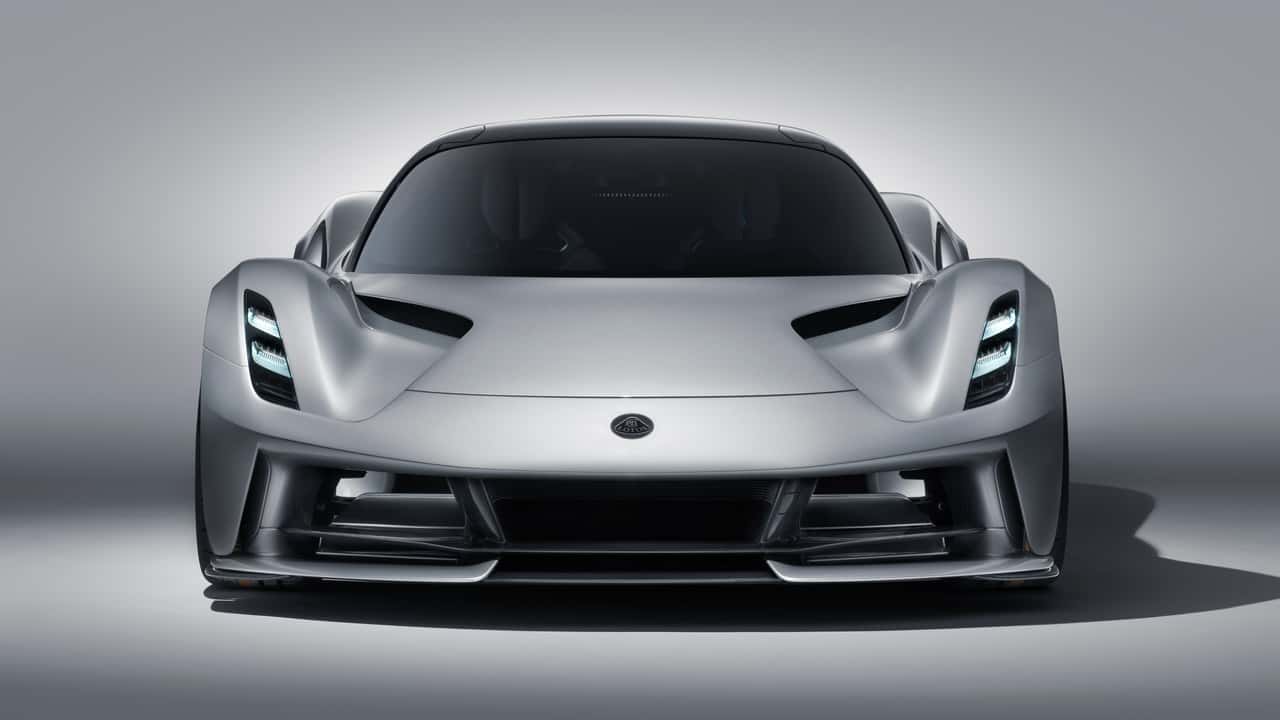
Remarkably, only the recently introduced Emira sports car, with its more attainable 3,200-pound curb weight, aligns with the CEO’s stringent weight benchmark. This places the flagship Evija, a testament to extreme performance, in a category that its own leader has deemed unimpressive.
The Path Forward: Embracing Lightness
Qingfeng’s bold pronouncements, however, may serve as a powerful impetus for Lotus to recommit to its foundational ethos of “adding lightness.” The company’s engineering future appears poised to benefit from this renewed focus, particularly with the upcoming V8 supercar, codenamed Type 135. This forthcoming model, teased with an anticipated output exceeding 1,000 horsepower, presents an ideal opportunity to blend immense power with an agile, lightweight chassis.
Successfully achieving a competitive curb weight for the Type 135 would not only yield a sensational power-to-weight ratio but also promise an unparalleled driving experience, truly embodying the spirit of Lotus.


Business Style Takeaway: Lotus’s internal debate on vehicle weight reflects a broader industry trend where ultra-luxury performance brands are increasingly challenged to balance raw power and cutting-edge technology with the traditional marque values of agility and light weight. Success in this endeavor will be crucial for retaining the discerning clientele who seek not just speed, but an elemental, engaging driving connection.
According to the portal: www.motor1.com