

The recent mayoral primary in Los Angeles saw the notable, albeit unsuccessful, bid of Spencer Pratt, a figure whose transition from reality television personality to political candidate underscores a burgeoning trend in American politics: the rise of the influencer candidate. While Pratt failed to advance to the general election, his campaign significantly reframed the public discourse around the city’s most pressing social issue, homelessness, demonstrating a potent, if controversial, new approach to political messaging.
The Influencer Candidate Phenomenon
Spencer Pratt, a former reality TV star known for his provocative persona, mounted a mayoral campaign that, while ultimately unsuccessful in securing a spot in the general election, captured national attention. His effort appears to have fallen short, with incumbent Democrat Karen Bass expected to face off against progressive city councilwoman Nithya Raman in the November contest.
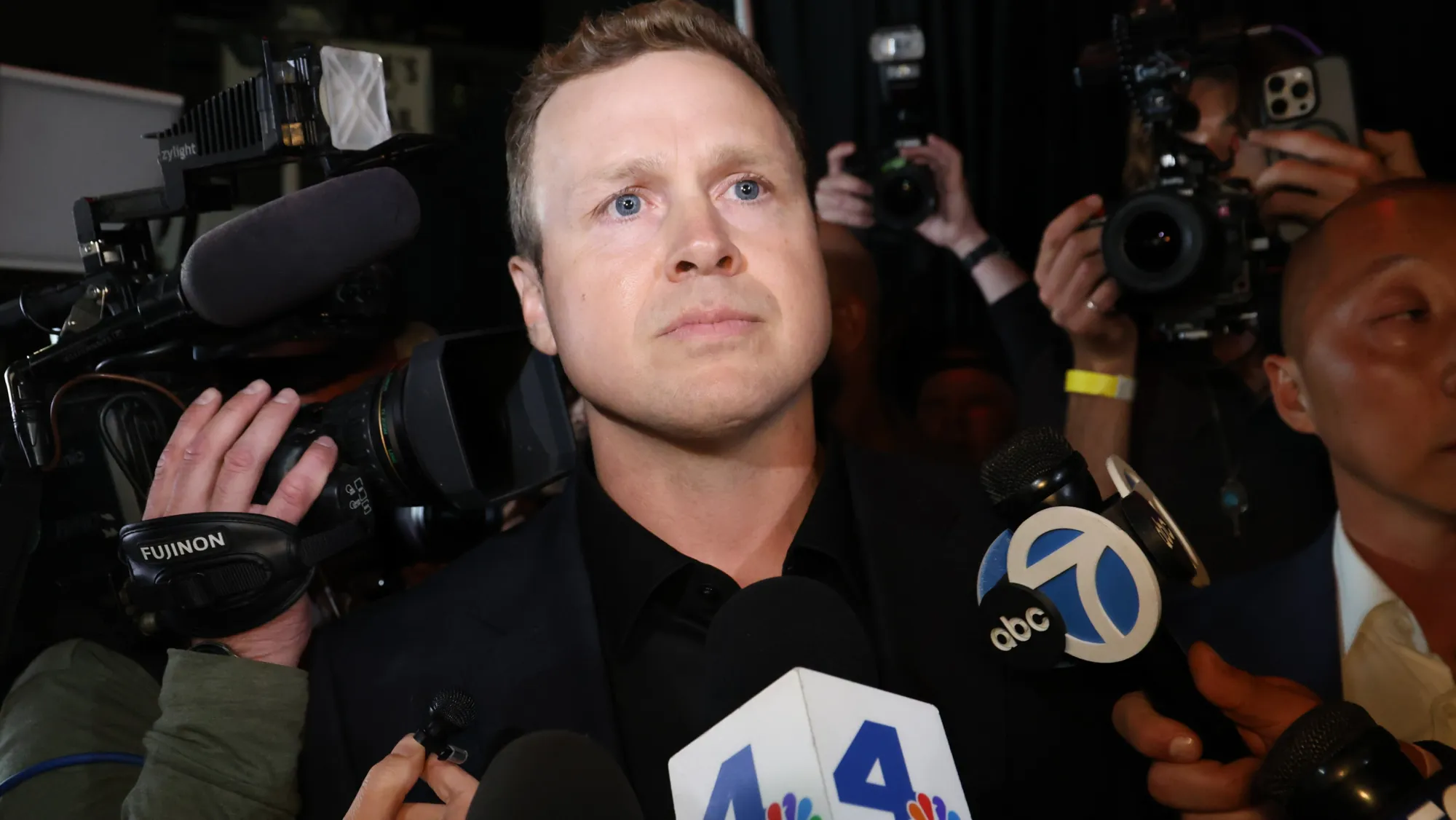
Pratt’s political aspirations, rooted in his celebrity status and a narrative of personal redemption, were largely seen as an outlier move in the decidedly liberal landscape of Los Angeles. His registration as a Republican, despite running as an independent and being publicly associated with Donald Trump’s “MAGA” movement, presented a significant hurdle in a city that consistently favors progressive candidates.
Despite the predictable electoral outcome, Pratt’s campaign resonated with a segment of the conservative and non-traditional political spectrum, drawn to his focus on urban decay and social issues. This mirrored a broader, though often unsuccessful, conservative push in deeply blue districts, a strategy that saw significant investment from figures like Rick Caruso in previous cycles, albeit without success. The post-election discourse, including claims of electoral impropriety from some supporters, reflects a familiar pattern of grievance politics in competitive electoral environments.
Reframing the Homelessness Narrative
The most significant aspect of Pratt’s candidacy may be his impact on the conversation surrounding homelessness in Los Angeles. His proposed solutions, which emphasized law enforcement intervention and the removal of individuals from public spaces, contrasted sharply with the prevailing approach of his rivals, who focused on housing initiatives and support services. Pratt advocated for addressing the issue by targeting what he termed “zombies,” linking homelessness to mental health and drug addiction issues and framing it as a public safety concern.
This framing, leveraging provocative and dehumanizing language, mirrored the communication tactics of other political figures, notably Donald Trump, who effectively utilized narrative control and perception management to shape public opinion on complex issues like immigration. Pratt’s ability to connect with voters through a blend of personal grievance, online savvy, and provocative rhetoric highlights the evolving nature of political communication in the digital age.
His campaign was fueled by a narrative of government failure, particularly in the aftermath of losing his home in a wildfire. This populist sentiment, amplified by his online presence and media-savvy approach, resonated with a segment of the electorate disillusioned with the status quo and perceiving the city as deteriorating due to issues like homelessness and crime.
Industry Impact and Strategic Outlook
While Pratt’s political career may be short-lived, his post-election trajectory points toward a future as a media figure, potentially bridging the gap between punditry and reality television. Platforms such as Paramount+ or Fox Nation could provide a natural venue for him and his family, leveraging their established public profile into new media ventures.
Pratt’s campaign serves as a case study for the emergence of the “influencer candidate,” a phenomenon that blurs the lines between celebrity, social media presence, and political viability. His campaign’s ability to generate significant media attention and inject a distinct narrative into a major city’s political landscape suggests a potential template for future campaigns seeking to disrupt traditional political structures.
The legacy of Pratt’s candidacy, though still unfolding, could be substantial. He has, intentionally or not, catalyzed a shift in how complex social issues are discussed and framed in the political arena. The impact of such disruption, whether it leads to lasting policy changes or simply temporary shifts in public discourse, remains to be seen.
The political climate in Los Angeles, as evidenced by the discourse between candidates Bass and Raman, already shows signs of adopting or reacting to the framing strategies popularized by Pratt. The emphasis on encampments near schools, for instance, directly echoes the confrontational approach to homelessness that Pratt championed.
Historically, figures like Tom Hayden, a progressive activist whose policy ideas were once considered fringe but are now mainstream, demonstrate that political narratives can evolve dramatically over time. Similarly, the San Fernando Valley secession movement, born from public frustration, led to structural changes within Los Angeles city governance. Pratt’s campaign, while different in nature, taps into a similar vein of public discontent and could similarly influence future political dynamics, even if his direct electoral success was limited.
Pratt may not have possessed the political machinery to overcome the established Democratic infrastructure in Los Angeles, but his candidacy has undoubtedly left an imprint on the city’s political conversation and may portend future disruptions in how political campaigns are conceived and executed.
Business Style Takeaway: Spencer Pratt’s mayoral bid highlights the increasing convergence of celebrity, social media influence, and political ambition, signaling a new era where personal brands can directly translate into political capital. This trend challenges traditional party structures and policy-based campaigns, suggesting that future political success may hinge more on narrative control and cultural resonance than on established political credentials.
Learn more at : www.hollywoodreporter.com