

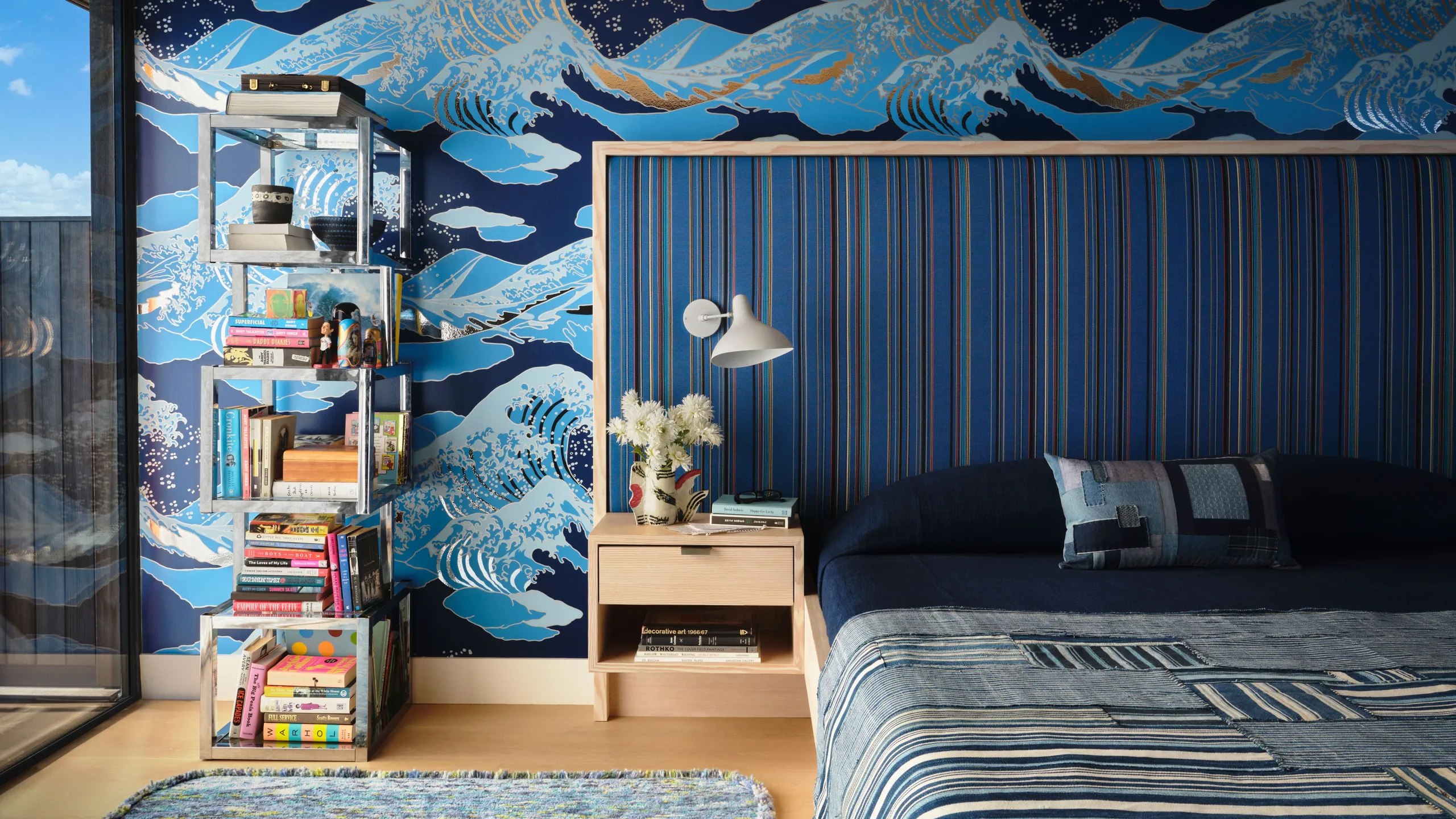
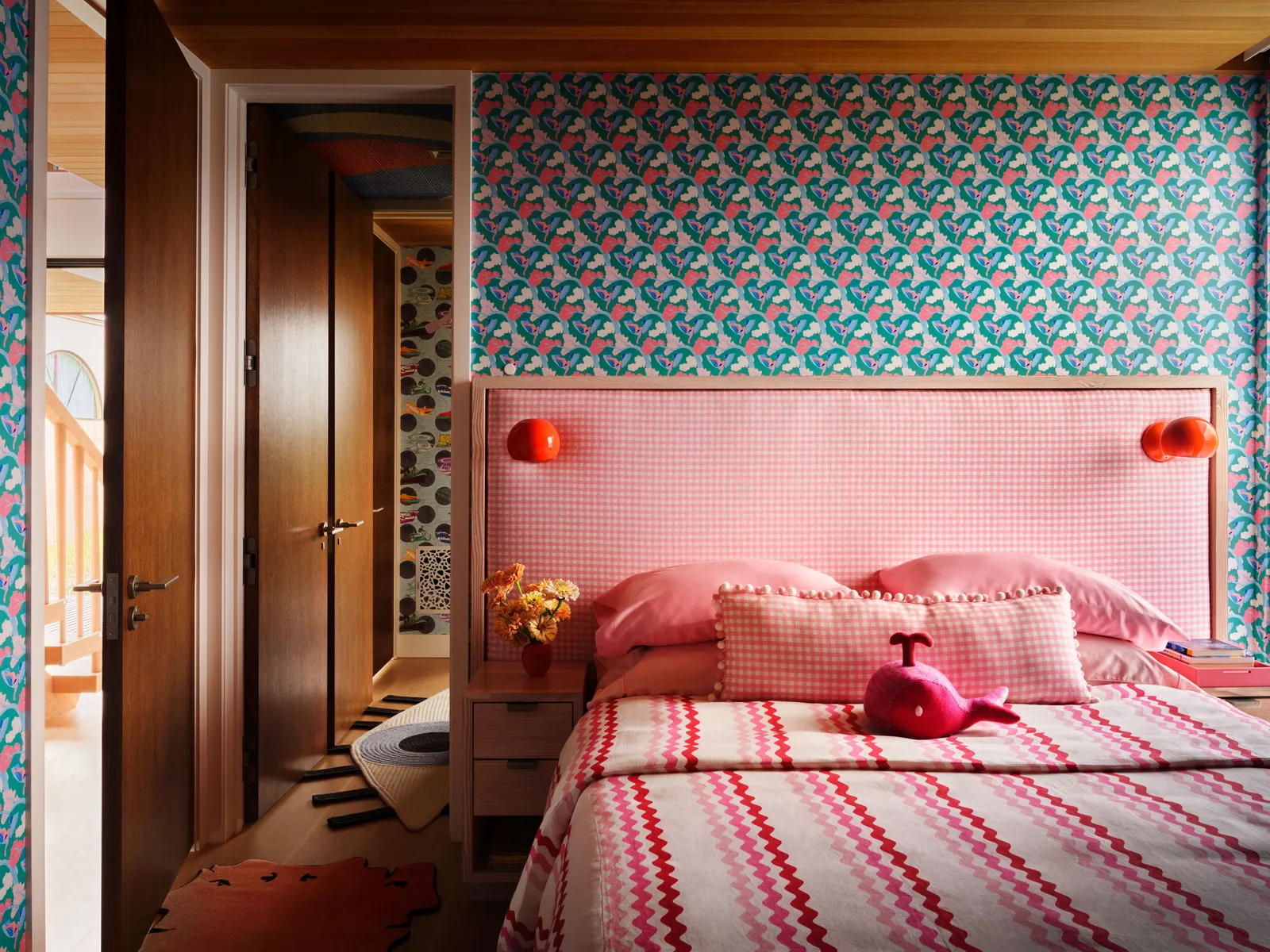
The era of understated, minimalist bed frames has receded, making way for a bold resurgence of the exaggerated bedscape. This new design paradigm emphasizes personality-driven interiors, with wall-to-wall headboards emerging as the definitive silhouette of the moment. This trend is strikingly showcased in Andy Cohen’s recently reimagined Hamptons residence, where each sleeping chamber features a distinct interpretation of this statement-making design element.
The Architectural Statement of the Headboard
In one guest room, Andy Warhol-inspired wallpaper merges with a striking Kelly green stripe, framed by warm oak and complemented by integrated nightstands. The designer, Jackie Greenberg, notes the inherent practicality of these expansive headboards, stating, “It allows the nightstand to be as big as possible.” Furthermore, by incorporating sconces directly into the headboard structure, valuable surface area is liberated. This approach eliminates visual interruptions, such as a bed frame followed by a gap, then a nightstand, and perhaps a floor lamp in a corner. Instead, these integrated panels create a unified, flowing line, connecting the room’s boundaries with a cohesive blend of pattern and texture.
Versatility in Design and Function
Joseph McGuier of JAM Architecture highlights the adaptive nature of this design feature, noting its ability to “shift to suit various design styles depending on its upholstery (or lack thereof) and scale.” He further elaborates, “If a bedroom wall is long and a little featureless, which a lot of them are, a wall-to-wall headboard gives it a reason to exist and gives the bed something to belong to.” The Austin Proper hotel, designed by Kelly Wearstler, exemplifies this with its curved damask headboards that seamlessly integrate lighting and nightstands, creating a cocooning effect. In contrast, the AD100 firm Charlap Hyman and Herrero adopt a more minimalist, industrial aesthetic with their solid wood platform frames at Pocketbook Hudson.
Optimizing Spatial Dynamics
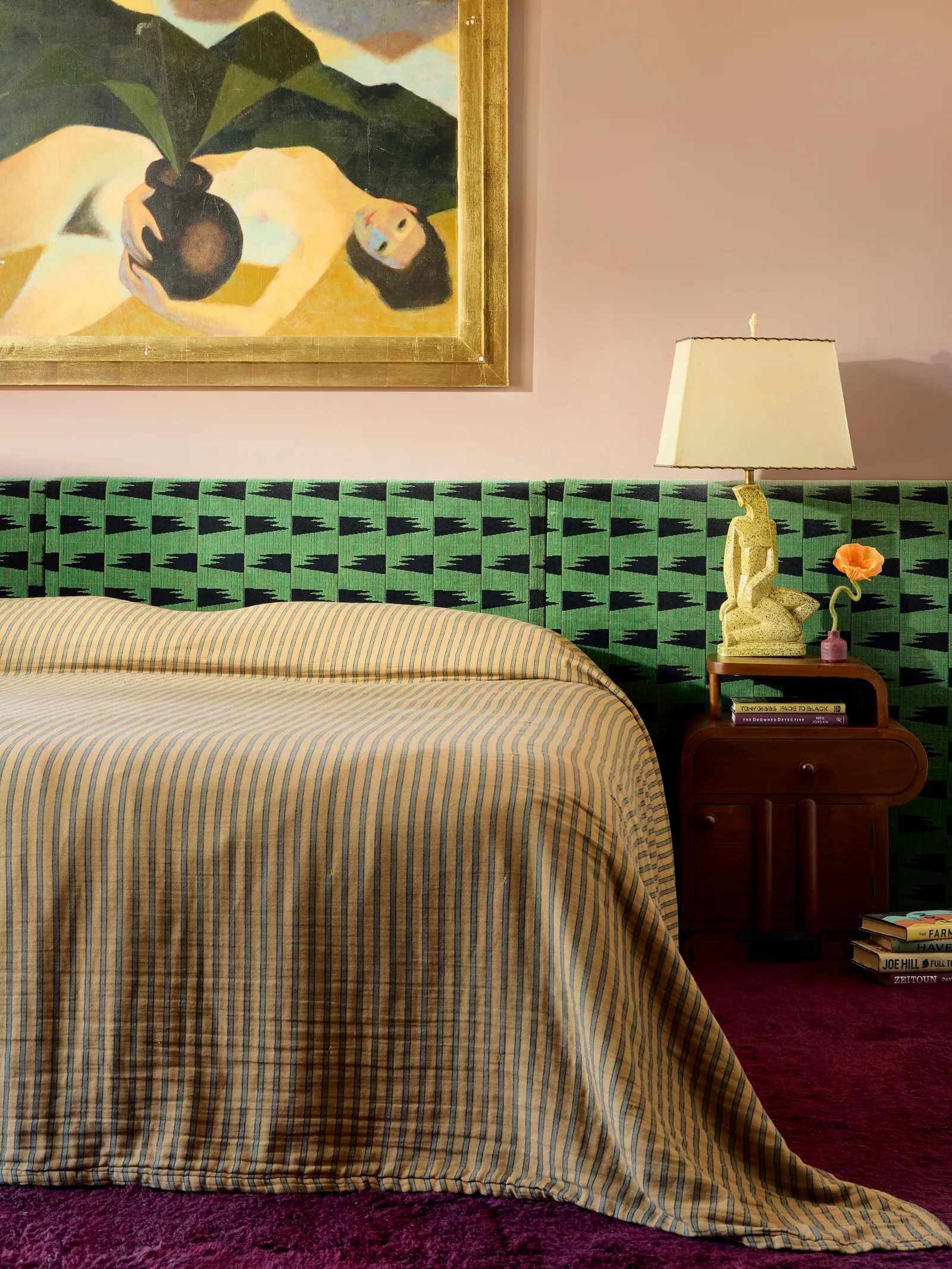
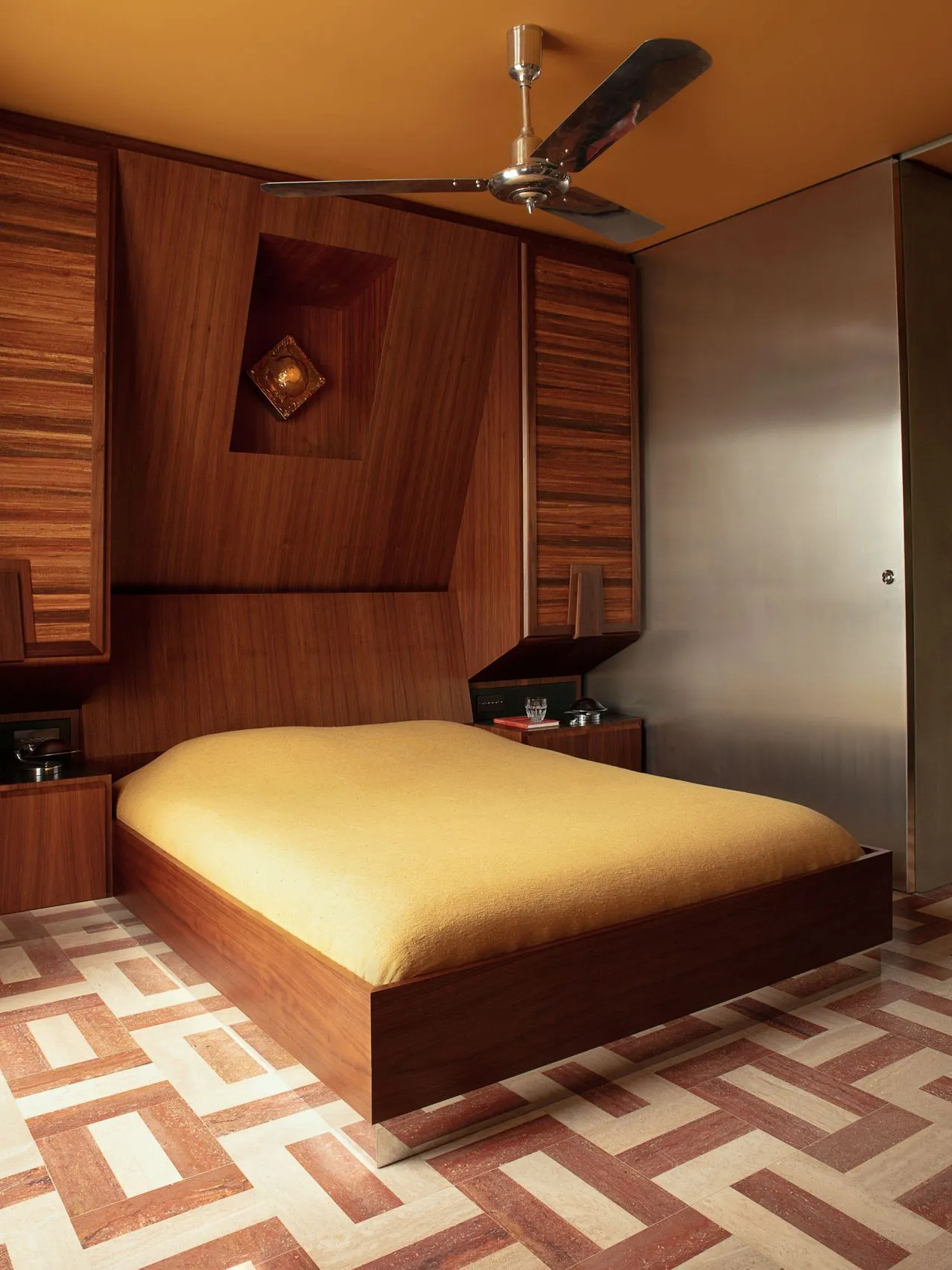
Interior designer Alicia Cheung echoes this sentiment, stating, “an oversized headboard does a lot of the design work in a room without requiring a lot of additional furniture or styling.” This consolidated design approach creates a powerful focal point that envelops the room, instilling a crucial sense of volume. Sally Breer, an AD100 designer, expertly applies millwork to achieve this, even creating an extended headboard and nightstand combination entirely clad in mirrors. Breer adheres to a strict one-third height ratio to maintain architectural balance, emphasizing that “it creates a focal point that hugs the room and creates a necessary sense of volume. Now the bed becomes the room, which is what the best bedrooms are all about.”
Accessible Elegance: Ready-to-Ship Options
For those who may not have access to custom millwork, the market now offers a variety of readily available solutions that emulate this sophisticated look. Numerous extended headboards, ranging from upholstered wingback designs to all-wood iterations featuring floating nightstands, indicate that retailers are recognizing and responding to this influential design trend.
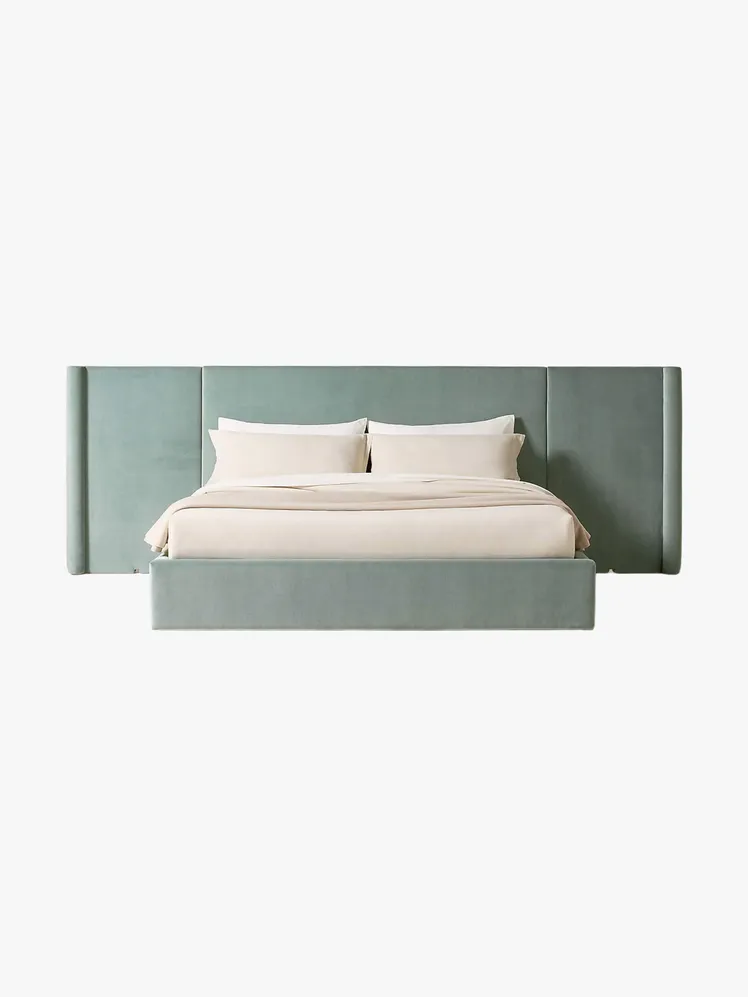
CB2 Abbott Velvet Upholstered Extended Platform Bed
CB2
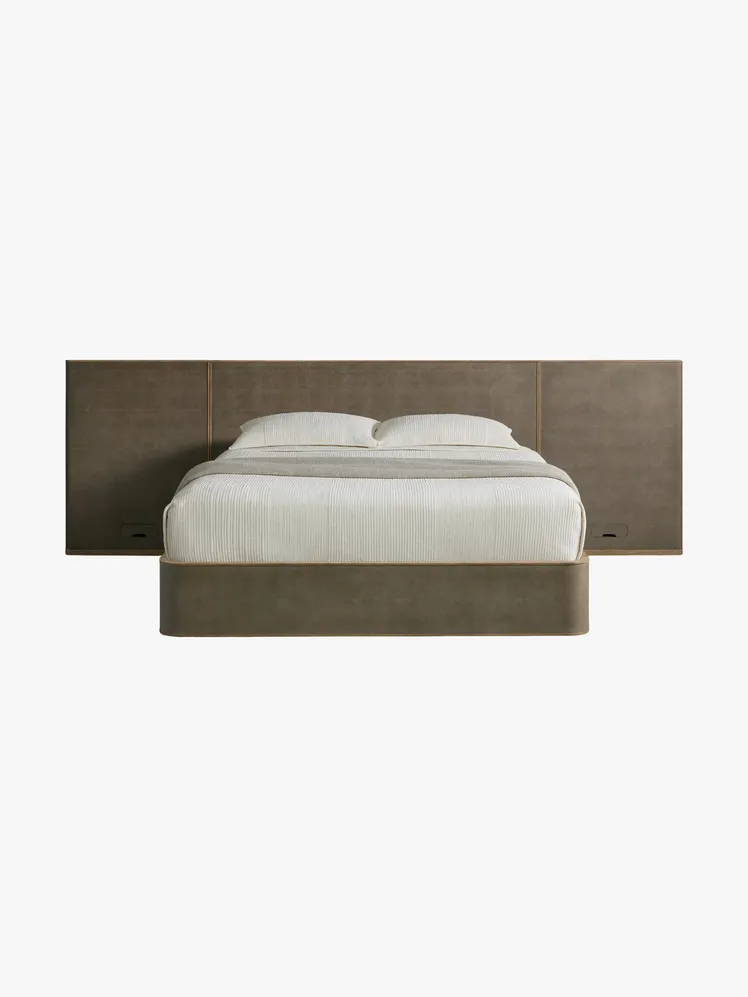
Arhaus Harrow Extended Bed
Arhaus
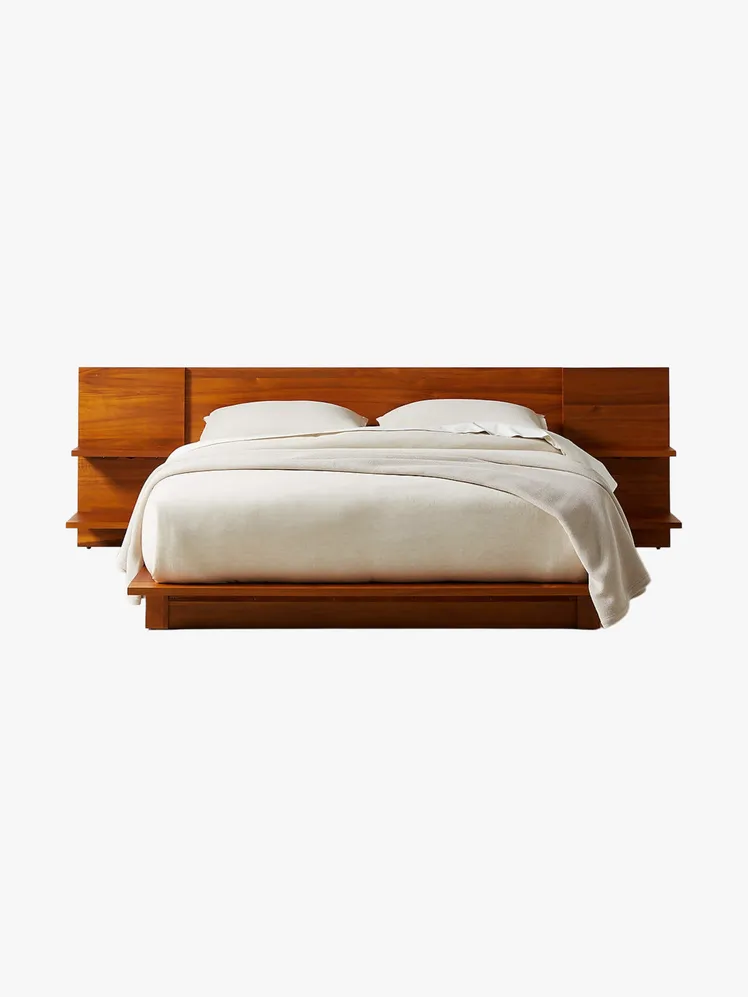
CB2 Andes Platform Bed
CB2
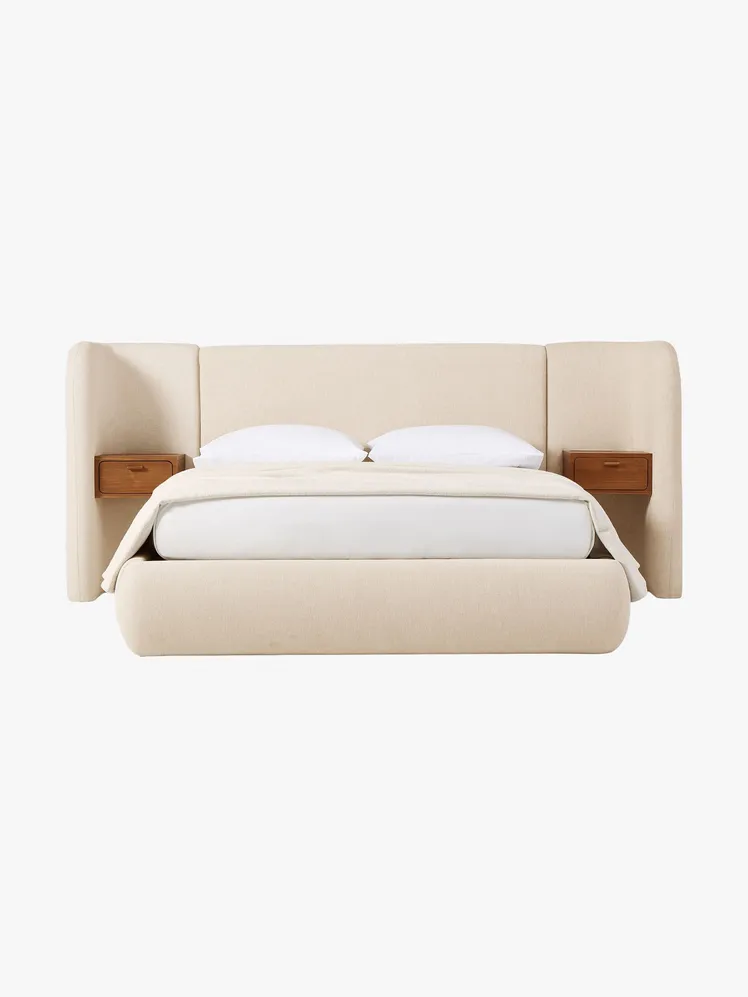
West Elm x Emma Chamberlain Wingback Bed with Charging Nightstands
West Elm
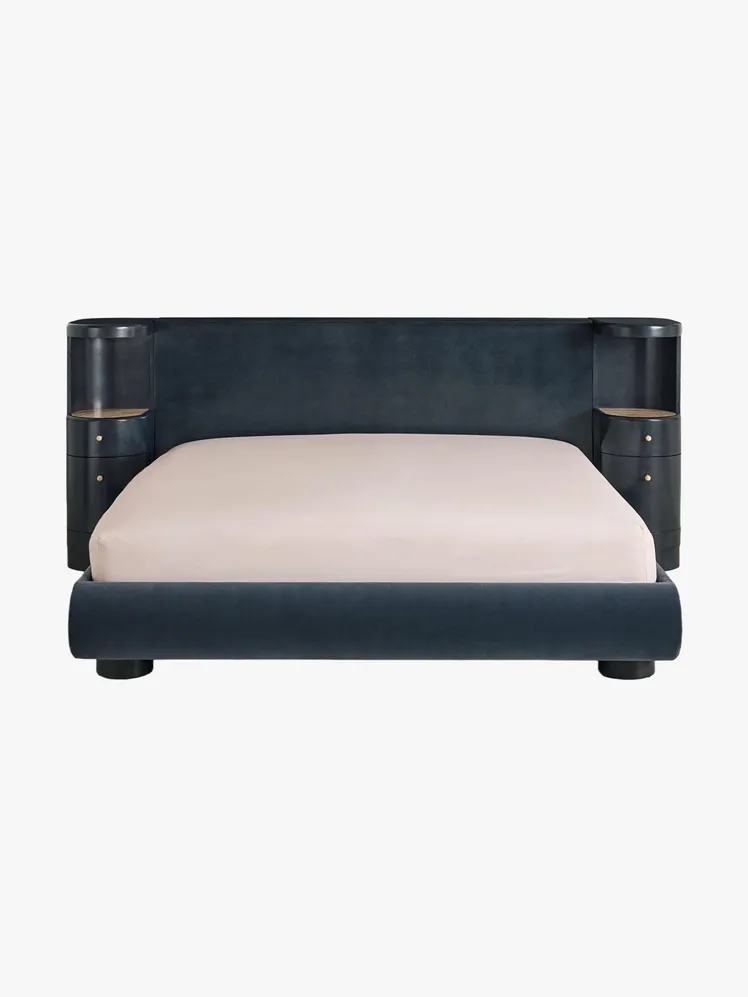
Soho Home Linus Bed
Soho Home
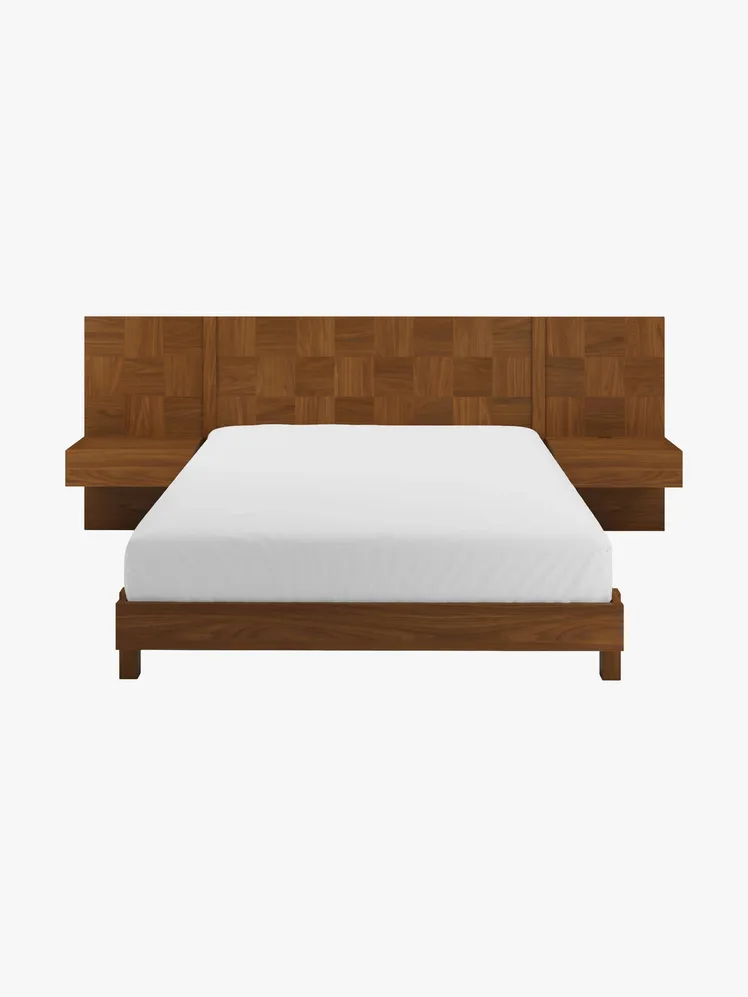
Article Ayra Bed & Nightstand Set
Article
Business Style Takeaway: The adoption of the extended headboard trend in luxury interiors signifies a move towards maximalist expression and curated comfort. This architectural approach not only elevates the aesthetic appeal of a private sanctuary but also enhances personal brand environments by projecting a sense of bold individuality and sophisticated attention to detail.
Based on materials from : www.architecturaldigest.com