

Cynthia Merhej, the visionary behind the Paris-Beirut label Renaissance Renaissance, marks a significant milestone: a decade of distinguished design. Her journey, however, is not merely her own; it’s a narrative woven through generations, with roots tracing back to the 1930s.
A Legacy of Resilience and Style
Merhej’s great-grandmother, Laurice Srouji, was a formidable couturier in Jaffa, Palestine. In the 1930s, she defied convention, raising five children and continuing her craft even after enduring the 1948 Nakba, creating elegant garments for Beirut’s elite until her passing. Her daughter, Merhej’s mother Laura, launched her own label in 1984 amidst the turmoil of the Lebanon War, offering a vibrant counterpoint to conflict with opulent designs featuring strong shoulder pads and rich jewel tones. The enduring spirit of Lebanon and the architectural grandeur of Beirut, the initial home of Renaissance Renaissance’s atelier, profoundly influence Merhej’s thematic explorations and the tangible output of her collections.
An Acclaimed Vision
Merhej’s talent has garnered significant recognition, including being a semi-finalist for the LVMH Prize in 2021 and again in 2025, making her the first Arab woman to achieve this distinction. Her signature style—exquisite tailoring, feminine silhouettes, and a masterful transformation of materials ranging from sequins to utilitarian fabrics—has graced notable figures. New York’s first lady, Rama Duwaji, wore her designs for her husband’s historic swearing-in ceremony, and artists like Dua Lipa and Chloë Sevigny have also been seen in her creations. Merhej notably designed costumes for Sevigny’s character in Durga Chew-Bose’s debut film, *Bonjour Tristesse*. Despite this acclaim, Merhej consistently attributes Renaissance Renaissance’s ongoing success to her supportive network of family, friends, and collaborators, including her mother, Laura, who remains an integral part of the brand.
DECADE: A Tangible Tribute
To commemorate her house’s 10th anniversary, Merhej unveils DECADE, a limited-edition fan-zine. “Physical media is really important to me,” she shares from Paris. “I wanted to make something lasting. I’ve never done a show—maybe one day soon, I hope. For me, it’s never about doing something just because it’s cool or because everyone else is doing it.”
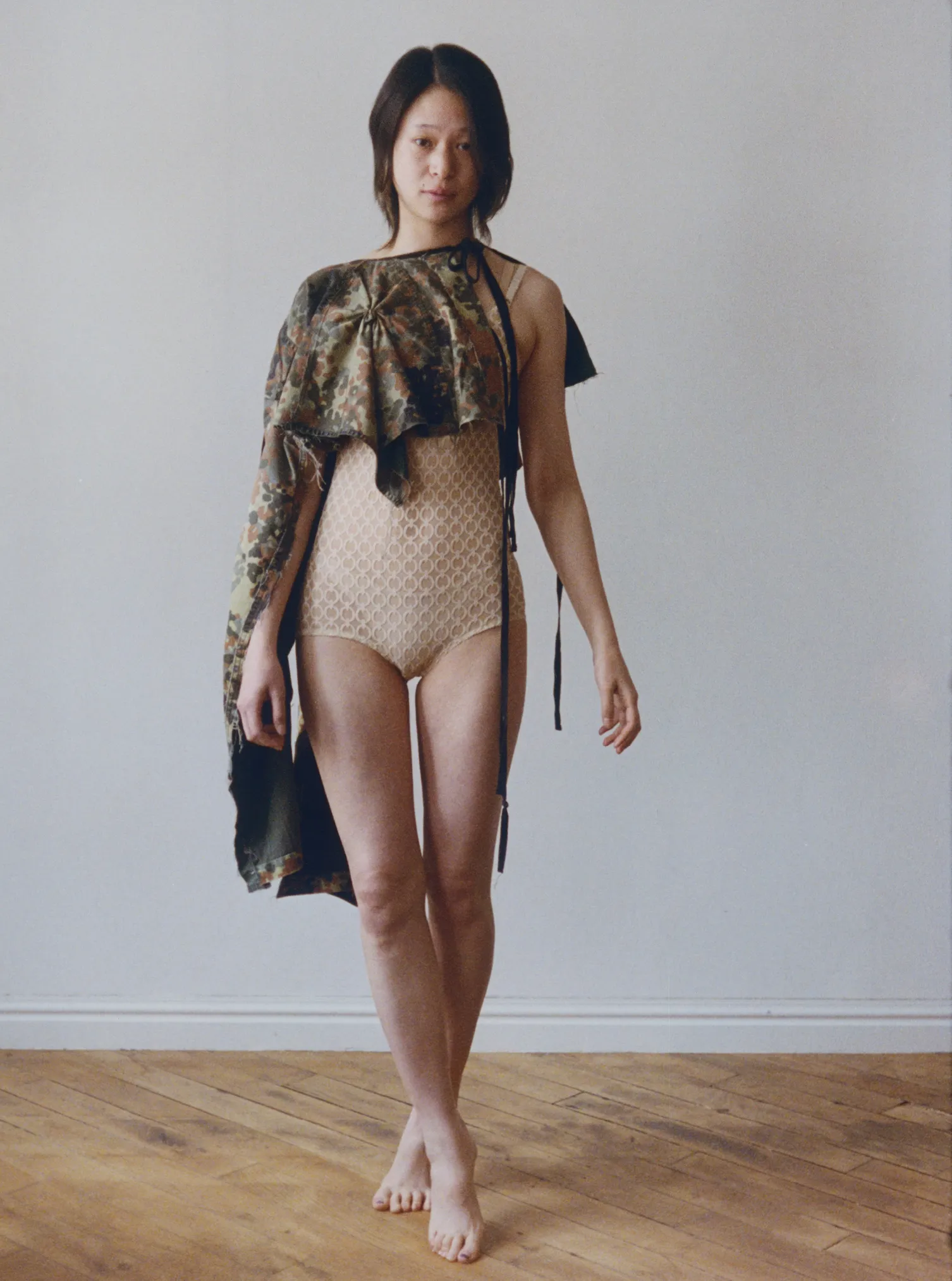
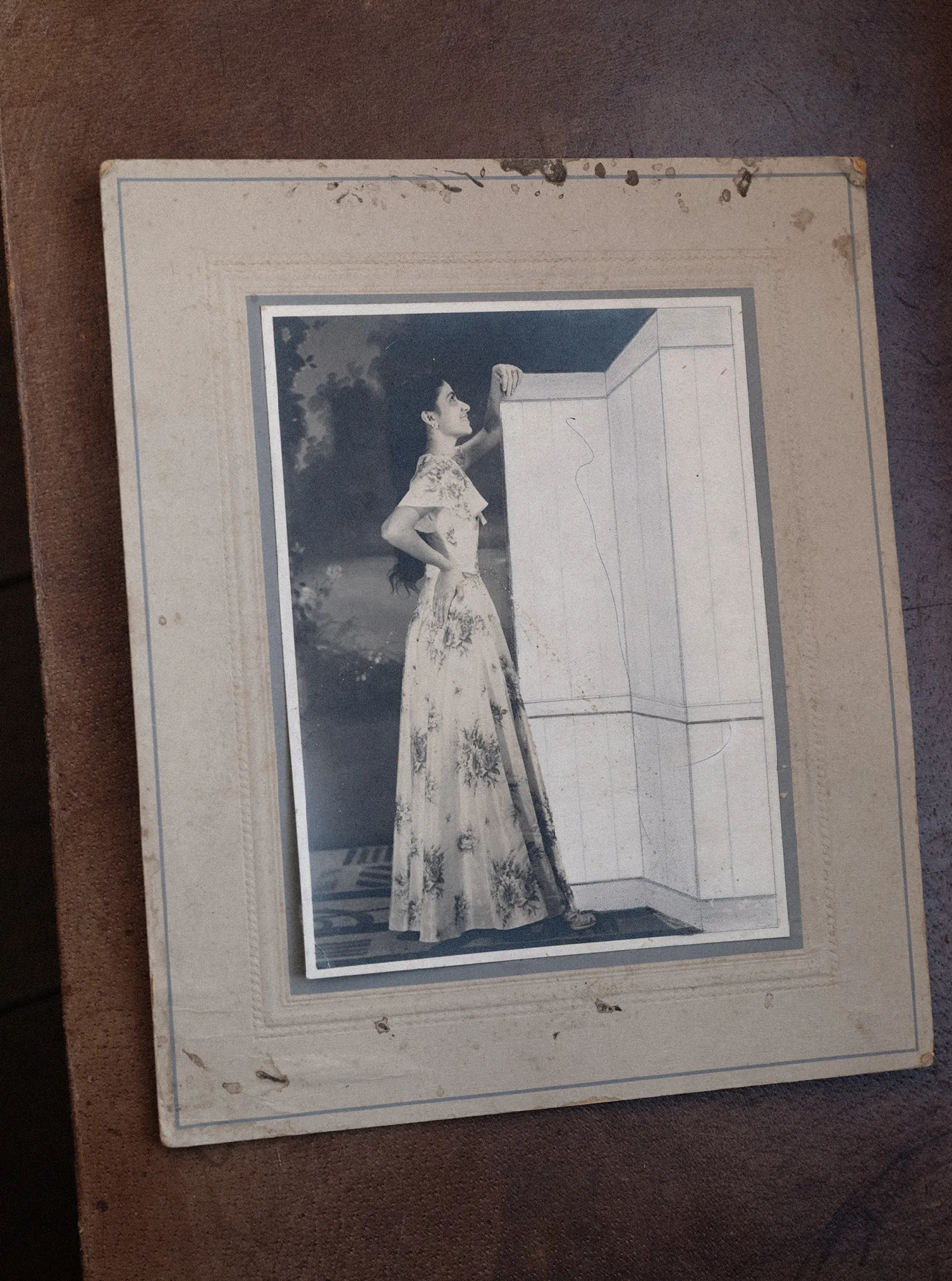
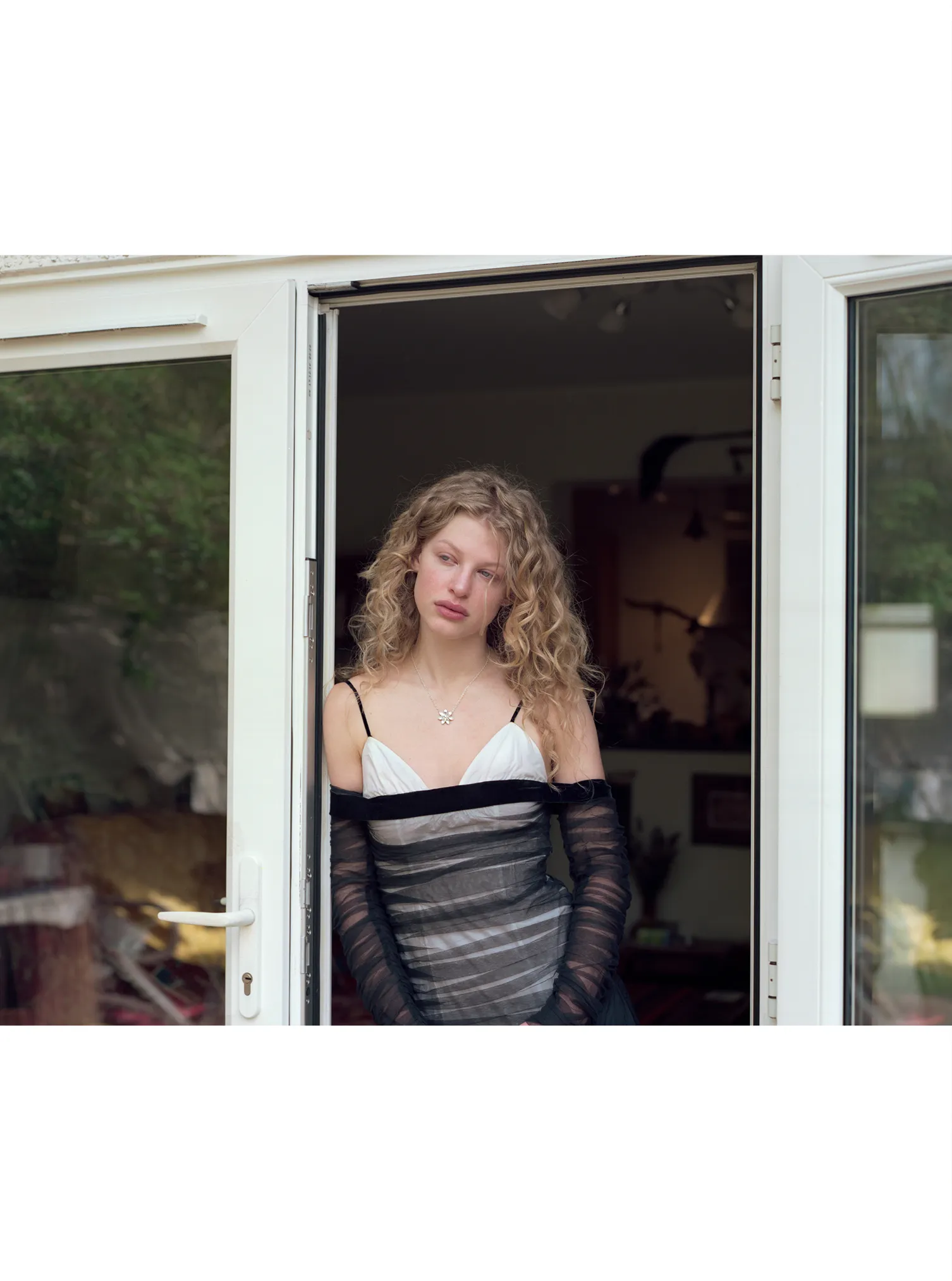
The genesis of DECADE began with stylist and close collaborator Claudia Sinclair, who proposed a shoot utilizing Merhej’s extensive archive. As the brand’s anniversary approached, the concept evolved into a more ambitious project—a zine, envisioned as a collectible marker of this significant moment. The zine features the work of three distinct photographers: George Eyres, whose black-and-white imagery offers a fashion-forward perspective; Alessandro Raimondo, celebrated for his sensitive close-ups highlighting texture and detail; and Alice Mann, who captured a documentary-style narrative of young women in their grandmothers’ homes. “Mixed together, we wanted it to feel alive, dynamic, and constantly moving,” Merhej explains.
Preserving Memory in a Transient World
The creation of a tangible object feels particularly resonant given Merhej’s heritage. “I think my obsession with images and physicality comes from growing up in places where everything can feel temporary,” she reflects. The tumultuous history of Palestine and Beirut, marked by devastating campaigns that have impacted cultural institutions and historical records, informs this perspective. Merhej’s own experience interning at the Arab Image Foundation, an organization dedicated to preserving photographs from Lebanon and the Middle East, underscores the critical importance of documenting cultural and social history. “The idea of reaching 10 years is honestly insane to me; pausing and commemorating something feels very unnatural as a Lebanese person. We’ve lived through so many events and tragedies, and often nothing is preserved. This project forced me to pause and acknowledge.” She draws continued inspiration from artists such as Akram Zaatari, Walid Raad, and Lamia Joreige, whose practices delve into archives, history, and memory.
“I don’t think I’m saving the world by making a zine, but it’s important to be able to say that, at a certain moment, there was a Lebanese designer doing something, and there were creative people making meaningful work despite everything happening around them,” Merhej asserts. “If that inspires someone in the future, that’s the best outcome I could hope for.”
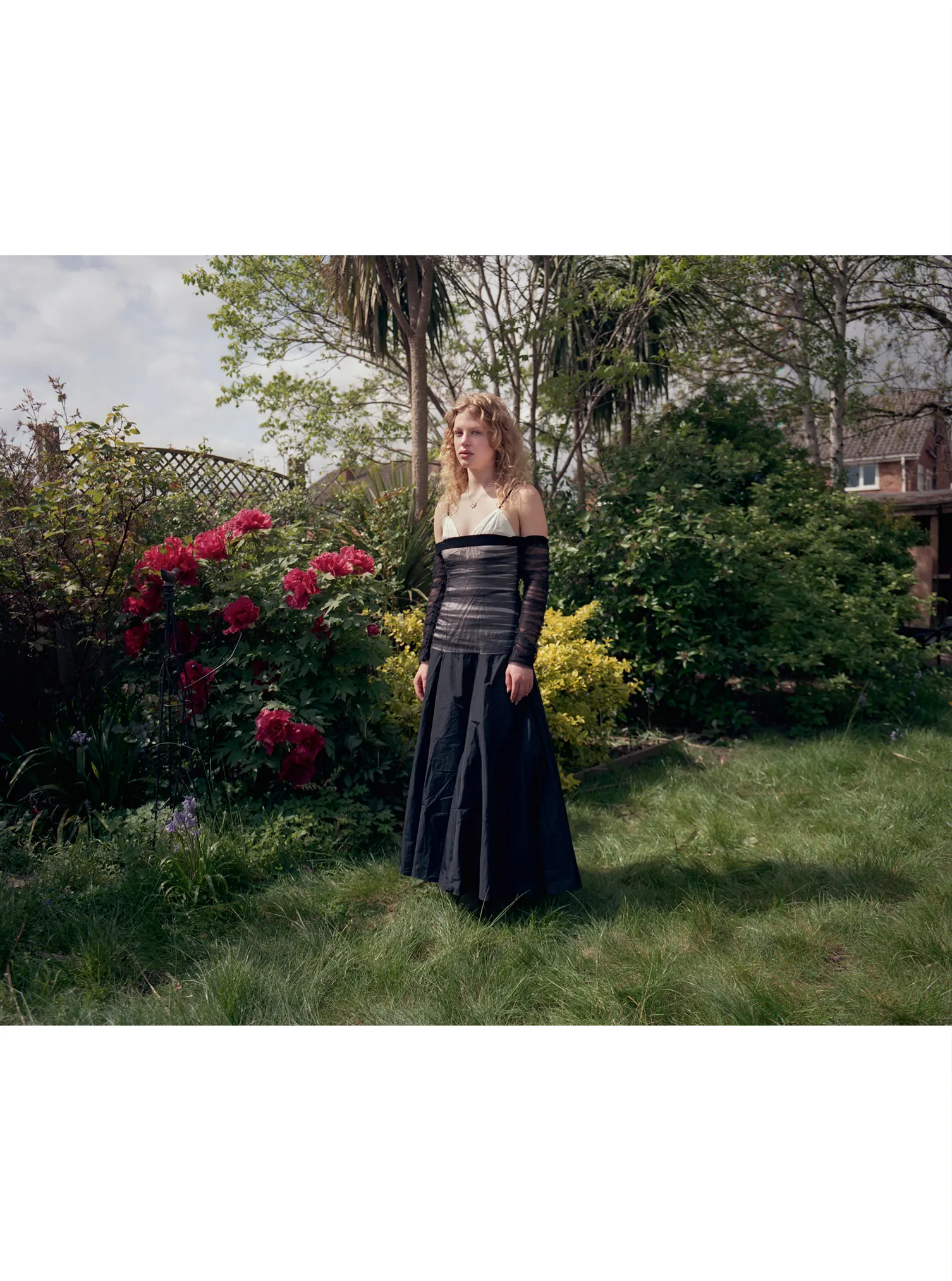
Merhej continues to approach fashion with a scholarly eye. “Maybe someone will discover DECADE in a library some day and reference it,” she muses. “I’m very drawn to the slower, more complete experience of engaging with physical material. To me, that’s a much more interesting way to explore culture than the endless scroll of imagery we consume every day. Context and curation matter, but I’d also be excited for someone to pull an image and find their own meanings.” The zine, while exploring core themes of intergenerational legacy, female autonomy, femininity, and freedom, was curated with a sense of boundless creativity, weaving together pieces from various Renaissance Renaissance seasons and juxtaposing the photographic shoots to forge new narratives.
Looking ahead, Merhej is already immersed in her next collection, a process that invariably begins with personal emotion and expands into a narrative exploration, guided by research into artists and imagery. Currently, her focus is on feathers and birds, alongside a discovery of new nature photographers and queer artists.
The enduring influence of her family’s legacy remains central to Renaissance Renaissance. “I learned so much from watching how my mom worked and how she built things in her own way. I think there is something very powerful about women-run businesses,” she reflects. “And at the same time, I’ve built my own practice differently. 10 years feels significant because I think it takes about that long for an artistic practice to mature.” Having launched the brand at 26, Merhej candidly admits to initially lacking pattern-making skills. “Even coming from a fashion background, it took years not only to learn design, but also to understand my eye, my vision, and what I wanted to say.”
“Despite all the challenges—political, personal, everything that has happened over the last decade—I’m grateful for the time I had to grow into that. I’m grateful for my mother, for the people who believed in me, for factories, photographers, stylists, PR teams, everyone. What’s exciting is that I finally feel like I’m stepping into it. I don’t look back and feel exhausted. I look back and think: I’ve only just started.”
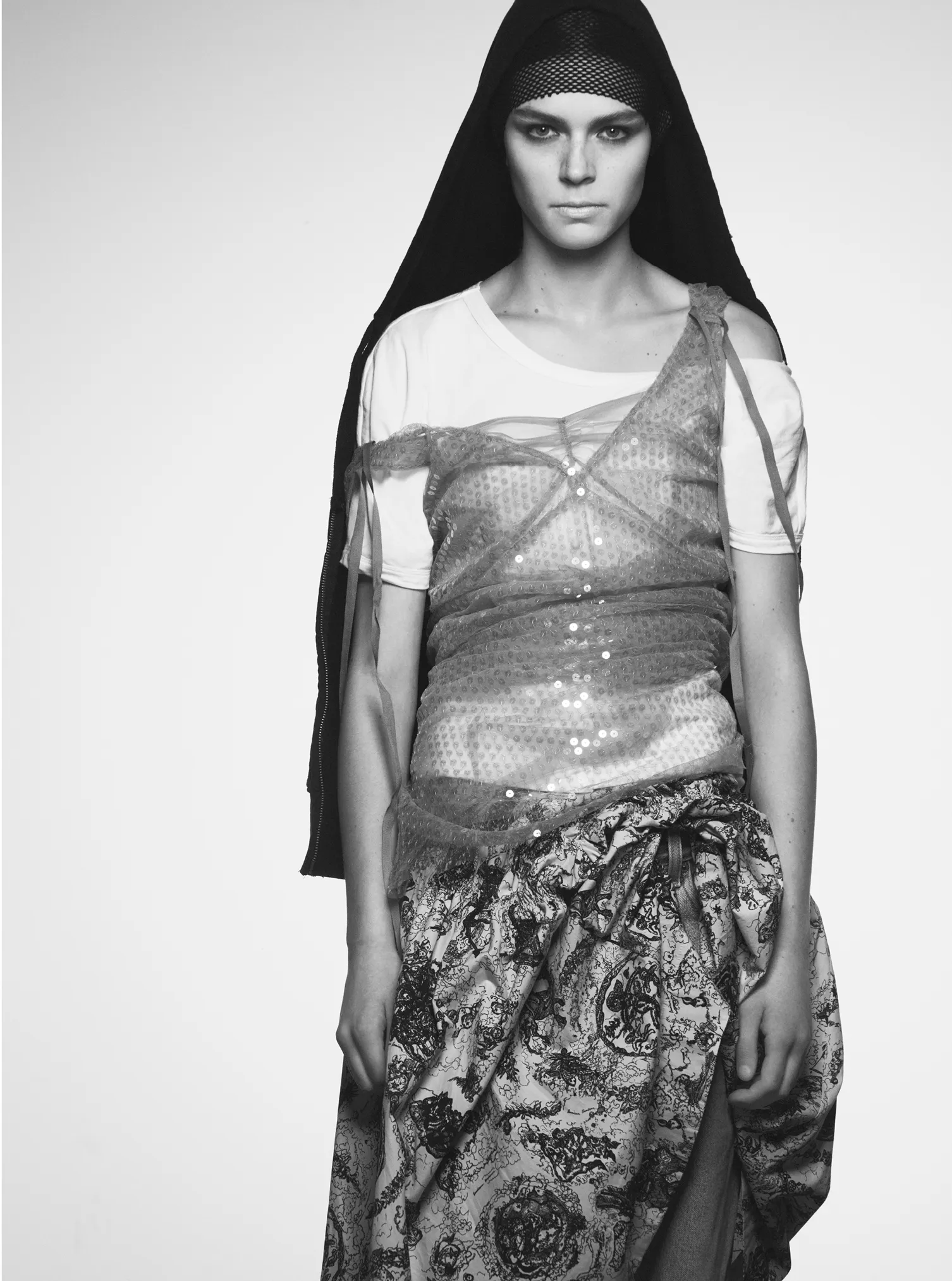
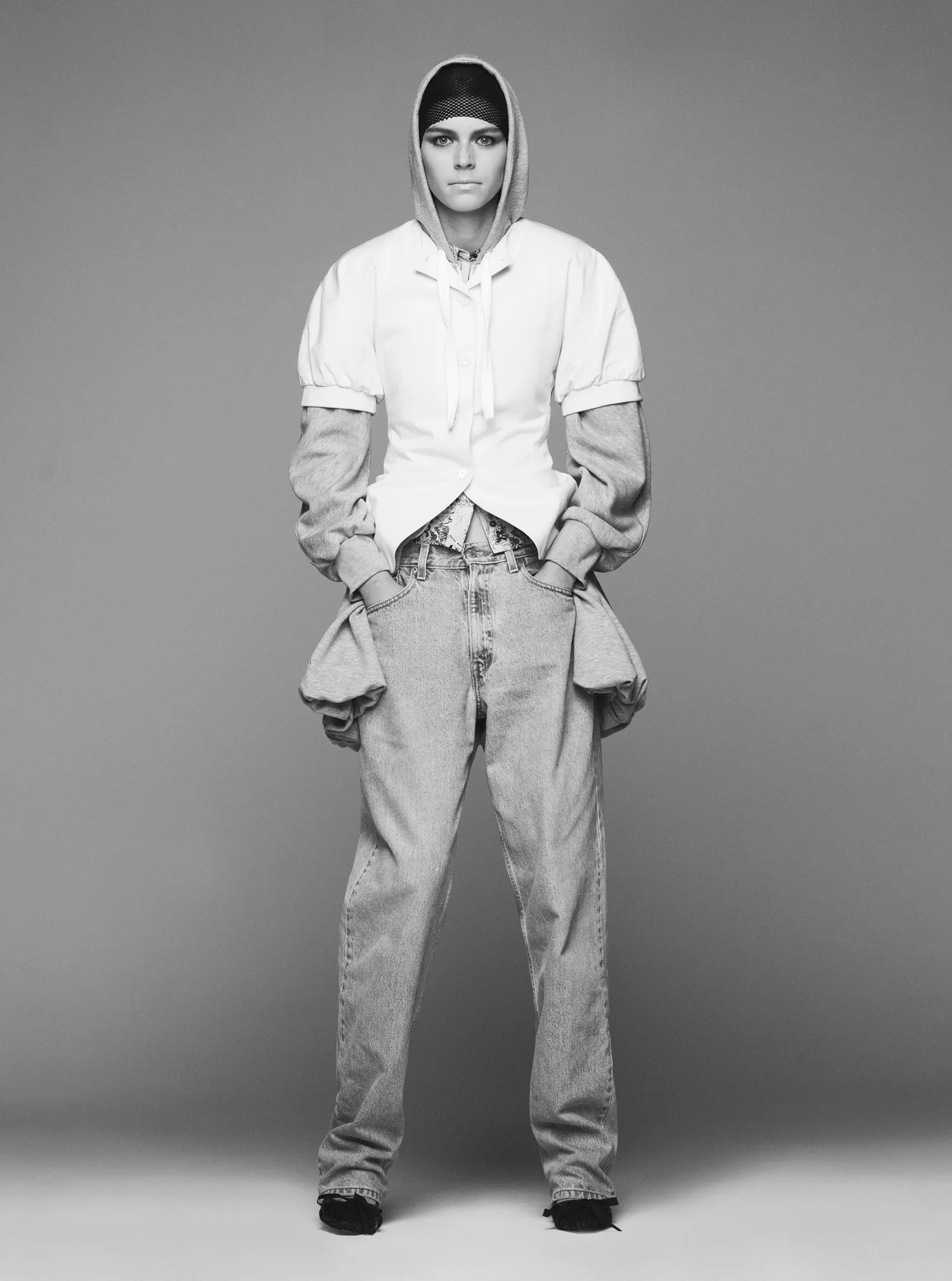
DECADE signifies not only an archive and an anniversary but also Merhej’s transition into a new phase. “Each of my collections has seen me revisiting and reworking my own ideas, pushing them further. It feels satisfying, now, to say I’ve explored longheld ideas as far as I could.” Her future endeavors include expanding her work in film. “I think I think like a director,” she shares. “I loved working on *Bonjour Tristesse*, understanding a character and what they wear, rather than a collection. In fashion, you’re creating an entire world. In film, you’re often focused on a specific person and their role within a larger story. That can actually feel liberating, focused.” Currently, she is collaborating on a more ambitious independent film project, exploring individual characters, cultural history, and broader narratives simultaneously, a process she finds immensely invigorating.
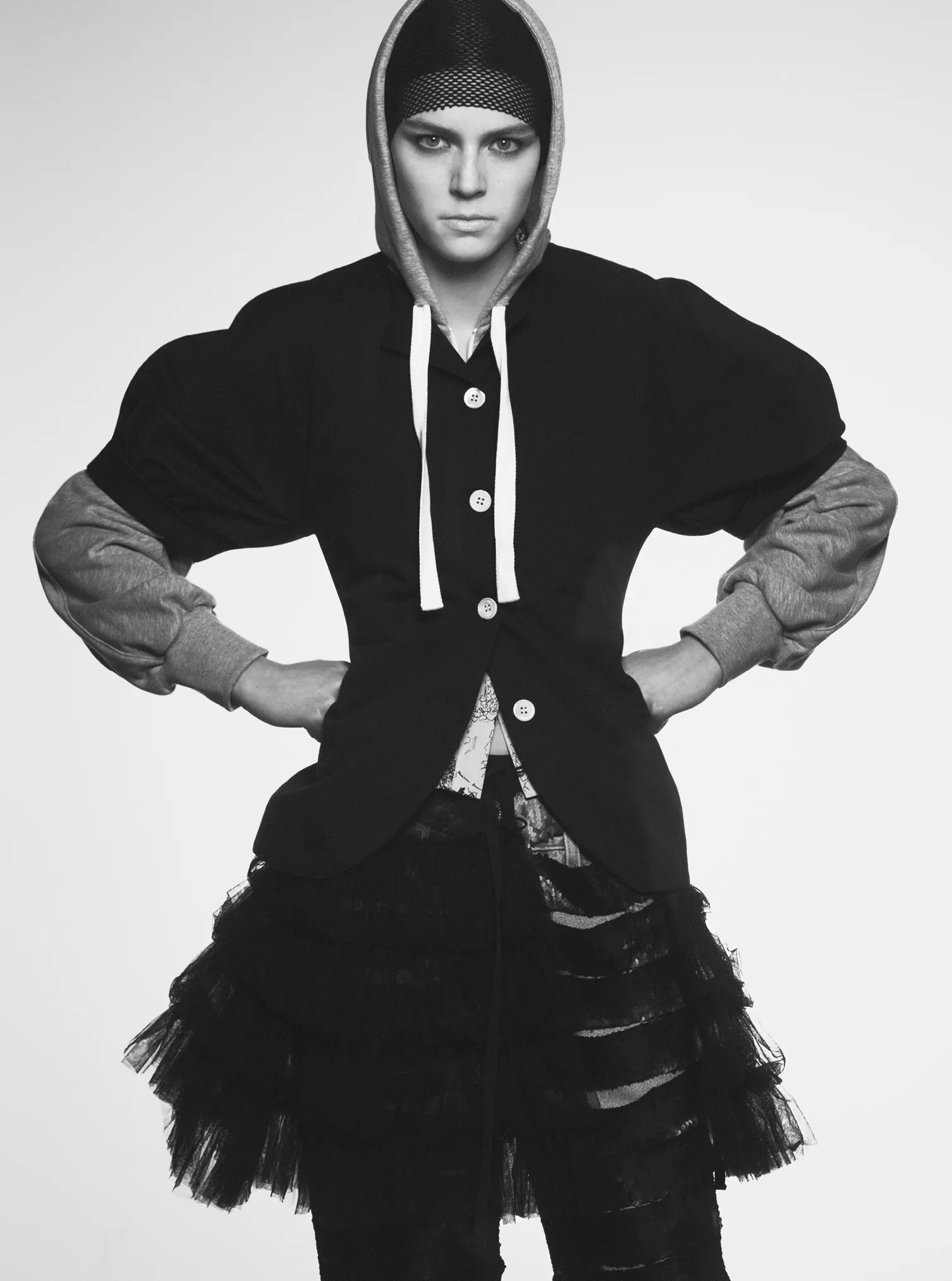
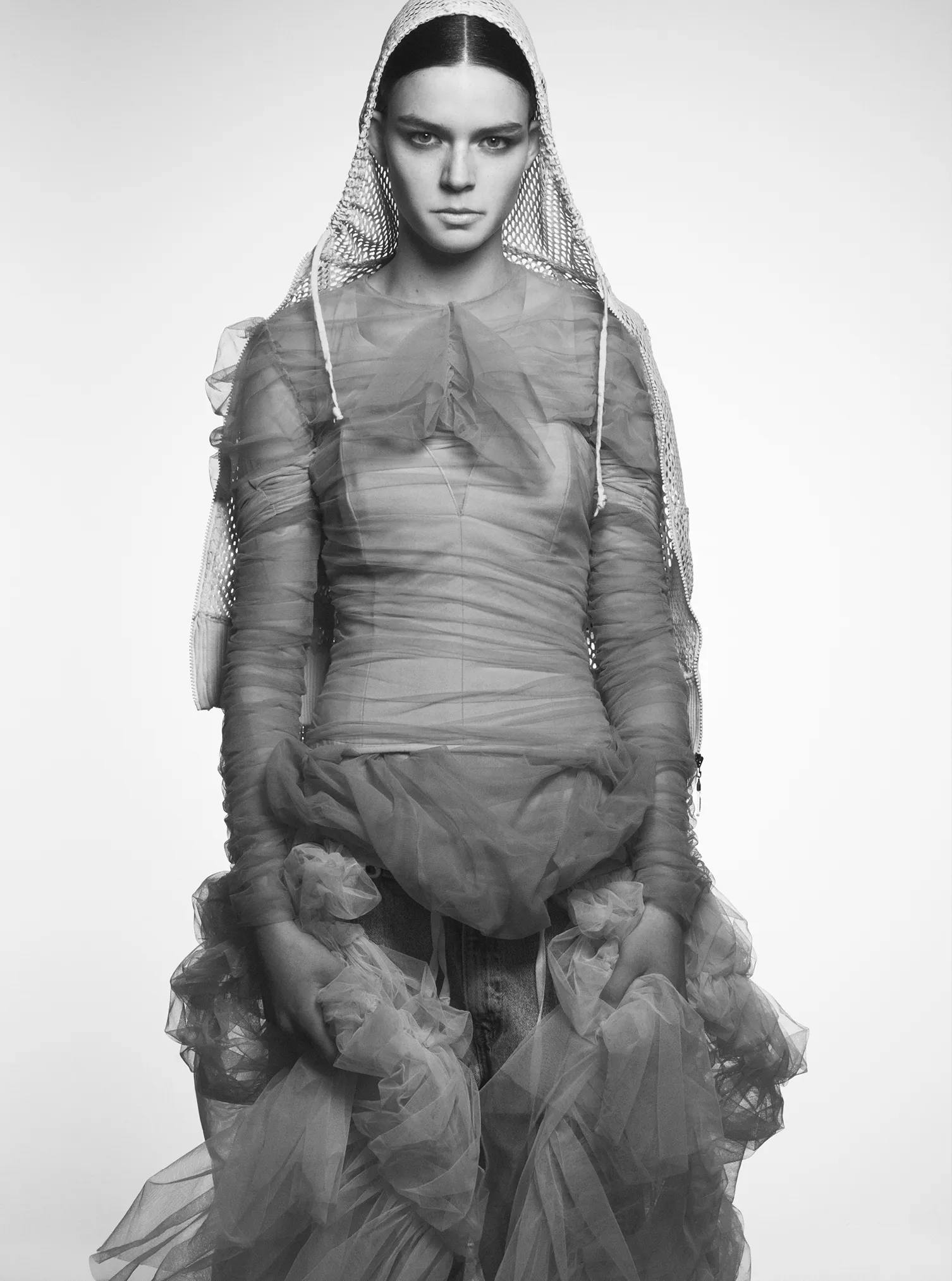
Merhej feels she has truly found her footing over the past decade. Her current creative drive is centered on broader artistic direction—encompassing film, publications, and collaborations with artists, actors, and musicians. To facilitate this, she is strategically restructuring the brand, aiming to create a framework that allows for diverse opportunities while preserving the brand as her personal creative outlet, moving beyond the confines of traditional fashion weeks and seasonal cycles. “I want to create a structure that allows me to explore different opportunities while keeping the brand as my personal creative outlet.”
“I love world-building,” Merhej states with profound insight. “That’s probably the simplest way to describe it. I want to keep building worlds, whether through fashion or other mediums. My dream for the next 10 years is to stay free. To move between fashion, film, music, publishing, and whatever other creative forms become interesting.”
DECADE, a collectible zine celebrating 10 years of Renaissance Renaissance, launches June 23 at Cahier Centrale, 26 Rue du Château d’Eau, 75010 Paris.
Business Style Takeaway: Renaissance Renaissance’s decade-long journey, deeply rooted in intergenerational legacy and resilience, exemplifies a modern approach to luxury brand building that prioritizes authentic storytelling and artistic expression. Merhej’s deliberate expansion into multi-disciplinary creative projects, like the DECADE zine and film aspirations, signals a shift towards a more holistic brand identity that resonates with discerning consumers seeking depth and cultural relevance.
Source: : www.vogue.com