

Recent primary election results in New York have revealed a significant shift in the Democratic Party’s landscape, with progressive and Democratic Socialists candidates, backed by influential figures like New York Mayor Zohran Mamdani, achieving notable victories. This outcome challenges established party leadership and signals a potential realignment of political forces that could have broader implications for the entertainment industry and corporate governance.
The Progressive Surge
Mayor Zohran Mamdani’s strategic endorsement of specific candidates in the New York primaries represented a calculated risk against entrenched Democratic Party establishments. By supporting candidates aligned with the Democratic Socialists of America (DSA), Mamdani positioned himself as a kingmaker, challenging the status quo and fueling intra-party battles. The success of his chosen candidates, particularly in key congressional races, indicates a growing influence of the progressive wing within the party, potentially reshaping policy debates and electoral strategies nationwide.
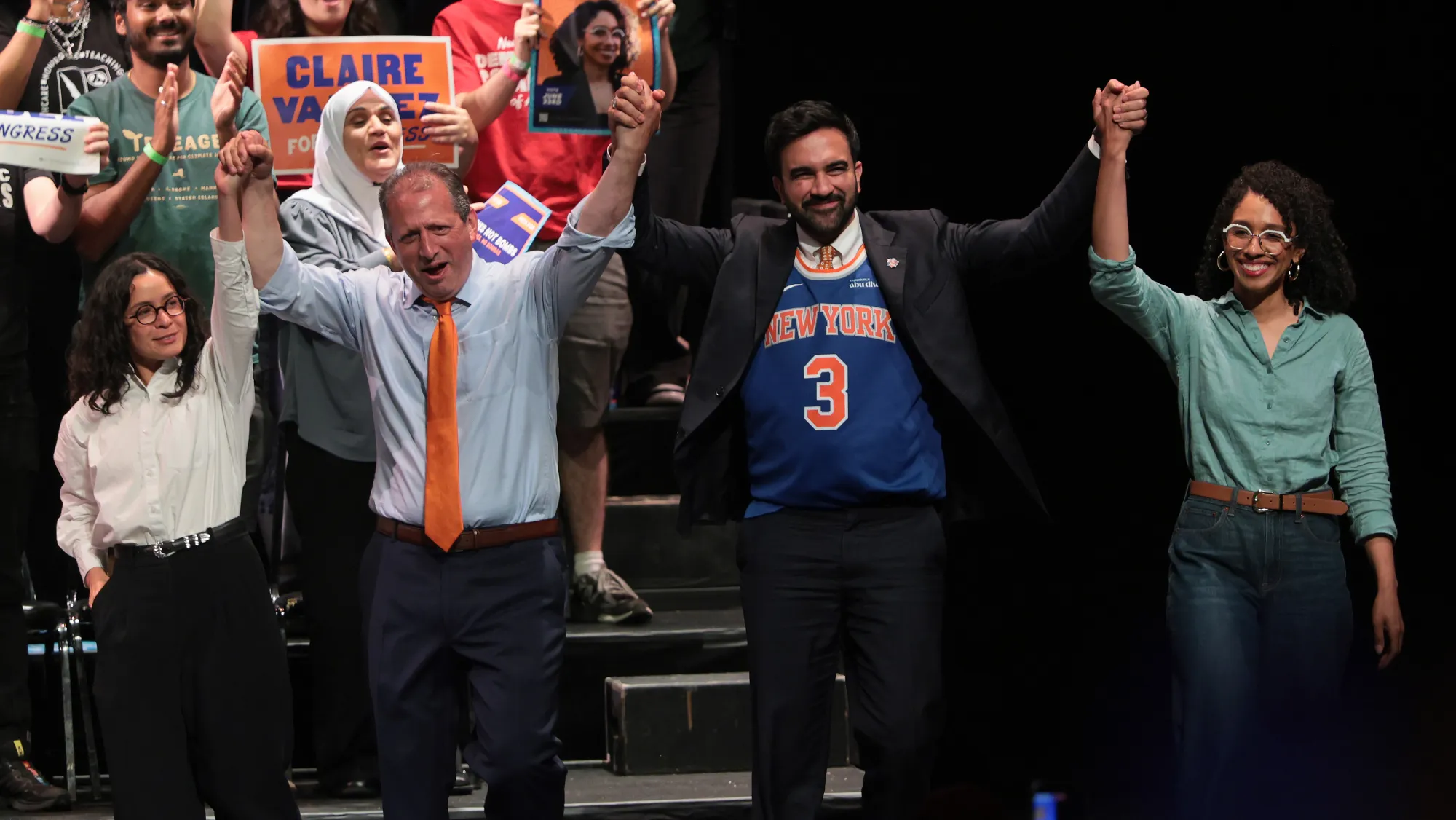
Congressional District 7: Legacy vs. Upstarts
In New York’s 7th Congressional District, a significant battle unfolded between establishment figures and progressive challengers. The retirement of long-serving Representative Nydia Velázquez created an opening for her endorsed successor, Antonio Reynoso. However, Mayor Mamdani backed Claire Valdez, a state assembly member whose trajectory mirrored his own, representing a new wave of activism and political engagement. Valdez’s decisive victory over Reynoso by 20 points underscores Mamdani’s influence and signals a waning of traditional political endorsements in favor of grassroots appeal and progressive platforms.
Congressional District 13: Challenging the Status Quo
The race in New York’s 13th Congressional District presented a stark contrast between long-established representation and a new political force. Adriano Espaillat, seeking his sixth term, was challenged by Darializa Avila Chevalier, a first-time candidate and organizer who gained prominence through her activism. Chevalier’s campaign, amplified by social media and appearances with progressive influencers, culminated in a significant upset victory over Espaillat. This outcome suggests a generational shift and a willingness among voters to support candidates with strong activist backgrounds, potentially creating a new progressive vanguard in Congress.
Congressional District 12: The Tech Lobby and Regulatory Battles
The race in New York’s 12th Congressional District highlighted the growing influence of Big Tech in political contests and the ongoing debate surrounding artificial intelligence regulation. Alex Bores, an advocate for AI regulation, faced substantial opposition funded by a tech super PAC, reflecting a broader industry effort to prevent legislative oversight. Bores’s campaign, which sought to bridge moderate and progressive voters, ultimately lost to Micah Lasher, a more traditional political figure. Despite the loss, Bores’s message about standing up for citizens against unchecked technological advancement resonated, indicating that the push for AI regulation will remain a significant issue for the industry and policymakers.
Congressional District 21: The Unconventional Nominee
Upstate New York’s 21st Congressional District saw an unexpected result in the Republican primary, with Anthony Constantino, a sticker company executive, securing the nomination. Endorsed by Donald Trump, Constantino defeated the establishment-backed Robert Smullen. This victory, driven by a populist appeal and a direct connection to the former president, underscores the continued strength of Trump-aligned candidates and the unpredictable nature of electoral politics, even in traditionally conservative districts.
Business Style Takeaway: The recent New York primary results demonstrate a clear empowerment of progressive factions within the Democratic Party, challenging traditional power structures and signaling a potential shift in policy priorities. This evolving political landscape necessitates that corporations and industry leaders, particularly within entertainment and technology, adapt their strategies to engage with this new wave of politically active constituents and elected officials who are increasingly focused on regulation and social impact.
Source: : www.hollywoodreporter.com