

Glyphosate, the active ingredient in the widely used herbicide Roundup, is implicated in more than just legal controversies; a growing body of evidence suggests it may be profoundly impacting the trillions of microbes residing within the human gut.
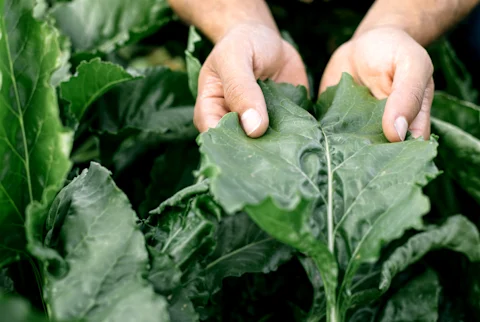
In the United States, approximately 90 percent of major crops like soybeans, corn, beets, and canola are cultivated using glyphosate-resistant varieties. This widespread agricultural practice means the herbicide is frequently applied directly to the fields where food is grown, leading to its presence in our water sources, crops, and ultimately, our bodies.
The mechanism by which glyphosate combats weeds involves inhibiting a crucial biochemical pathway essential for nutrient synthesis in plants. While this pathway is not present in humans, a critical oversight emerged: this same process is vital for numerous species of gut bacteria, including many beneficial strains that play a significant role in maintaining human health.
The scientific community’s understanding of glyphosate’s interaction with the gut microbiome has expanded significantly in recent years, yielding consistent and concerning findings.
Mechanism of Action and Gut Microbiome Impact
Glyphosate’s herbicidal action targets a specific biochemical pathway required for plants to produce certain essential nutrients. Because human physiology does not rely on this pathway, glyphosate was historically considered safe for human consumption.
However, this perspective overlooked the fact that many beneficial gut bacteria depend on the very same biochemical process. In fact, in 2010, a patent was granted for glyphosate as an antimicrobial agent, officially categorizing the world’s most prevalent herbicide as an antibiotic capable of indiscriminately affecting microbial populations.
Emerging Research Findings
Recent scientific investigations into the effects of glyphosate on the gut microbiome are highlighting potential adverse consequences for human health.
A study involving mice exposed to low doses of glyphosate over a 90-day period revealed significant alterations in their gut bacterial composition. The research observed a reduction in beneficial bacteria alongside an increase in bacterial groups associated with gut dysbiosis and intestinal inflammation.
Specifically, the study noted a depletion of bacteria responsible for producing butyrate, a short-chain fatty acid crucial for maintaining gut lining integrity and regulating immune responses, as well as a decrease in Bifidobacterium, a well-known beneficial bacterial strain.
A comprehensive systematic review published in Food & Function further substantiates these concerns. By analyzing data from multiple animal models, the review concluded that glyphosate exposure can lead to disruptions in gut bacteria, increased intestinal permeability (commonly referred to as “leaky gut”), impaired function of the protective mucus layer in the gut, and direct physical damage to the intestinal wall. The authors pointed to the association of these changes with conditions such as Crohn’s disease and Alzheimer’s disease.
Additionally, some agricultural practices involve using glyphosate as a desiccant, a drying agent applied to crops like oats, chickpeas, lentils, and beans shortly before harvest. This method results in direct absorption of the herbicide by the crops, making it impossible to remove through washing.
Intergenerational Health Implications
A particularly concerning aspect of glyphosate’s impact relates to its potential effects on future generations.
Research exploring prenatal exposure to glyphosate in mice examined doses as low as 0.01 mg/kg/day, a level estimated to be within the range of average human dietary intake and over 100 times lower than the Environmental Protection Agency’s acceptable daily intake limit. Even at these remarkably low doses, the study identified disruptions in metabolic, immune, and behavioral markers that persisted into the second generation of offspring.
The observed effects included depletion of goblet cells, reduced expression of mucin-2 (a critical component of the gut’s protective mucus layer), and altered pro-inflammatory cytokine profiles in both the first and second generations of exposed animals. Furthermore, behavioral deficits were noted, such as decreased locomotion and impaired working memory.
The study also found a depletion of Akkermansia muciniphila, a bacterium strongly linked to gut barrier integrity and metabolic health, while bacteria associated with metabolic and neurological vulnerabilities showed an increase.
The Gut-Brain Axis Connection
The influence of the gut microbiome extends far beyond digestive health, directly communicating with the brain through the gut-brain axis—a bidirectional network that significantly affects mood, cognitive function, and overall neurological well-being.
Consequently, disruptions to the microbiome caused by glyphosate may have far-reaching implications that extend beyond the gastrointestinal tract.
Beneficial bacterial species like Lactobacillus and Bifidobacterium, both of which are sensitive to glyphosate, are classified as psychobiotics. When present in adequate quantities, these microbes can exert measurable positive effects on mood and cognition.
A reduction in these vital microbial populations can compromise the effectiveness of communication along the gut-brain axis. The prenatal exposure study further reinforces this connection by reporting reduced serum kynurenine—a precursor to neuroactive metabolites—and molecular markers indicative of enteric neuroinflammation in glyphosate-exposed mice.
Strategies for Protecting Your Microbiome from Glyphosate
While complete avoidance of glyphosate exposure may not be entirely feasible, several proactive strategies can significantly mitigate its impact on your gut microbiome.
- Prioritize Organic Choices: Certified organic farming practices strictly prohibit the use of glyphosate. By choosing organic versions of high-risk foods such as oats, legumes, soy, corn, and wheat, you can substantially reduce your dietary exposure.
- Invest in Water Filtration: High-quality activated carbon water filters are effective at reducing glyphosate levels in drinking water, which is particularly important for individuals residing in agricultural areas.
- Incorporate Fermented Foods: Certain fermented foods possess the ability to break down glyphosate, while the live cultures they contain help to restore microbial diversity in the gut. Opt for organic sauerkraut, kimchi, or kefir when possible.
- Add Miso and Soy Sauce to Your Diet: The fermentation process involving the fungus Aspergillus oryzae, used in the production of miso, sake, and soy sauce, has been shown to degrade glyphosate.
- Increase Fiber Intake: Dietary fiber serves as a crucial food source for beneficial gut bacteria, counteracting the depletion caused by glyphosate. Consistently consuming gut-supportive foods can significantly enhance microbiome resilience.
These protective measures are equally relevant for individuals undergoing or having recently completed antibiotic treatment. Supporting gut health during and after antibiotic therapy can aid in rebuilding the microbial diversity that can be diminished by both antibiotics and glyphosate exposure.
Concluding Thoughts
While originally designed to eliminate plant life, scientific evidence increasingly indicates that glyphosate disrupts the intricate microbial ecosystems within the human body. The emerging research paints a concerning picture, linking glyphosate exposure to gut imbalances, intestinal inflammation, potential impacts on mood, and even effects across generations. Understanding the prevalence of glyphosate in our food and water, and implementing targeted strategies to counteract its effects, represents a crucial step toward safeguarding our health.
Business Style Takeaway: Integrating dietary choices that support gut health, such as prioritizing organic produce and consuming fermented foods, can significantly enhance executive resilience against environmental stressors like glyphosate. This proactive approach can lead to improved cognitive function, better stress management, and sustained high-level productivity.
Details can be found on the website : www.mindbodygreen.com