

Regulatory Stance on Perpetual Futures
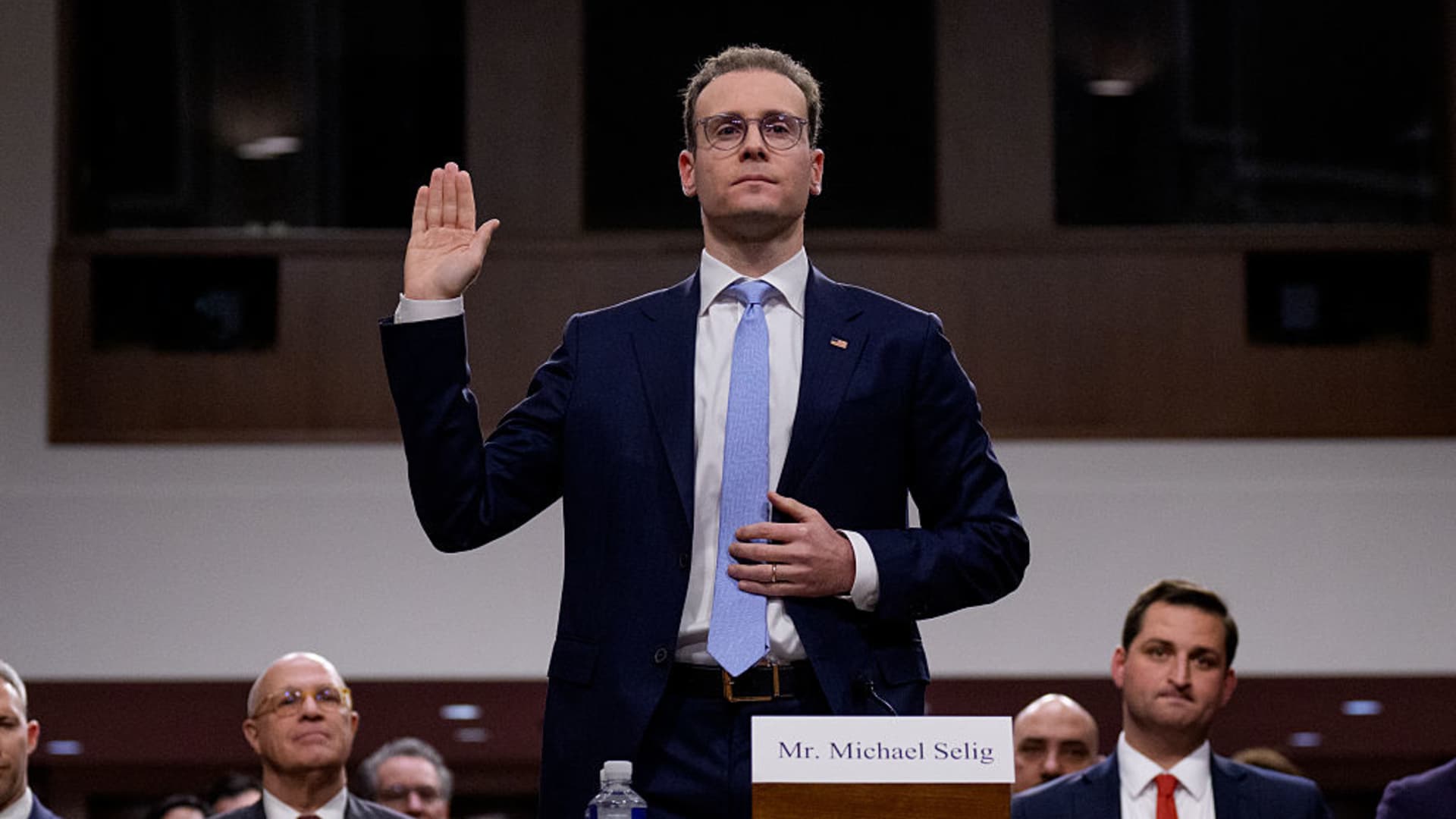
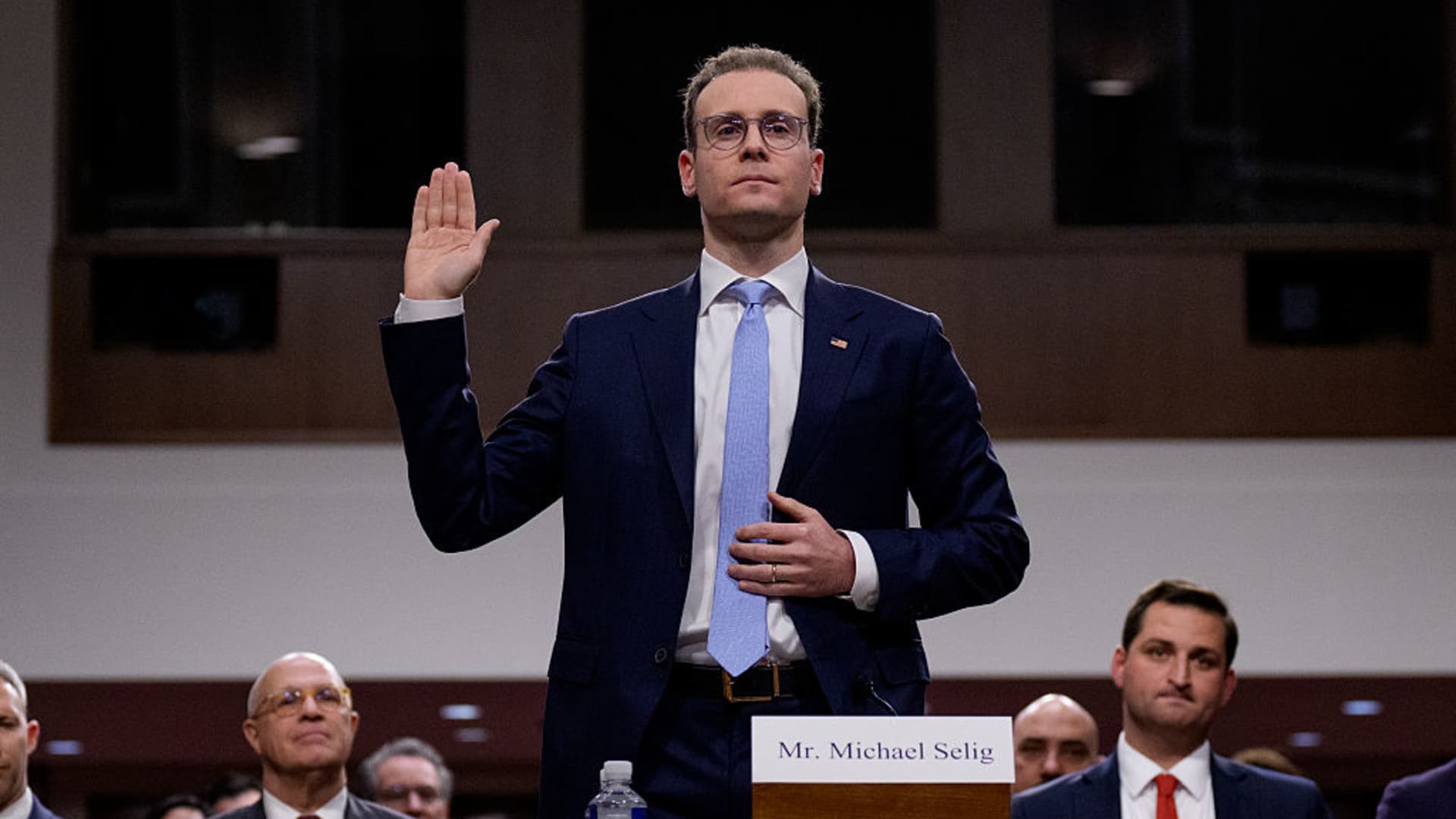
Commodity Futures Trading Commission (CFTC) Chair Michael Selig articulated a firm defense of the agency’s recent decision to approve perpetual futures contracts within the United States. Speaking on a recent broadcast, Selig emphasized that while established market participants often exhibit apprehension toward novel financial instruments, the imperative is to develop and regulate such products domestically. He stated, “It’s time to approve regulated futures contracts that have no expiration date. We’re going to make sure the product’s available, but it’s well regulated here in the U.S.” This directive aims to bring internationally developed financial products under the purview of robust U.S. regulatory frameworks, ensuring enhanced oversight and investor protection.
Market Context and Development
Perpetual futures, often referred to as “perps,” represent a class of derivative contracts that diverge from traditional futures by lacking a predetermined expiration date. This characteristic allows traders to maintain positions indefinitely, facilitating speculation on price movements without the necessity of owning the underlying asset. The CFTC’s approval in late May for the prediction market platform Kalshi to offer bitcoin perpetual futures marked a significant regulatory milestone, permitting this asset class to be traded within the U.S. for the first time. Kalshi has since broadened its offerings to include perps for other cryptocurrencies, underscoring growing market interest.
Market Reception and Regulatory Scrutiny
The introduction of perpetual futures in the U.S. has generated considerable market activity. Kalshi reported that its perpetual futures contracts facilitated over $3 billion in notional volume during a beta testing phase that lasted just over a week. However, the decision has not been without its critics. Terrence Duffy, CEO of CME Group, voiced strong objections, citing concerns regarding the substantial leverage inherent in these contracts and the associated risks. Selig, however, countered these apprehensions, dismissing the notion of a paternalistic regulatory approach that favors simpler instruments. He argued that complex products like options are already prevalent and that the focus will be on ensuring adequate disclosure and appropriate suitability assessments by brokers for retail clients engaging with these markets. Kalshi’s CEO also pointed out that the leverage offered on their platform is significantly less than that available on some traditional futures contracts offered by established exchanges.
Addressing Political Influence Allegations
Selig also firmly rejected suggestions that the CFTC’s decision to approve perpetual futures was influenced by political pressure, specifically referencing the involvement of Donald Trump Jr., a strategic advisor to Kalshi. Selig unequivocally dismissed such insinuations as “absolutely absurd,” asserting the integrity of the regulatory process.
Business Style Takeaway: The CFTC’s embrace of perpetual futures signifies a strategic move to modernize U.S. derivatives markets and capture innovation previously centered offshore. This regulatory evolution presents both opportunities for sophisticated investors seeking new hedging and speculation tools and challenges for existing market structures to adapt or risk obsolescence.
Source: : www.cnbc.com