


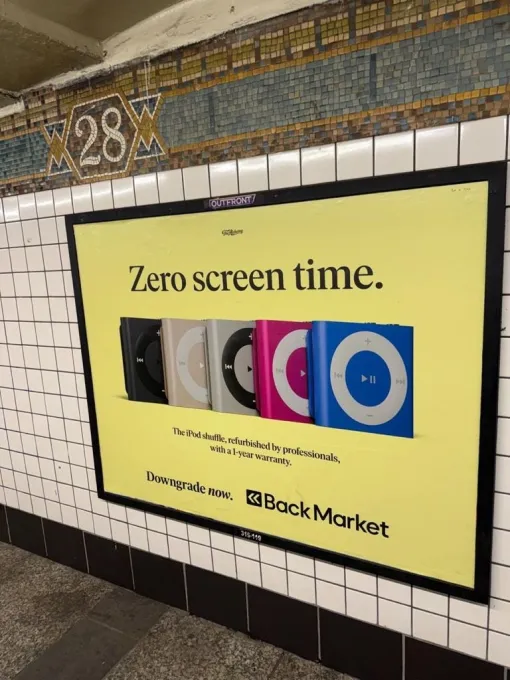
The serendipitous discovery of an advertisement for the iPod Shuffle, a device conceived over two decades prior, in a bustling New York City subway station, prompted reflection from its creator, Tony Fadell. The ad’s promise of “zero screen time” stood in stark contrast to the ubiquitous scene of commuters engrossed in their smartphones, streaming vast music libraries via Bluetooth headphones—a paradigm shift from the iPod’s revolutionary “one thousand songs in your pocket” tagline.
The Resurgence of “Slow Tech”
This encounter highlights a growing sentiment of digital fatigue. As our lives become increasingly mediated by screens and algorithms, a counter-movement is emerging, characterized by a desire for more mindful technology engagement. Joy Howard, CMO of Back Market, an online marketplace for refurbished electronics, observes that consumers are actively seeking to reduce the constant stimulation and optimization pressure associated with modern devices.
The demand for seemingly obsolete technologies like the iPod Shuffle, evidenced by premium advertising placements, suggests a broader market appetite for experiences that do not vie for constant attention. For younger generations unfamiliar with a world pre-social media and smartphones, older technologies like wired headphones, retro gaming consoles, and physical media offer a nostalgic escape. This “slow tech” philosophy, as Howard terms it, reinterprets friction not as a flaw, but as a feature that enables personal boundaries and a more intentional relationship with technology.
The Paradox of Friction and Intentionality
This shift is exemplified by individuals like Austin Murray, who co-founded one of the early mobile gaming companies, JAMDAT. Now, Murray is developing an app to reduce screen time, aiming to counteract the very phenomenon he helped pioneer. He identifies the issue not as a lack of willpower, but as a product design problem inherent in pervasive digital platforms.
The desire to reduce screen time is widespread, with a significant portion of adults expressing this preference. For some, this involves adopting minimalist devices like the Light Phone, which offers core communication features without the distractions of a smartphone. Kaiwei Tang, co-founder of Light, notes surprising traction among younger demographics, suggesting a generational desire for digital minimalism.
Others, like writer Calvin Kasulke, employ screen-limiting applications, acknowledging the “embarrassment” of needing such tools but valuing the regained control. This sentiment underscores a broader frustration with the intentionally addictive design of many digital products. While some opt for extreme measures like switching to “dumb phones,” others seek a middle ground, employing sophisticated hardware designed to augment functionality without exacerbating screen dependency.
AI as a Potential Tool for Digital Well-being
The emergence of AI-powered tools, such as the “Mark” AI bookmark, presents an interesting dichotomy. While AI is often associated with the relentless pace of “fast tech,” proponents argue that AI can also serve to simplify lives and facilitate disconnection. Eason Tang, founder of Mark, frames his product as an analog tool designed to integrate with cultural practices like reading, aiming to reduce the temptation to pull out a smartphone for note-taking.
Howard echoes this sentiment, suggesting that AI can be leveraged to create tools that “serve us and not to dominate us.” In this context, AI agents could potentially help users reclaim their time and attention from digital fatigue and overwhelm, enabling greater control over their digital interactions. This perspective aligns with the broader “slow tech” movement’s objective of pushing back against constant digital distraction.
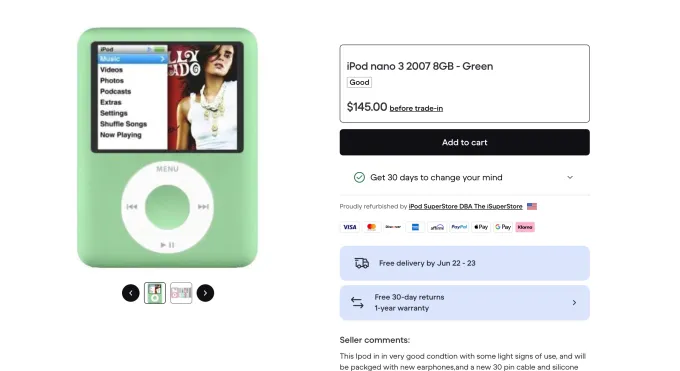
Furthermore, consumer disillusionment with planned obsolescence and the constant push for newer hardware fuels interest in refurbished electronics and innovative software solutions, such as Back Market’s use of ChromeOS Flex to extend the lifespan of older laptops. Even unconventional applications of AI, like repurposing outdated hardware such as rice cookers, demonstrate a growing desire to maintain technological functionality and resist the industry’s cycle of forced upgrades.

Ultimately, the desire to disconnect and regain control over one’s time and attention appears to be a significant market force. The embrace of “slow tech,” whether through minimalist devices, intentional friction, or the strategic use of AI, signals a profound shift in consumer values, moving away from ubiquitous connectivity towards a more balanced and mindful integration of technology into daily life.
Business Style Takeaway: The growing “slow tech” movement indicates a significant market opportunity for products and services that prioritize user well-being and intentionality over constant engagement. Businesses that can offer solutions enabling digital decluttering, mindful consumption, or hardware longevity may find receptive audiences among consumers seeking greater control over their digital lives.
Original article : techcrunch.com