

The residences of Elvis Presley trace a remarkable trajectory from humble beginnings to opulent sanctuaries. While Graceland remains his most iconic address, a survey of his former homes reveals a consistent appreciation for architectural presence and the creation of personal havens.
The Genesis of a Legend: Tupelo, Mississippi
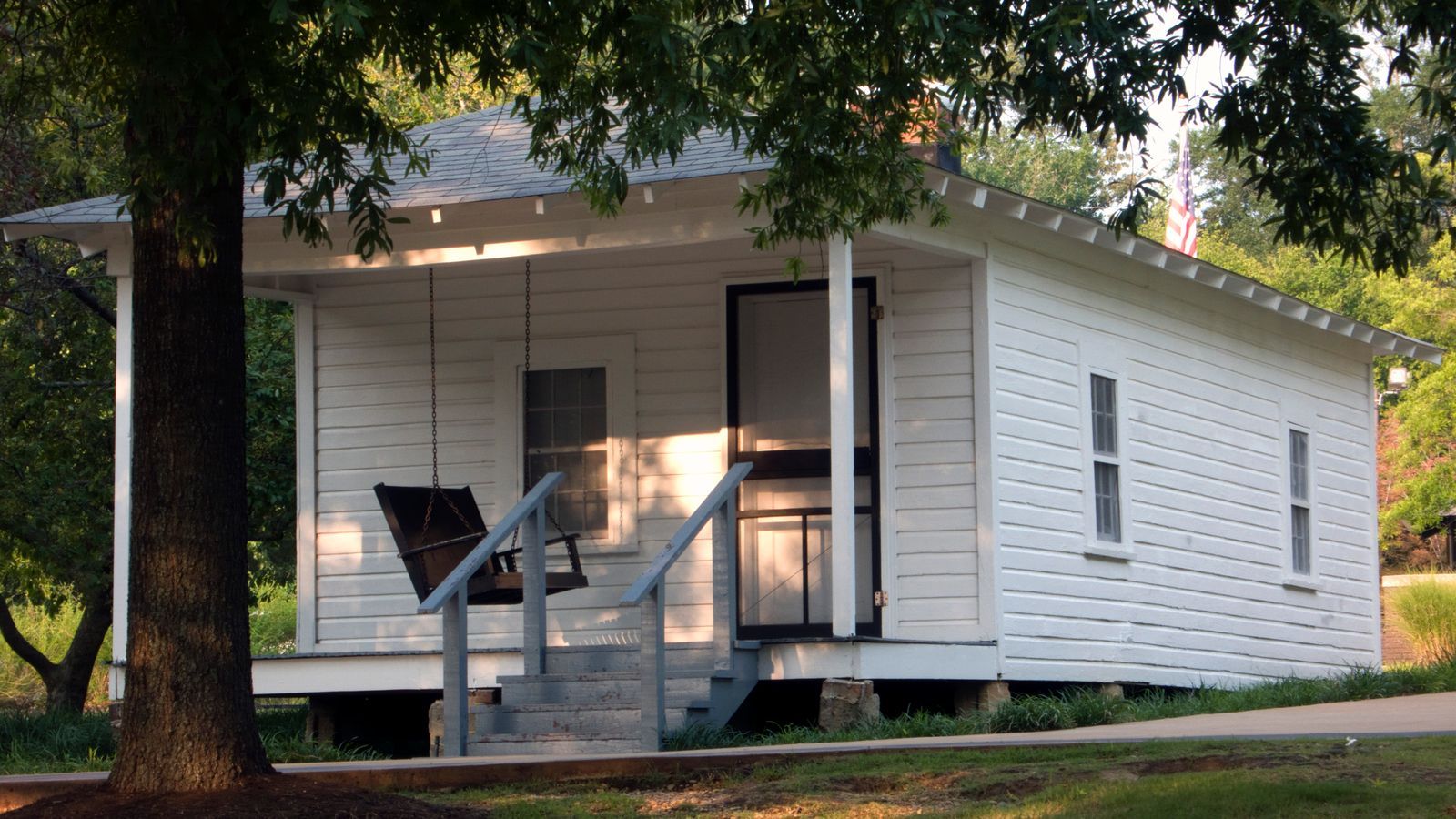
Elvis Presley’s formative years were spent in a modest two-room dwelling in Tupelo, Mississippi. This initial abode, built with familial support, represents the nascent stages of his journey before financial success reshaped his living environments. The preservation of this site today underscores the enduring significance of humble origins.
Transition to Memphis: Lauderdale Courts
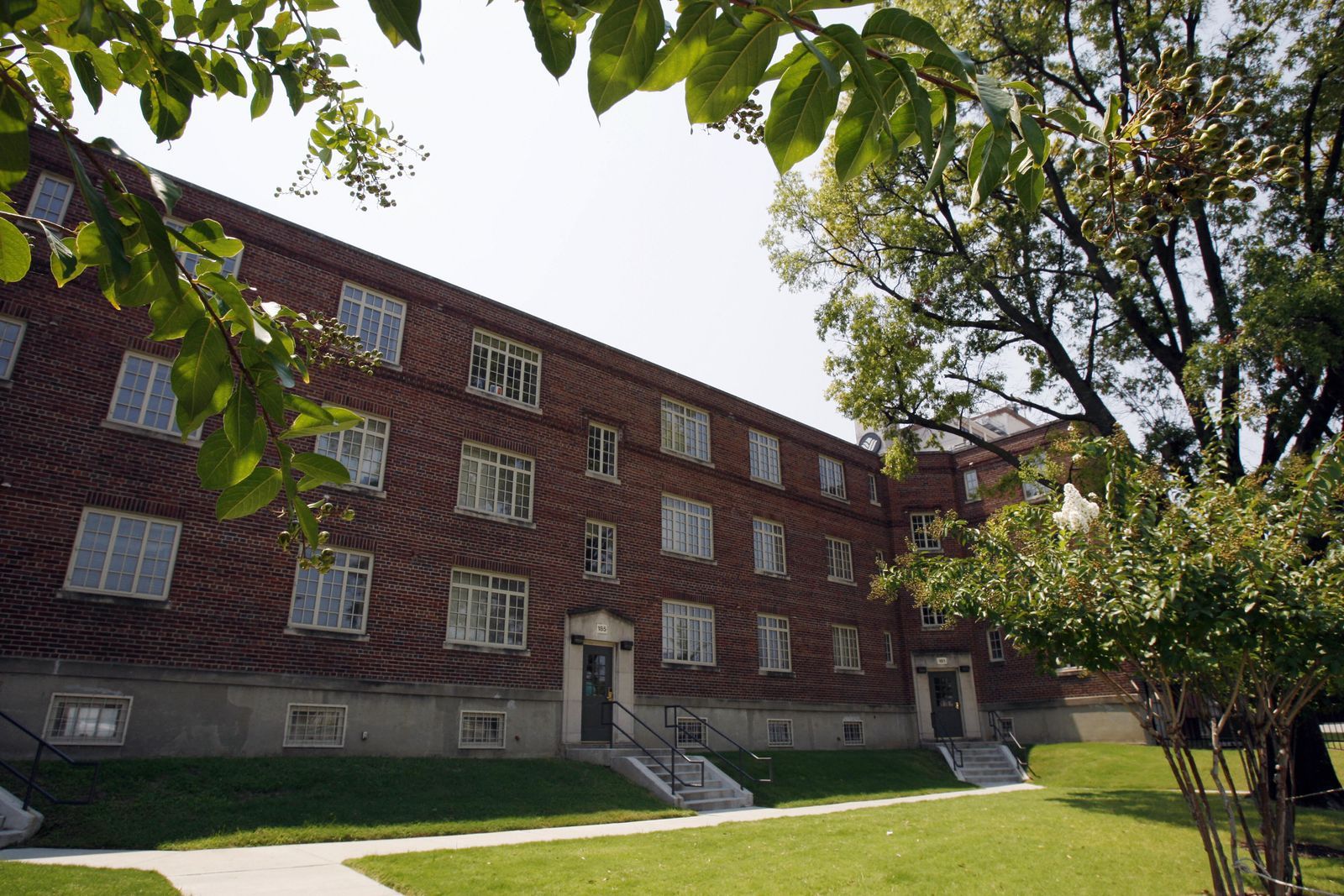
The Presley family’s relocation to Memphis led them to Lauderdale Courts, a Georgian Revival-style complex representing one of the United States’ early federal housing projects. This period marked a step towards greater stability, with the apartment serving as a more permanent base before the family’s subsequent moves. The ongoing accessibility for tours highlights its historical importance.
Ascension to Prominence: Audubon Drive
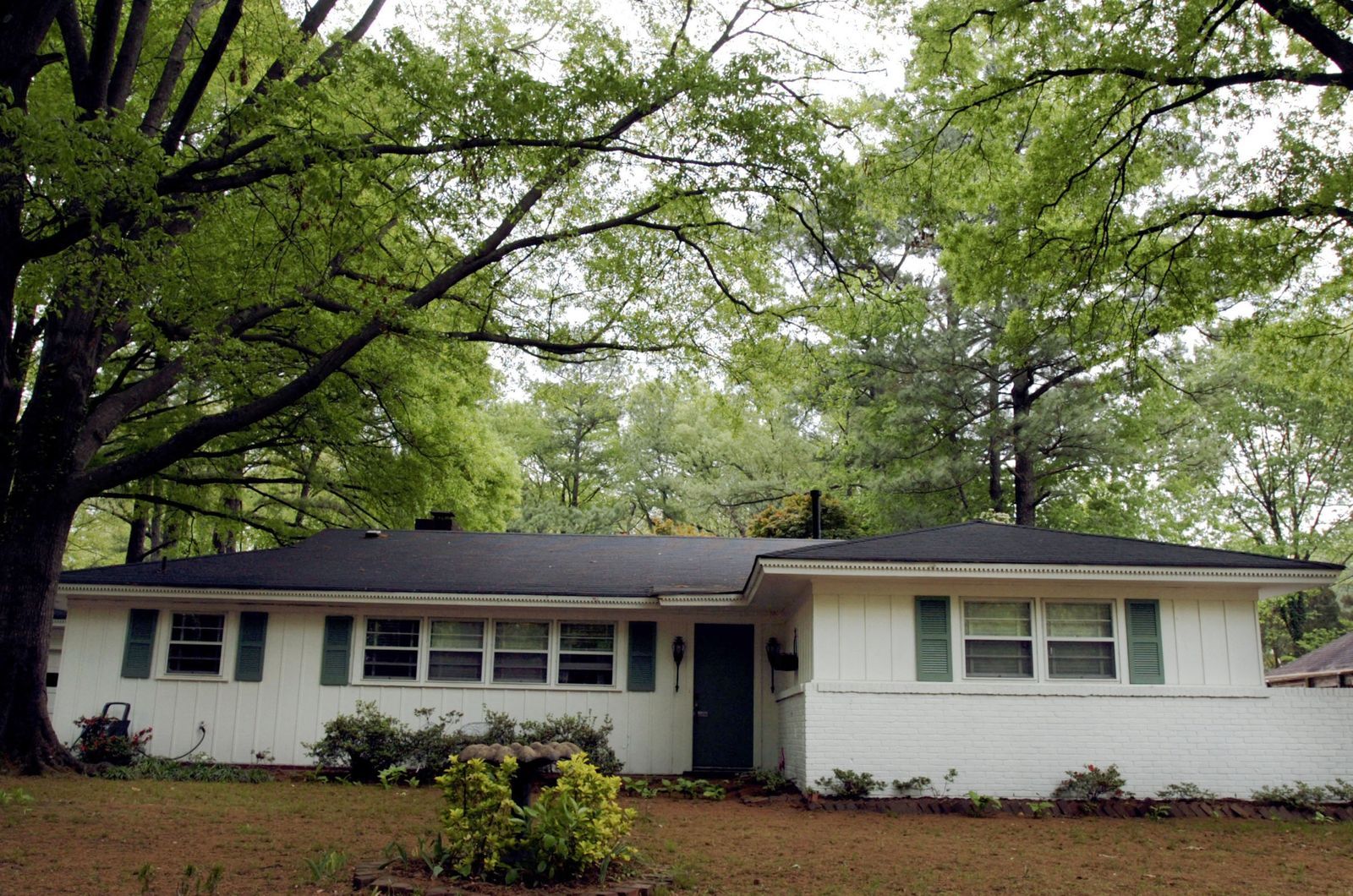
The purchase of 1034 Audubon Drive in Memphis, funded by the success of “Heartbreak Hotel,” signaled a significant shift. This ranch-style residence, equipped with four bedrooms and two and a half baths, offered a more refined living space. The addition of a pool and later, a fence, reflects the growing demands of fame and the desire for privacy.
The Ultimate Icon: Graceland, Memphis
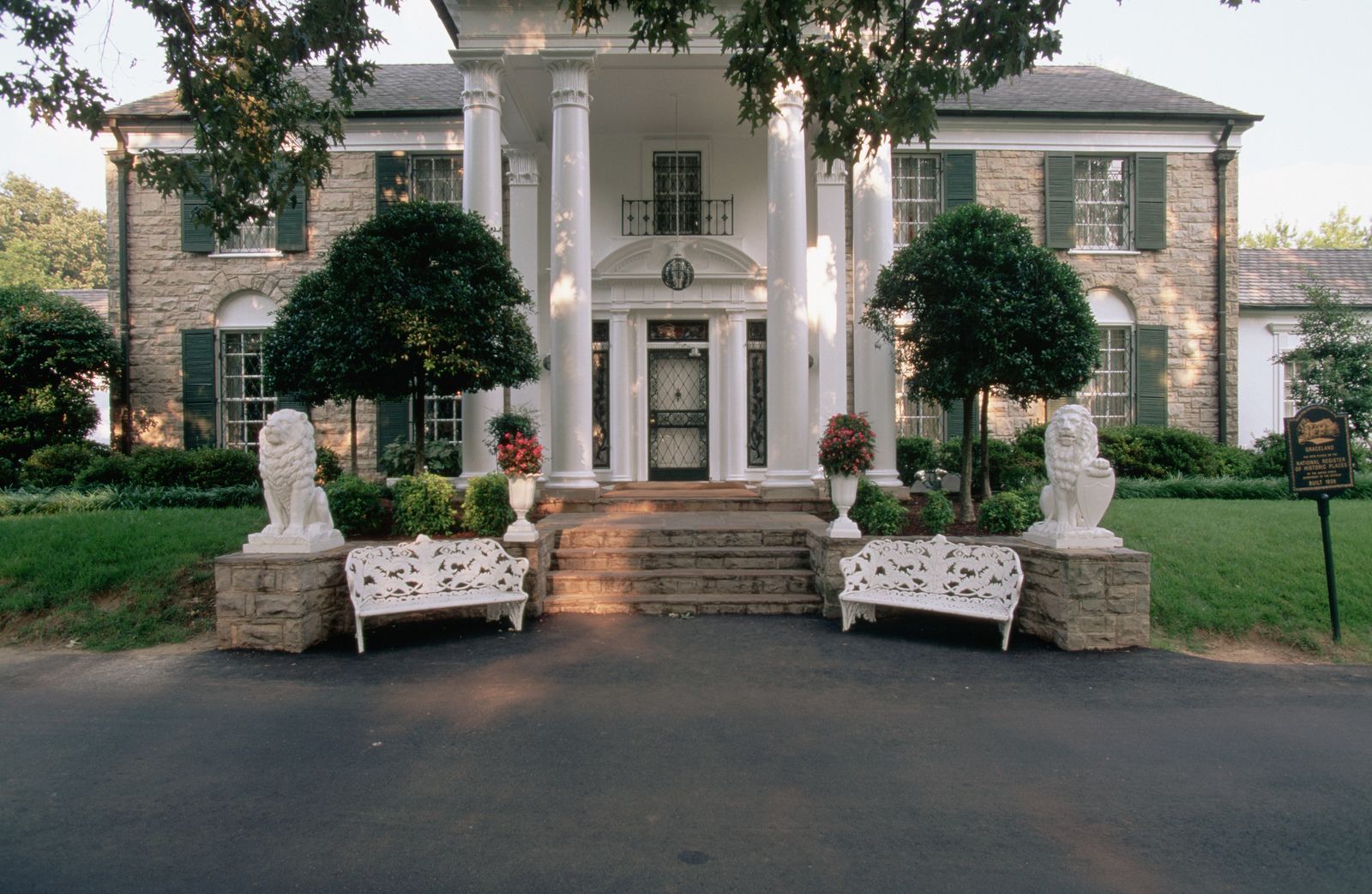
Acquired in 1957, Graceland became the ultimate expression of Elvis Presley’s persona. This Colonial Revival mansion, originally built in 1939, was meticulously expanded and personalized by Presley. The iconic gates, the distinctive pink flagstone walls, and the lavish interior renovations, including the renowned Jungle Room, transformed the estate into a private world. It was here that Presley found solace and creative inspiration, and it remains his final resting place and a global pilgrimage site.
The Jungle Room: A Statement of Eclectic Design
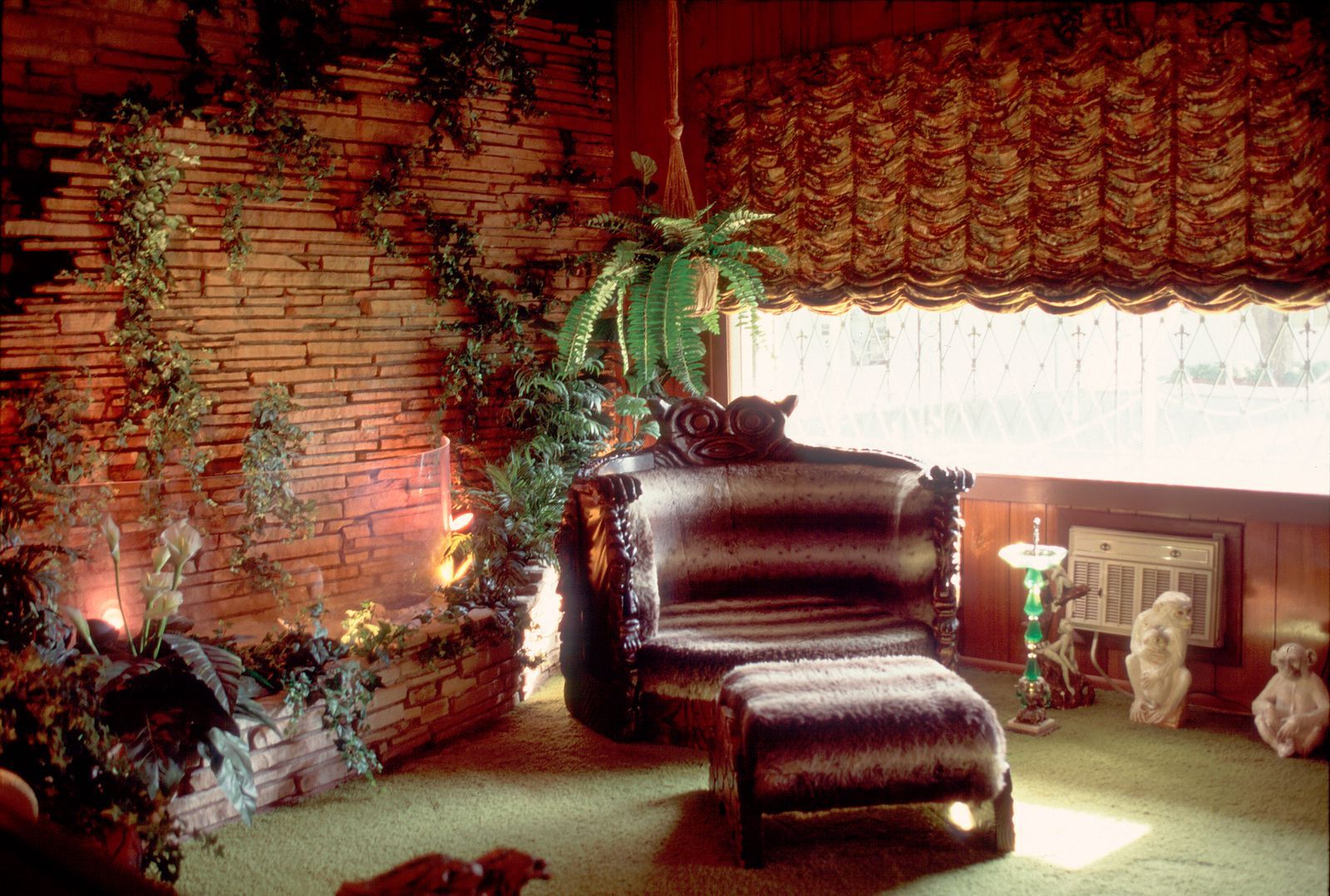
Within Graceland, Presley curated spaces of distinct character. The living room featured custom furnishings and dramatic drapery, while designer Bill Eubanks contributed to the sophisticated billiards room and the visually arresting TV room. The den, famously known as the Jungle Room, evolved from a screened porch into an enclosed sanctuary with a Hawaiian theme, even serving as a personal recording studio, embodying Presley’s desire for an exotic retreat.
Global Residences: Military Stays and Bel Air Enclaves
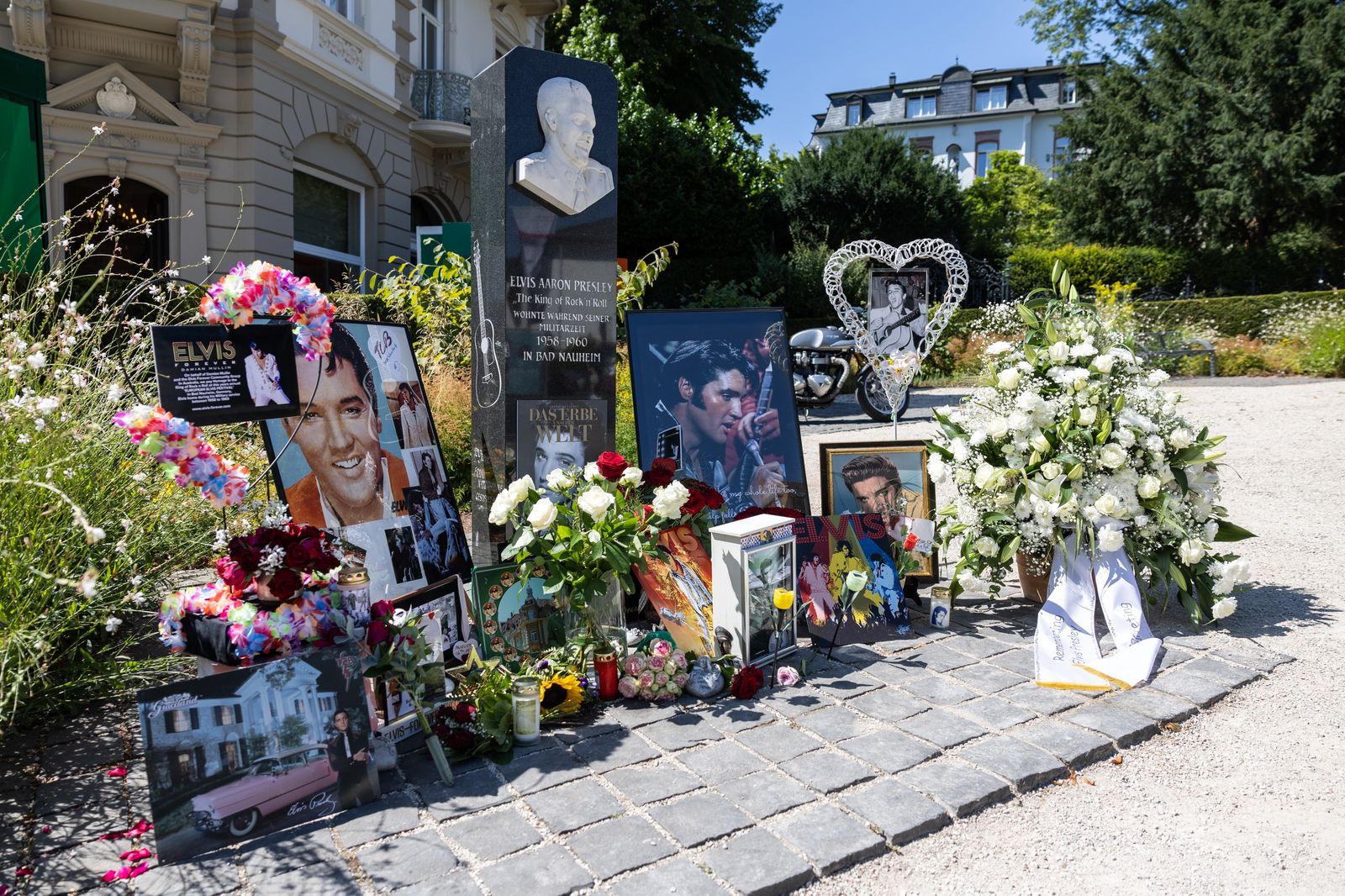
During his military service, Presley resided at Goethestrasse 14 in Bad Nauheim, Germany, a significant period where he met his future wife. Later, his time in Los Angeles included residences in Bel Air. A modern, semicircular home on Perugia Way hosted the legendary meeting with The Beatles, while a Wallace Neff-designed Italian Renaissance mansion on Bellagio Road had previously housed luminaries like Howard Hughes, showcasing an appreciation for architecturally significant properties.
California Retreats: Palm Springs and Beverly Hills
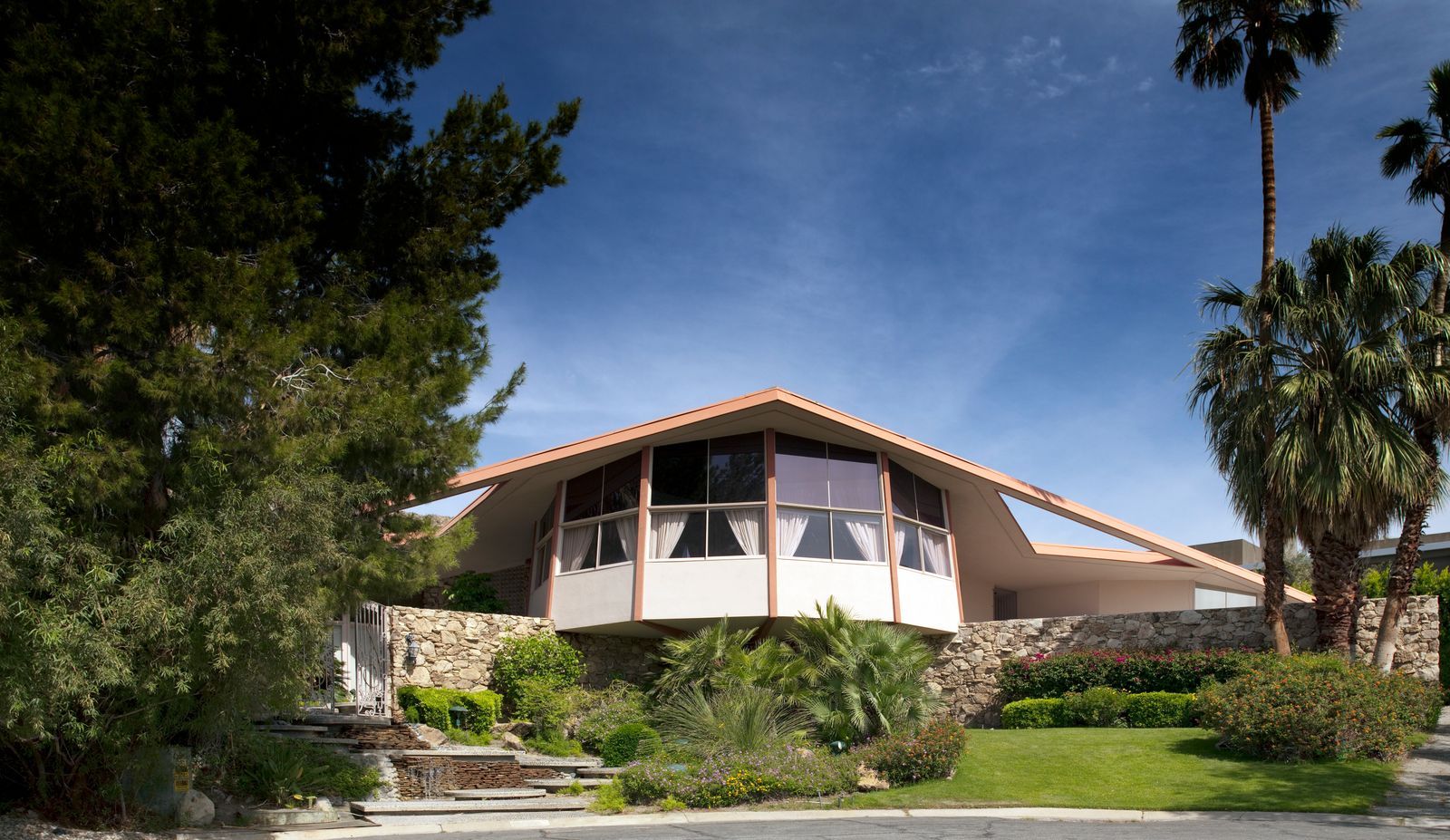
Presley’s engagement with California’s architectural landscape included a stint in Palm Springs at the “House of Tomorrow,” a modernist marvel designed by William Krisel, notable for its distinctive roofline and curved walls. He also owned a home in the Trousdale Estates of Beverly Hills, a Rex Lotery-designed residence blending modernism and French Regency elements, and a New England-style home on Monovale Drive that he shared with his family.
Desert Modernism: West Chino Canyon Road, Palm Springs
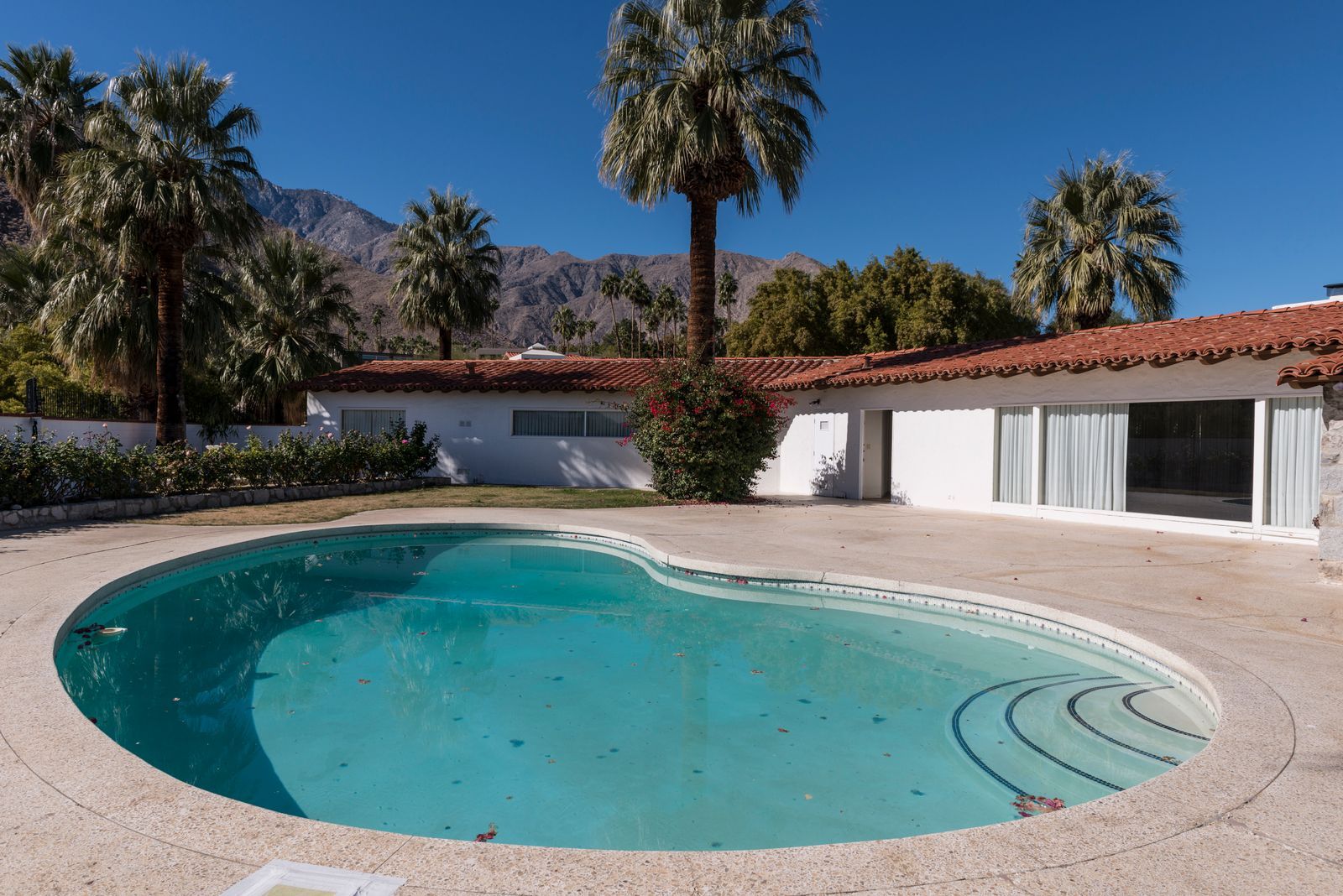
The property on West Chino Canyon Road in Palm Springs, once owned by Ray Kroc, was designed by Albert Frey, a pioneer of Desert Modernism. Presley’s acquisition of this four-bedroom Spanish Colonial residence further demonstrated his appreciation for distinct architectural styles situated in desirable locales.
Business Style Takeaway: Elvis Presley’s housing choices reflect a sophisticated evolution, mirroring his ascent to global stardom. From foundational dwellings to meticulously designed estates, his residences illustrate how architectural style and interior design can serve as potent extensions of personal branding and aspirational living.
Based on materials from : www.architecturaldigest.com