

The pursuit of wellness is inherently aimed at fostering a greater sense of well-being, centering, and vitality. However, for many women, it has paradoxically become a significant source of stress and overwhelm.
The constant influx of information, from dietary trends like gluten avoidance and glucose monitoring to the latest supplement recommendations and cold plunge protocols, can leave individuals feeling inadequate and perpetually trying to “keep up.” This often transforms wellness from a practice of feeling good into a performance metric.
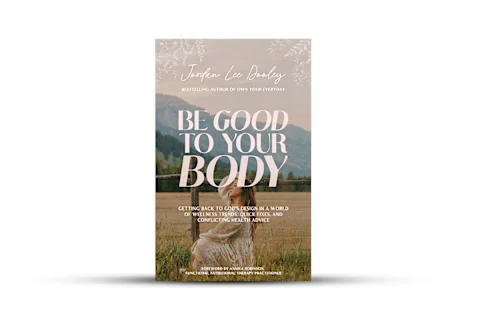
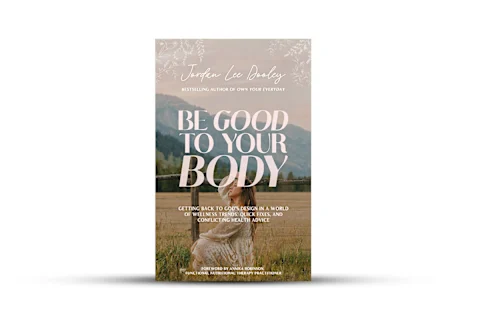
Jordan Lee Dooley’s book, “Be Good to Your Body,” offers a refreshing counterpoint to this trend. Dooley, a bestselling author and podcast host, champions a more grounded and grace-filled approach to well-being, emphasizing the profound interconnectedness of physical, emotional, and spiritual health.
Her core philosophy is that by focusing on fundamental aspects of health, we can cultivate a stronger sense of self and presence in our bodies. As she articulates, “In a world of endless fads and health trends, my best advice to reduce overwhelm is to prioritize the big stuff first.”
Here are key insights from her work, offering a pathway to a more sustainable and less stressful approach to wellness.
Focus on Foundational Practices Over Fleeting Trends
Dooley distinguishes between “timeless” wellness habits and those that are merely trendy. While the wellness industry perpetually introduces novel tools and protocols, she posits that these often divert attention from the essential practices that yield the most significant long-term benefits.
She cautions against the allure of advanced or faddish interventions, advising that foundational habits should always take precedence. This perspective aligns with the principle of building a robust wellness regimen on a solid base.
Key foundational principles recommended include:
- Consistent hydration
- Prioritizing whole foods
- Optimizing sleep and natural circadian rhythms
- Regular engagement with nature
- Daily physical movement
- Nurturing meaningful social connections
- Creating a supportive home environment
These are not glamorous techniques, and many are accessible without cost. However, their cumulative effect provides a powerful and enduring foundation for overall well-being.
Shedding the Pressure to “Earn” Your Health
A central theme in “Be Good to Your Body” is the detrimental impact of wellness perfectionism. The pursuit of an idealized state of health can, ironically, lead to greater distress and disconnection from one’s body.
For many, health becomes inextricably linked with productivity, self-discipline, and self-worth. This creates an internal pressure to meticulously optimize every life aspect—diet, exercise, product choices—and avoid any perceived “off-track” moments.
Dooley challenges the notion that wellness must be continually “earned” through relentless self-improvement. Instead, she advocates for simplification and reducing the mental burden associated with health goals, moving away from rigid rules towards a more intuitive and supportive approach.
Practical steps to embrace this mindset include:
- Avoiding attempts at drastic, simultaneous overhauls
- Valuing consistency over extreme intensity
- Focusing on habits that promote groundedness, energy, and support
- Curating digital content intake by unfollowing sources that induce anxiety or feelings of inadequacy
- Allowing routines to adapt organically to life’s changing seasons
The book wisely notes, “There will likely be other times where all we can manage to maintain is the basics. And that’s totally okay too.”
Integrating Spiritual Well-being into Holistic Health
While “Be Good to Your Body” addresses physical health, it importantly underscores that true wellness is an integrated experience encompassing mind and spirit. Dooley emphasizes, “You cannot be holistically well if your pursuit of physical health is harming your spiritual, mental, or relational health.”
This serves as a critical reminder in a culture that can sometimes elevate “healthy living” to an all-consuming and isolating pursuit. If wellness practices generate anxiety, isolation, or disconnection, they may not genuinely be supporting overall well-being.
Dooley advocates for a holistic approach that harmonizes physical care with practices that foster connection and introspection.
This integrated approach might involve:
- Enjoying walks without the pressure of tracking them
- Sharing meals and time with loved ones
- Spending restorative time outdoors
- Establishing technology-free periods during the day
- Prioritizing spiritual practices that cultivate inner peace and grounding
The goal is to ensure that wellness practices serve to enhance life rather than becoming its sole focus.

A Recommended Read for Sustainable Well-being
While advanced tools and biohacking techniques can have their place and may be supportive, particularly if they are enjoyable, Dooley’s “Be Good to Your Body” reinforces that their efficacy is maximized when built upon a strong foundation of fundamental health practices, not as substitutes for them.
True wholeness is achieved by focusing on essential elements like nourishment, connection, and self-care. For those seeking a more balanced and meaningful approach to wellness, “Be Good to Your Body” offers profound insights into how caring for oneself can be an act of stewardship, how simplicity can be inherently healing, and how wellness can profoundly enrich one’s life.
Business Style Takeaway: Prioritizing foundational wellness habits like consistent hydration, adequate sleep, and mindful movement can significantly enhance executive focus and resilience. By simplifying health pursuits and reducing the pressure for perfection, leaders can manage stress more effectively, leading to sustained productivity and improved cognitive performance.
Original article : www.mindbodygreen.com