

In a vibrant corner of South-East London, an artist’s conversation about painting a coffin for a local trader is not an anomaly, but rather a testament to the evolving narrative of the high street.
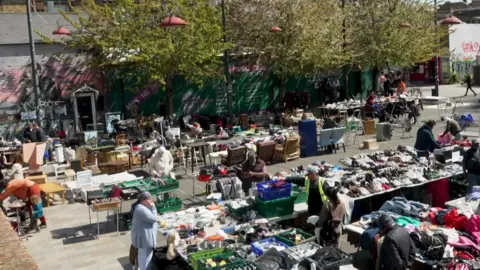
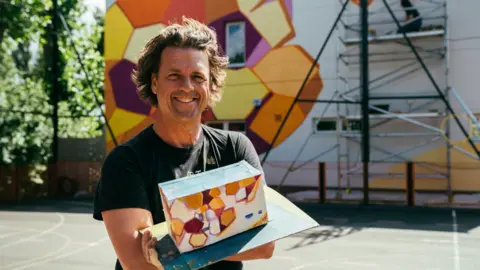
Artist Patricio Forrester, known for his vibrant murals that have adorned South-East London for two and a half decades, infuses the local landscape with colour and community spirit. His initiative, Artmongers, transforms public spaces into canvases that reflect the lives and stories of the people who inhabit them.
 Helen Murray
Forrester emphasizes that these artistic endeavours are more than just decoration; they are catalysts for social cohesion. “The high street comes together as a community,” he explains. “Everybody is surviving together. In the hard times people look after each other, and in the thriving times, we share as well.”
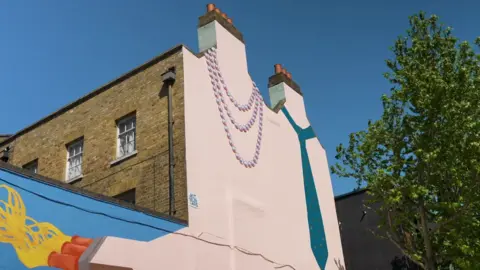
As the government prepares to unveil a new strategy aimed at revitalizing the nation’s high streets, retail consultant Mary Portas underscores the fundamental shift in their purpose. “It’s not about what those high streets sell, it’s about the social interaction above anything else,” she asserts. Portas highlights the increasing need for connection among an aging population, young families, and individuals seeking communal experiences, a sentiment amplified in the post-pandemic era.
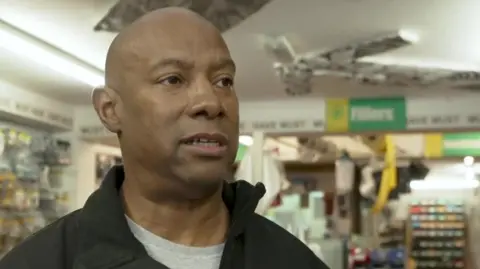
The funding for Forrester’s art projects often stems from the community itself, with residents contributing through crowdfunding and local businesses donating materials. Neville Johnny, proprietor of Johnny’s DIY shop, is a regular supporter, providing paint that has helped transform neglected areas into vibrant community hubs. He recalls a time when the locale was “run down, unkept, it wasn’t a place you wanted to hang around,” but now it’s a destination that “attracts people.” Forrester adds that “looking at the artwork is part of that experience” for visitors seeking both bargains and engagement.
Portas notes that while “London has always been good at regeneration,” the definition of a successful high street has evolved. It’s no longer solely about retail, but about fostering a “great real mix of stuff” that encourages genuine interaction.
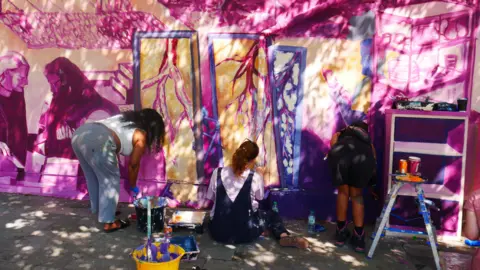 London School of Muralism
Dr. Jack Brown, a lecturer in London Studies at King’s College London, notes that while the government has pledged £150m towards supporting high streets, the underlying issue often boils down to accessible funding and community engagement. Deptford’s experience exemplifies how local involvement and creative placemaking can be as crucial as financial investment in breathing new life into urban centres.
Business Style Takeaway: The transformation of high streets is shifting from a retail-centric model to one that prioritizes community and experiential engagement. Brands and businesses looking to resonate globally must recognize that fostering authentic connections and integrating cultural elements into their physical and digital spaces can drive foot traffic, build loyalty, and create a unique sense of place.
Based on materials from : www.bbc.com