

Premarket Movers and Market Implications
Market activity in the pre-trading session revealed notable shifts across several key sectors, driven by a confluence of analyst upgrades, significant capital expenditure plans, and regulatory developments. These movements offer critical insights into prevailing investor sentiment and potential future market trajectories.
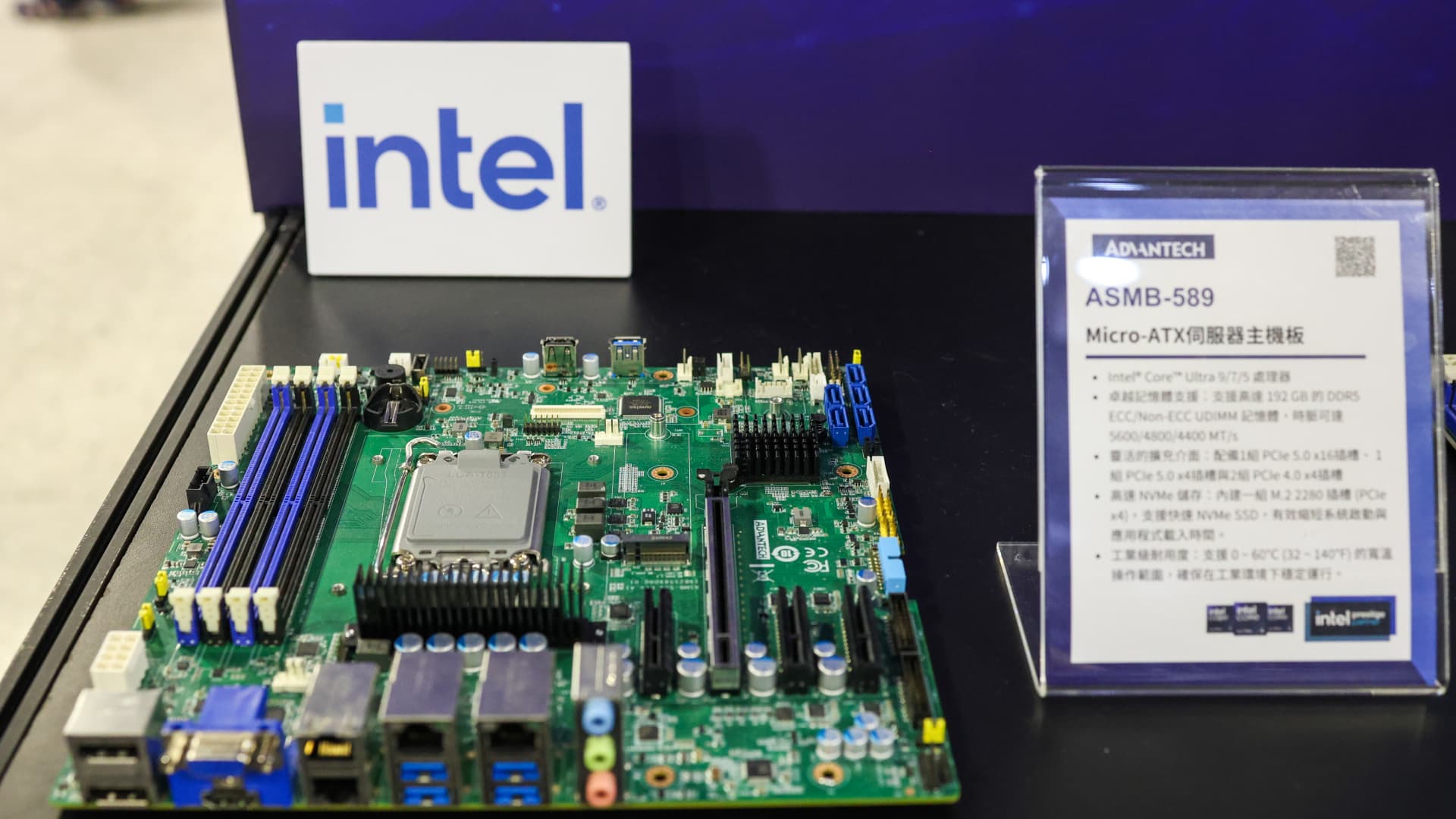
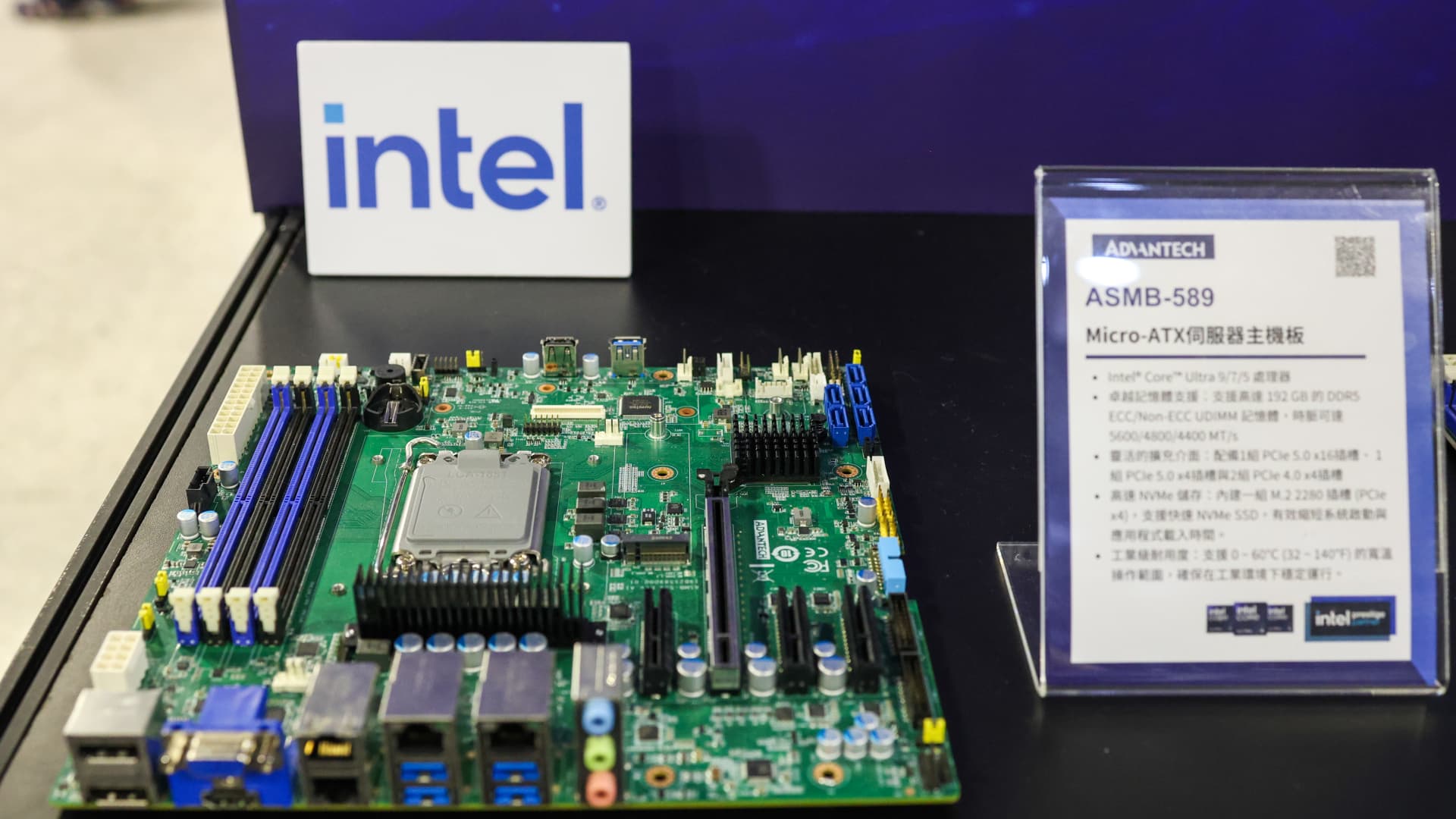
Intel Corporation experienced a substantial surge, nearly 5%, following a double upgrade to “buy” from “underperform” by Bank of America. This recalibration appears to be anchored in the perceived acceleration of demand for central processing units, directly correlated with the escalating emphasis on agentic artificial intelligence capabilities.
Conversely, Oracle Corporation saw its shares decline by approximately 8%. Despite this downturn, the software giant announced intentions to secure an additional $20 billion through equity and debt issuance to finance its artificial intelligence infrastructure expansion. Notably, Oracle surpassed analyst expectations for both revenue and profit in the last quarter, concurrently raising its adjusted profit forecast for the fiscal year, indicating underlying operational strength amidst strategic capital allocation.
The robust capital expenditure plans announced by Oracle had a ripple effect, particularly benefiting chip equipment manufacturers. Stocks such as Applied Materials and Lam Research each climbed nearly 5%, KLA advanced 4%, and ASML Holding saw gains exceeding 3%, reflecting heightened investor confidence in the semiconductor supply chain’s ability to meet burgeoning AI-driven demand.
Navan, the travel management platform, recorded a significant 19% jump in its stock price. This appreciation was fueled by a second-quarter and full-year revenue forecast that exceeded FactSet consensus estimates, alongside a reported beat on non-GAAP earnings and revenue for the first quarter.
Alcoa‘s stock added 2%, recouping some losses from the previous session where it fell 9.5%. Morgan Stanley characterized the prior day’s pullback, attributed to pressure on Alcoa’s alumina business, as “overdone” and maintained a “buy” rating on the stock.
In contrast, Chinese technology companies faced headwinds, with U.S.-listed shares experiencing declines amid escalating concerns over regulatory oversight. Reports indicated that Beijing’s market regulation administration had summoned major e-commerce platforms. Consequently, Alibaba’s shares fell 3.5%, JD.com dropped nearly 2%, and Baidu and PDD Holdings each slipped around 1%.
The space sector displayed positive momentum, with shares trending upward ahead of SpaceX’s anticipated initial public offering. Intuitive Machines rose nearly 5%, while Redwire, Rocket Lab, and AST SpaceMobile each gained approximately 4%, suggesting renewed investor interest in space exploration and related technologies.
Memory chipmakers also recovered ground after a broad sector selloff on Wednesday. Sandisk surged 5%, while Western Digital, Seagate Technology, and Micron Technology each saw gains of about 3%.
Market Reaction and Analyst Perspectives
The premarket activity highlights a bifurcated market sentiment. While the AI narrative continues to drive significant investment in semiconductor and related equipment sectors, potential regulatory headwinds and capital allocation strategies are creating divergence in stock performance.
The upgrade for Intel underscores a growing belief in the cyclical recovery of the semiconductor industry, particularly as AI applications become more pervasive and demanding. This suggests a potential upward revision in earnings expectations for companies positioned to capitalize on this trend.
Oracle’s situation presents a classic case of growth investment requiring substantial capital outlay. Investors are weighing the long-term potential of its AI buildout against the immediate financial implications and dilution concerns. The company’s ability to execute on its strategic vision and translate increased CapEx into future revenue growth will be critical.
The regulatory scrutiny faced by Chinese tech firms serves as a reminder of the geopolitical and governance risks inherent in investing in certain international markets. The transparency and stability of the regulatory environment remain paramount for investor confidence.
The rally in space company stocks, prior to a major IPO, indicates speculative interest and optimism surrounding the commercialization of space. This sector, while nascent, presents high-growth potential but also carries significant execution and funding risks.
Business Style Takeaway: Investors are navigating a complex landscape where the transformative potential of AI fuels capital allocation and market rallies, yet regulatory pressures and the cost of innovation create significant volatility across sectors. Strategic positioning requires a keen understanding of both technological advancement and the evolving global regulatory and capital markets environment.
Details can be found on the website : www.cnbc.com