

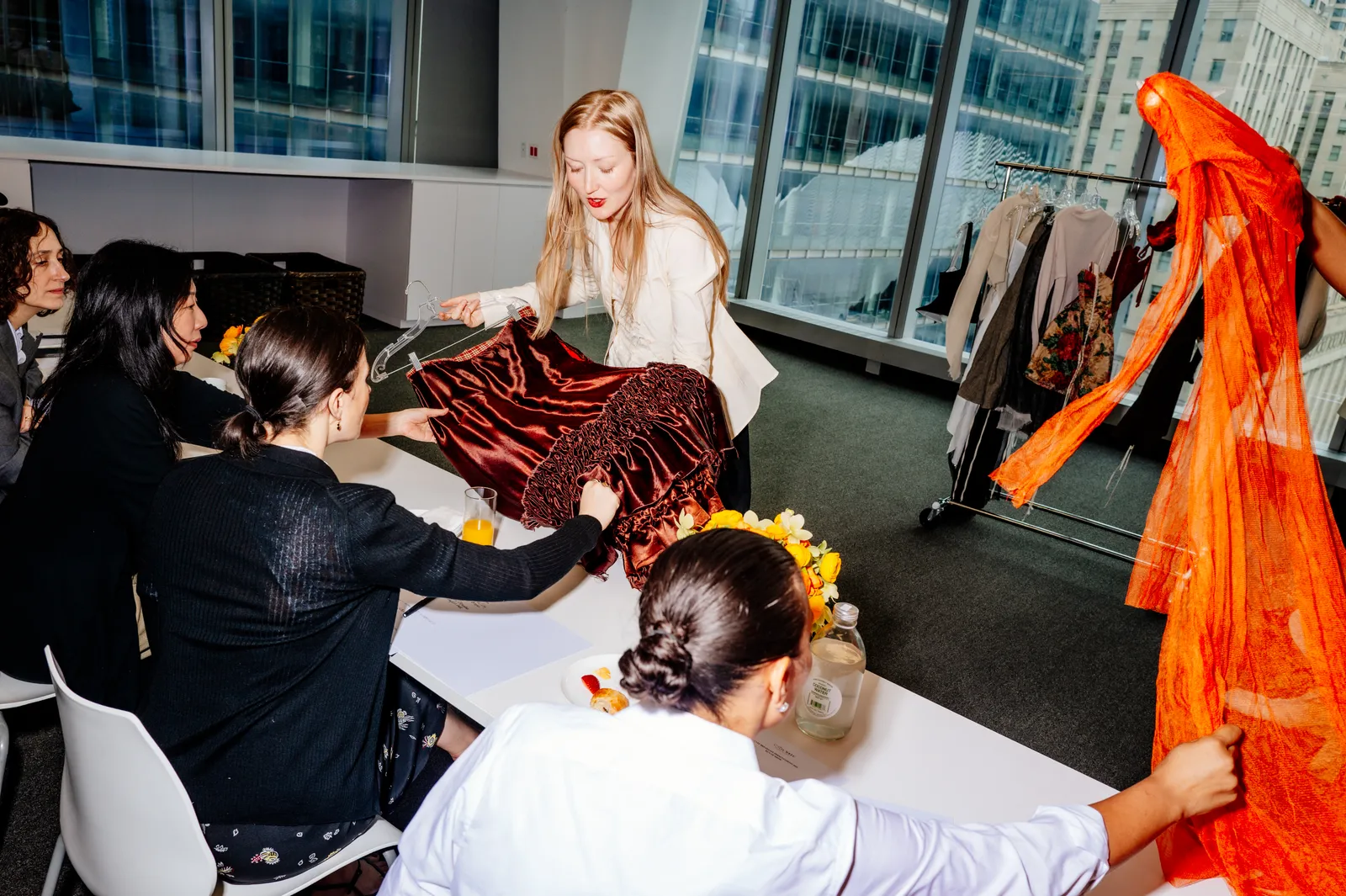
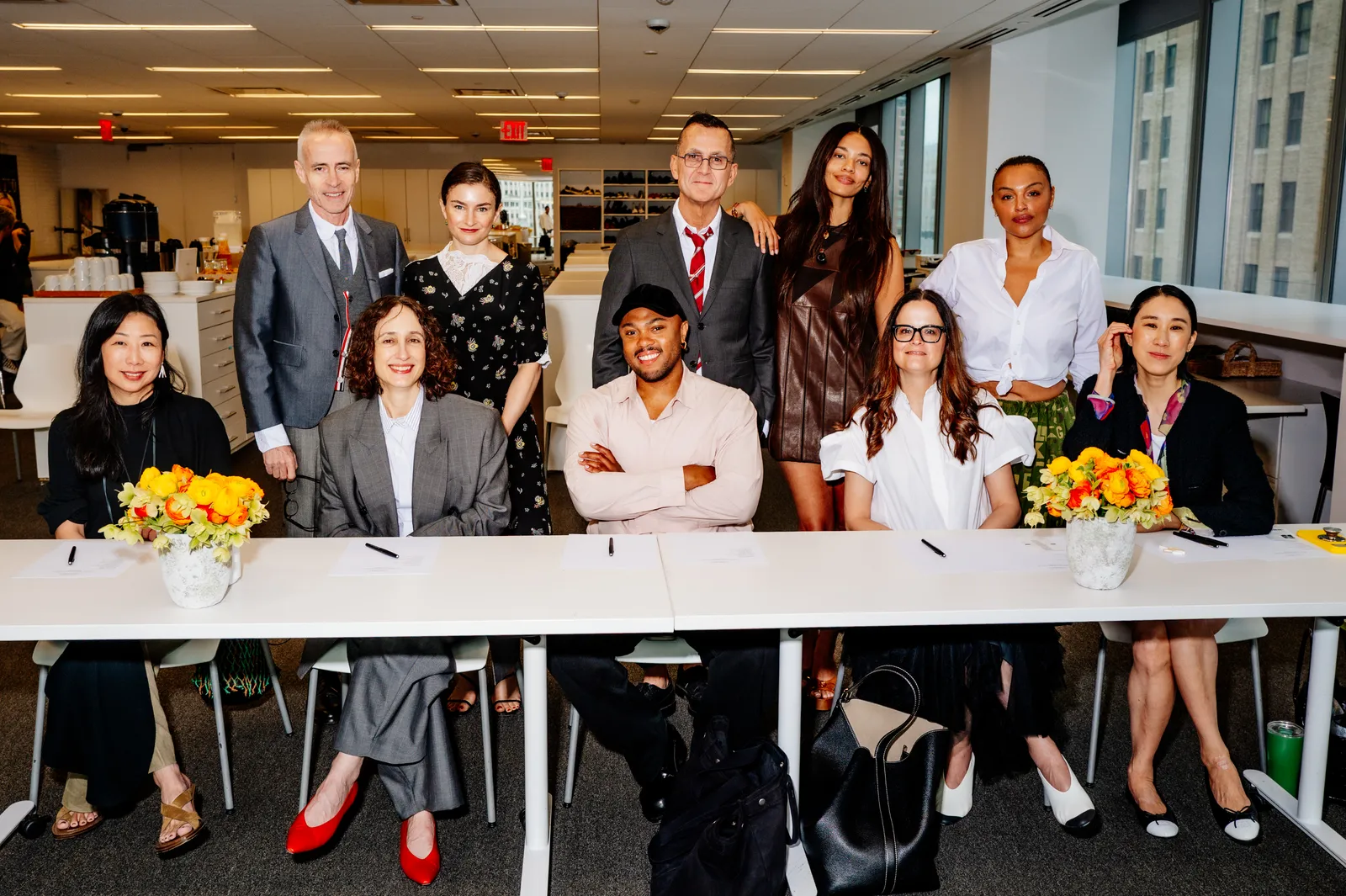
The iconic CFDA/Vogue Fashion Fund once again highlighted the burgeoning talent within American fashion. Finalists convened at the prestigious One World Trade Center, tasked with articulating the past, present, and future of their respective brands. This esteemed program, now in its 22nd year, continues its mission to champion emerging U.S.-based designers. Notable past recipients include Proenza Schouler, Joseph Altuzarra, and Christopher John Rogers, who this year lent his discerning eye as part of the judging panel.
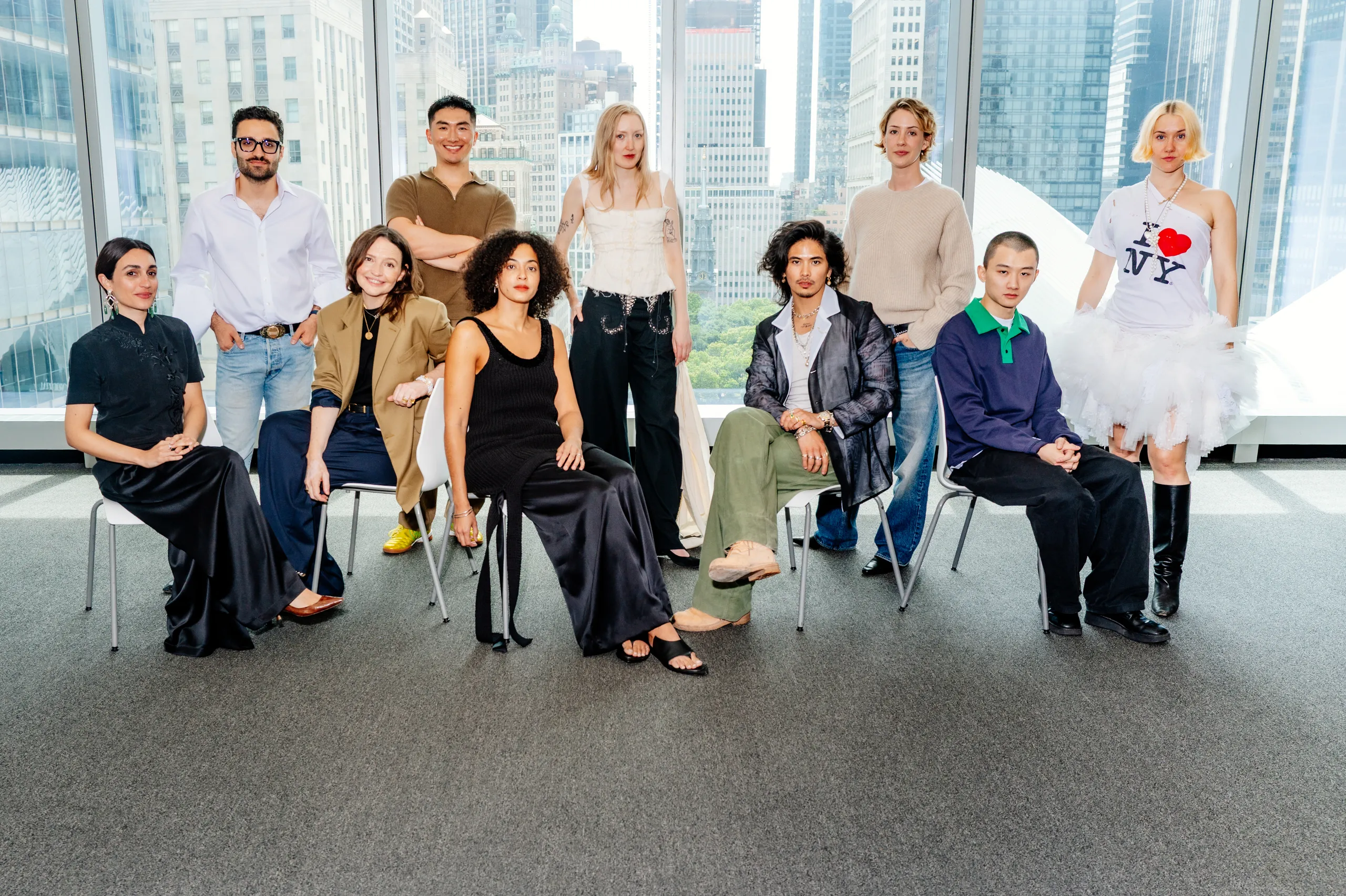
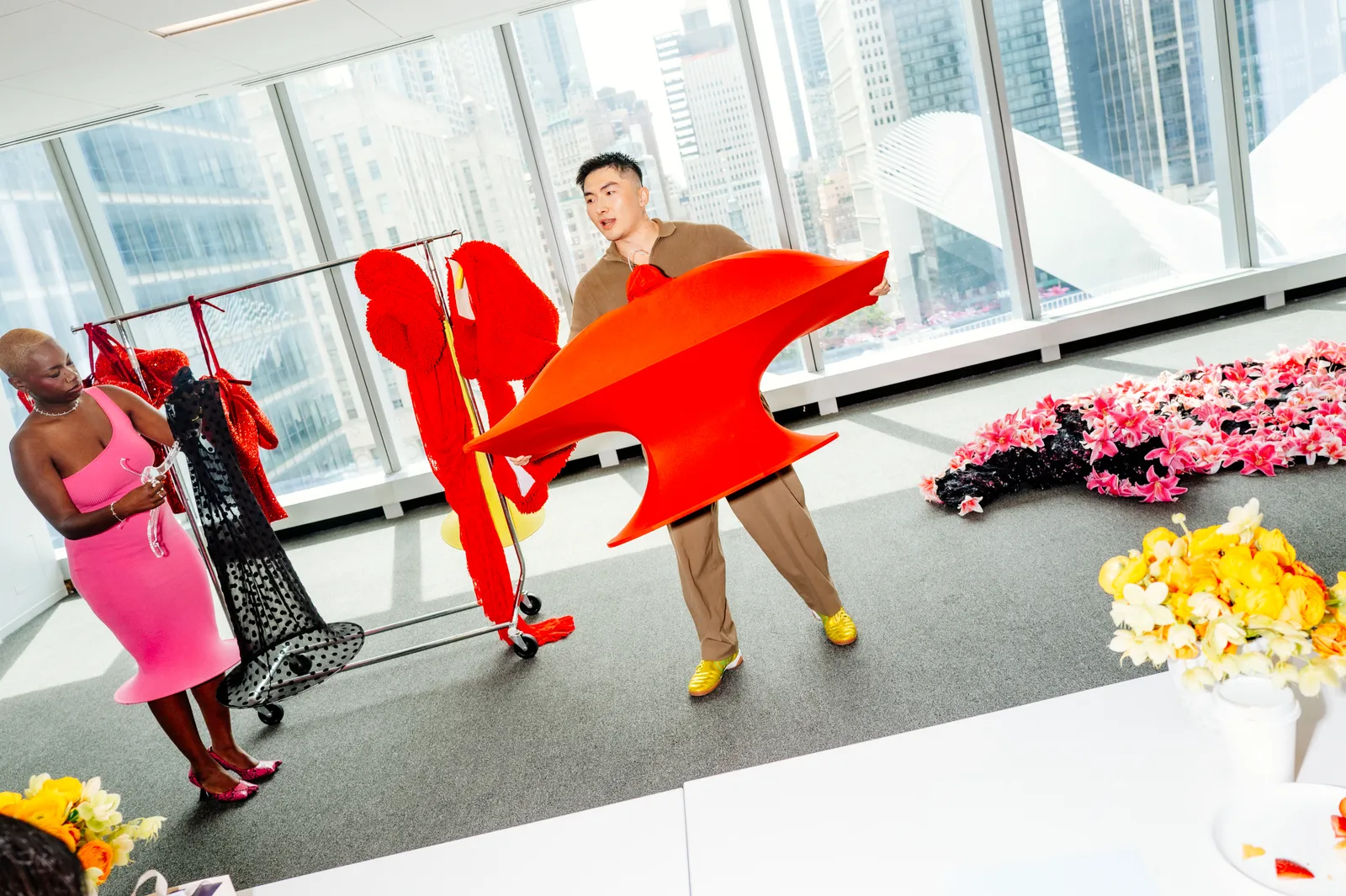
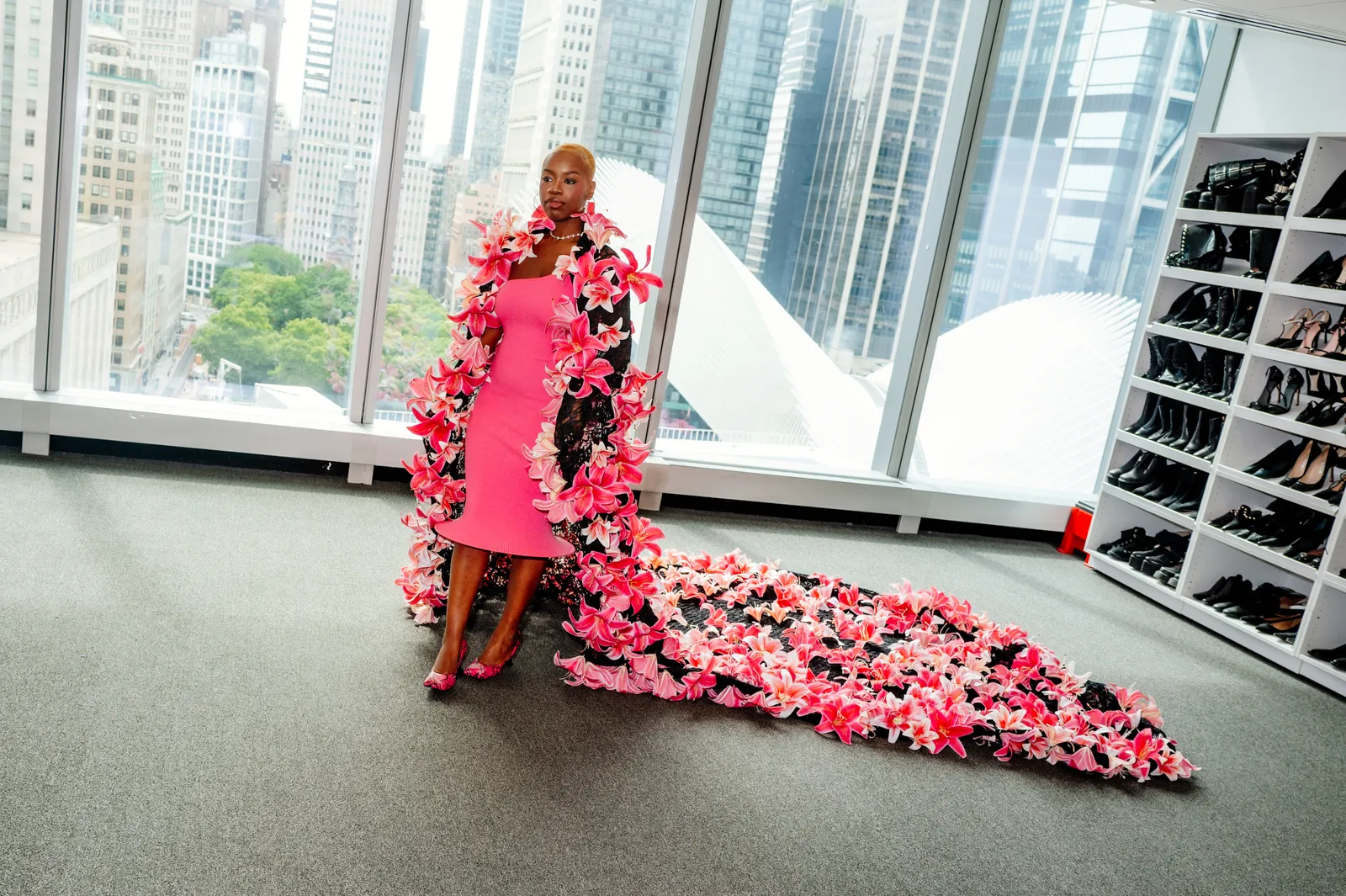
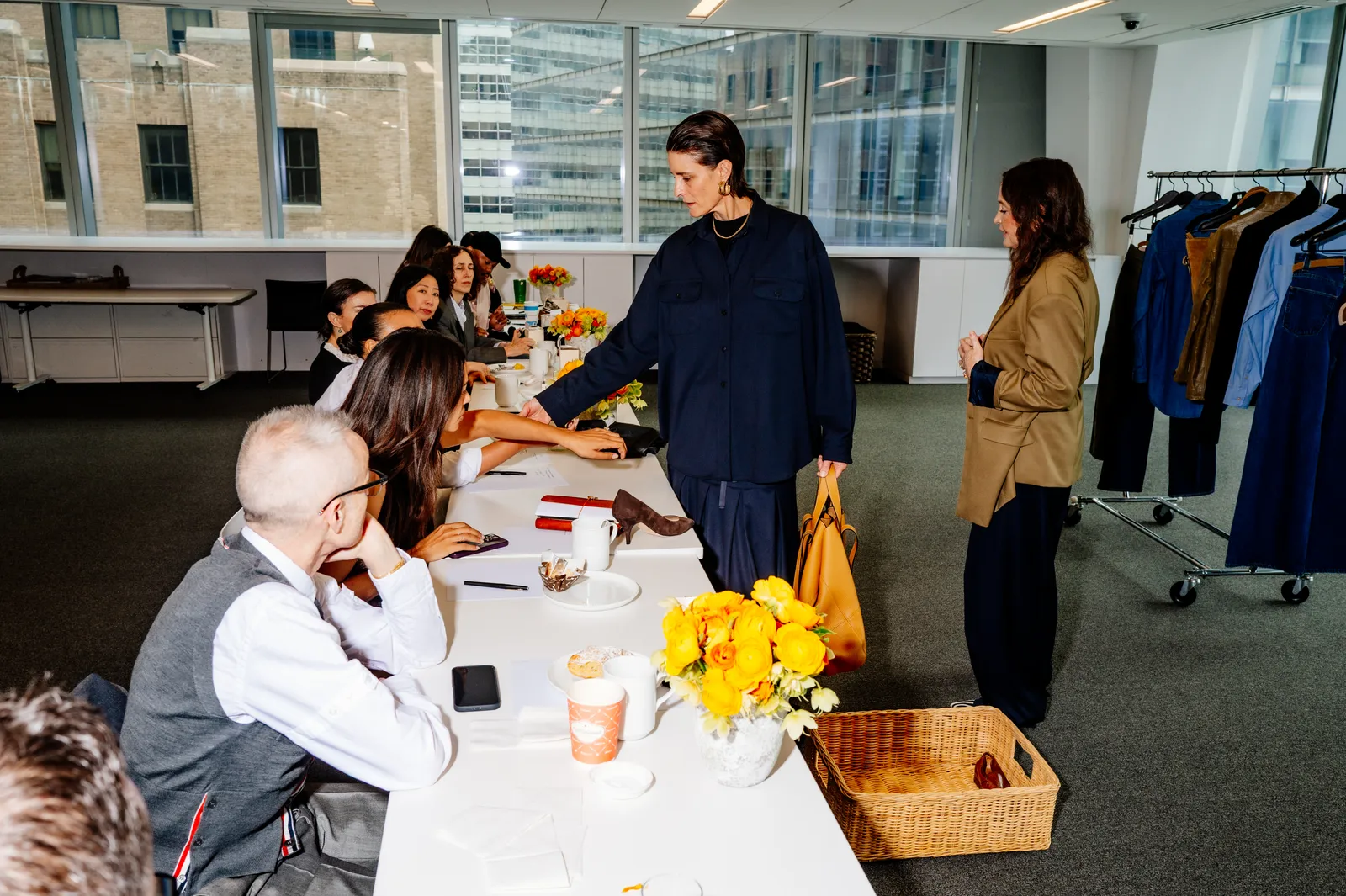
The cohort represented a diverse spectrum of contemporary American design. From Jamie Haller, a Los Angeles-based designer with a heritage of classic cool, to Terrence Zhou of Bad Binch TongTong, known for avant-garde, sculptural creations favored by pop stars, each designer presented their unique vision. The presentations, each 15 minutes in length, included insightful Q&A sessions with the judges.
Following the presentations, we engaged with all 10 finalists to delve into their journeys, the impetus behind launching their own labels, and their aspirations for dressing style icons. Here are their candid reflections.
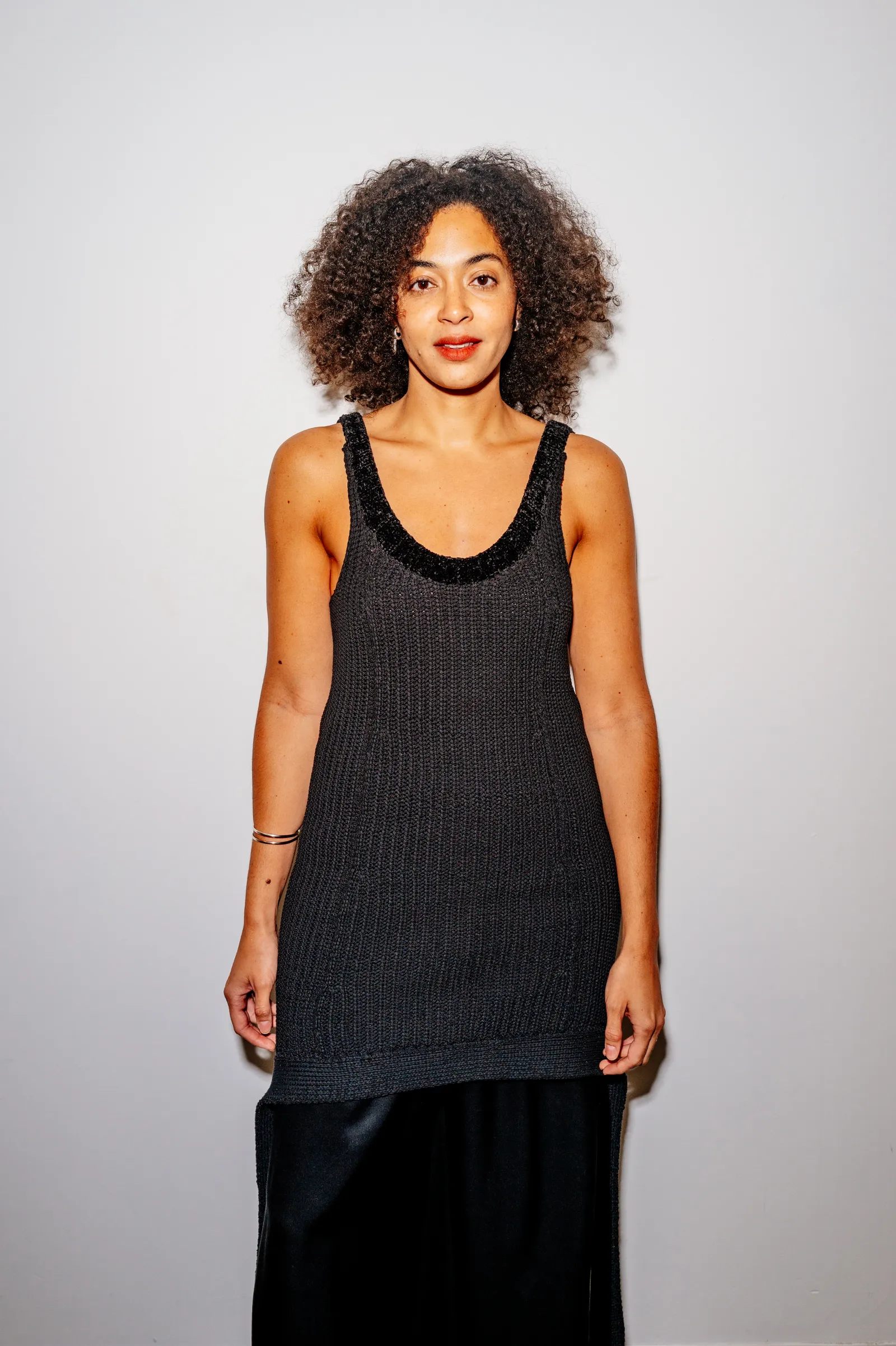
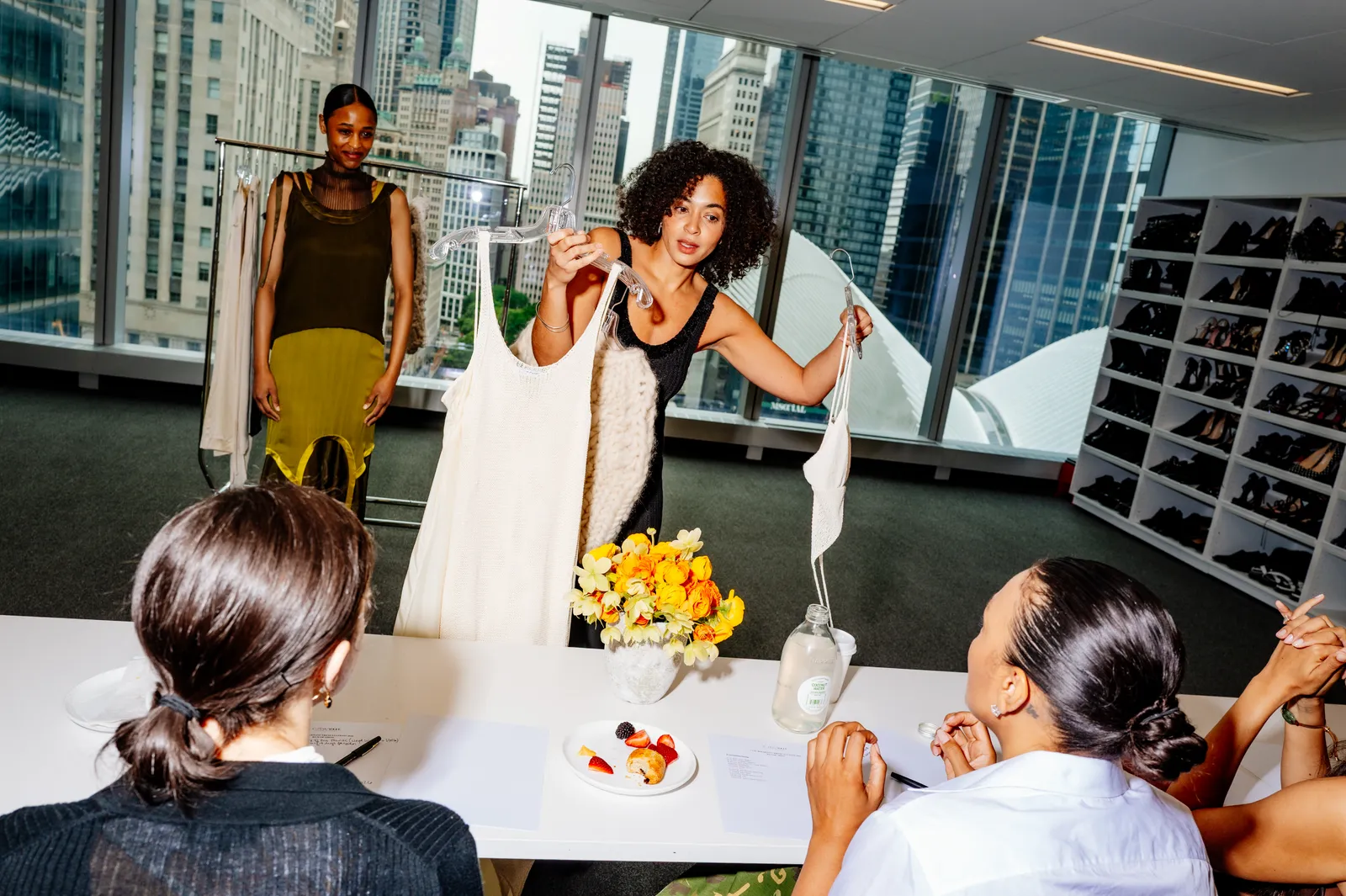
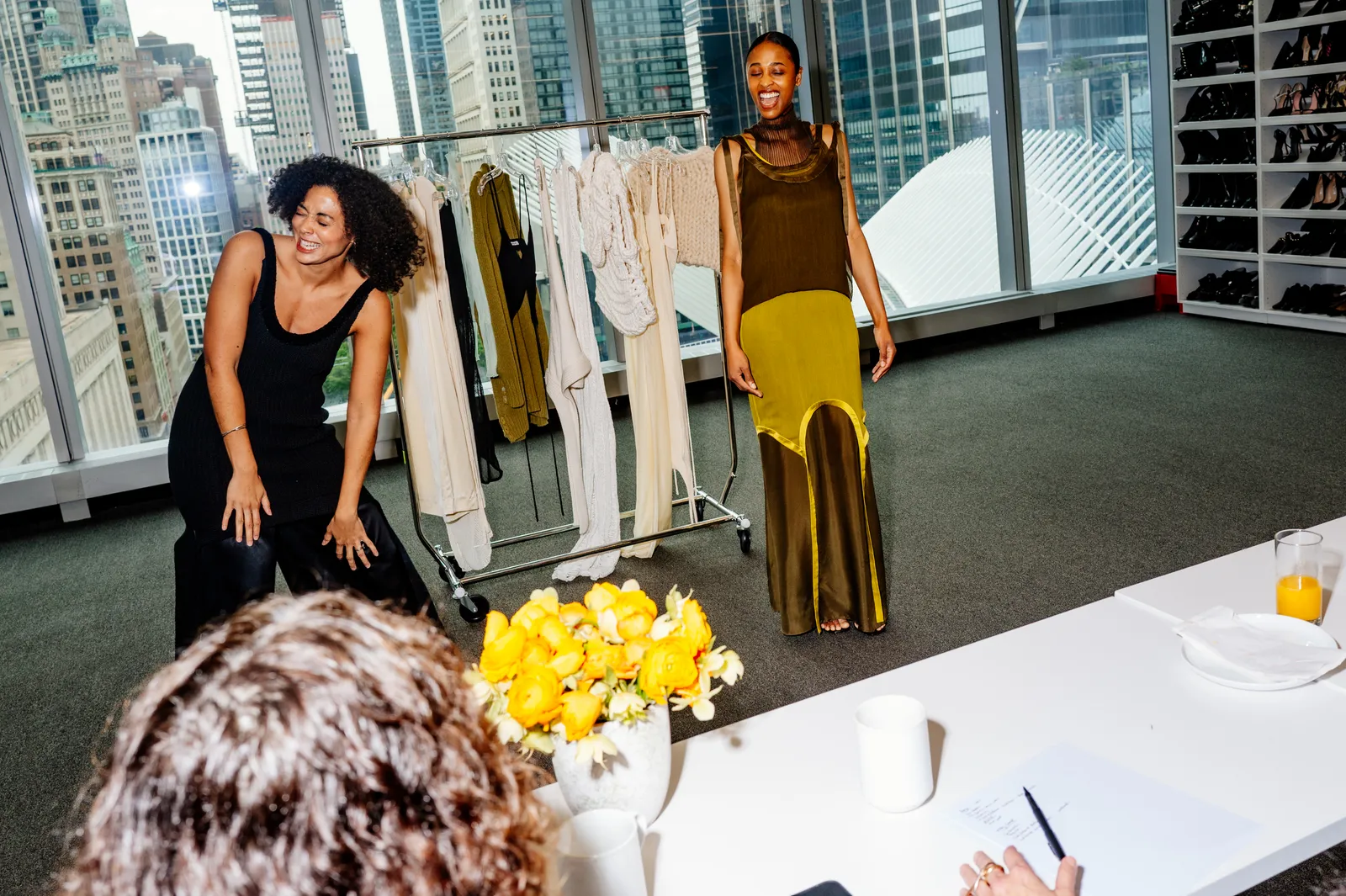
Aisling Camps, founded in 2015
Designed by Aisling Camps
Hailing from Trinidad and Tobago; now based in New York City
What is your earliest fashion memory?
My mother’s extensive collection of magazines, particularly Vogue, were stacked as high as a person in our downstairs bathroom. I also remember the television series “Style With Elsa Klensch.”
What are the greatest challenges and rewards of running your own business?
The constant fluidity of roles is the most demanding aspect. One moment I’m presenting, the next I’m refining my website for an imminent launch. Then, I’m back at the studio knitting hoodies. It requires excellence across all functions. The profound satisfaction, however, comes from seeing my designs worn organically in the world. This personal connection surpasses even the thrill of celebrity endorsement; it signifies genuine appreciation and purchase.
Which brands do you admire?
I have always admired Azzedine Alaïa, particularly for his innovative knitwear. His approach was autonomous, showing collections only when he felt ready, unburdened by industry schedules.
Who is your dream muse, living or deceased?
Zoë Kravitz or Solange Knowles.
What change would you advocate for in the fashion industry?
Prompt payment terms are crucial. While I’ve been fortunate, the reality of inconsistent payments can be devastating for emerging businesses lacking substantial financial backing. Greater industry awareness and structured policies are needed.
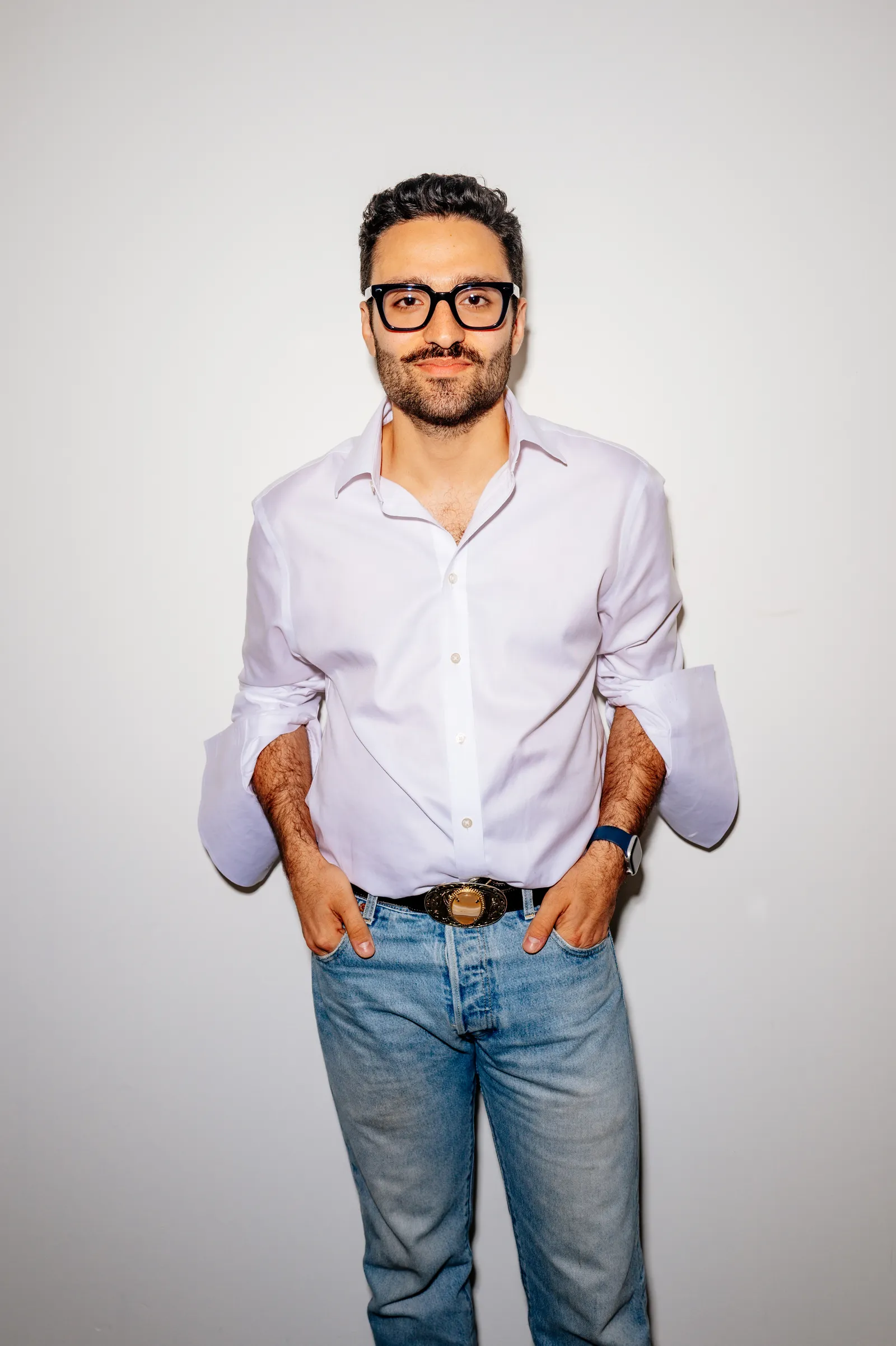
Amir Taghi, founded in 2019
Designed by Amir Taghi
Originating from Houston; now based in New York City
What is your earliest fashion memory?
My formative experiences began in my grandparents’ store in the U.S., after they emigrated from Iran. As a child, I instinctively gravitated towards styling, rearranging displays and even observing pattern drafting in the tailor’s room. This early fascination with design and presentation laid the groundwork for my future career.
What was your first role in the industry?
At 16, I secured an internship in the design studio at Oscar de la Renta. Witnessing Oscar himself, a master of color and form, during his final years was profoundly inspiring. His practice of meticulously naming clients for each design underscored the personal artistry inherent in couture, a philosophy that continues to shape my own brand.
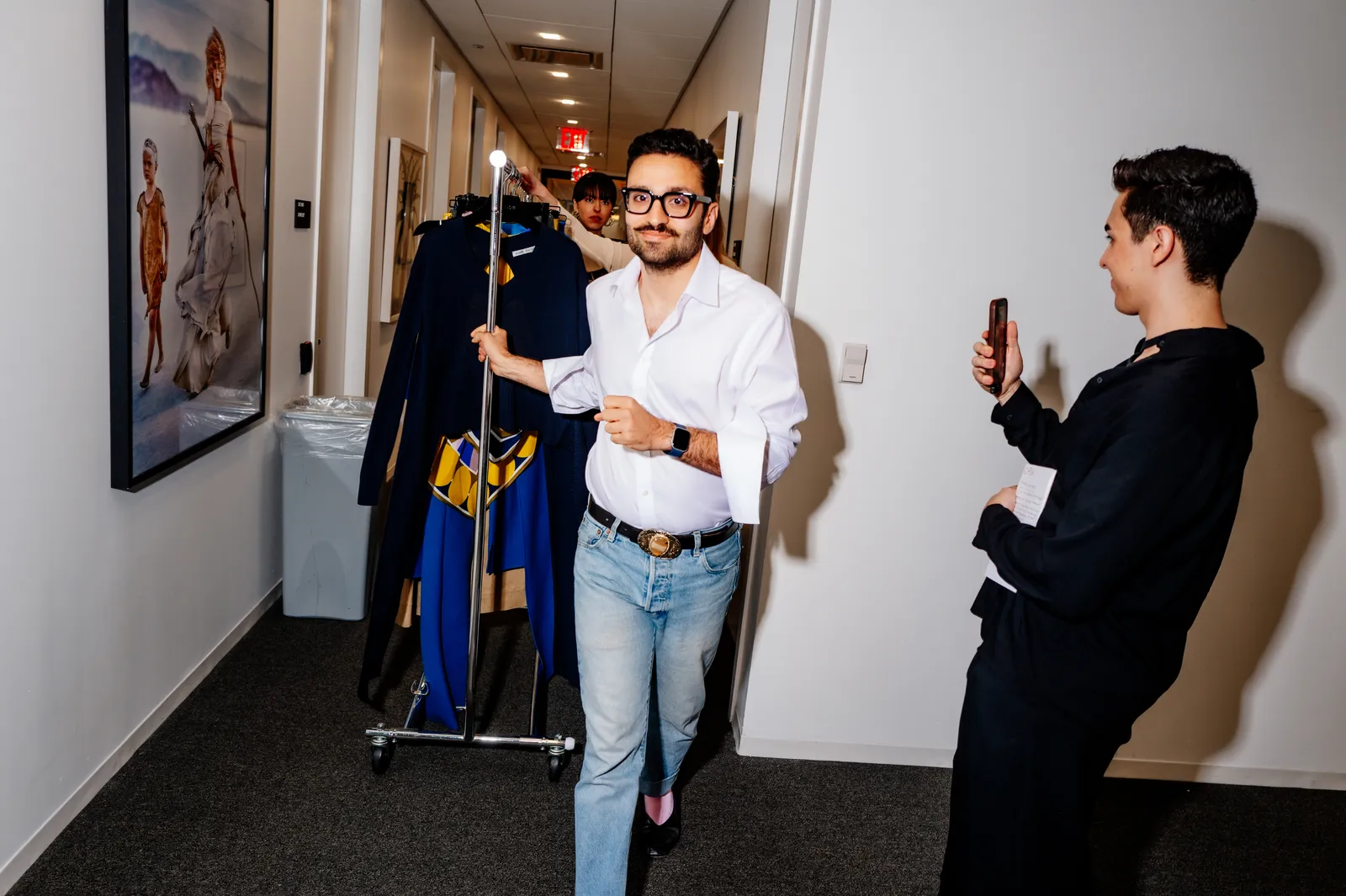
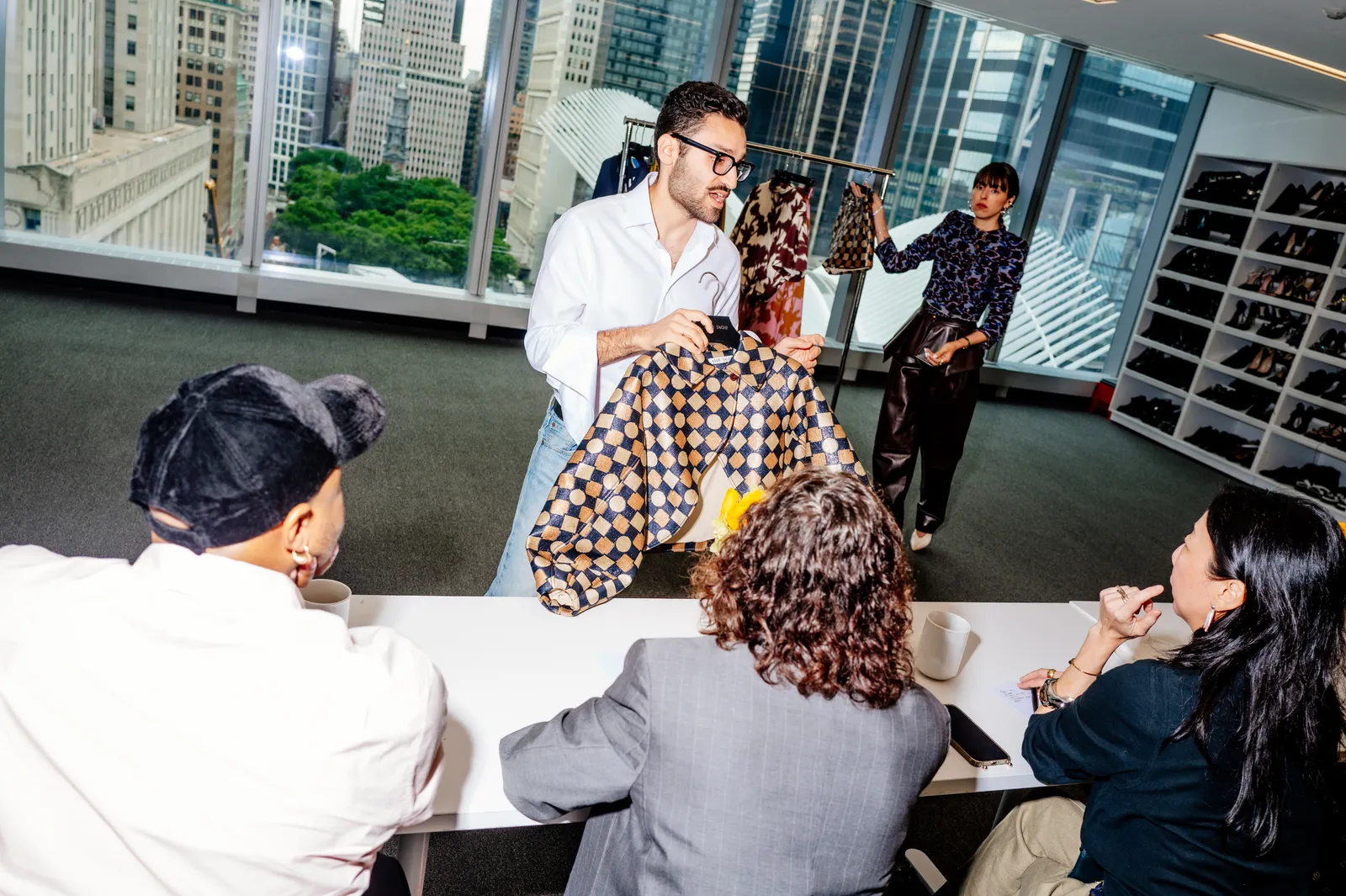
What motivated you to establish your own label?
While I gained invaluable experience working with esteemed designers like Proenza Schouler, Adam Lippes, and Monse, I felt a distinct creative urge to express my own narrative through my work.
Which brands do you admire?
Karl Lagerfeld remains a perennial inspiration. His ability to merge theatrical showmanship with an uncompromising commitment to quality, epitomized by his meticulous attention to detail, serves as a constant benchmark.
What are the greatest challenges and rewards of running your own business?
The entrepreneurial journey is a dynamic cycle of highs and lows. Navigating the financial intricacies, particularly accounting, requires a strong team, which I’m fortunate to have. The ultimate reward is observing women confidently wearing our designs in their daily lives, a sentiment powerfully illustrated by a recent encounter in Palm Beach with a client who had purchased a piece from our collection.
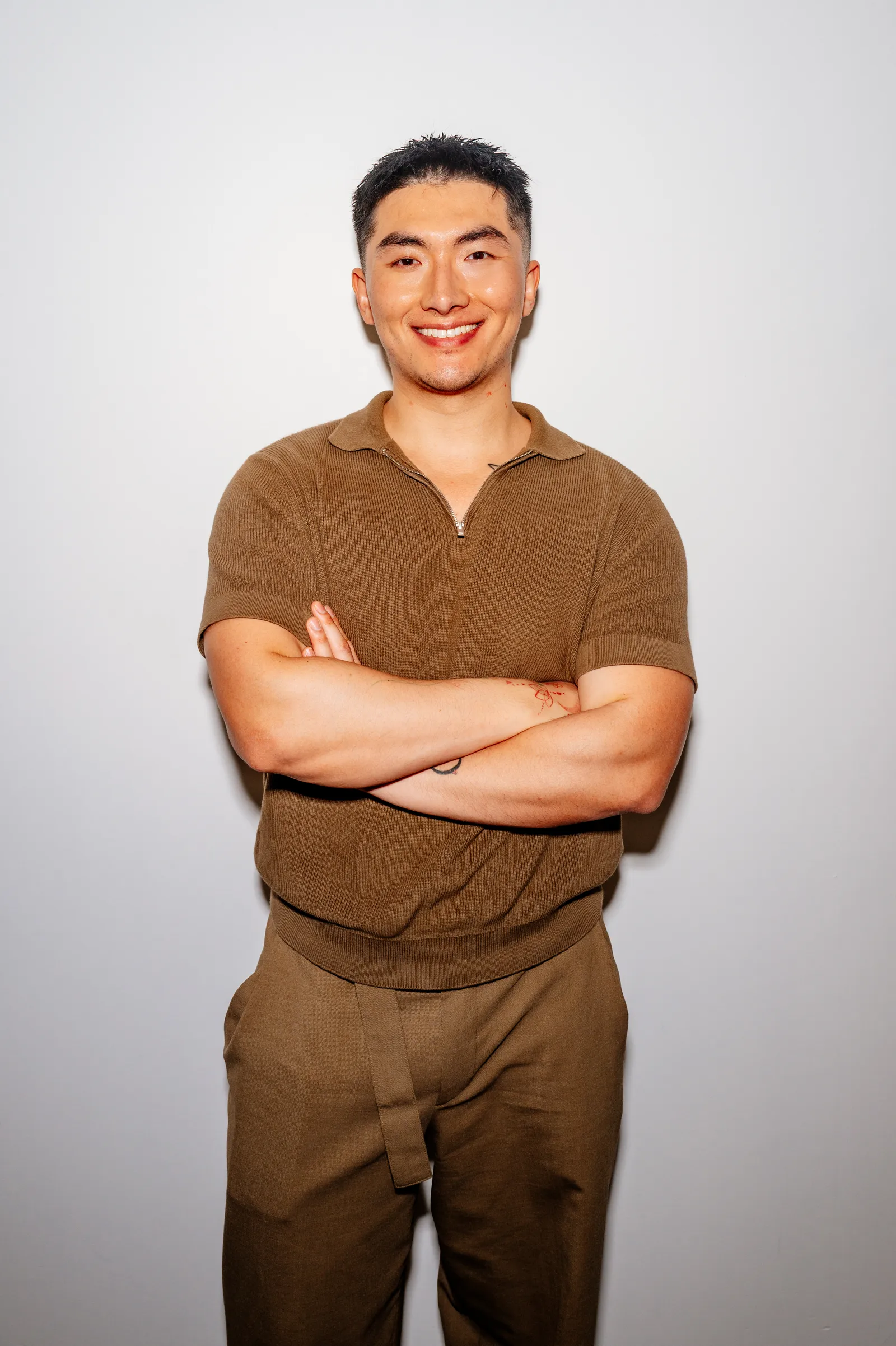
Bad Binch TongTong, founded in 2021
Designed by Terrence Zhou
Originating from Wuhan, China; now based in New York City
What is your earliest fashion memory?
My mother consistently bought me a new outfit for Chinese New Year, a tradition that instilled a sense of excitement and occasion around dressing.
What was your first role in the industry?
My brand, Bad Binch TongTong, is my inaugural professional endeavor in fashion. I did not undertake prior internships or roles.
What motivated you to start your own business?
The brand’s inception occurred during the COVID-19 pandemic. As job opportunities were scarce, I focused on creation. When my work gained visibility and inquiries for attribution arose, I initially used my personal name. A friend’s suggestion to adopt my Instagram handle, Bad Binch TongTong, resonated due to its personal and memorable quality. The name was further solidified by playful affirmations from peers.
What are the greatest challenges and rewards of running your own business?
I view the operational process not as a series of challenges and rewards, but as an iterative journey of learning and building. Each step, including embracing mistakes, offers valuable real-time education.
Who is your dream muse, living or deceased?
Whitney Houston. Her unparalleled voice and authentic energy resonate deeply. I would have been honored to dress her.
What change would you advocate for in the fashion industry?
The normalization of intimidation in the workplace is counterproductive and should be dismantled. A greater emphasis on respecting work-life balance is essential; ultimately, fashion is about clothing, not an existential pursuit.
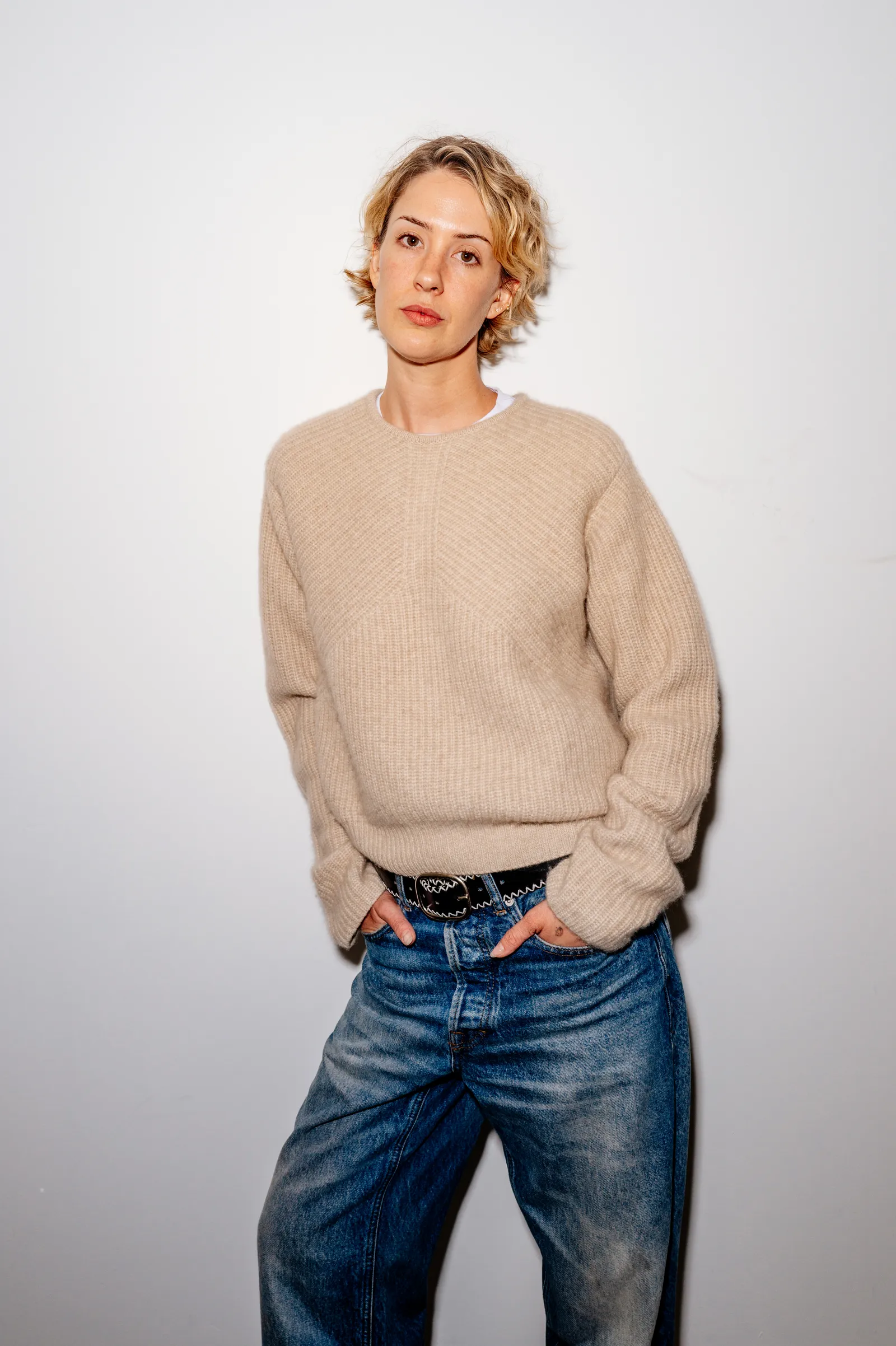
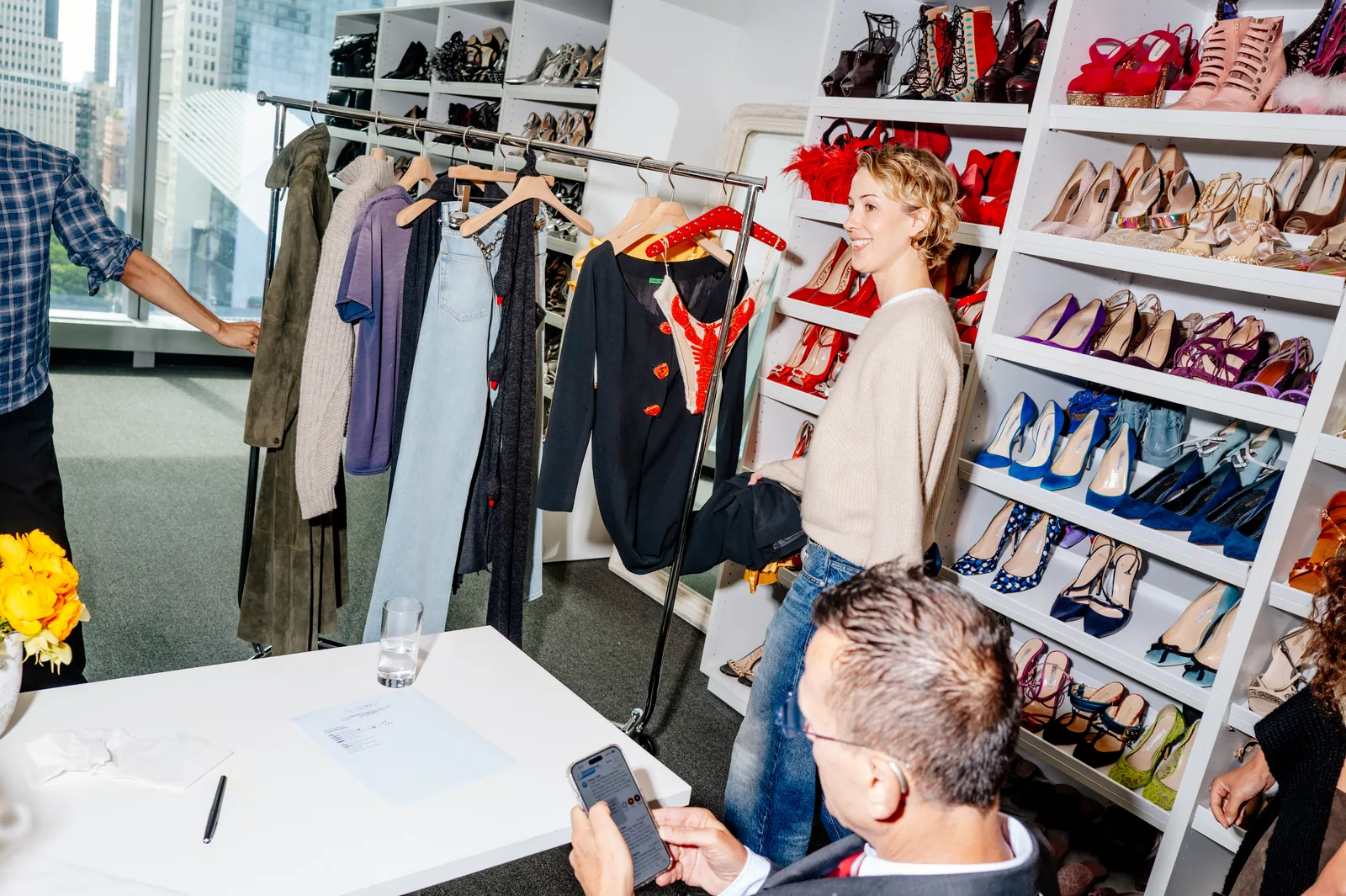
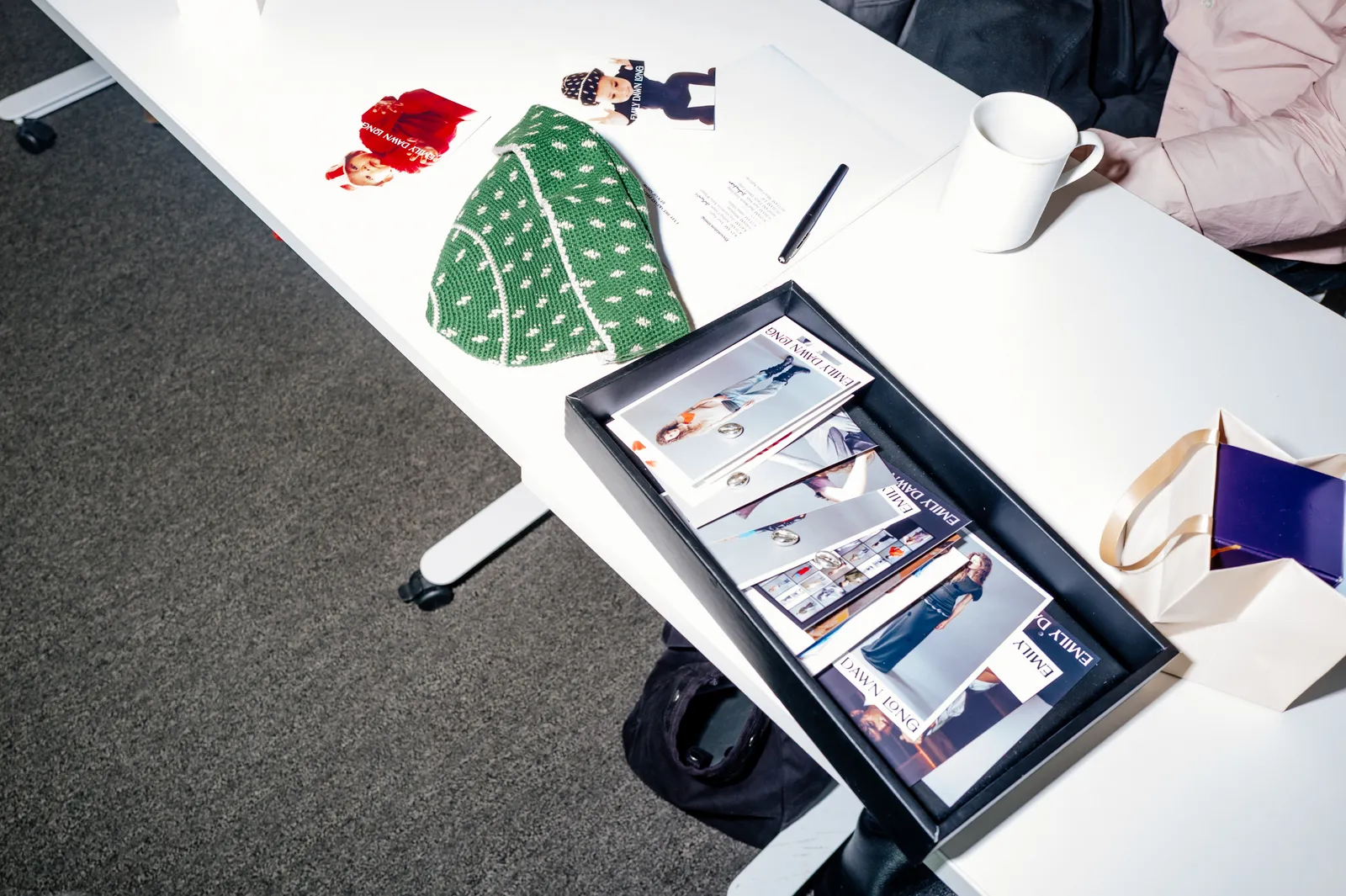
Emily Dawn Long, founded in 2019
Designed by Emily Dawn Long
From Georgia; now based in New York City
What is your earliest fashion memory?
As a very slender child, I frequently altered our clothes using my grandmother’s sewing machine to achieve a more fitted silhouette.
What was your first role in the industry?
My career began as a designer at Jill Stuart, where I gained invaluable experience in vintage sourcing and cultivated lasting relationships with suppliers worldwide. This immersion in historical fashion underscored the importance of continuous inspiration.
What motivated you to start your own business?
My diverse career path, encompassing roles at Vogue, Purple, celebrity styling, and brand production, culminated in an undeniable drive to create. My work spans jewelry, millinery, menswear, womenswear, and interior design, each contributing to a cohesive artistic vision.
What are the greatest challenges and rewards of running your own business?
The most rewarding aspect is observing my creations bring joy to individuals, whether they are friends, celebrities, or strangers, each styling the pieces uniquely. The initial challenge of operating independently was also a catalyst for learning, though I am no longer alone in this endeavor.
Which brands do you admire?
I deeply respect brands that cultivate a distinct universe, such as Thom Browne, Bode, Maryam Nassir Zadeh, and Phoebe Philo. Their success lies in their creative authenticity and dedication.
What change would you advocate for in the fashion industry?
The rigid seasonal calendar often creates a disconnect between creation and delivery. My brand’s model prioritizes direct customer engagement, producing items as needed. Ideally, fashion would embrace a more responsive system, delivering pieces that align with immediate demand and seasonal relevance.
Jamie Haller, founded in 2020
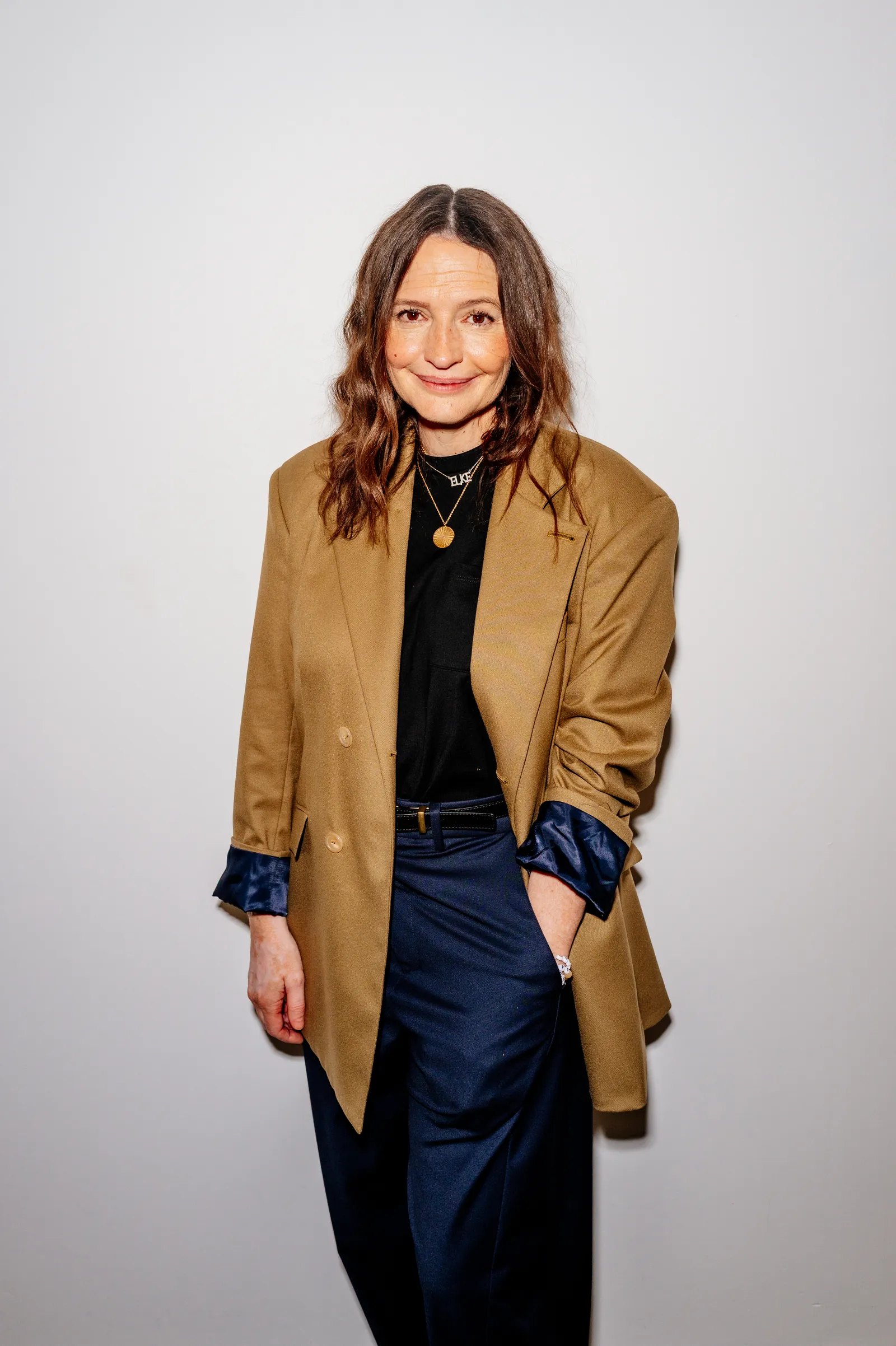
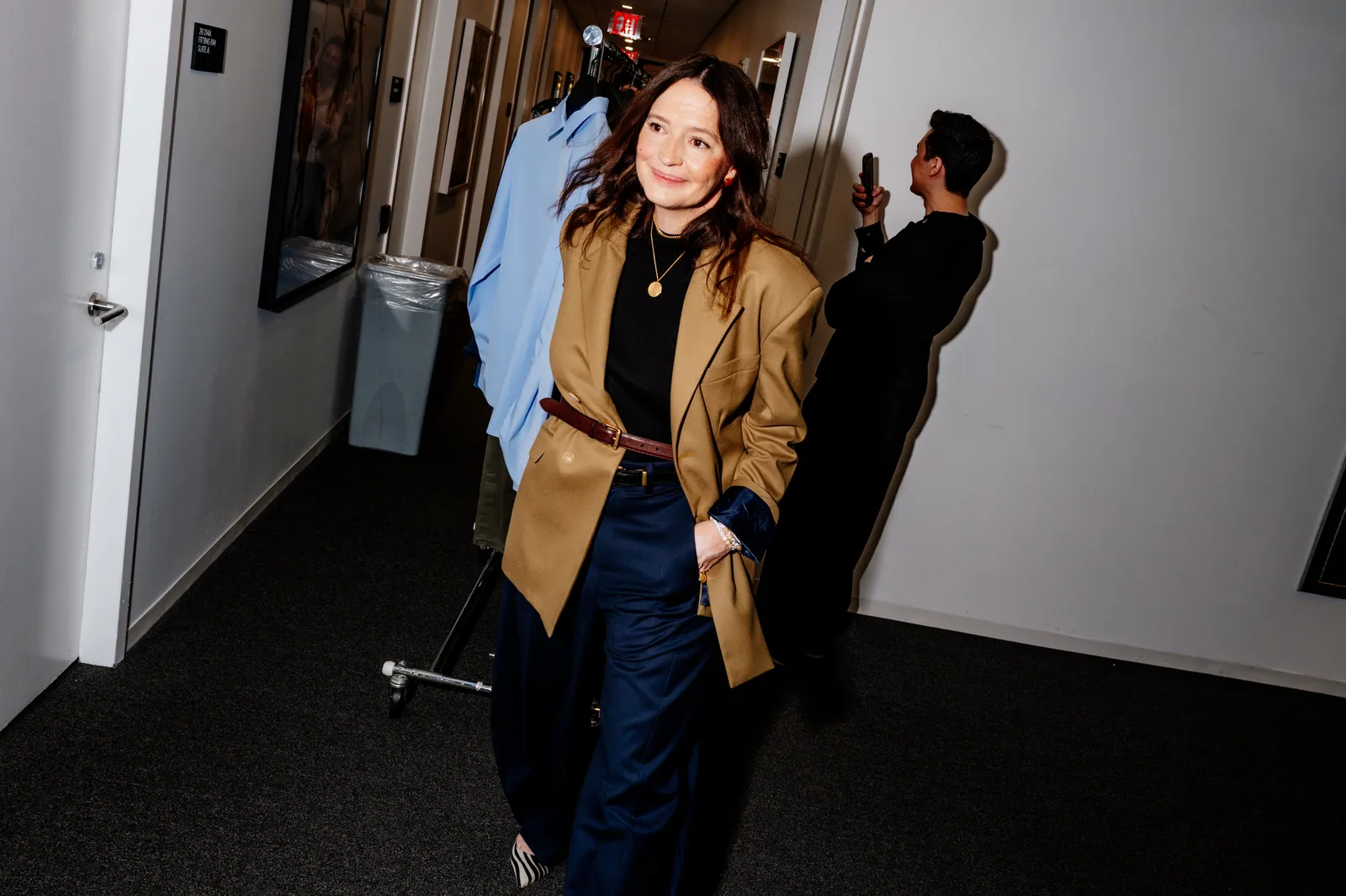
Designed by Jamie Haller
From San Diego; now based in Los Angeles
What is your favorite brand memory to date?
The initial launch of my loafer was a pivotal moment. Receiving a recommendation in T Magazine’s weekly roundup led to a gratifying surge of sales, confirming the brand’s viability and creating a lasting sense of accomplishment.
What was your first role in the industry?
My industry career began in the production department at Wet Seal, where I developed a strong technical foundation in garment construction and manufacturing processes.
What motivated you to start your own business?
The onset of COVID-19 coincided with a period of professional uncertainty, prompting me to establish my own label. This decision was driven by a desire for self-reliance amidst industry shifts and a personal creative imperative.
Which brands do you admire?
Tory Burch’s entrepreneurial spirit and dedication are particularly inspiring. Her relentless work ethic and multi-faceted brand approach resonate deeply with my own journey.
Who is your dream muse, living or deceased?
Katharine Hepburn, as depicted in “On Golden Pond.”
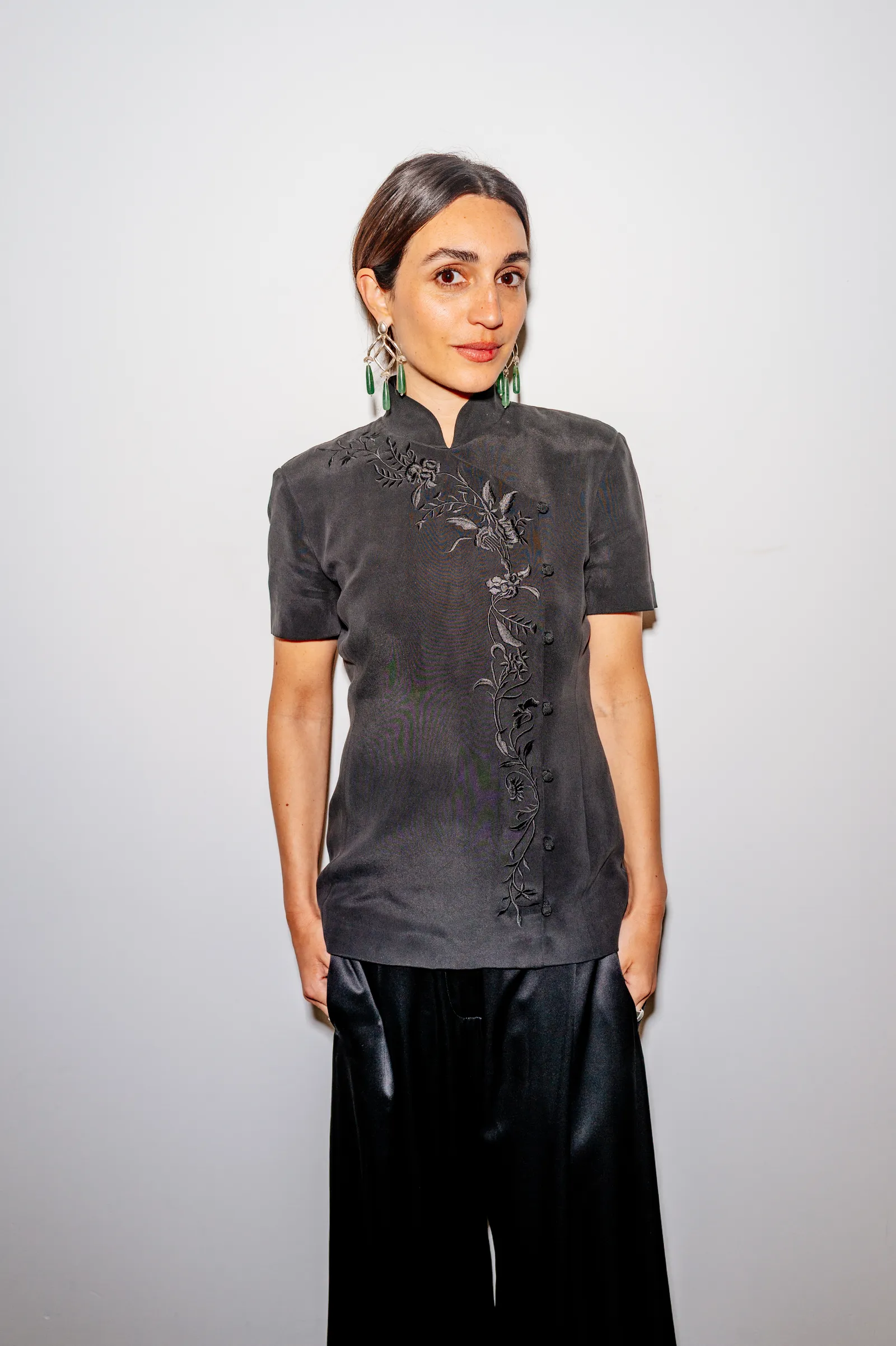
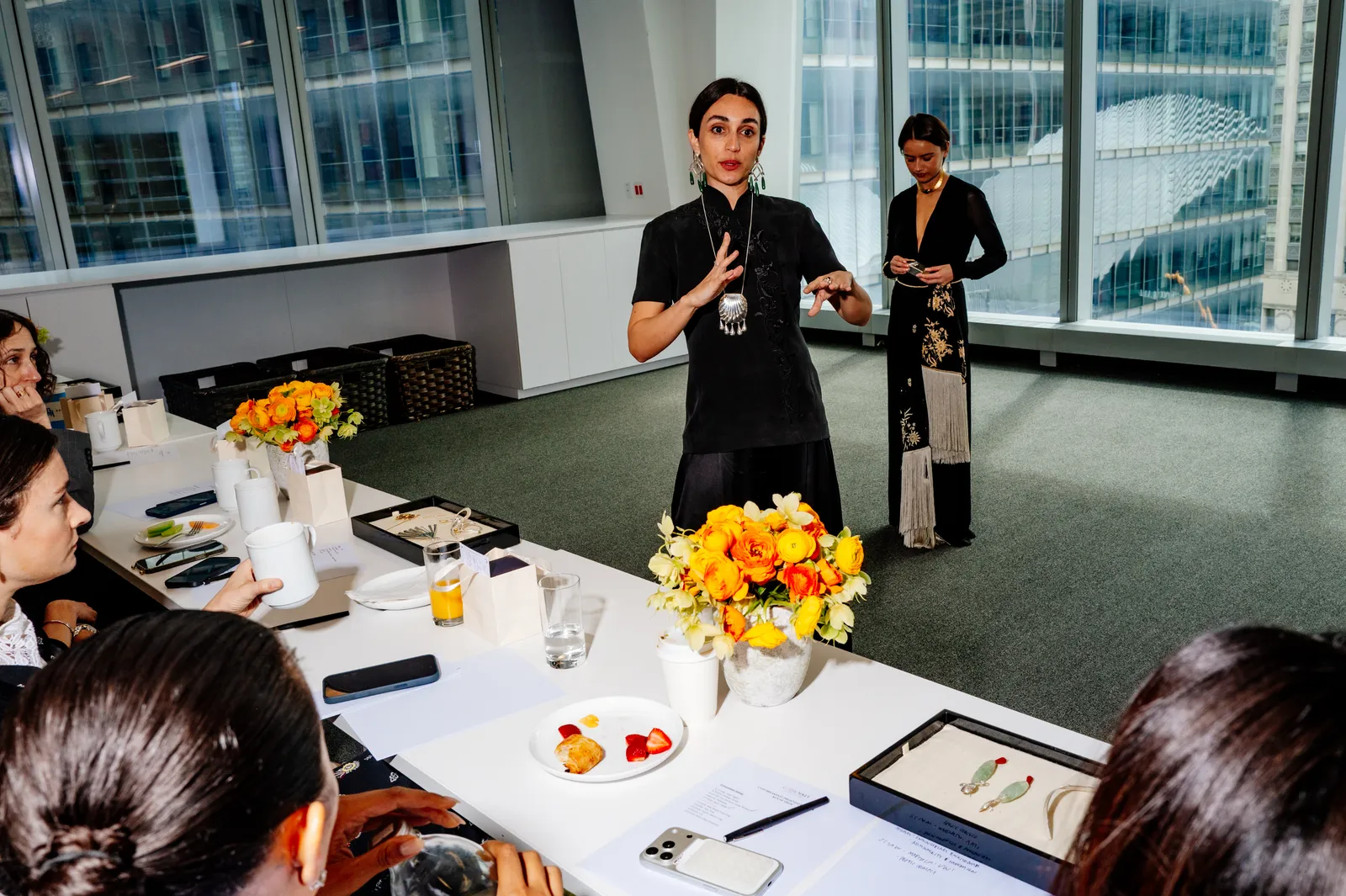
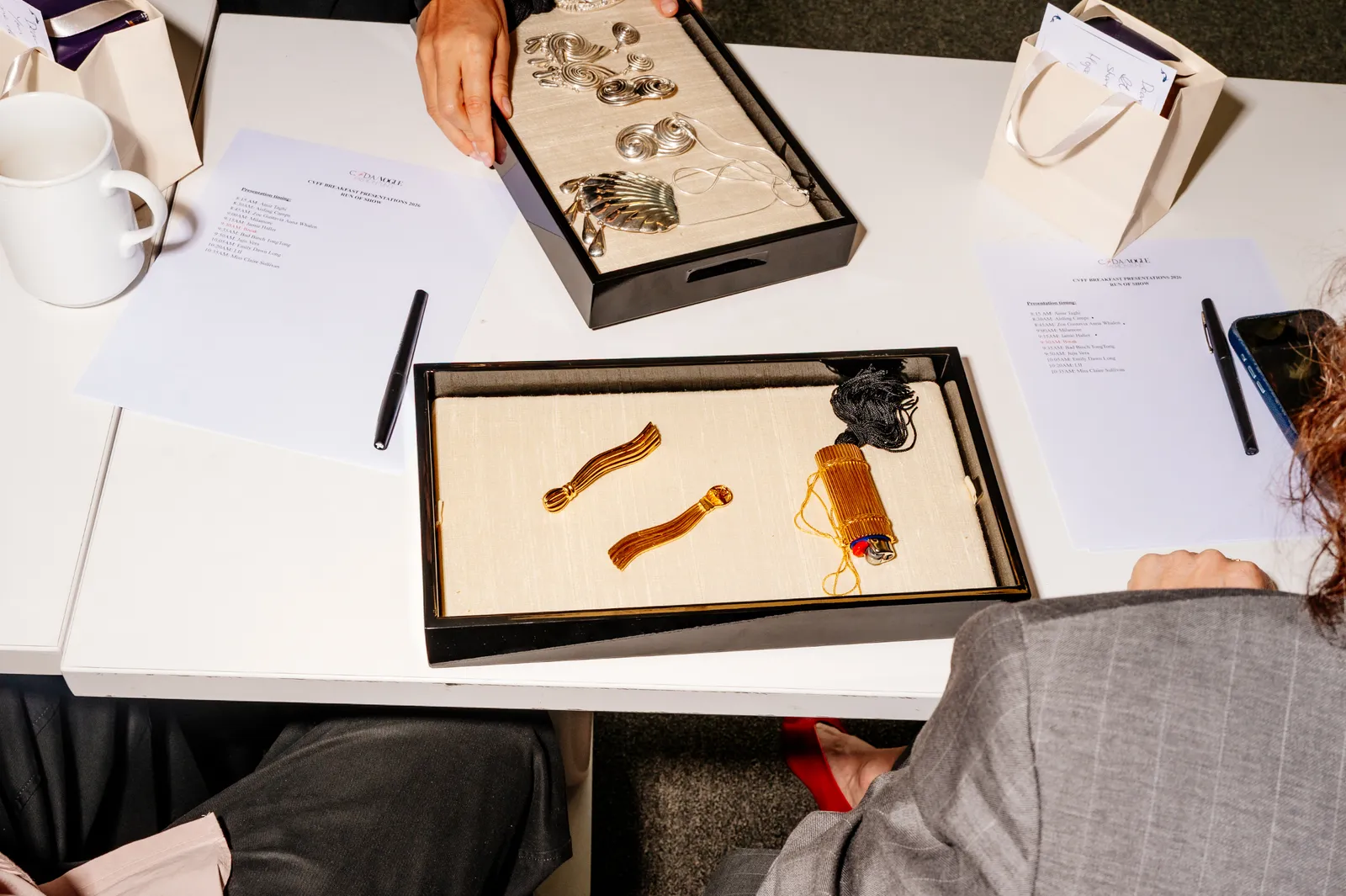
Juju Vera, founded in 2025
Designed by Juju Ferentinos
Based in New York City
What motivated you to start your own business?
Juju Vera, named in homage to my grandmother, is an deeply personal endeavor. The brand embodies my core values and aspirations, reflecting both my current identity and the woman I strive to become.
What are the greatest challenges and rewards of running your own business?
The primary challenge lies in self-trust, particularly balancing the creative demands of design with the entrepreneurial responsibilities of management. The profound reward is cultivating a cohesive, supportive team united by a shared vision, fostering a family-like atmosphere within our small studio.
Which brands do you admire?
In jewelry, Elsa Peretti’s artistic vision is paramount. For business acumen, Bode’s ability to maintain brand integrity while executing strategic global expansion is highly commendable. Similarly, the independent spirit of designers like Maryam Nassir Zadeh and Phoebe Philo is inspiring.
What change would you advocate for in the fashion industry?
I advocate for enhanced mentorship programs focused on business development, equipping creatives with the infrastructure needed for sustainable growth. My own journey highlights the challenge of balancing design with the demands of entrepreneurship, underscoring the need for comprehensive business support.
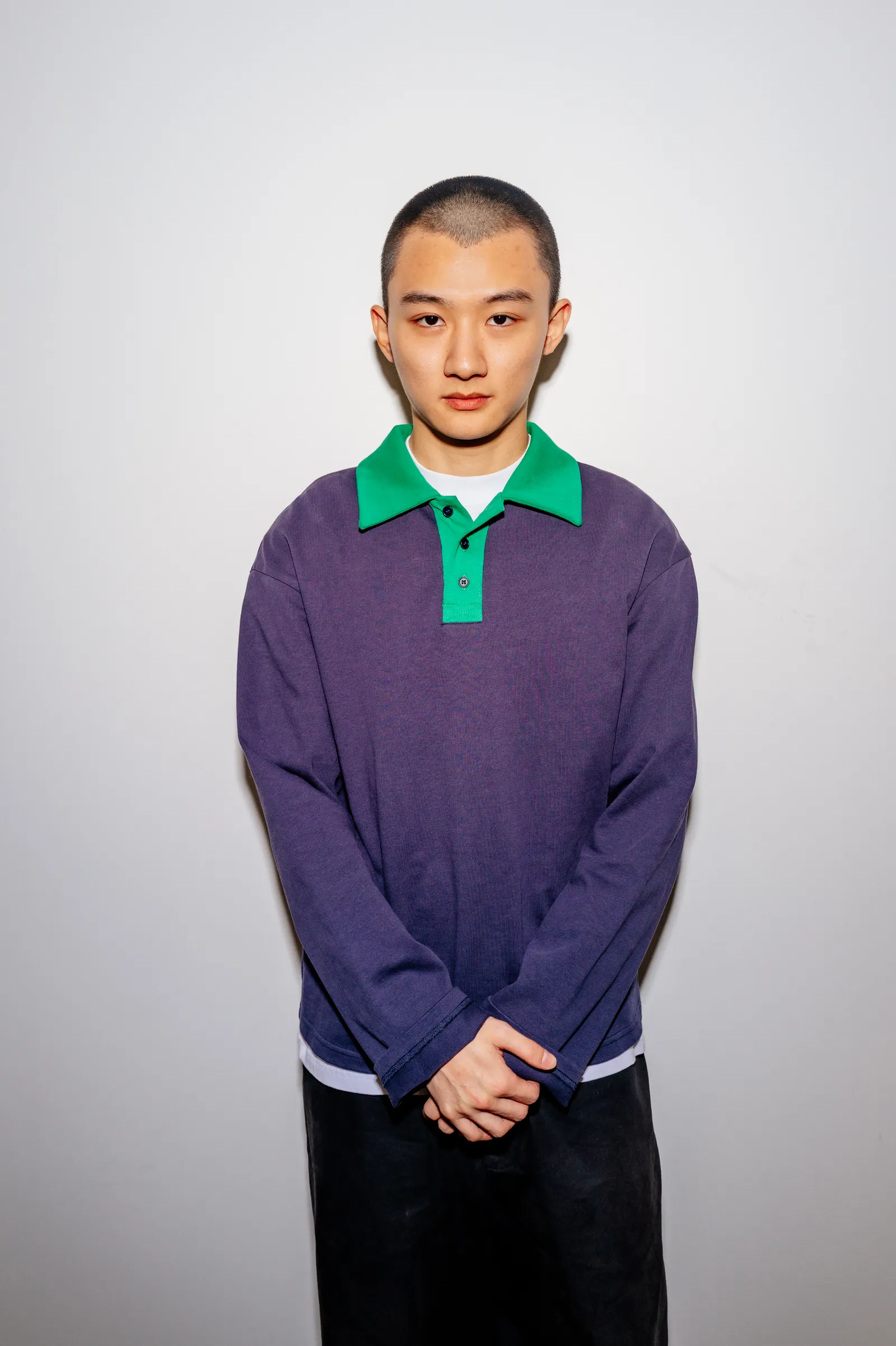
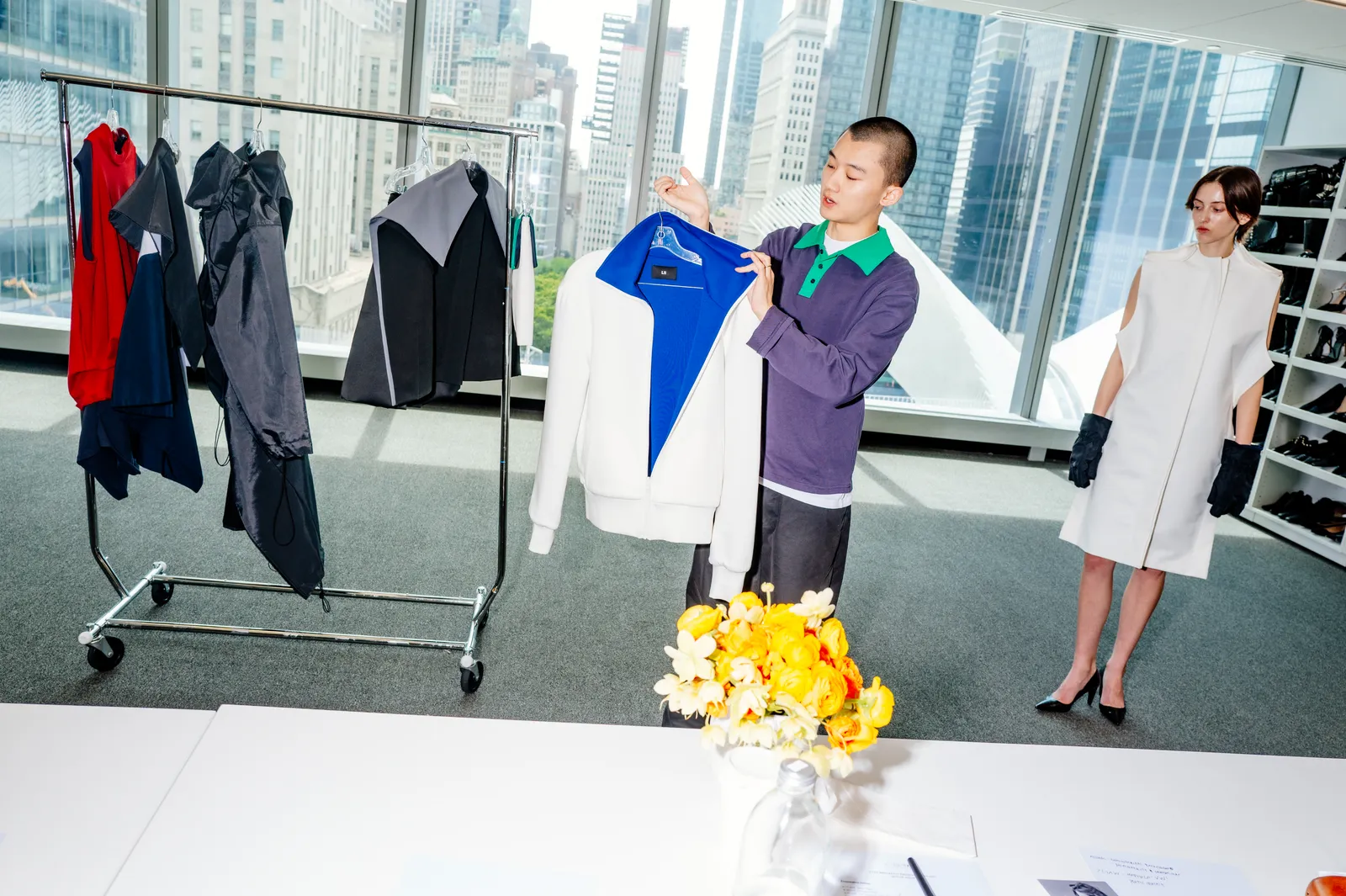
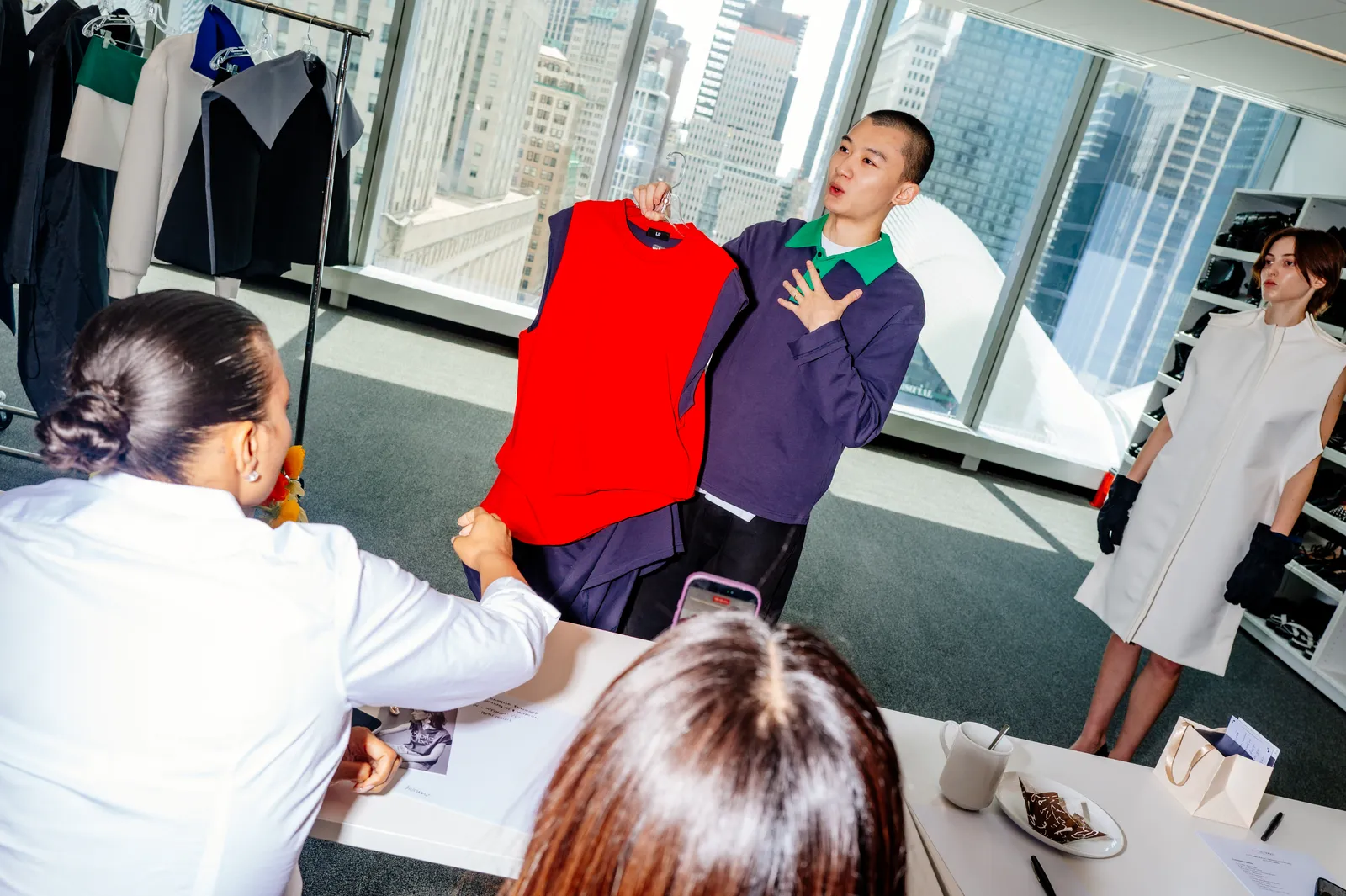
Lii, founded in 2024
Designed by Zane Li
From Chongqing, China; now based in New York City
What is your earliest fashion memory?
My mother’s visits to an independent boutique that curated high-end brands like Armani and Versace in Chongqing, China, were formative experiences.
What is your favorite brand memory to date?
My debut show, held in a cozy Tribeca gallery, was memorable. A moment of profound connection occurred when, upon emerging from the basement, I found myself momentarily speechless addressing the audience.
What motivated you to start your own business?
My internship at Proenza Schouler provided a comprehensive understanding of brand development, encompassing graphic design, sound design, material innovation, and casting. Establishing my own label offers the unique opportunity to integrate all these elements and fully express my aesthetic vision.
What are the greatest challenges and rewards of running your own business?
The business aspects, such as financial management, present challenges as they shift creative focus towards operational demands. However, the autonomy to curate every detail, from show music to spatial design and stylistic direction, is profoundly rewarding.
Which brand or business do you really admire?
Miuccia Prada is a visionary whose work extends beyond fashion into art and cultural discourse. Her disciplined yet innovative approach to brand growth, consistently reinventing while retaining a core identity, is truly inspiring.
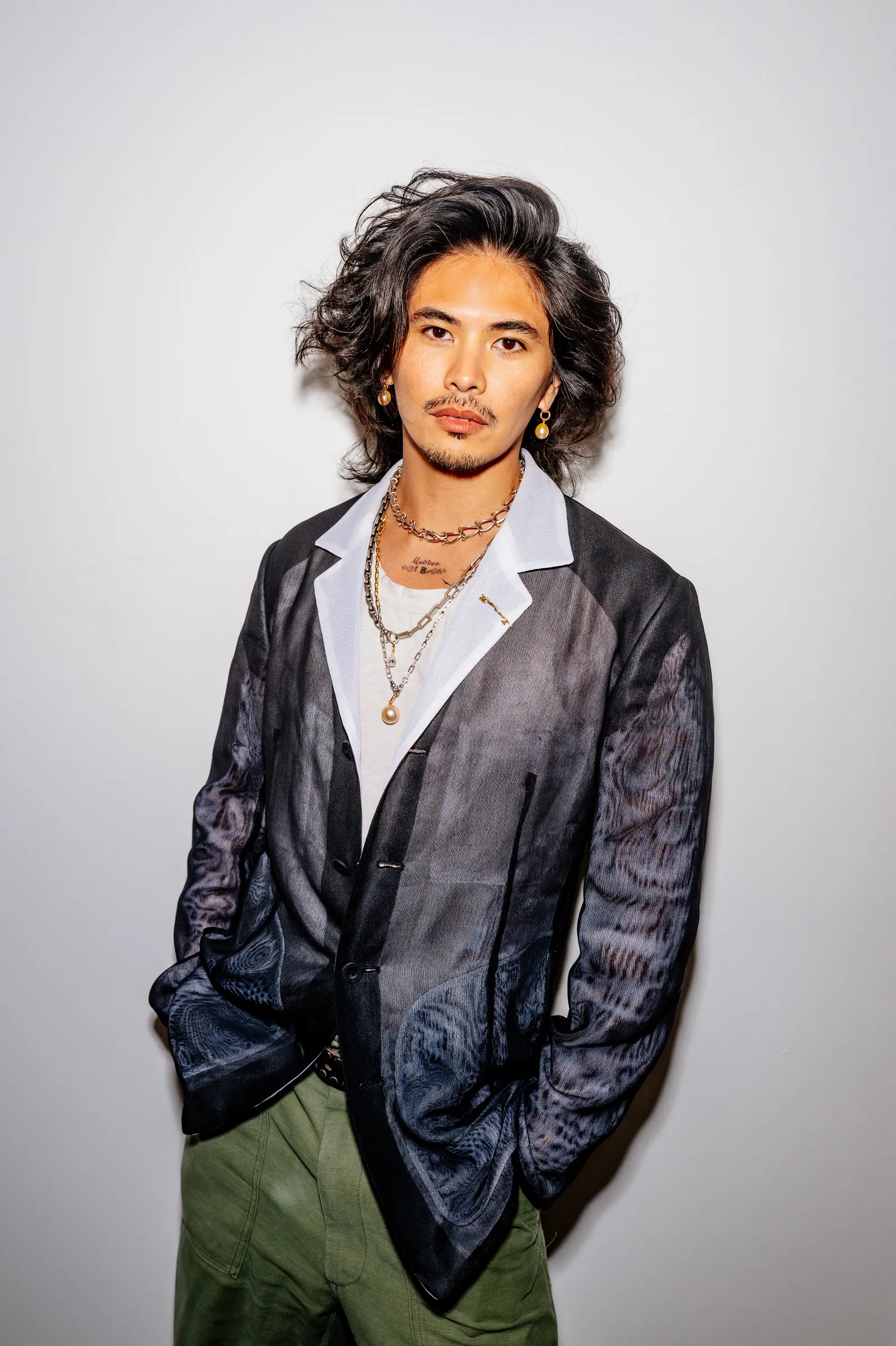
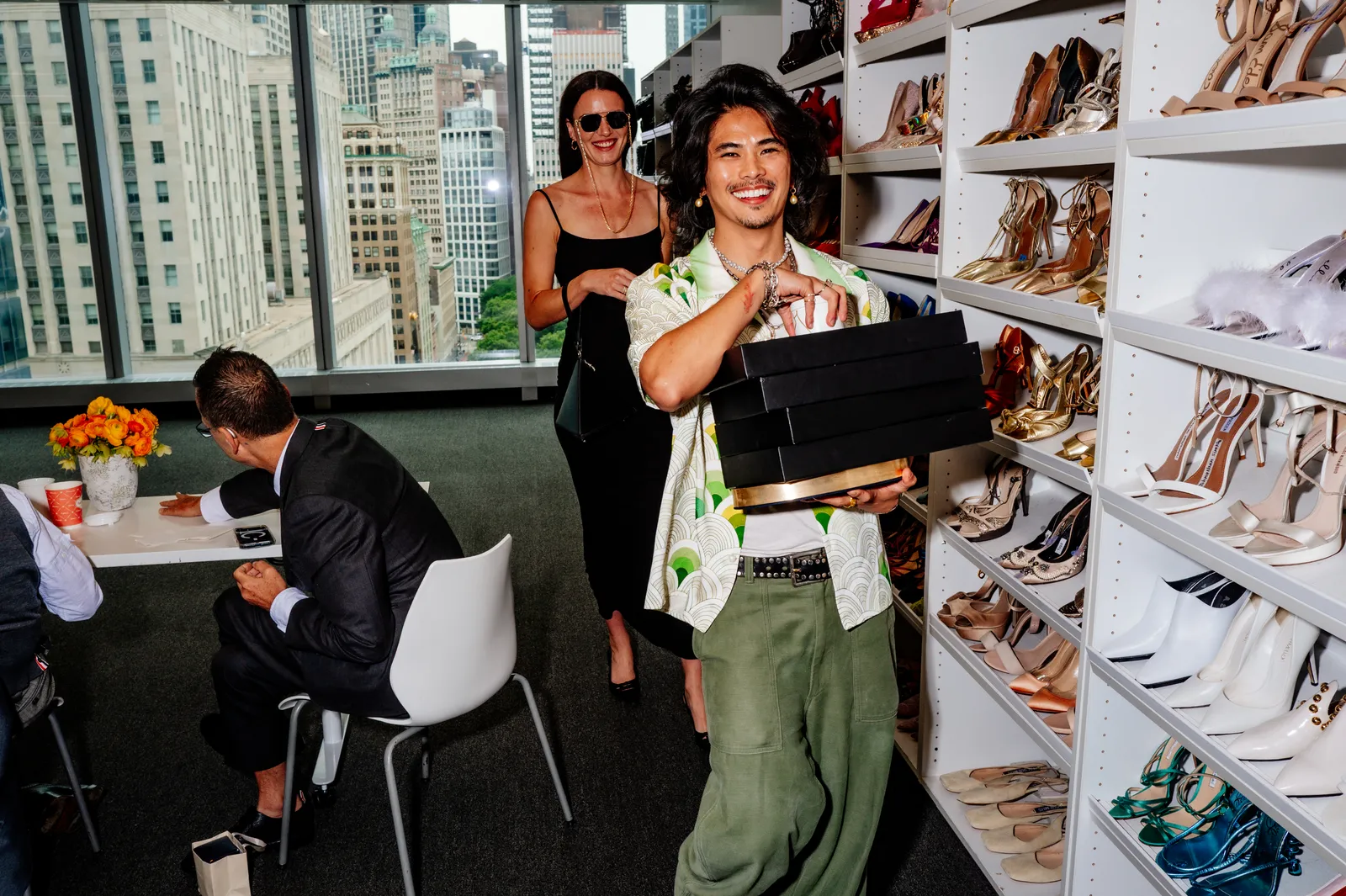
Milamore, founded in 2019
Designed by George Inaki
From Manila; now based in New York City
What is your earliest fashion memory?
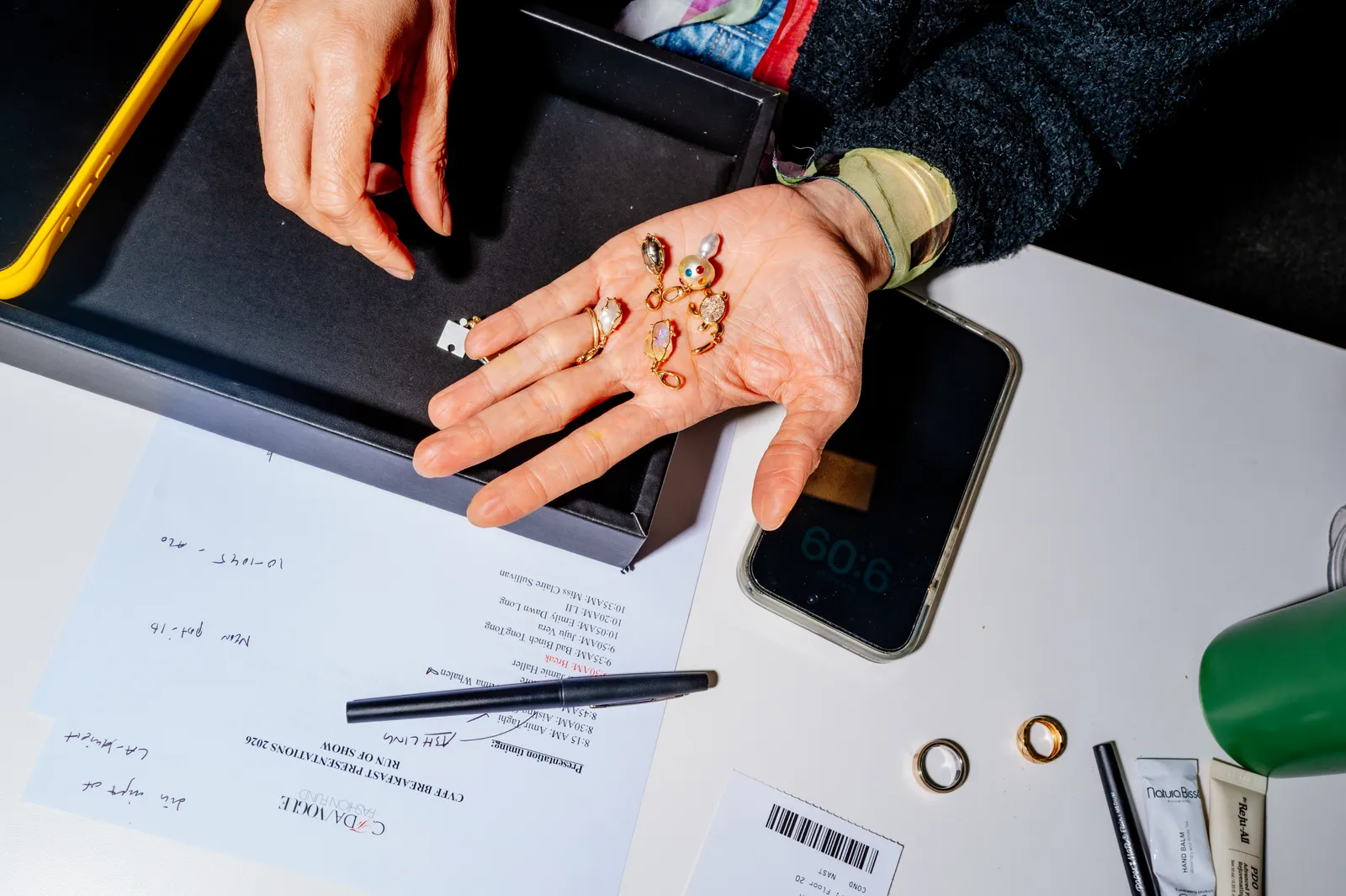
My grandmother, the namesake of my brand Milamore, instilled in me an appreciation for fine jewelry from a young age. Our visits to a local atelier in the Philippines, where she would select fabrics for custom-made church attire, remain vivid memories, often paired with the image of her distinctive ruby ring.
What was your first role in the industry?
My initial foray into the industry was in retail sales, where I learned the art of connecting with customers and understanding their emotional drivers. This experience was crucial in shaping my approach to sales and business development.
What motivated you to start your own business?
Relocating to New York from Japan and finding doors closed, despite my PR experience, led me to establish my own venture. This path was necessitated by the industry’s emphasis on established networks.
What are the greatest challenges and rewards of running your own business?
The financial demands, particularly the increased cost of materials like gold post-pandemic, present significant hurdles for a brand built without inherited wealth. Witnessing the brand’s growth and receiving client recognition, however, provides immense satisfaction.
Which brands do you admire?
Chrome Hearts’ enduring appeal and ability to evolve while maintaining a distinct identity is remarkable. Their success in diversifying beyond jewelry into other categories while preserving brand coherence is an aspiration.
Who is your dream muse, dead or alive?
Elsa Peretti. Her strong personality and revolutionary approach to jewelry design, focusing on form over mere ornamentation, deeply resonate with me. Her manufacturing expertise in Japan and exploration of materials like lacquer demonstrate a forward-thinking vision.
Miss Claire Sullivan, founded in 2021
Designed by Claire Sullivan
From Richmond, Virginia; now based in New York City
What is your earliest fashion memory?
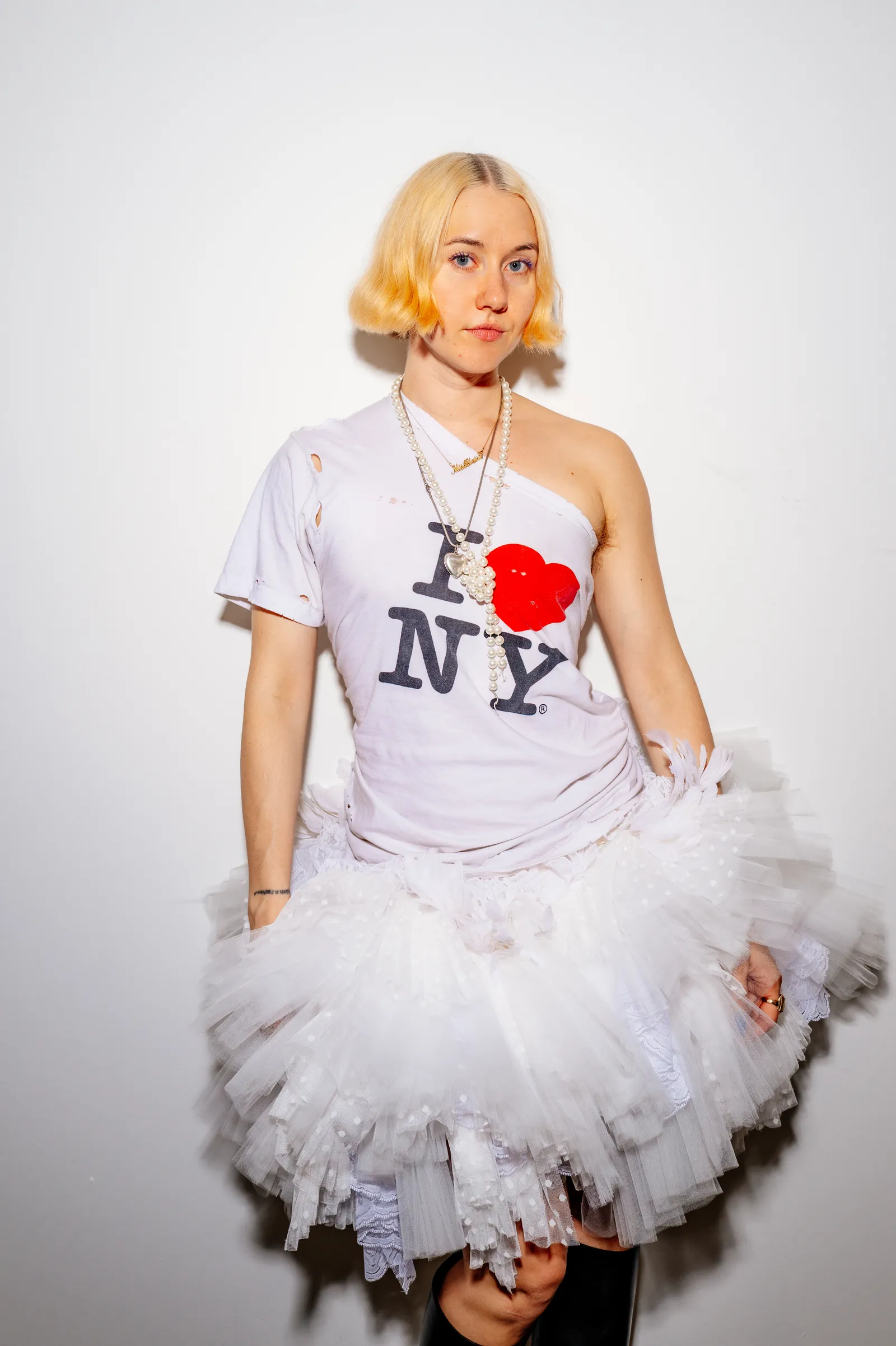
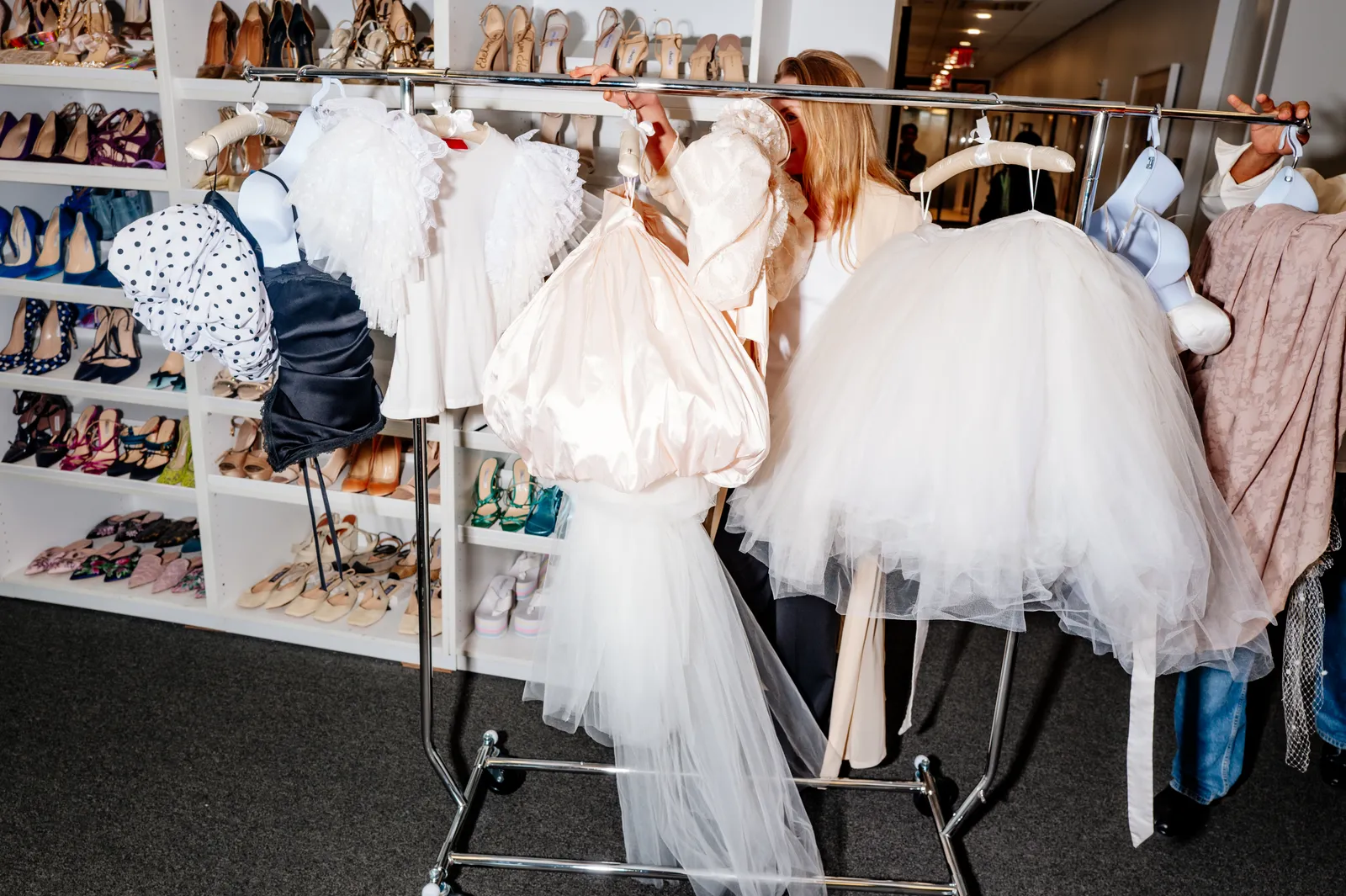
My childhood fascination with princess dresses, particularly a silver gown with a voluminous tutu and appliqué details, continues to influence the brand’s aesthetic.
What was your first role in the industry?
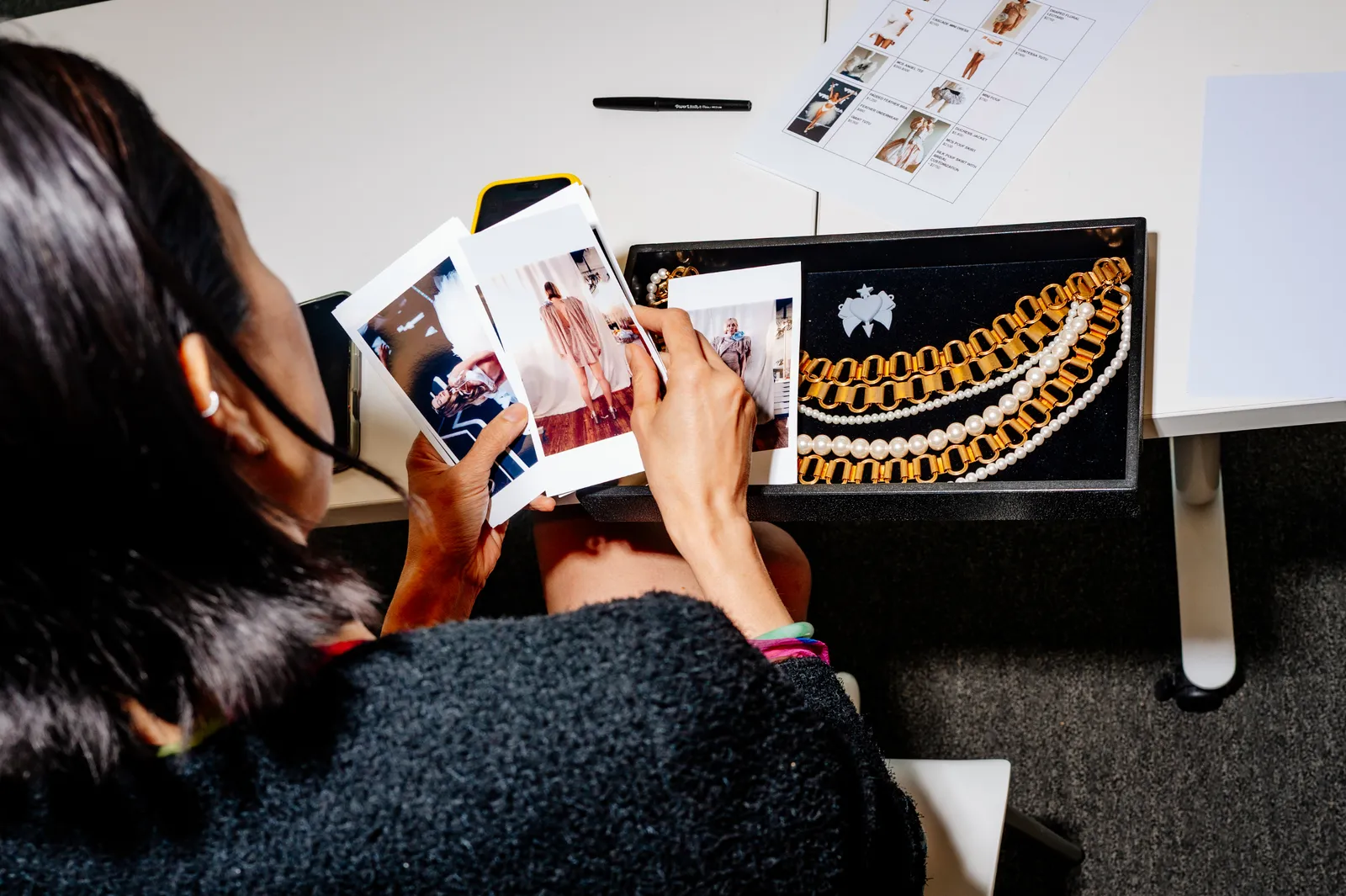
My industry experience began with internships at Eckhaus Latta, where I gained insight into brand operations, followed by Vaquera, where I transitioned from intern to co-creative director. This experience was instrumental in developing my understanding of experimental design and collaborative processes.
What motivated you to start your own business?
The brand evolved organically from styling a friend for an art project, which led to creating custom pieces. This experience snowballed into a couture label, driven by increasing demand and personal creative expression.
What are the greatest challenges and rewards of running your own business?
Juggling creative and business responsibilities is demanding, yet every facet of the process, even the challenging ones, is a privilege. The visibility afforded to running a fashion business in New York is a profound reward.
What change would you advocate for in the fashion industry?
I advocate for a departure from the rigid seasonal calendar and a greater emphasis on body diversity, which is central to my custom couture approach. The industry should prioritize artistry, creativity, and craftsmanship.
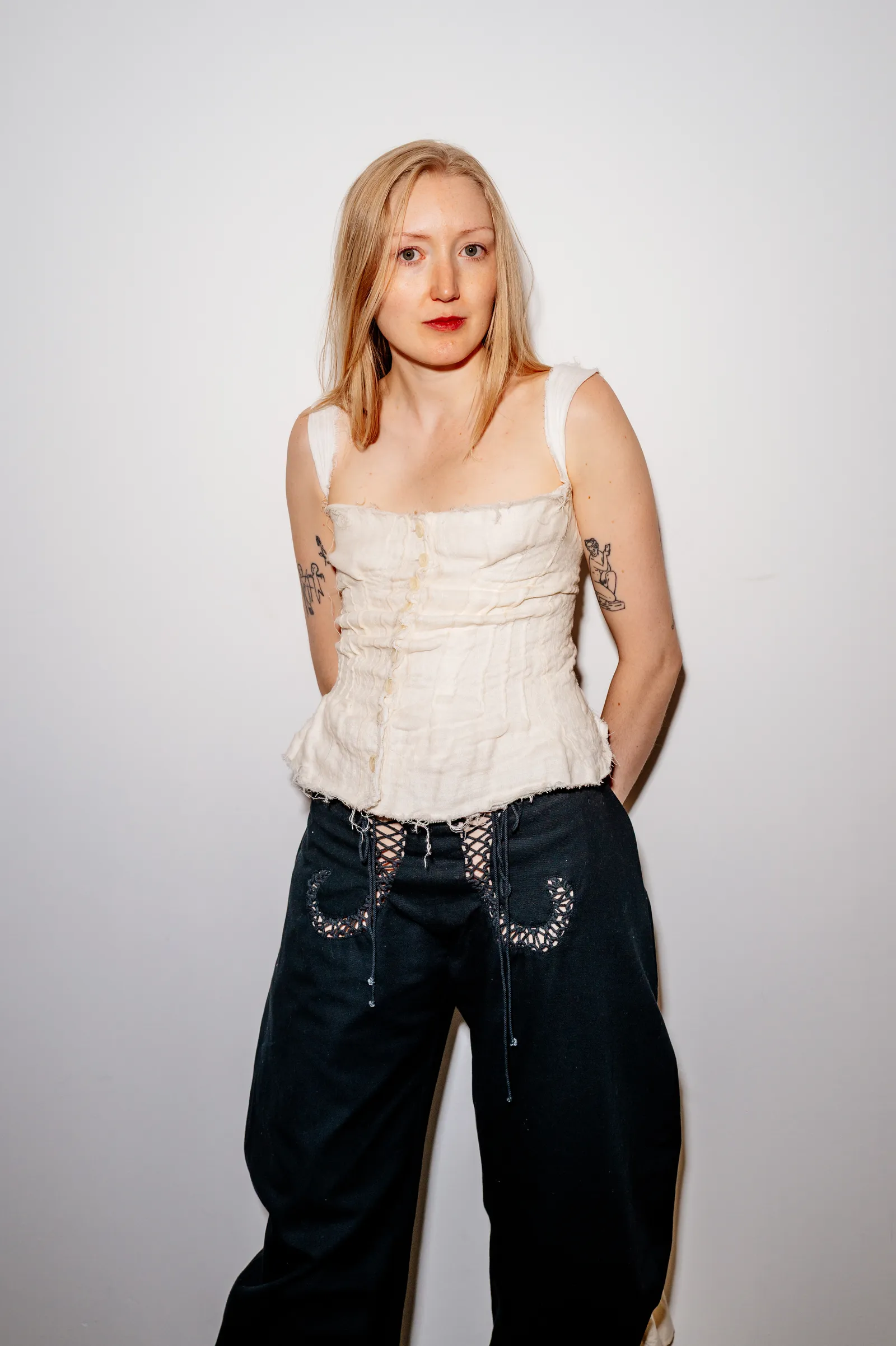
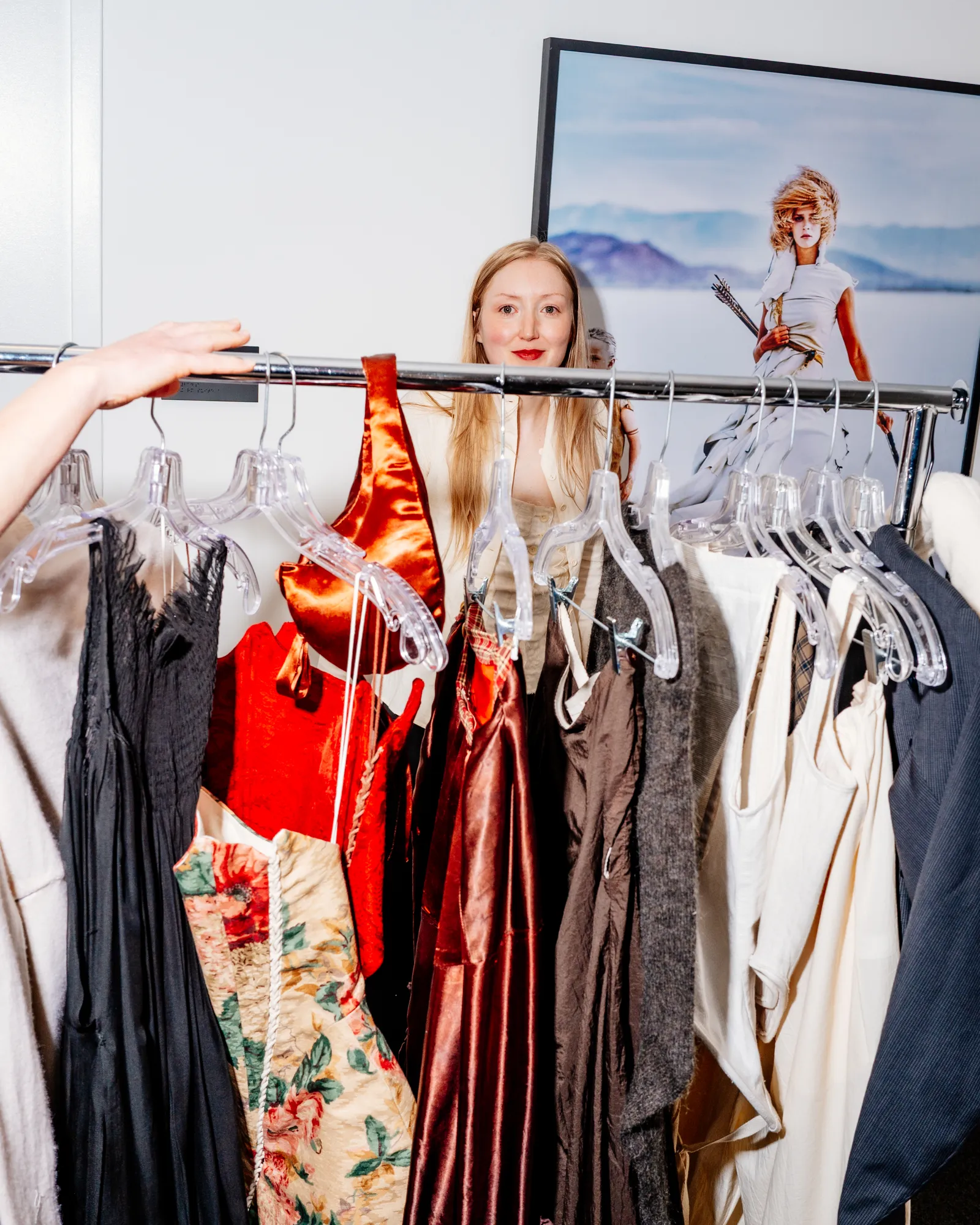
Zoe Gustavia Anna Whalen, founded in 2022
Designed by Zoe Gustavia Anna Whalen
From Boston; now based in New York City
What is your first memory of fashion making an impact on you?
An advertisement for Oscar de la Renta’s red shoes, featured in an early subscription of Vogue, captured my imagination as a young girl.
What was your first job in the industry?
My first paid role was at Bless in Paris, managing their store and archives, and assisting with small production tasks.
Which brands do you admire?
I am drawn to the conceptual work of Women’s History Museum and have always admired Miguel Adrover’s innovative designs.
Who is your dream muse, dead or alive?
Bernie Sanders.
What change would you advocate for in the fashion industry?
A transition away from polyester usage.
Business Style Takeaway: The CFDA/Vogue Fashion Fund continues to be a crucial incubator for American design talent, highlighting a diverse range of entrepreneurial spirits and creative visions. These emerging designers underscore the evolving landscape of the luxury market, where personal narrative, craftsmanship, and a commitment to sustainability are increasingly valued by discerning clientele.
Information compiled from materials : www.vogue.com