

While the immediate financial benefits of new theme park attractions are apparent—either through increased per-ride revenue or enhanced overall attendance—the true strategic impact is more profound.
The business model for theme parks, particularly those leveraging established Intellectual Property (IP), capitalizes on the emotional connection forged through media. Children’s desire to experience beloved characters and stories in person drives initial visits. This is strategically amplified by gift shops placed at attraction exits, capitalizing on a relaxed post-ride mindset to encourage merchandise purchases, which in turn serve as tangible reminders of the enjoyable experience, prompting repeat visits.
Entrance fees often function as loss leaders for theme park operators, failing to cover the substantial operational costs. However, once guests are within the park, they become a captive audience, compelled to purchase high-margin food, beverages, and merchandise. International visitors, typically extending their stays due to travel requirements, further augment revenue streams, significantly boosting profitability.
Disney, a recognized industry leader, has perfected this integrated resort strategy. Its developments often encompass multiple parks, entertainment districts, themed hotels, and even sports facilities, minimizing guest departures and maximizing on-site expenditure.
Yas Island in Abu Dhabi has emerged as a premier example of an all-in-one resort destination, home not only to prominent theme parks like SeaWorld, Warner Bros. World, Ferrari World, and Yas Waterworld but also a comprehensive array of entertainment and leisure amenities.
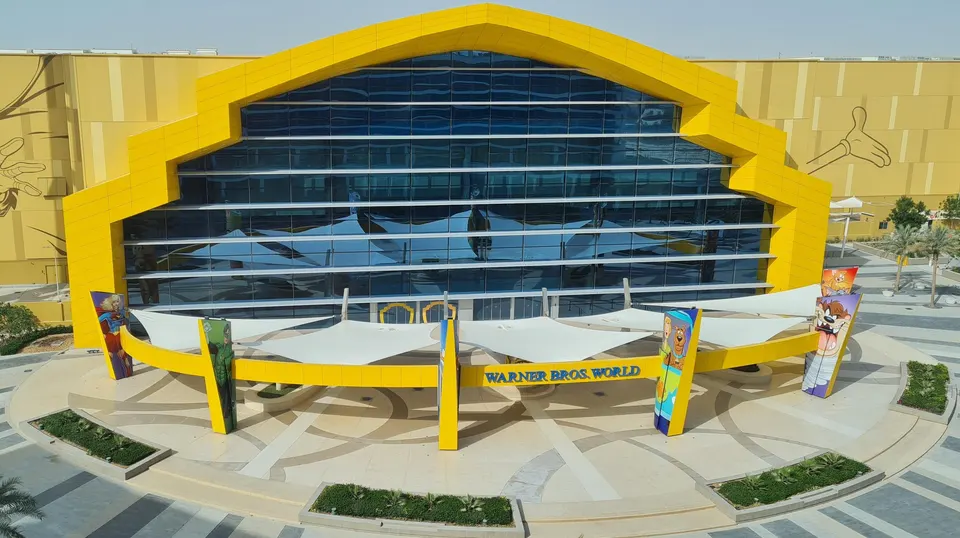
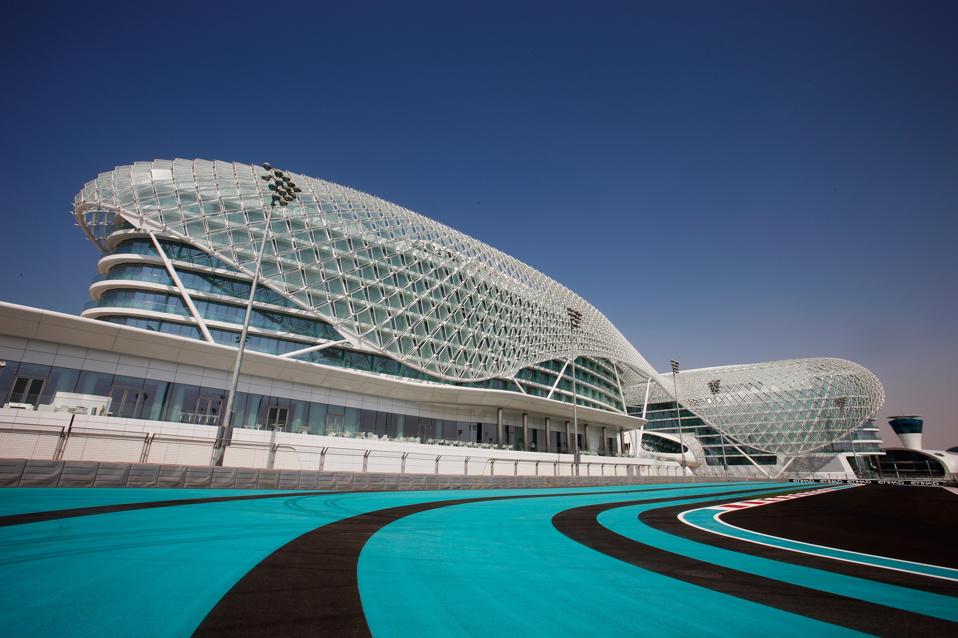
The island boasts a marina, an arena, a large shopping mall, luxury hotels, beaches, a racing circuit, indoor skydiving facilities, a climbing wall, and a golf course, all strategically located to offer a highly connected resort experience.
This diverse entertainment offering drives substantial visitor numbers, with Yas Island experiencing over 38 million visits in 2024 and a record-breaking summer in 2025, marked by a 15% year-on-year increase in visits and an average hotel occupancy rate of 85%. The destination has seen significant international growth, including notable increases from China, Russia, and the United Kingdom.
Yas Island is managed by Miral, an Abu Dhabi government-backed entity crucial to the UAE’s economic diversification strategy. By investing fossil fuel revenues into leisure infrastructure, Abu Dhabi aims to attract tourism and stimulate local businesses, with theme parks serving as a primary catalyst for attracting large numbers of visitors and broadening the economy.
The strategic vision for Yas Island is executed by Miral’s CEO, Mohamed Al Zaabi, and its chairman, Mohamed Al Mubarak, who also chairs Abu Dhabi’s Department of Culture and Tourism.
Al Zaabi, with a background in government and real estate development, brings extensive experience in integrating property development with economic strategy. Al Mubarak, a key figure in Abu Dhabi’s business landscape, has been instrumental in establishing the emirate as a cultural hub, attracting world-renowned institutions.
Al Mubarak’s leadership has been pivotal in bringing major cultural projects to Abu Dhabi, including the Louvre and preparations for a Guggenheim museum, solidifying the emirate’s cultural appeal.
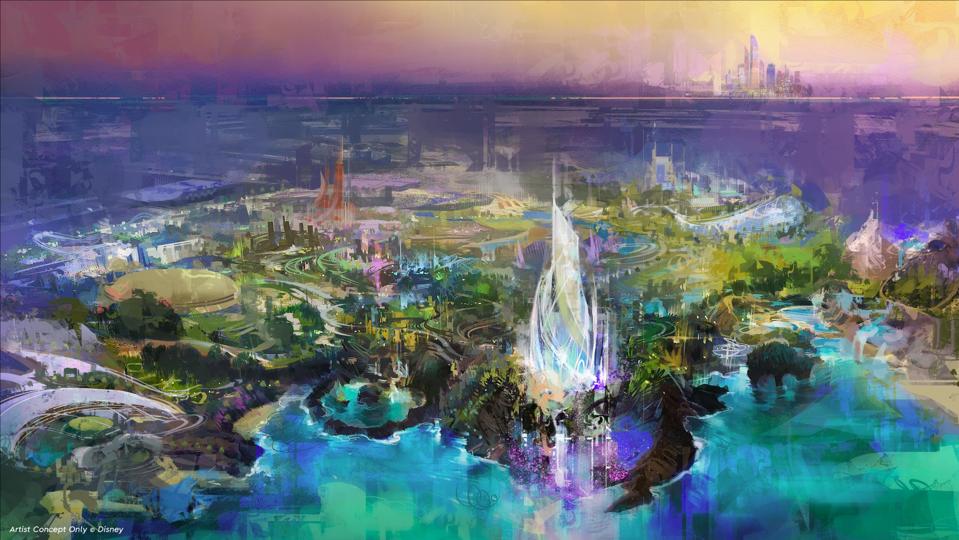
Despite these achievements, Miral, under Al Zaabi and Al Mubarak, continues to push boundaries. The announcement of Disney’s seventh resort being located on Yas Island is a significant development, poised to further boost tourism. This strategic decision was facilitated by Miral’s consistent focus on enhancing its theme park portfolio.
Al Zaabi emphasized Miral’s commitment to continuous improvement, stating, “The next experience will be better than the previous one. That’s what we do always at Miral. We keep pushing the bar.”

Warner Bros. World Abu Dhabi recently received the prestigious Liseberg Applause Award from the International Association of Amusement Parks and Attractions (IAAPA), recognizing its exceptional management, operations, and creative achievements, marking a first for a Middle Eastern destination.
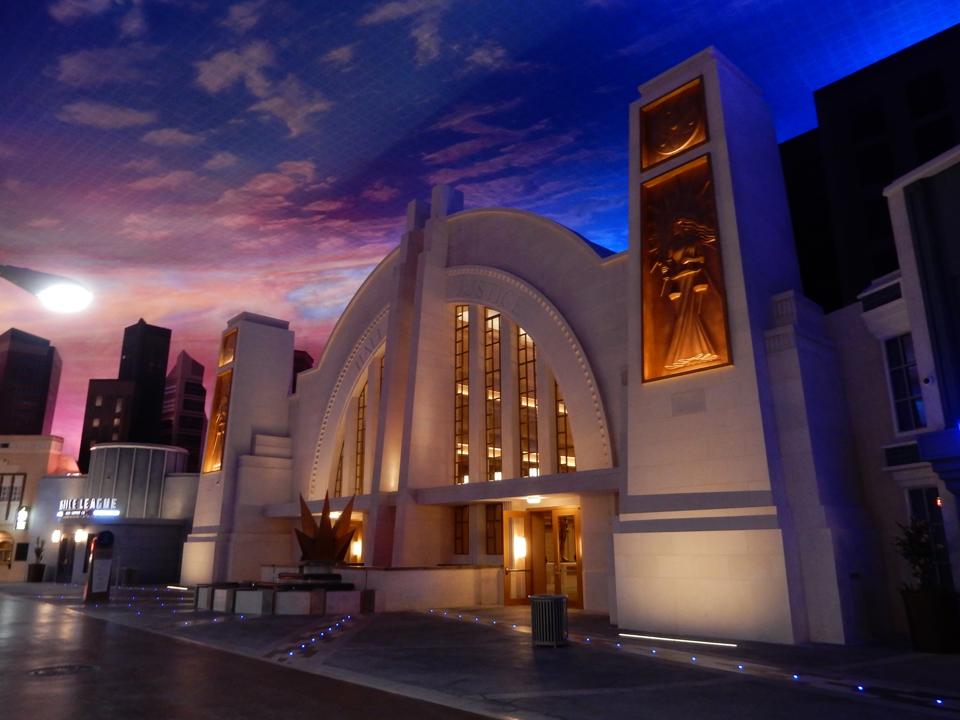
Miral is actively expanding Warner Bros. World, with plans for a Harry Potter-themed area and new DC Comics-based rides, including the “Superman Up and Away” roller coaster set to open in 2028. Additionally, the “Kryptonite Collider,” a new ride featuring spinning pendulum seats, is scheduled to open on July 26.
The development of the “Kryptonite Collider” includes an immersive storyline where riders are positioned as test subjects in Lex Luthor’s experiment to gain superpowers. This narrative extends beyond the ride itself, incorporating pre-ride theming and post-ride interactive digital elements to enhance the guest experience.
The detailed storytelling and theming, a hallmark of Al Zaabi’s approach, are crucial for Miral’s strategy. The promotional efforts, including a video integrated with the Superman universe, underscore the commitment to immersive experiences.
Chris Buker, Miral’s vice president of strategic planning and revenue management, emphasizes that attractions are viewed as components of a larger ecosystem designed to drive visitation, engagement, loyalty, and long-term customer value, rather than standalone products.
Buker explains the “theme park flywheel” concept: “New product creates a reason to visit. Visitation creates engagement. Engagement builds loyalty. Loyalty increases lifetime value. Then the cycle begins again.” This continuous cycle of innovation and guest engagement is key to sustained success.
Buker’s extensive background in the entertainment industry, including roles at Paramount Pictures, his pioneering work with digital video platforms, and his strategic tenure at Disney, positions him to significantly contribute to Miral’s growth, particularly with the prospective development of Disneyland Abu Dhabi.
His recent move to Abu Dhabi aligns with the region’s ambitions to expand its tourism and entertainment sectors, including the long-term vision for Disneyland Abu Dhabi.
Business Style Takeaway: Theme park development is a multifaceted strategy that extends beyond ticket sales, encompassing immersive experiences, retail integration, and comprehensive resort offerings to maximize visitor engagement and long-term profitability. Yas Island’s success demonstrates how a holistic approach to destination development can drive economic diversification and establish a region as a global tourism hub.
Details can be found on the website : www.forbes.com