

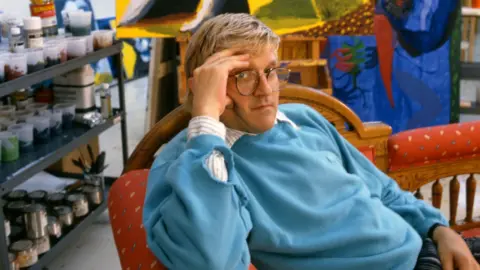
David Hockney, a towering figure in the art world, has passed away at the age of 88. Revered as Britain’s favourite artist, he was known for his trenchant views, delivered with the unmistakable cadence of his native Yorkshire vowels. His creative genius spanned virtually every medium, from painting and photography to digital art on iPads, and encompassed everything from grand opera designs to intimate etchings.
 Getty Images
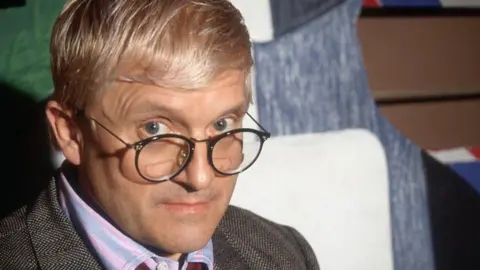
Emerging in the 1960s with his signature peroxide blonde hair, round glasses, and distinctive cap, Hockney quickly became a sensation. His artistic journey was marked by an unwavering commitment to his personal passions, famously encapsulated in his mantra: “Paint the things you love.” This philosophy resonated deeply with the public, culminating in 2018 when one of his iconic swimming pool paintings fetched nearly £70 million at auction, a testament to his enduring appeal and record-breaking success as a living artist.
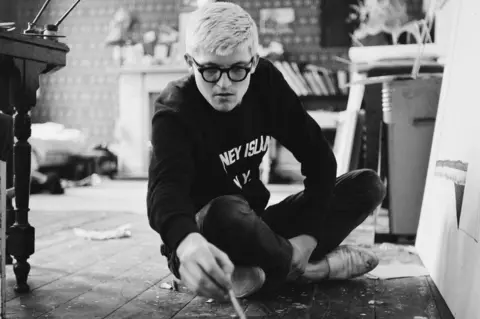
Born on July 9, 1937, in Bradford, Hockney’s early life was shaped by a conscientious objector father who championed social justice and a strong-willed Methodist mother. Growing up in a close-knit family during wartime austerity, he developed a singular focus on drawing, often using scarce materials like hymn books for his early practice.
 Getty Images
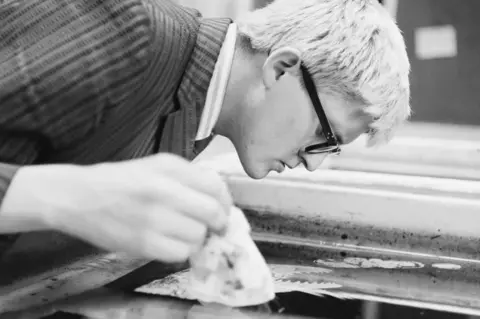
Despite his undeniable talent, his early academic path was unconventional. At Bradford Grammar School, he famously declared his aptitude solely for art, much to the chagrin of his tutors. His dedication was apparent even then; upon entering art school at 16, he presented himself in a pinstriped suit and bowler hat, a visual dichotomy to his prodigious work ethic that saw him dedicating 12 hours a day to his craft.
 Getty Images
His time spent as a conscientious objector during National Service, undertaking duties in a morgue, was a stark contrast to the vibrant artistic life he pursued at the Royal College of Art in London. There, amidst the burgeoning Pop Art scene, he was advised by fellow student RB Kitaj to focus solely on what he loved, a pivotal moment that guided his artistic direction. This period also saw him explore his burgeoning homosexuality, a theme that would weave through his art, notably in a portrait depicting an intimate moment with poet Walt Whitman, challenging societal norms and reflecting his personal journey of self-discovery.
 Getty Images
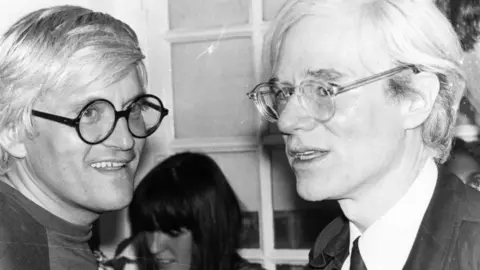
His refusal to write a required essay for graduation, a testament to his independent spirit, nearly cost him his degree, but the ensuing outcry led the Royal College to award him his diploma and a Gold Medal. This rebellious streak, coupled with his burgeoning fame amplified by the rise of celebrity culture and glossy magazines, saw him pictured alongside figures like Andy Warhol. Yet, Hockney yearned for more, seeking “Paradise” and the perfect light, which he found in Los Angeles in 1964.
 Getty Images
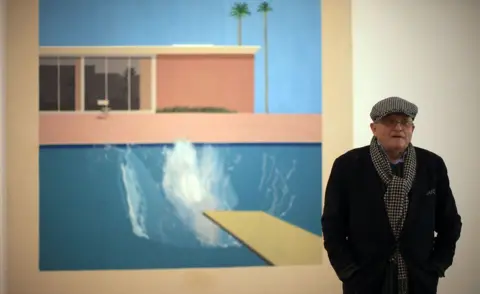
The shimmering swimming pools and the promise of a carefree, liberated lifestyle captivated him. Abandoning his British oil paints for vibrant acrylics, he infused his canvases with the dazzling light and relaxed atmosphere of California, all while retaining his cherished Yorkshire accent that charmed his new American audience. This era birthed his most iconic works, particularly the celebrated “A Bigger Splash,” a masterful depiction of fleeting action and ordered perfection, which also served as a subtle affirmation of a lifestyle then considered taboo.
 Getty Images
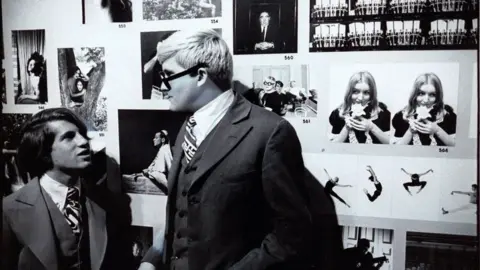
His return to London was met with a confrontation over censorship when customs officials seized his art magazines. Hockney’s vocal campaign against this, involving direct confrontation with government officials, ultimately led to the return of his property, highlighting his commitment to artistic freedom and challenging societal constraints.
 Getty Images
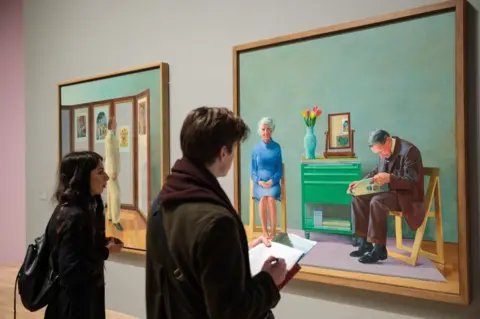
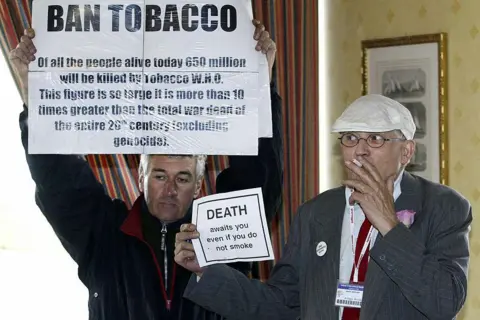
The artist’s relentless creative drive was evident in his constant pursuit of new artistic challenges. Even as personal heartbreak struck with the dissolution of his relationship with Peter Schlesinger, and later as the devastating AIDS epidemic claimed friends, Hockney channeled his emotions into his art, using it as a means to preserve memories and maintain connections. This period also saw him become a vocal critic of societal restrictions, particularly the ban on public smoking, which he viewed as an infringement on personal freedom, drawing parallels to wartime necessities.
 Getty Images
While the contemporary art scene in the 1990s was captivated by conceptual artists like Damien Hirst and Tracey Emin, Hockney returned to his roots, focusing on painting, particularly landscapes. His move back to Yorkshire, painting the serene countryside, was a deliberate choice to capture a sense of enduring beauty, creating works of impressive scale that invited viewers into the scene. These landscapes, often painted outdoors in various conditions, represented a challenge to the prevailing artistic trends, offering a powerful connection to nature and memory.
 Getty Images
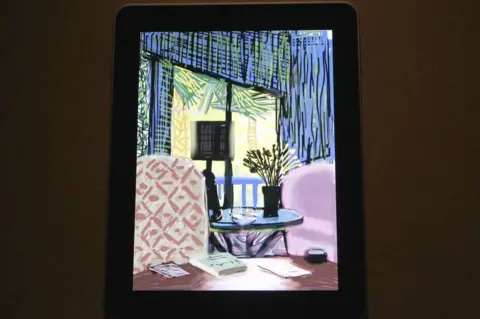
Hockney’s embrace of technology was remarkable, from his early explorations with Polaroid collages in the 1970s to his later adoption of photocopiers, fax machines, smartphones, and tablets. These innovations allowed him to continually experiment with perspective and scale, creating vast, intricate works. Despite facing personal tragedy and the profound impact of hearing loss, his creative output remained prolific. He continued to explore new themes, including intimate portraits of friends like Harry Styles and expansive digital landscapes.
 Getty Images
Hockney’s life was marked by a unique blend of artistic pursuit and a steadfast refusal to conform. He famously turned down numerous honours, including a knighthood, though he did accept the prestigious Order of Merit. His legacy is cemented not only by his groundbreaking artwork but also by his personality: a witty, outspoken artist who remained true to his Yorkshire roots and his personal vision, forever painting the world as he saw it, and more importantly, as he loved it.
Tributes paid to David Hockney, a ‘giant’ and ‘true icon’ of British art
Swimming pools, changing seasons and Harry Styles: David Hockney’s art in pictures
Bradford pays tribute to ‘most inspiring son’
Business Style Takeaway: David Hockney’s career exemplifies how authenticity and a relentless pursuit of personal vision can transcend artistic trends and achieve global resonance. For businesses and brands, his journey underscores the power of developing a distinctive voice, embracing innovation, and staying true to core values, even amidst evolving cultural landscapes. This approach is crucial for building lasting connections with audiences and establishing enduring relevance in a competitive marketplace.
Based on materials from : www.bbc.com