

Chelsi Banks, a fashion enthusiast at just 13, masterfully orchestrated modeling-focused group chats on Instagram. These exclusive digital spaces served as a hub for aspiring teen models to refine their runway skills and navigate the path to being scouted. Entry required submitting unretouched digitals, the industry standard for casting calls.
“I would get in and I’d take over. I’d be like, Okay, now we’re going to get serious,” Chelsi recalls. The now 19-year-old reflects with amusement on her assertive leadership style. “I would make them take a fashion quiz to stay. I’d make them pronounce different brands,” she explains, listing challenging designer names like Proenza Schouler, Loewe, and Alaïa. “If they couldn’t, they’d be kicked out.”
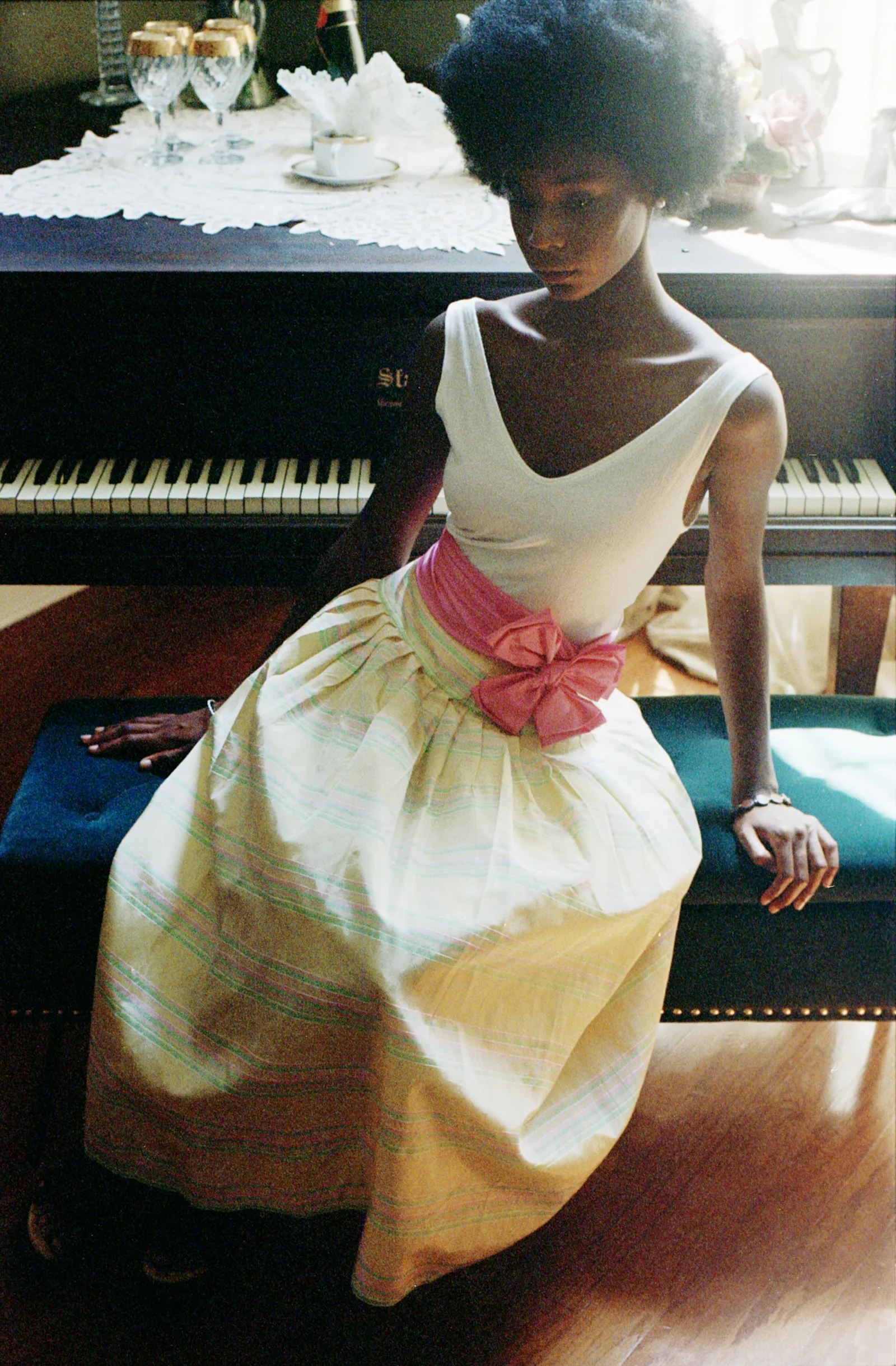
Cultivating a Fashion Intellect
Chelsi’s deep understanding of the fashion world was honed through extensive online immersion. She connected with like-minded individuals on Twitter and meticulously studied compilations of supermodels from the 1990s to the 2010s on YouTube. Her fascination was particularly ignited by the online fandom surrounding Eastern European models of the early 2000s, such as Vlada Roslyakova and Tanya Dziahileva, affectionately known as the Russian Dolls.
This self-directed education was paramount. Chelsi persistently requested magazine subscriptions from her mother, delved into documentaries focused on the fashion industry’s inner workings, and cultivated a significant following on high-fashion Twitter. She found a profound sense of validation when Karlie Kloss, a model who transitioned into a mogul, reposted some of Chelsi’s recreated looks.
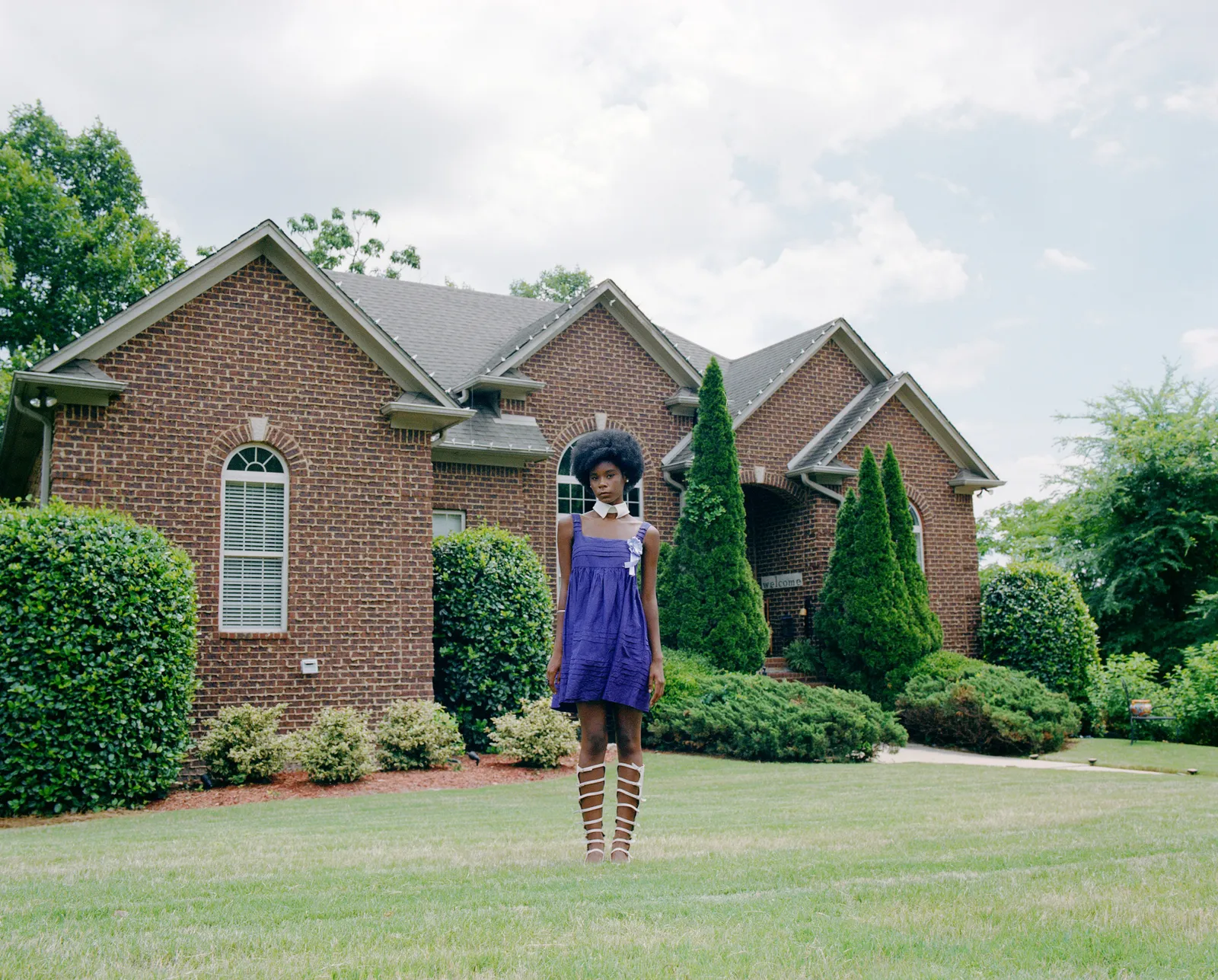
From Digital Style to Personal Expression
Chelsi’s passion for fashion soon transcended the digital realm and permeated her daily life. As the pandemic prompted a shift to remote learning, Chelsi embraced Zoom classes as an opportunity to experiment with her wardrobe, albeit with her camera off. Taking inspiration from the early style of Emma Chamberlain, characterized by its 90s influence, she adopted a look comprising sweatshirts or sweater-vests paired with high-waisted jeans. This understated ensemble marked a distinct departure from the ubiquitous Nike shorts and oversized tees favored by her peers.
Upon returning to in-person classes the following year, Chelsi had already evolved her aesthetic, incorporating elements like delicate lace socks and corsets layered over t-shirts. Her distinctive personal style amplified her already noticeable presence. As often the only Black student in her classes at a small, insular school in suburban Birmingham, Alabama, Chelsi became accustomed to whispered commentary. She found solace in her online community, connecting with other teenagers who felt like outsiders but exuded confidence. The anticipation of life beyond high school provided perspective: “I’m never going to see [my classmates] again,” she reasoned. “So if they don’t like me, it’s fine.”
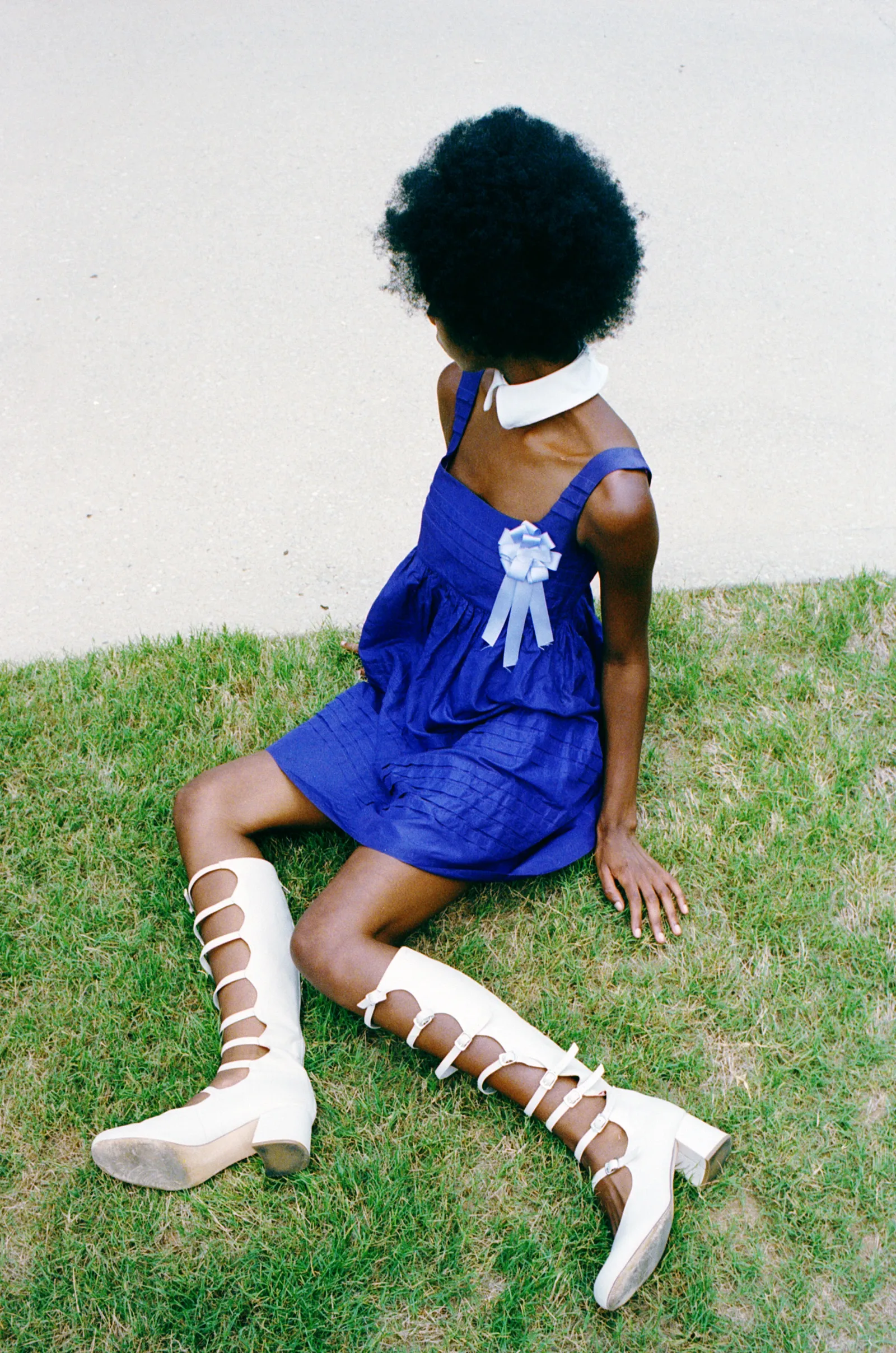
Establishing Style Leadership
By her sophomore year, Chelsi had found her stride. She confidently wore her signature four-and-a-half-inch Mary Jane platforms to school and forged new friendships. She documented her daily ensembles through photos shared on her Instagram Stories, accompanied by the nonchalant caption, “Walking into school.” Following persistent advocacy, she successfully established her school’s fashion club. “Everyone in the whole district was aware that I was starting it because it was so hard to convince them that we should have a fashion club. They were like, What’s the purpose? Who cares about this?” Yet, the club thrived, attracting 25 dedicated members who engaged in creating physical mood boards to express their relationship with fashion.
As graduation neared, Chelsi’s aspiration to pursue fashion studies in college was unwavering. However, prestigious design schools like Parsons and the Fashion Institute of Technology remained financially unattainable, even with offered scholarships. She ultimately chose Auburn University, a more accessible in-state institution with established fashion industry connections. Now a sophomore, she is pursuing apparel merchandising and journalism. The same drive that propelled her early online endeavors continues to fuel her academic career; she has rapidly ascended the ranks at Auburn’s fashion magazine, Swatch, with her sights set on the editor-in-chief position.
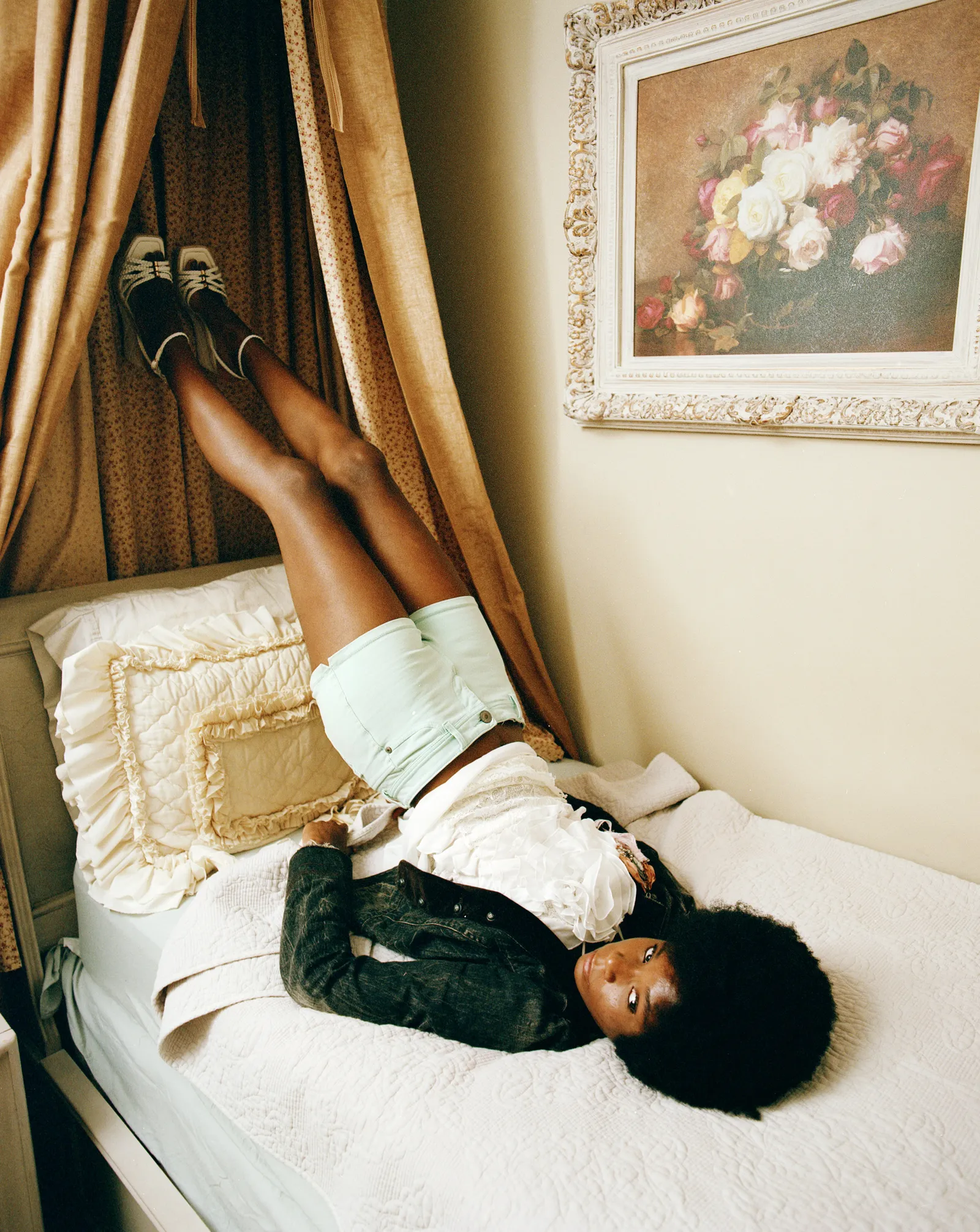
A Curated Personal Aesthetic
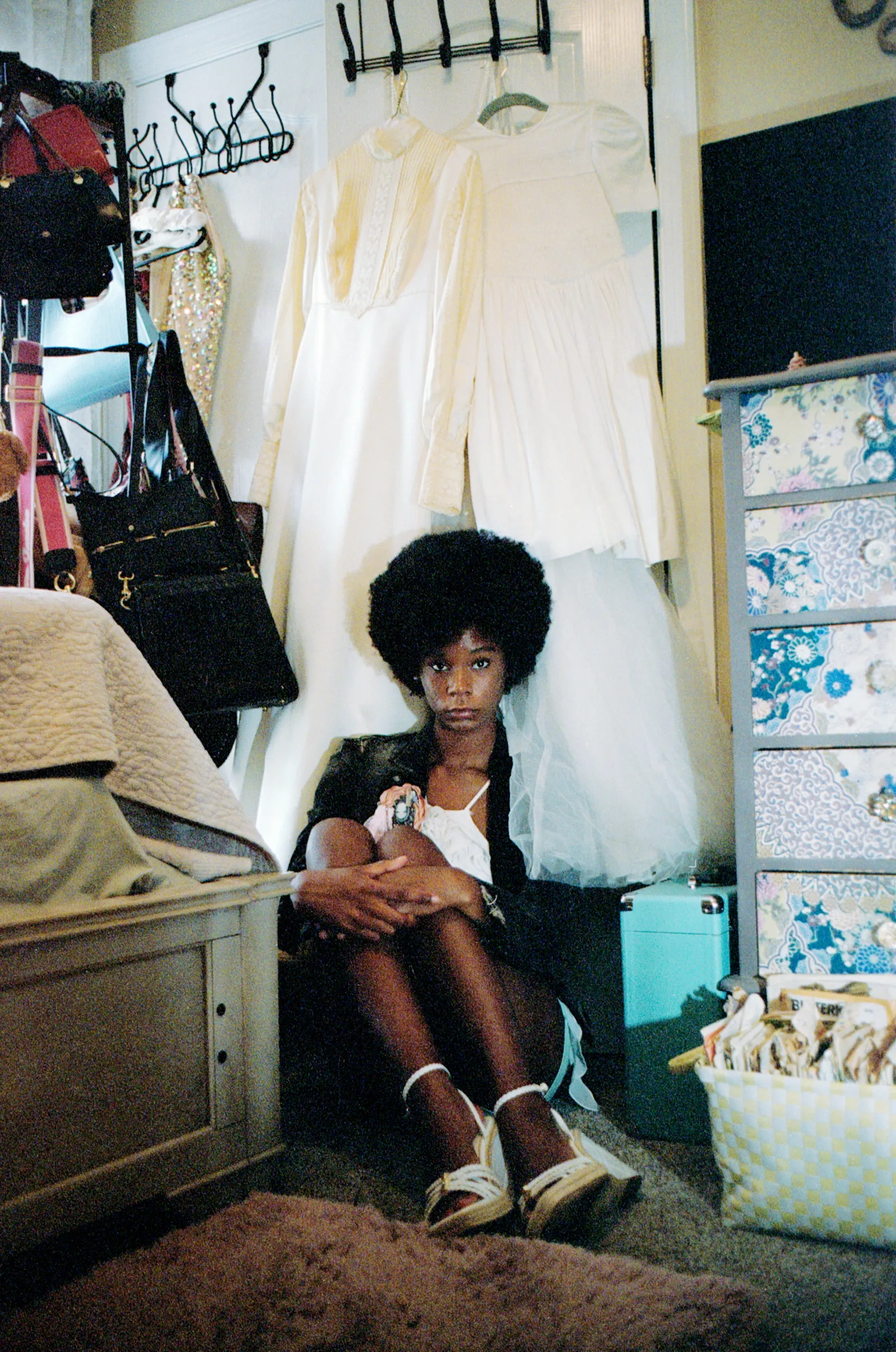
As she entered her late teens, Chelsi’s sartorial sensibilities began to mature. Inspired by the whimsical charm of Miu Miu and the bold graphic aesthetic of 2010s teen magazines like Rookie, she cultivated a style that was both endearing and assertive. The inherent sweetness of her wardrobe, featuring babydoll dresses and bubble-hem skirts, occasionally contrasts with the sharp, internet-driven fashion landscape that initially shaped her. Her personal collection, housed in her childhood bedroom, boasts a carefully curated selection of ultrafeminine, often vintage pieces from esteemed labels such as Miu Miu, Marc Jacobs, and Betsey Johnson. A canopy crafted by her mother, Theresa, drapes elegantly over her twin bed, adding a touch of princess-like grandeur. Even her miniature waste bin is playfully adorned with a pink tulle tutu.
While Chelsi honed her fashion acumen through online consumption, her understanding of garment construction developed at home. Adjacent to Chelsi’s room lies her mother Theresa’s dedicated craft space, meticulously organized with stacks of fabric, an array of trims, and multiple sewing machines. Theresa, a veteran of the armed forces in her seventies, discovered sewing as a pastime during her military service and subsequently passed down her expertise to Chelsi. Before our interview, Theresa proudly displayed a charming sailor shirt she created for Chelsi, inspired by a $900 Miu Miu piece encountered during a trip to New York. Chelsi, in turn, showcased her own creations: a vibrant collection of prize ribbons, thoughtfully reinterpreted from designer Sandy Liang’s celebrated designs.
Navigating the Digital Landscape Today
Chelsi has largely moved beyond the online fashion communities that initially shaped her. Her Twitter presence is now dormant, and the modeling group chats faded years ago, eventually dissolving amid the political discourse surrounding the COVID-19 era. While still utilizing the internet as a research tool, her approach is now more discerning. She draws inspiration from creators like Rian Phin, who is recognized for her in-depth research and comprehensive understanding of fashion and culture. “She makes it all interconnected,” Chelsi remarks of Phin’s work. “That makes fashion so much more than just clothes. I think that’s really important.”
She expresses a distinct wariness towards the impact of technology on her generation’s stylistic development, particularly how social media and AI can homogenize influences. “I’m really anti-AI,” she states emphatically. “Whenever anyone talks about it, I get mad.” This conviction was even articulated in her journalism midterm, where she penned an essay arguing against the use of ChatGPT or AI styling tools for fashion advice. Chelsi applies the same principles to her personal style. “I don’t want to go on Pinterest and type in ‘cute outfit aesthetic’ every morning,” she says. “I want to make sure that I’m letting my style progress as it should for me, not how my algorithm wants it to.”

Business Style Takeaway: Chelsi Banks exemplifies a new wave of digitally-native fashion influencers who prioritize authentic self-expression and critical engagement with trends. Her journey highlights the increasing importance of personalized style curation over algorithm-driven consumption, influencing how brands connect with younger, discerning audiences.
Details can be found on the website : www.vogue.com