

Escaping into worlds of dragons, faeries, and demons offers more than just literary pleasure for members of a burgeoning romantasy book club. This niche genre, a fusion of romance and fantasy, has seen a dramatic surge in popularity, largely propelled by the viral #BookTok phenomenon on TikTok.
While online communities have long celebrated authors like Sarah J. Maas and Rebecca Yarros, a group of avid readers in Suffolk, England, has taken their passion offline, establishing a vibrant in-person book club.
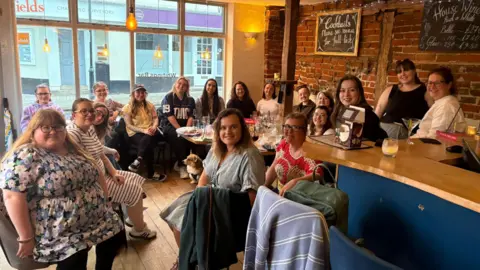
Lauren Emms, a 27-year-old resident of Bacton, founded The Bury Romance and Romantasy Book Club, which has become a vital social hub for individuals in rural areas. Emms, who describes herself as a lifelong reader, recalled being “the kid that sat in the corner at parties and read their book.”
Her foray into community building began last September with a Bookstagram account, a dedicated Instagram profile for book enthusiasts. This digital connection soon translated into local friendships, inspiring her to launch a specialized book club focused on romance and romantasy.
 Lauren Emms
“I thought, ‘Why not do it?'” Emms shared, detailing her efforts to secure a venue. “So I spent about a month emailing loads of different venues like cafes and things like that.”
Her persistence paid off when Whiting’s Bar in Bury St Edmunds expressed enthusiasm, not only offering to host the monthly gatherings but also proposing the creation of themed “bookish cocktails.” This collaboration proved to be a significant draw.
“I decided that would be a really good venue, and then created an Instagram page for the book club, and it just blew up,” Emms continued. “Within two days, it had over 150 people following.”
 Lauren Emms
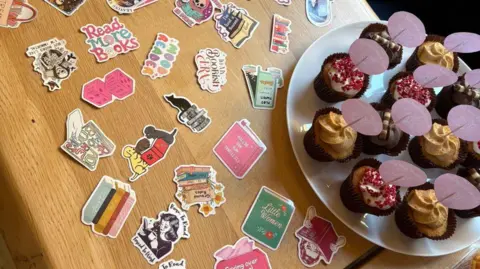
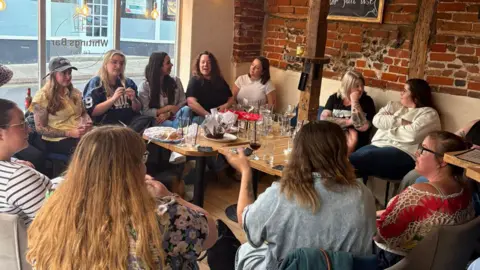
The club convenes monthly, offering a free-to-attend space for members to delve into chosen readings. Discussions range from epic tales of witches and dragon riders, as seen in their recent read, “Blood Bound,” to other captivating romantasy novels.
Emms highlighted the club’s significant impact on combating social isolation, particularly in a rural setting like Suffolk. She recalled one particularly shy member who, initially anxious about attending, found herself fully engaged and laughing with the group by the end of the evening. “To see how we were on the first night, being strangers to now being really good friends, I just think it’s lovely,” Emms remarked.
 Lauren Emms
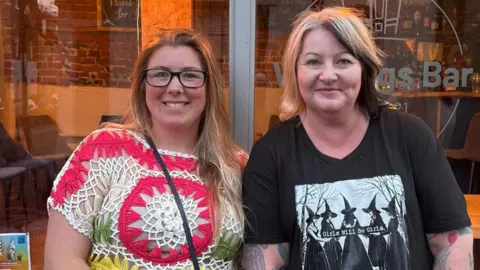
Belinda Hart, 50, a member from Bury St Edmunds who discovered the club via Instagram, echoed these sentiments. “I was quite nervous about going, especially going on my own… but I’m so glad I did it,” she stated, praising the “lovely bunch with such nice varied ages.” Hart also emphasized the importance of such gatherings post-pandemic, acknowledging its impact on social anxiety and noting the positive effect of a shared interest in fostering connections.
 Lauren Emms
Holly Spivey, 35, another attendee, recognized the potential of Emms’ idea from its inception. “Combining Lauren’s creative flair and social media presence, I knew it would be a hit,” Spivey noted. As a single mother, she finds the club invaluable for building new relationships and combating the potential isolation of her demographic. “Clubs like this not only break up the day-to-day with relationships made in the club but connect you to like-minded people and help support our town’s local businesses,” she added.
 Lauren Emms
The success of this initiative underscores a broader cultural trend: the rise of niche online communities translating into tangible, real-world connections. As digital platforms continue to shape social interaction, the power of shared interests to foster genuine friendships and combat isolation remains a potent force, with implications for everything from mental well-being to local economic vitality.
Business Style Takeaway: The resurgence of in-person gatherings, fueled by niche digital trends like #BookTok, demonstrates the enduring human need for community and shared experiences. Brands and businesses aiming for global resonance should recognize how culture, particularly through social media-driven subcultures, can drive demand for both digital and physical spaces that facilitate authentic connection and belonging.
Original article : www.bbc.com