

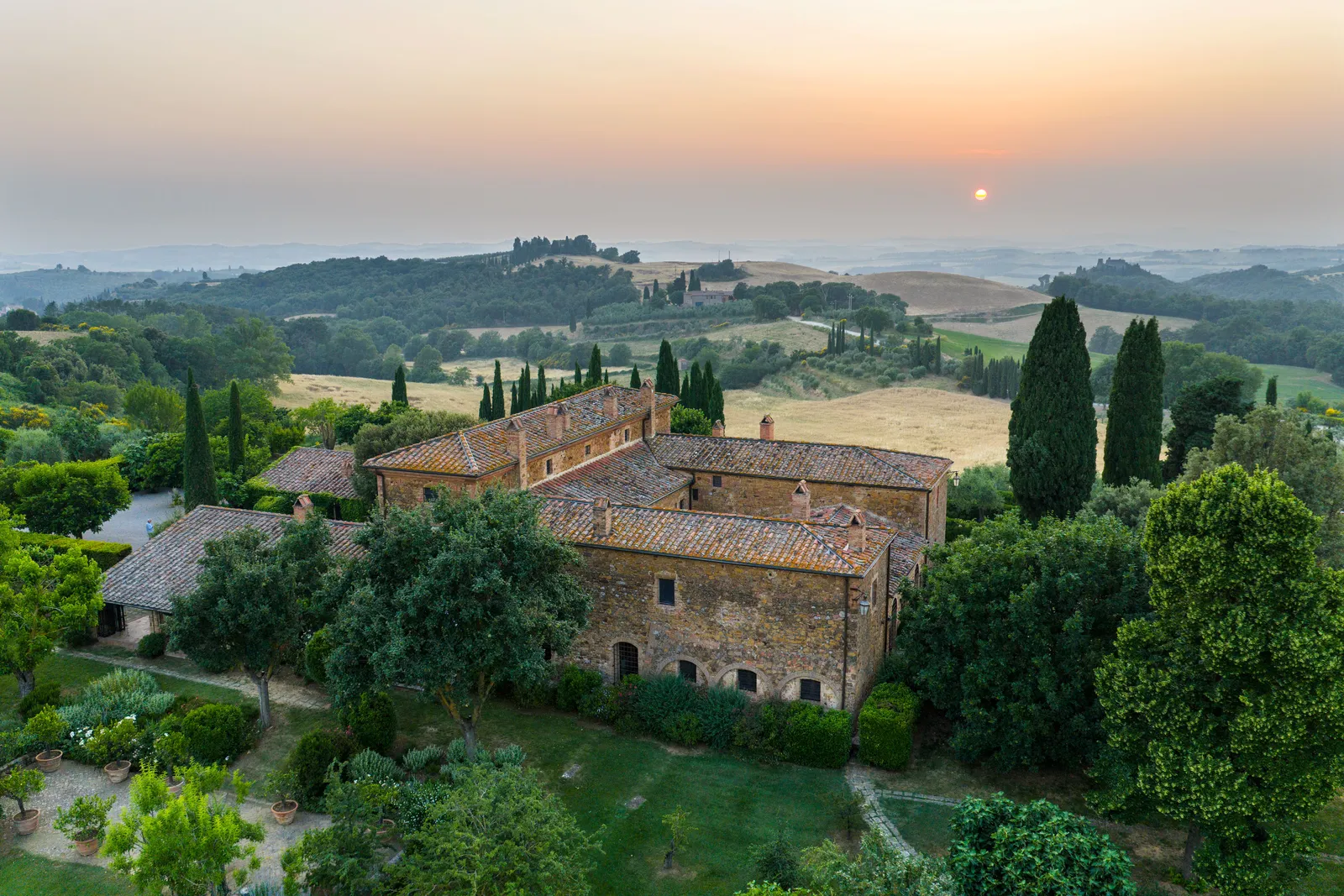
Nestled within the renowned wine-producing landscape of Montalcino, Tuscany, lies the historic estate of La Porrona. Originally established in the 14th century as a strategic defensive outpost for the Republic of Siena, its military purpose ceased with changing geopolitical fortunes, leading to its transformation into a pastoral country house.
A Vision Reborn
Pino Brusone, a distinguished executive from the fashion industry, acquired La Porrona in 2000. Initially seeking a modest rural retreat, he was captivated by the estate’s commanding presence—a nearly 13,000-square-foot farmhouse set upon over 170 acres. The sheer scale was overwhelming, yet the enduring allure of the panoramic Tuscan vistas proved irresistible, etching a lasting impression that persisted long after his initial visits.
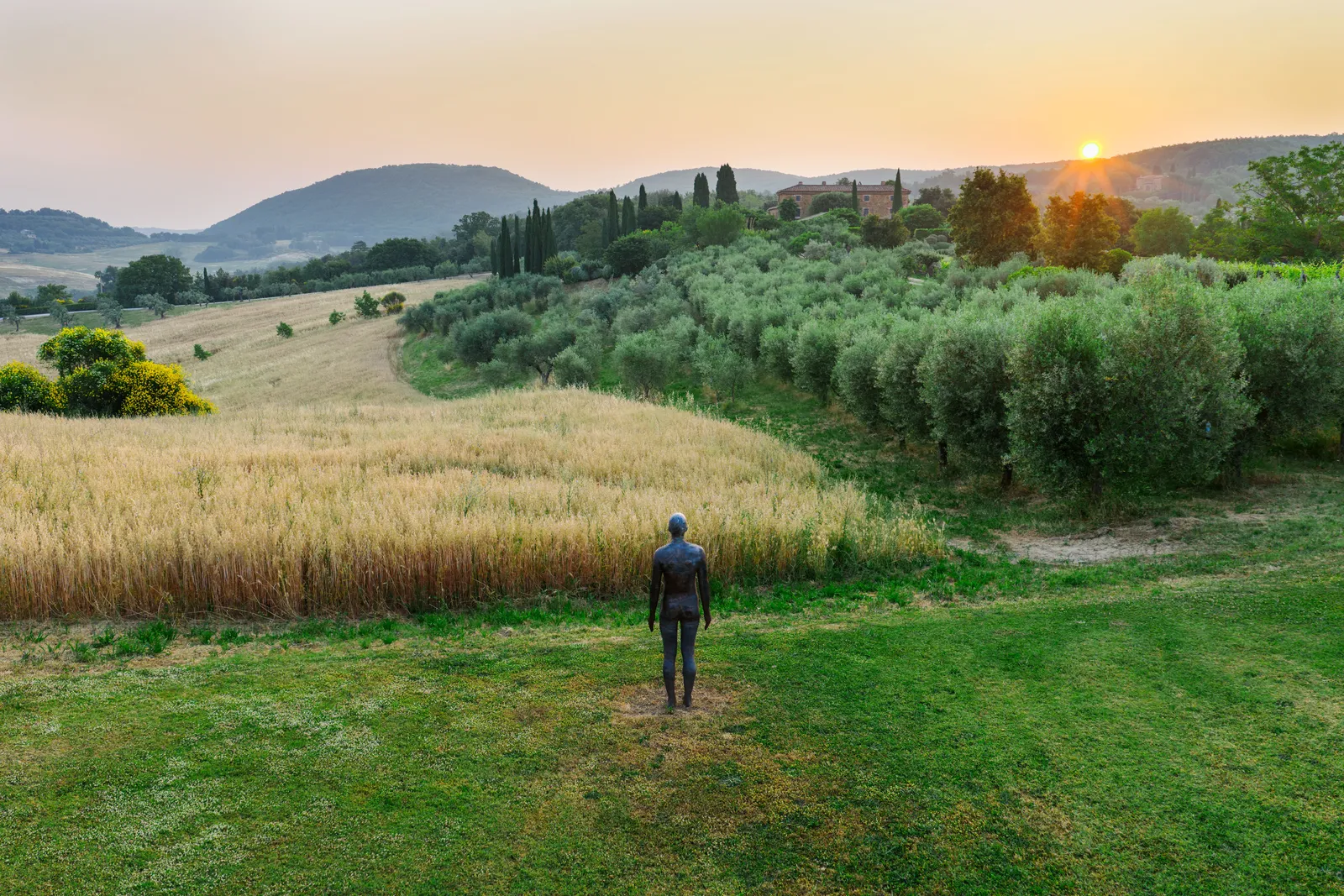
The estate’s defining characteristic is its profound sense of seclusion, with the Tuscan countryside unfurling in every direction without interruption. Ancient cypress trees stand sentinel over fragrant rosemary and vines, their landscape shaped by the grazing of sheep. The only hint of civilization visible from this vantage point, Brusone notes, is the distant, twinkling lights of Siena after nightfall.
Harmonious Collaboration
During this period of acquisition, Brusone reconnected with Peter Curzon, a British landscape architect whose talent he had previously admired when Curzon designed a garden for his former employer, Giorgio Armani. Brusone sought to preserve the authentic countryside ambiance, aiming for a design that was both simple and elegant, yet possessed a distinctive character.
This collaboration, spanning over two decades, has culminated in a landscape that masterfully integrates Brusone’s collection of contemporary sculpture with the estate’s historical integrity, creating refined spaces ideal for sophisticated outdoor living and social gatherings.
The Landscape Unveiled
The journey to La Porrona is a picturesque descent along a winding driveway that gracefully follows the undulating terrain. Upon arrival, a short ascent up stone steps leads to a gravel forecourt, naturally shaded by mature mulberry trees. A gateway opens into an enclosed stone courtyard, centered by a serene raised pond, home to vibrant koi, and anchored by a stately holm oak.
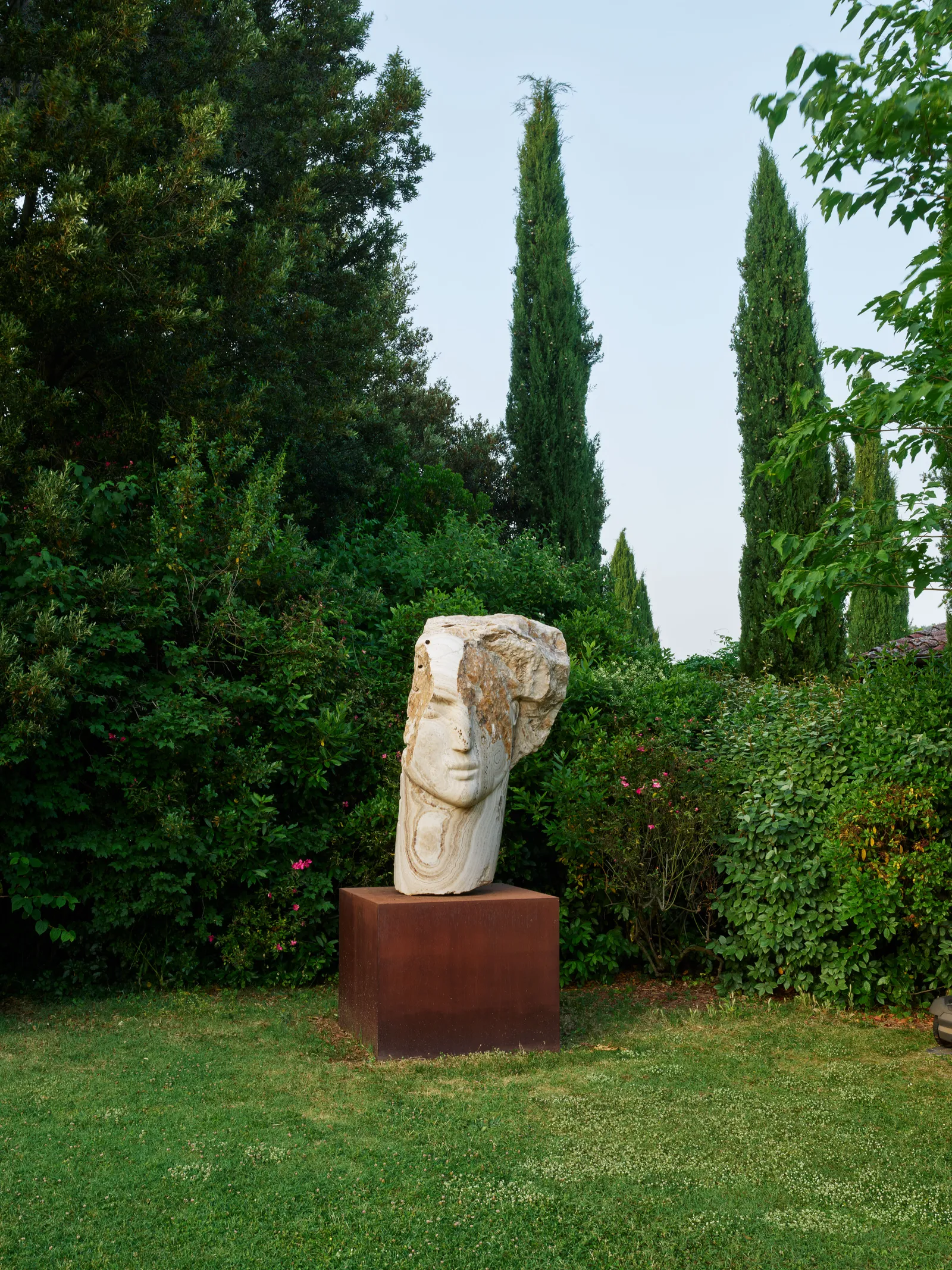
“From here, one can proceed along the expansive lawn leading to a striking sculpture by Emily Young,” Curzon explains, referencing the imposing onyx face that graces the North Lawn, “or continue towards the terrace adorned with lemon trees, which occupies the space of the historic aia, the ancient threshing floor where grain was once processed.”
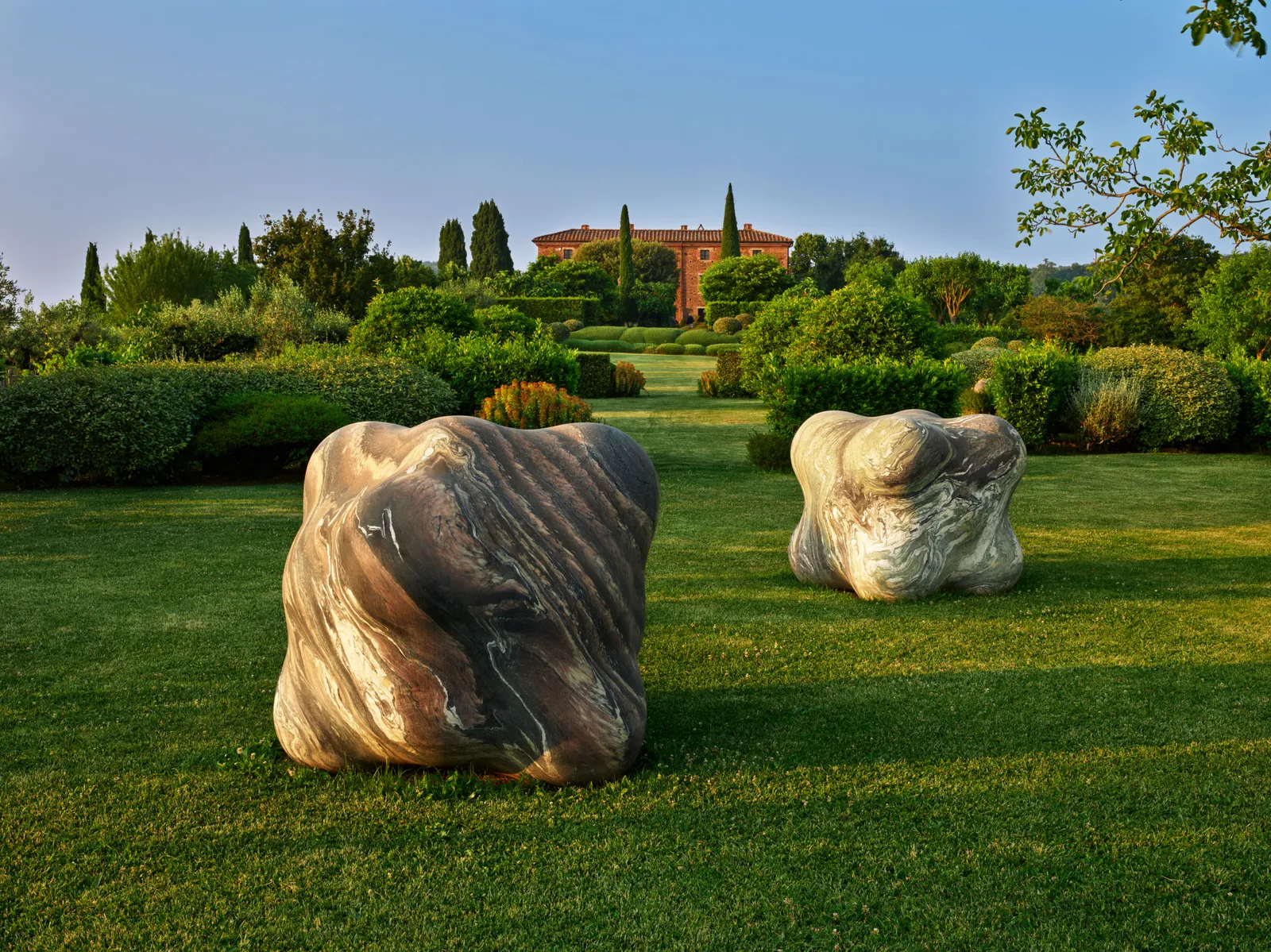
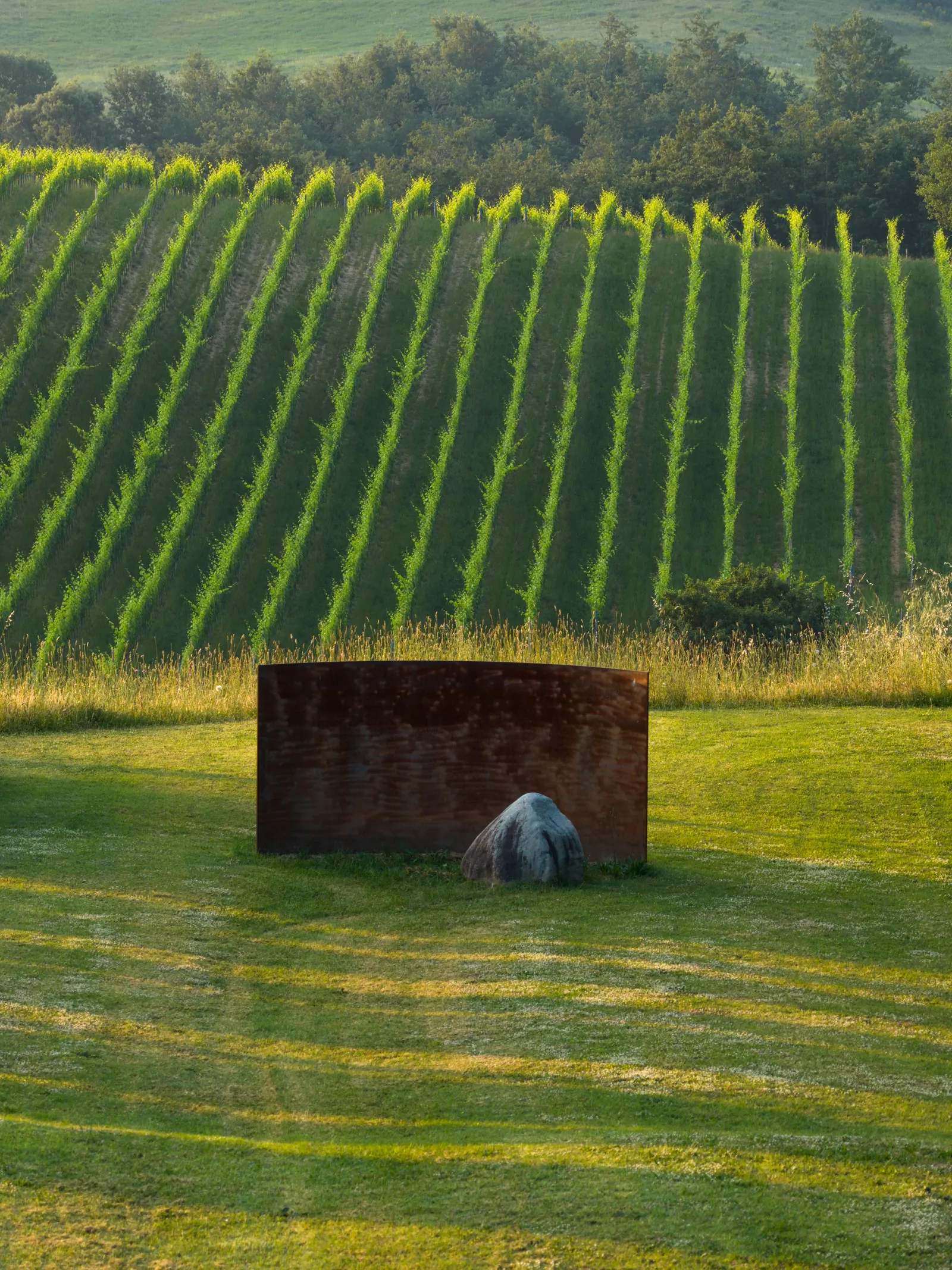
Beyond the aia lies the South Lawn, a sweeping expanse of grass adorned with a collection of monolithic stone sculptures by Peter Randall-Page. The perimeter is elegantly defined by Curzon’s selection of “architectural plants”—oleaster, rosemary, and bay laurel—interspersed with flowering shrubs chosen for their sequential bloom and captivating fragrances, including early-blooming Spiraea, delicate white-blossomed Philadelphus, and the intensely perfumed Osmanthus, which, as Curzon notes, “creates an ineffable scent that just wafts around.”
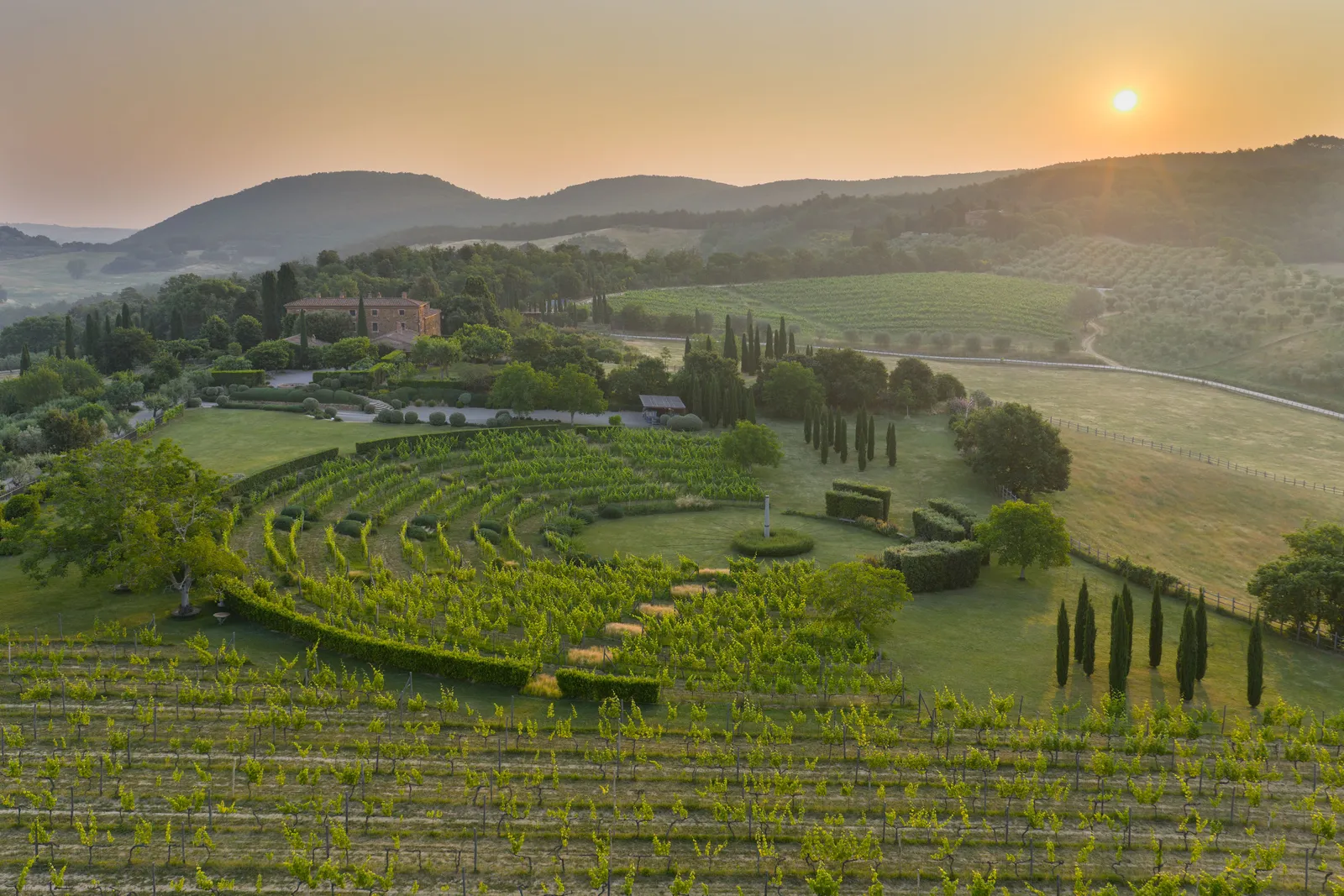
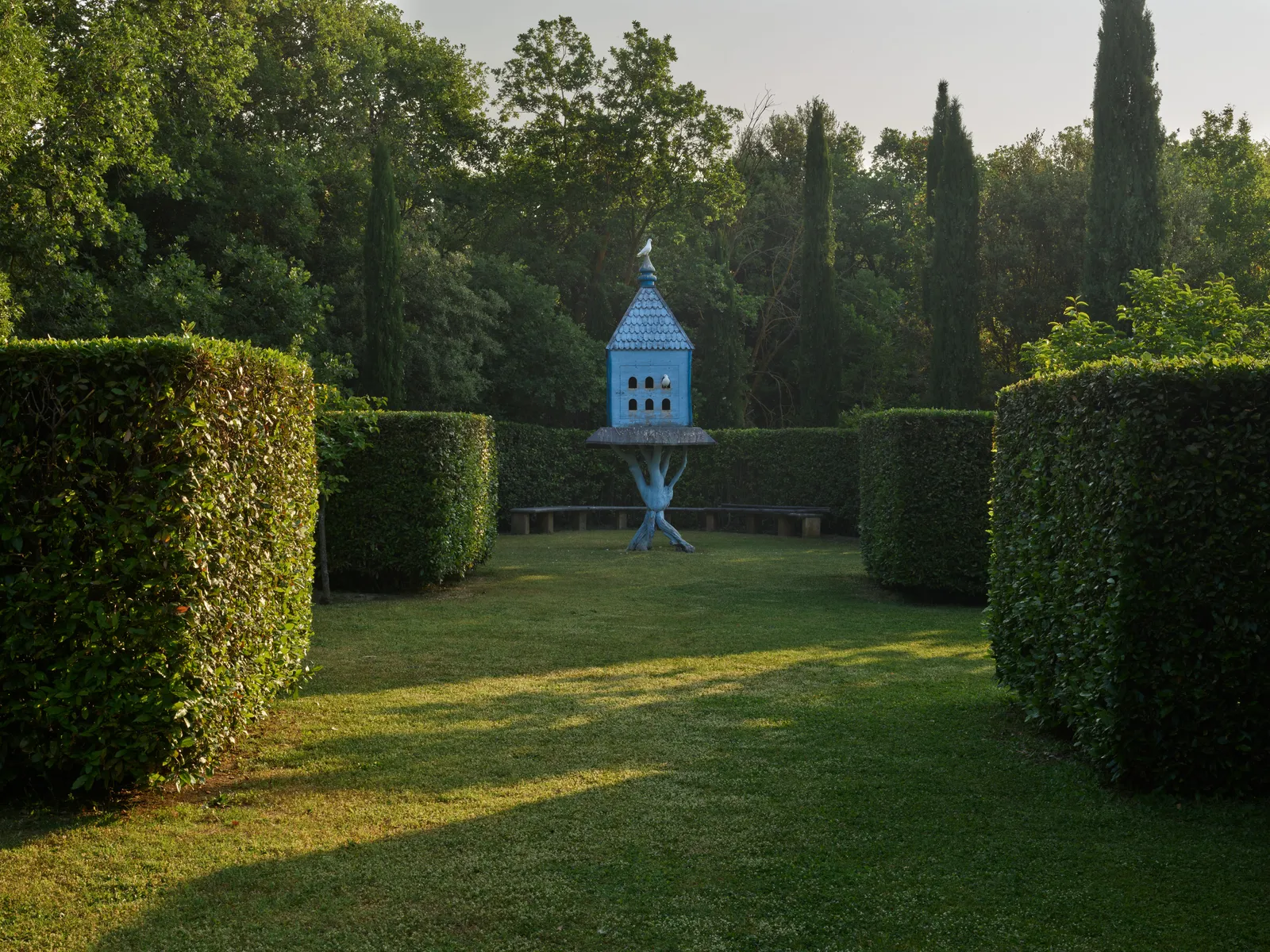
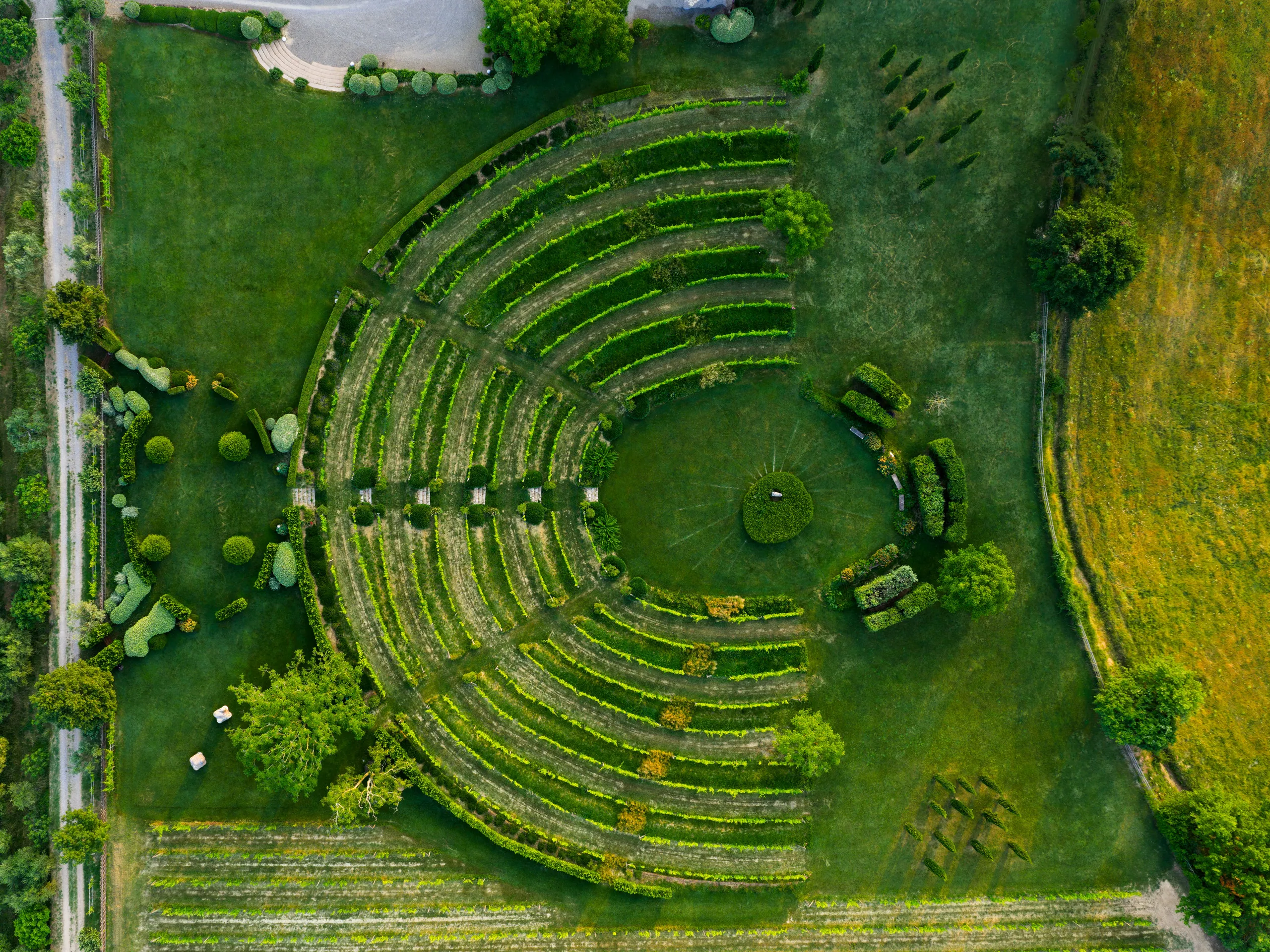
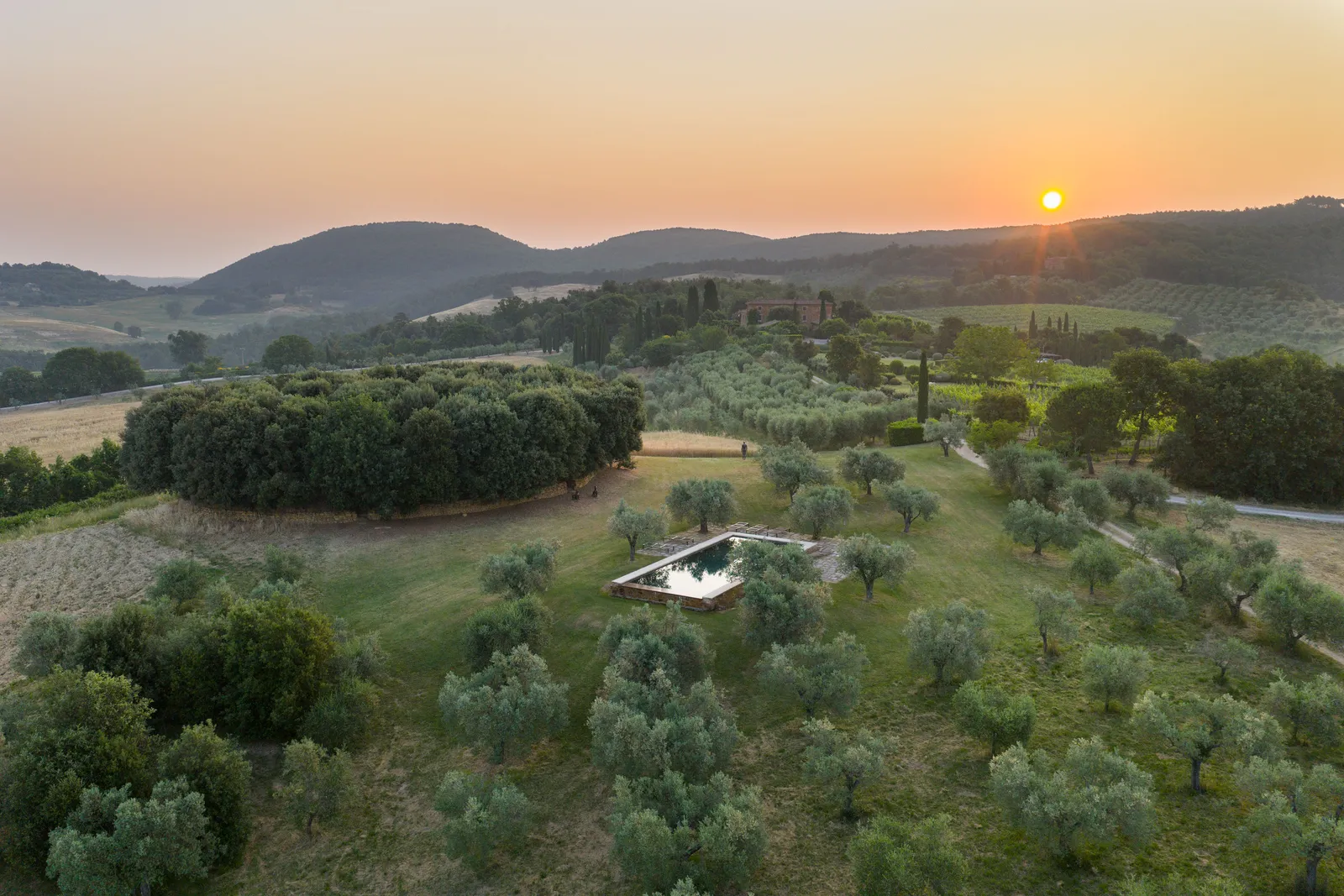
Curzon’s design navigates the complex history of the site, addressing the organic accretion of plantings over six centuries. This involved the careful relocation of venerable olive trees and the replanting of ancient grapevines that had encroached upon the main structure. These historic vines were artfully integrated into a terraced amphitheater, forming graceful, curved bands of planting. At the heart of this design stands a prominent gnomon, creating a striking sundial precisely calibrated to the sun’s passage across the slope. The surrounding area is planted with deep crimson roses and vivid purple irises, their colors a homage to the gods of wine and revelry. Further on lies a unique feature: a historic ragnaia, a dense, circular grove of holm oaks once employed for the capture of migratory birds.
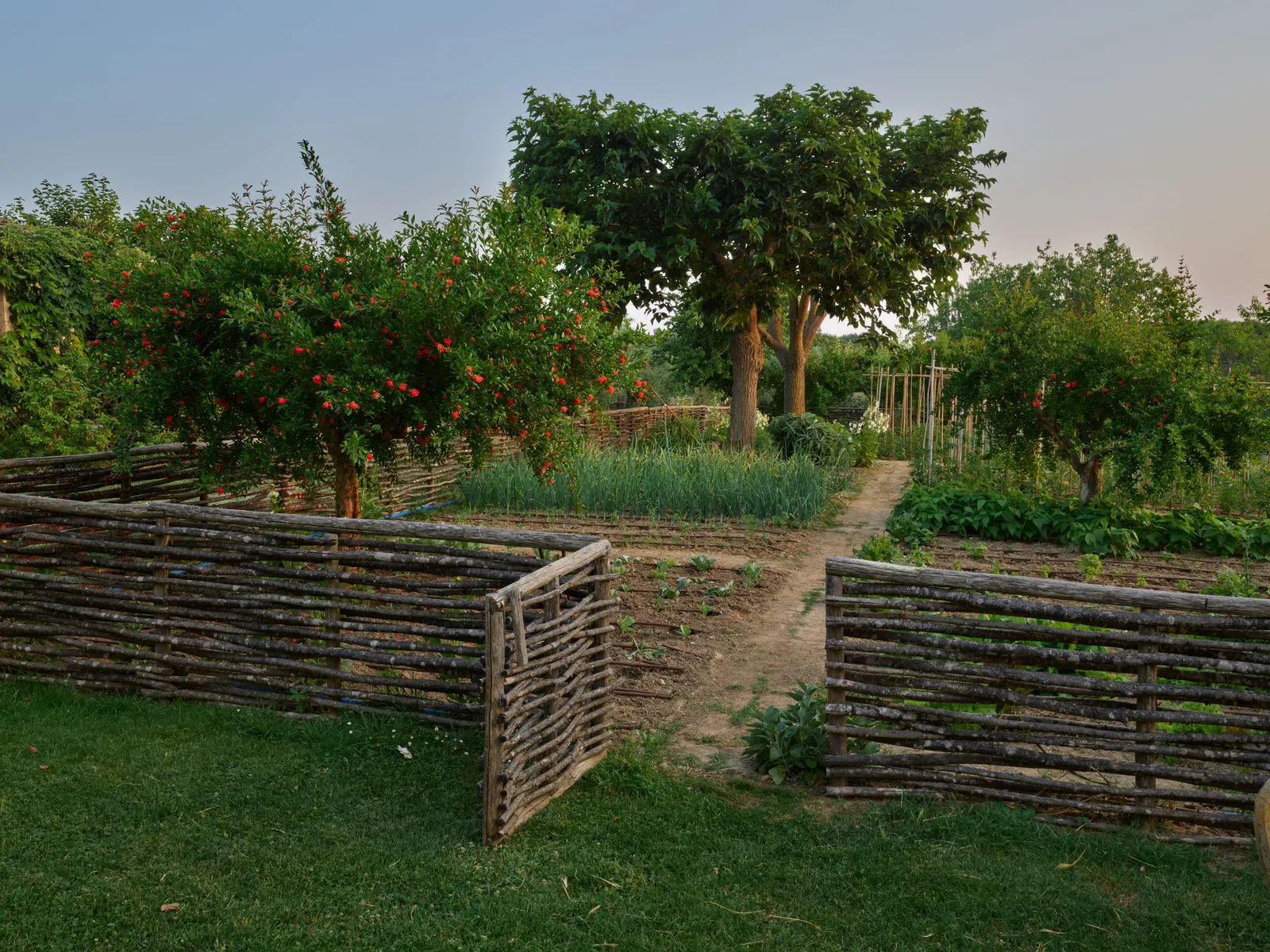
Beyond these cultivated areas, the estate encompasses 17 acres of olive groves and vineyards, yielding Brusone’s own wine label, alongside pastures supporting a variety of livestock. A productive kitchen garden flourishes near the main house, offering a rich array of vegetables and several mature pomegranate trees. “For a significant portion of the year, we achieve near self-sufficiency,” Brusone shares, noting the estate’s production of cheese, honey, and olive oil.
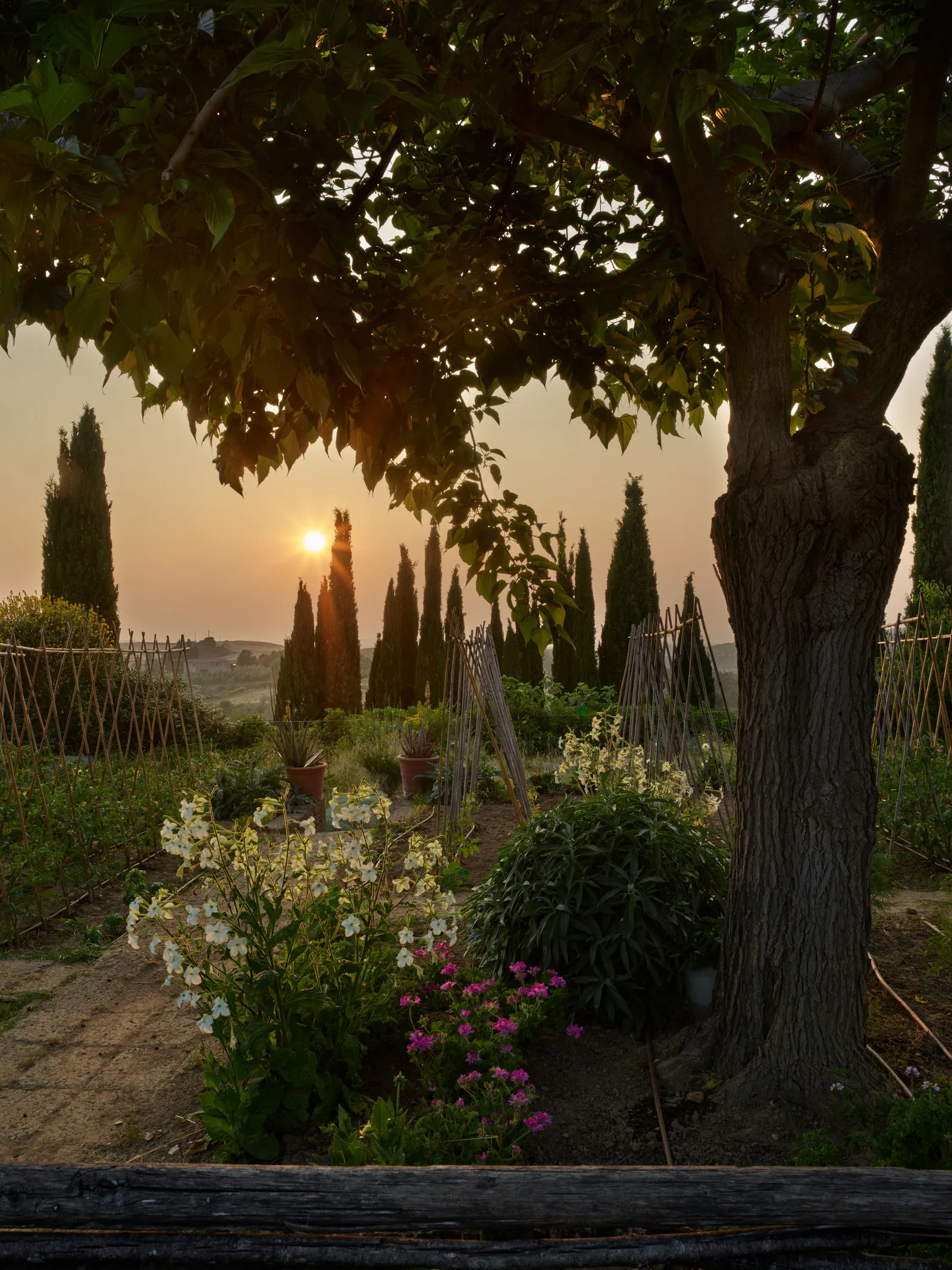
During the zenith of Tuscan summers, Brusone frequently hosts guests for intimate alfresco dinners under the starlit sky. The lawn transforms into a canvas for elegantly set tables, illuminated by candlelight. Brusone, a dedicated patron of the arts and music, particularly the Salzburg Festival, occasionally orchestrates performances by classical musicians as the sun descends behind the rolling hills.
Even after more than a quarter-century of dedicated stewardship by both Brusone and Curzon, La Porrona continues to evolve. As Curzon aptly observes, “The finest gardens take time to mature.”
Business Style Takeaway: The masterful integration of historical context with contemporary artistic vision at La Porrona creates an environment of cultivated tranquility and refined authenticity. This approach not only enhances the luxury lifestyle but also reflects a discerning personal brand that values heritage, artistry, and the profound beauty of the natural world.
Details can be found on the website : www.architecturaldigest.com