

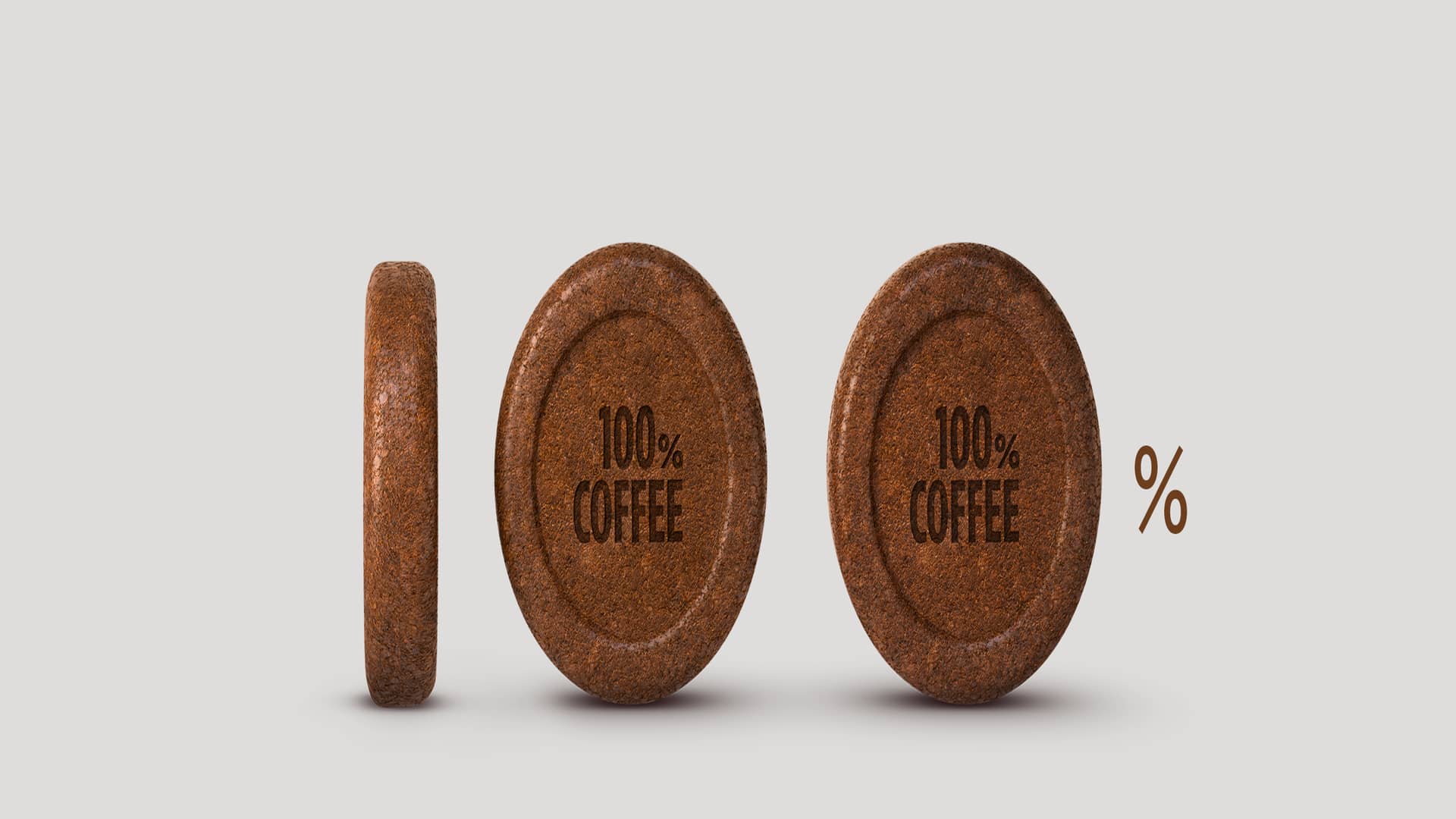
Lavazza is introducing its novel espresso tablets to the United States market, a strategic move poised to challenge Keurig Dr Pepper’s established dominance in the single-serve coffee sector. The Italian coffee purveyor unveiled its Tablì system last year, initially launching it in its home market of Italy. These compressed coffee tablets, devoid of any external coating, binders, or gelatin, are engineered for exclusive use with Lavazza’s proprietary Tablì coffee machine. Each tablet is clearly marked to signify its composition of “100% coffee.” At launch, the product line will feature five distinct varieties: espresso, double espresso, decaffeinated espresso, super crema, and lungo, which is essentially a more diluted espresso shot.
“The complexity of the industrial process was significant to achieve a tablet that is highly compact, durable enough for transport without degradation, and fully functional within our specialized coffee machine,” stated Lavazza CEO Antonio Baravalle in an interview. The Tablì system represents a culmination of Lavazza’s 2020 acquisition of the Italian startup Caffemotive. The development spanned five years, incorporated over fifteen patents, and necessitated the construction of a new manufacturing facility in Gattinara, Italy.
This U.S. market entry coincides with the increasing strategic importance of North America to Lavazza’s global operations. The company reported a substantial 26.9% surge in its North American revenue for 2025, underscoring its commitment to the region. “We are making significant investments in the United States, recognizing its critical importance for our business,” Baravalle remarked, expressing an ambition to cultivate a €1 billion (approximately $1.15 billion) enterprise within the U.S. market. He further elaborated, “The brand’s equity is experiencing remarkable growth. We have allocated considerable resources over the past two years and intend to sustain this investment trajectory for the next five years.”
Over 130 years since its inception, Lavazza remains a privately held, family-owned Italian enterprise. Its most recent annual report indicated a net profit of €92 million on revenues of €3.9 billion for 2025. In the U.S., Lavazza generates over $100 million in annual sales through major retailers, including Target and Walmart. For comparative context, Keurig’s U.S. coffee segment posted net sales of $3.99 billion in 2025, with K-cups forming the bedrock of its coffee revenue. Keurig has held a commanding position in the single-serve coffee market for over a decade, though Nestlé’s Nespresso has incrementally gained traction in recent years. Euromonitor International data suggests Keurig commands roughly half of the U.S. market share for fresh ground coffee pods, with Nespresso holding an approximate 7% share. It is noteworthy that Lavazza currently distributes its K-cup pods in the U.S. through a partnership with Keurig.
Baravalle expressed a realistic outlook, stating he does not anticipate surpassing Keurig or Nespresso in market share. “Our objective is to carve out our own distinct niche. We are competing in a landscape dominated by two major players, and with one of them, we maintain a valuable and mutually beneficial partnership,” he commented.
A sustainability play
Lavazza’s strategy hinges on capitalizing on consumer concerns regarding sustainability, a factor Baravalle acknowledges can vary in prominence across different geographic markets. For years, the environmental impact of Keurig’s single-use pods has been a persistent point of scrutiny, creating an opportunity for competitors offering more eco-conscious alternatives. Keurig had previously asserted that its K-cups were 100% recyclable by the end of 2020. However, in 2024, the Securities and Exchange Commission initiated proceedings against the beverage giant, alleging misleading claims about pod recyclability. Keurig ultimately settled by agreeing to a $1.5 million penalty without admitting or denying the SEC’s findings. The company’s current messaging on its website now advises consumers to “Check locally, not recycled in many communities.” Nespresso’s aluminum pods offer a more straightforward recycling pathway via the brand’s complimentary mail-back program.
In anticipation of Lavazza’s new offering, Keurig is also advancing its own initiatives in the realm of plastic- and aluminum-free coffee pods. This autumn, the company is set to introduce K-Rounds, which utilize a plant-based coating to preserve the coffee within a puck-shaped pod. This innovation stems from a multi-year collaboration with Delica Switzerland, the manufacturer of the CoffeeB system, known for its plastic-free coffee balls that have gained considerable popularity in various European markets.
Lavazza’s official U.S. launch for Tablì is scheduled for August. A pre-order bundle, priced at $99.99, which includes the machine, a 60-tablet variety pack, and a milk frother, is currently available on the company’s website. In May, Baravalle indicated that Lavazza was still finalizing its pricing strategy, conducting consumer research to ascertain acceptable price points for coffee drinkers. “We are also observing the strategic movements of larger competitors in the industry, particularly their responses to potential innovations. However, our positioning is firmly in the premium segment, and we will not deviate from that strategy,” he stated.
Business Style Takeaway: Lavazza’s strategic entry into the U.S. single-serve coffee market with its sustainable Tablì system signals a significant competitive challenge to established players like Keurig Dr Pepper. This move underscores the growing importance of environmental considerations in consumer purchasing decisions and Lavazza’s ambition to capture a premium segment by leveraging technological innovation and a strong brand heritage.
Learn more at : www.cnbc.com