

Ireland’s historic castles and fortresses, scattered across its emerald landscapes and nestled within charming villages, offer a tangible connection to the nation’s rich and storied past. From the evocative ruins of ancient strongholds to opulent estates that have been transformed into luxurious retreats, these iconic structures are essential stops for any discerning traveler exploring the Emerald Isle.
Exploring Ireland’s Castles
Many of these magnificent sites offer guided tours, providing immersive insights into their dramatic histories, the colorful characters who inhabited them, and the enduring tales of battles and restorations. For a truly unique experience, some castles host medieval-style banquets, blending education with entertainment.
Notable Fortifications for the Discerning Traveler
Cahir Castle
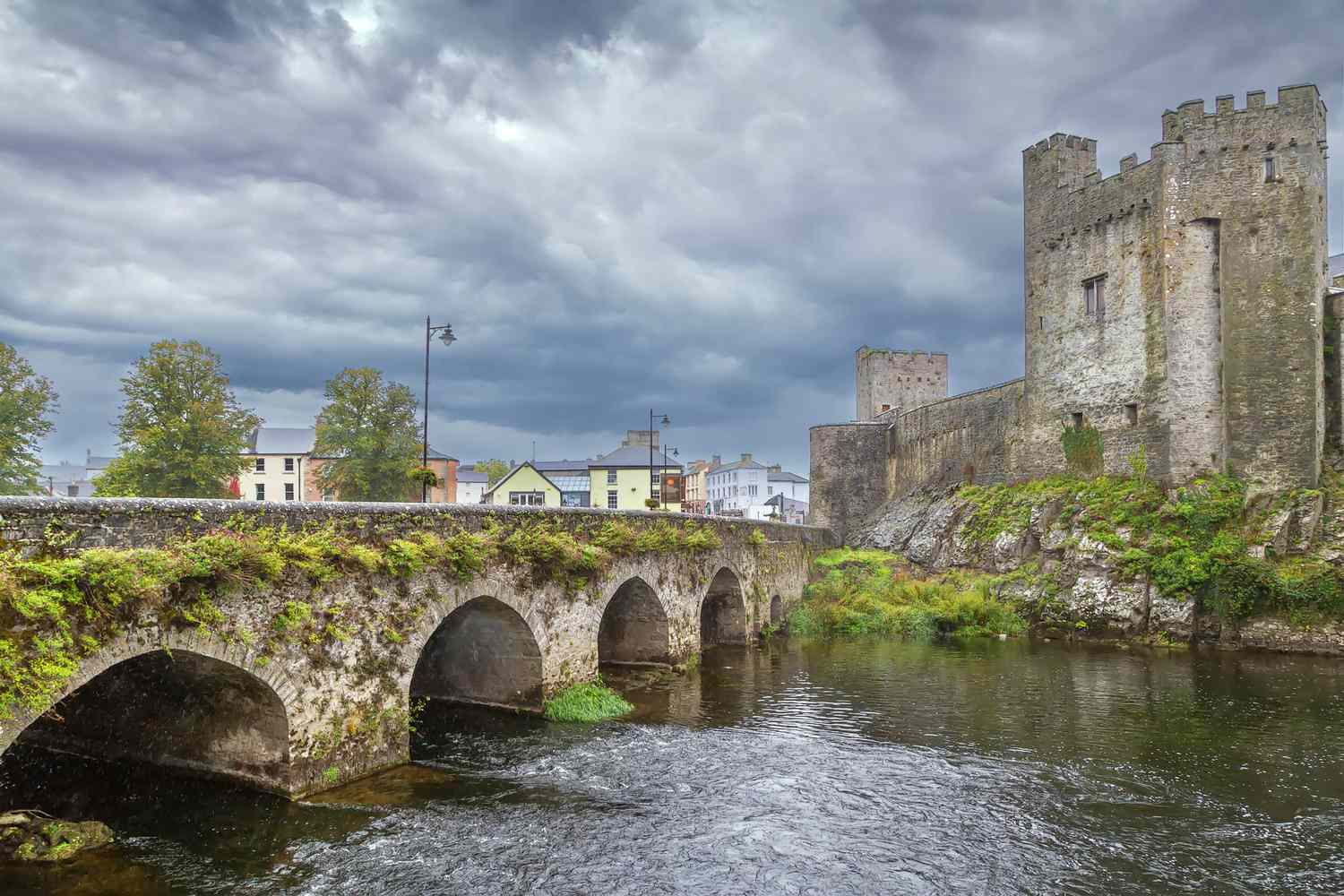
Established in the 13th century, Cahir Castle in County Tipperary stands as one of Ireland’s most substantial and remarkably preserved fortifications. Perched on a rocky islet within the River Suir, its original architectural design represented cutting-edge defensive strategy for its era. The castle has undergone numerous reconstructions and expansions over the centuries, yet much of its original structure endures. Today, visitors can immerse themselves in its compelling history through guided tours, a well-appointed bookshop, and an informative audio-visual presentation. Its imposing presence has also made it a popular filming location for productions such as the film “Excalibur” and the acclaimed television series “The Tudors.”
Trim Castle
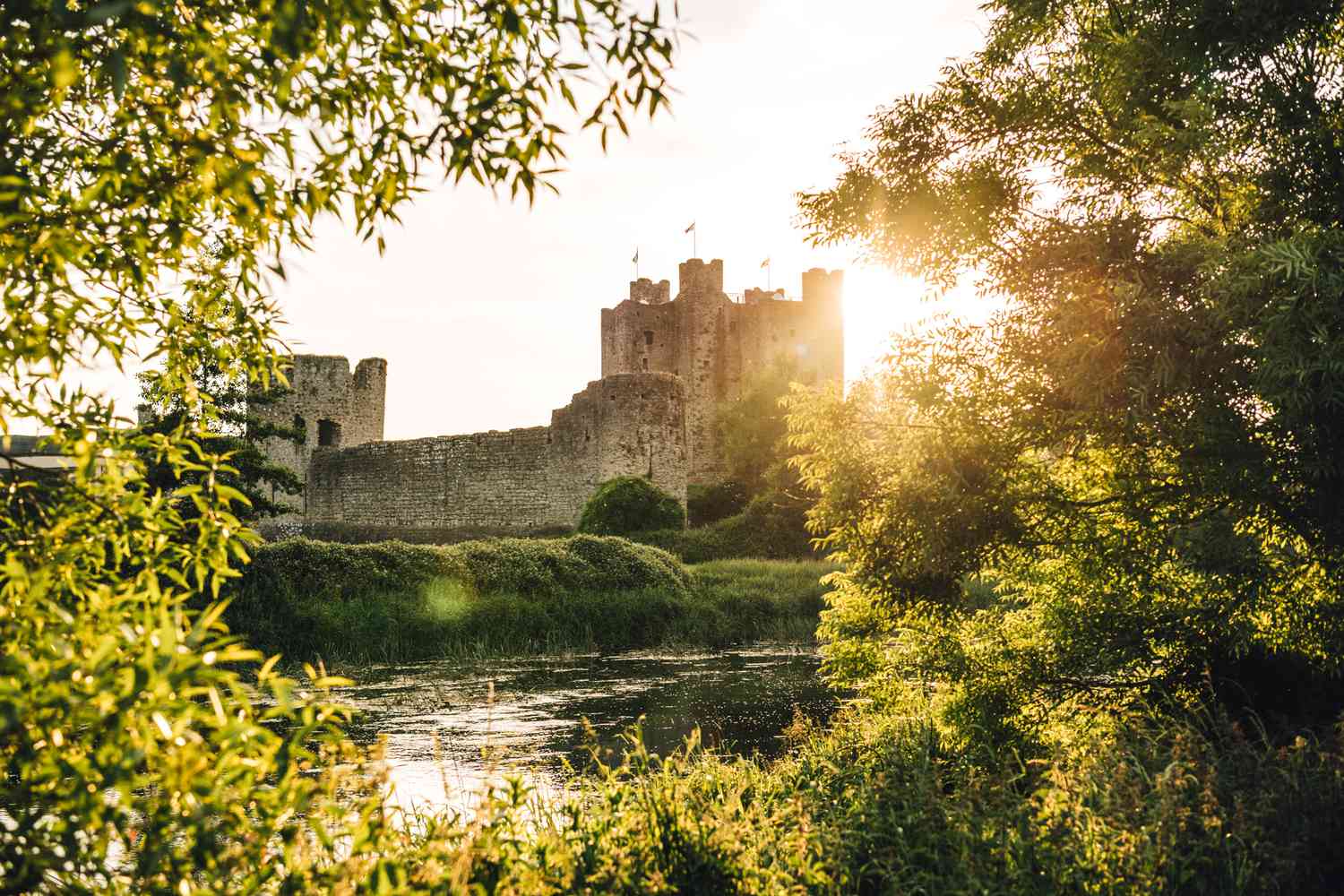
Located in County Meath on the scenic banks of the River Boyne, Trim Castle is a testament to Anglo-Norman architectural prowess. Construction began in the 12th century and spanned three decades, resulting in Ireland’s largest example of Norman fortification. The castle’s impressive 20-sided central keep was once defended by a formidable array of ditches, curtain walls, and moats. The charming town of Trim itself is dotted with numerous medieval structures. The adjacent visitor center offers a captivating display of medieval armor, architectural models, and tickets for guided castle tours.
Dunguaire Castle
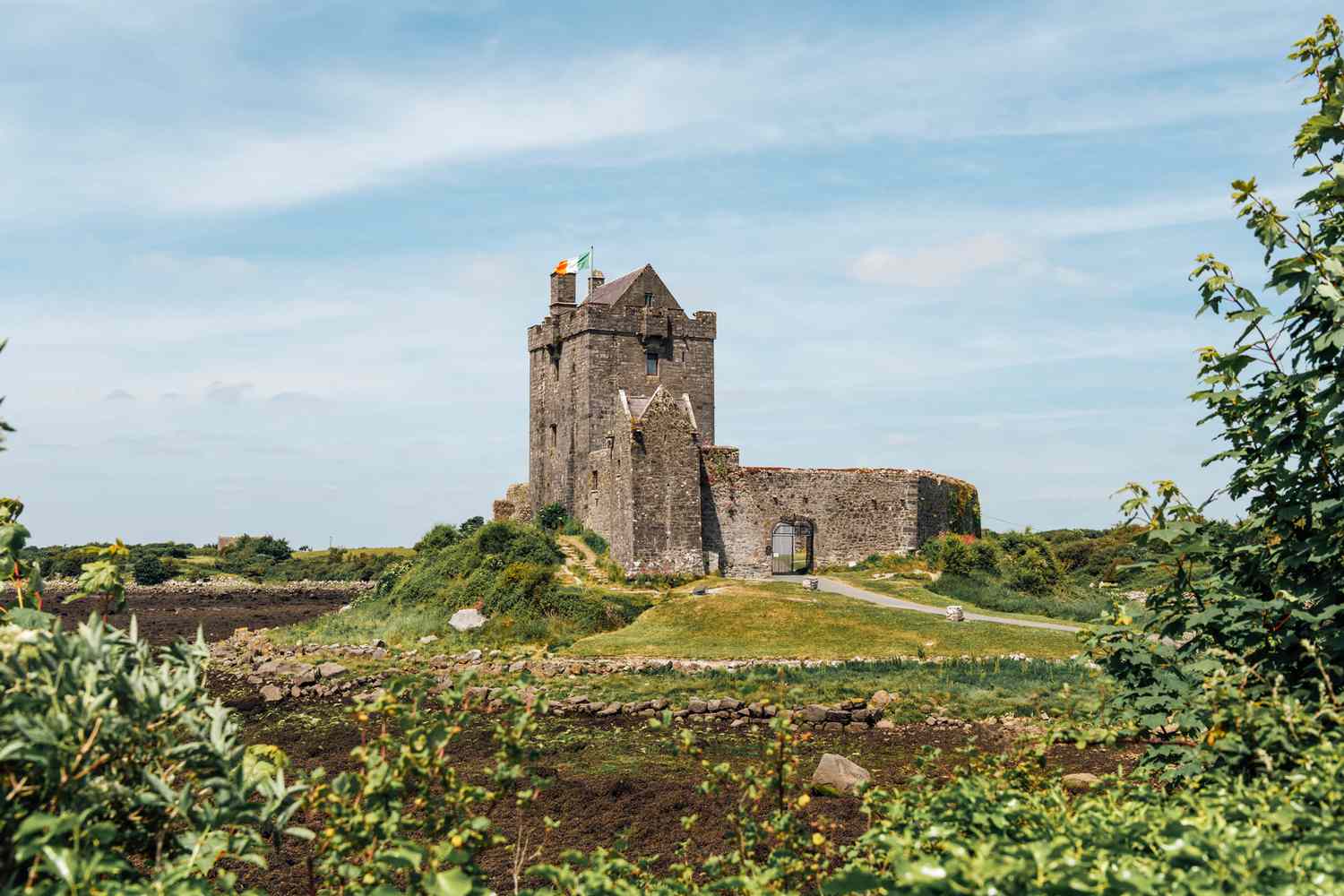
Commanding a picturesque setting on a rocky outcrop overlooking Galway Bay, Dunguaire Castle in County Galway was erected in 1520. Renowned as one of Ireland’s most photographed castles, it features a striking 75-foot traditional Irish tower. Its historical significance is deeply intertwined with the literary revival of Ireland, as surgeon and literary figure Oliver St. John Gogarty acquired and restored it in the early 1920s. During this period, it served as a celebrated gathering place for luminaries such as W.B. Yeats and George Bernard Shaw. While the castle has been temporarily closed for visits since 2022, its exterior remains a captivating sight.
Dublin Castle
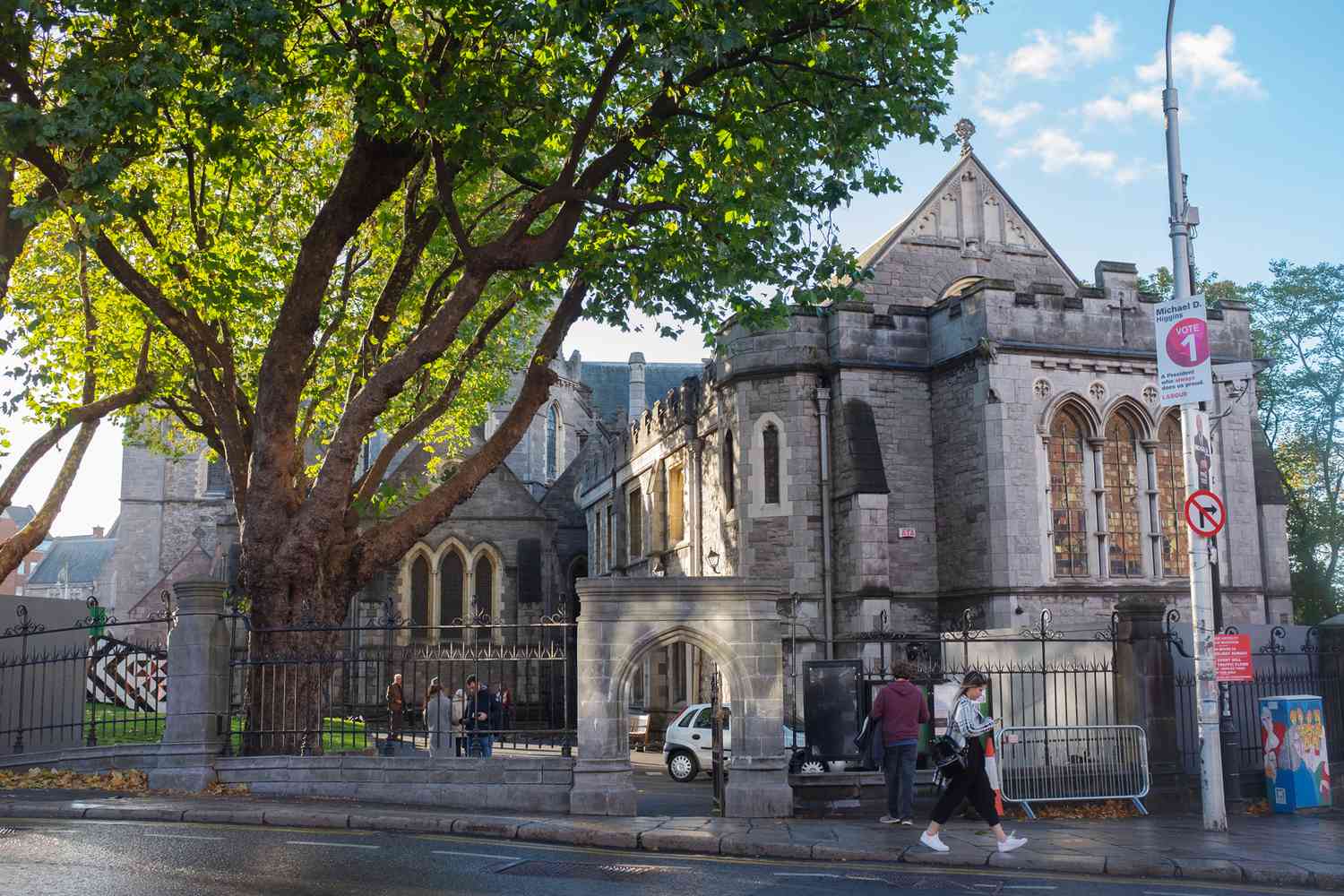
A brief 10-minute walk from Trinity College, Dublin Castle has a history deeply rooted in a 13th-century Viking settlement. Its formidable medieval tower, boasting walls nearly 16 feet thick, was largely constructed during the reign of King Henry III. Today, this historic site serves a dual purpose as a key government complex and a prominent tourist attraction. Visitors can explore the Chapel Royal, the State Apartments, the Undercroft, and the Heritage Centre via self-guided visits or guided tours. The Castle Gardens, enclosed by elegant wrought-iron gates adorned with Celtic-inspired spirals, offer a tranquil escape.
Blarney Castle
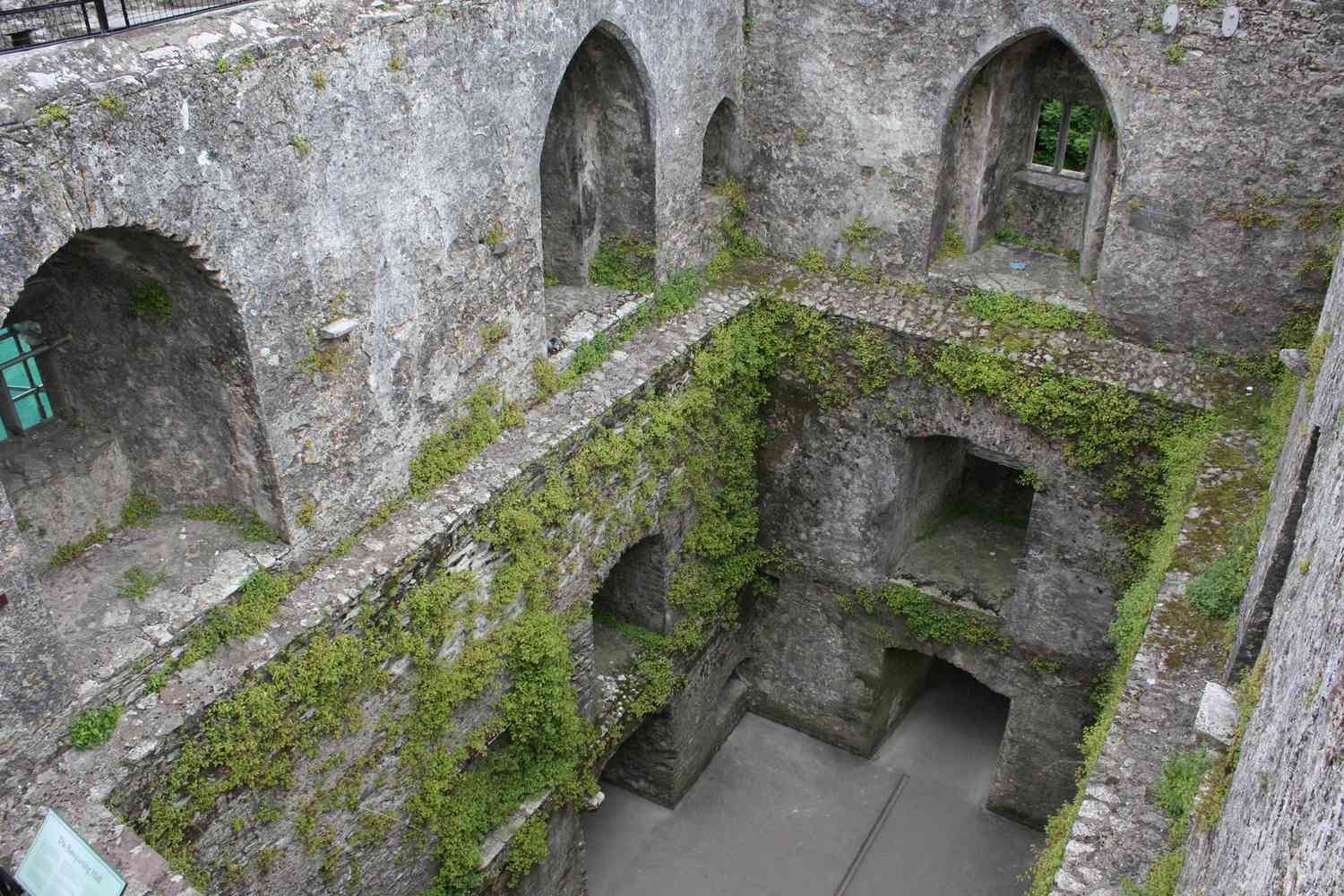
Erected in 1446, Blarney Castle is a paramount attraction in Ireland. Its imposing tower house, characteristic of 15th to 17th-century fortifications, features walls up to 18 feet thick, ingeniously sloped inwards for enhanced stability and defense. The castle’s fame, however, rests largely on the legendary Blarney Stone. Kissing this ancient block of limestone is said to bestow the gift of eloquence. Consequently, numerous visitors, including distinguished politicians, musicians, and notable personalities, have participated in this age-old tradition.
Bunratty Castle
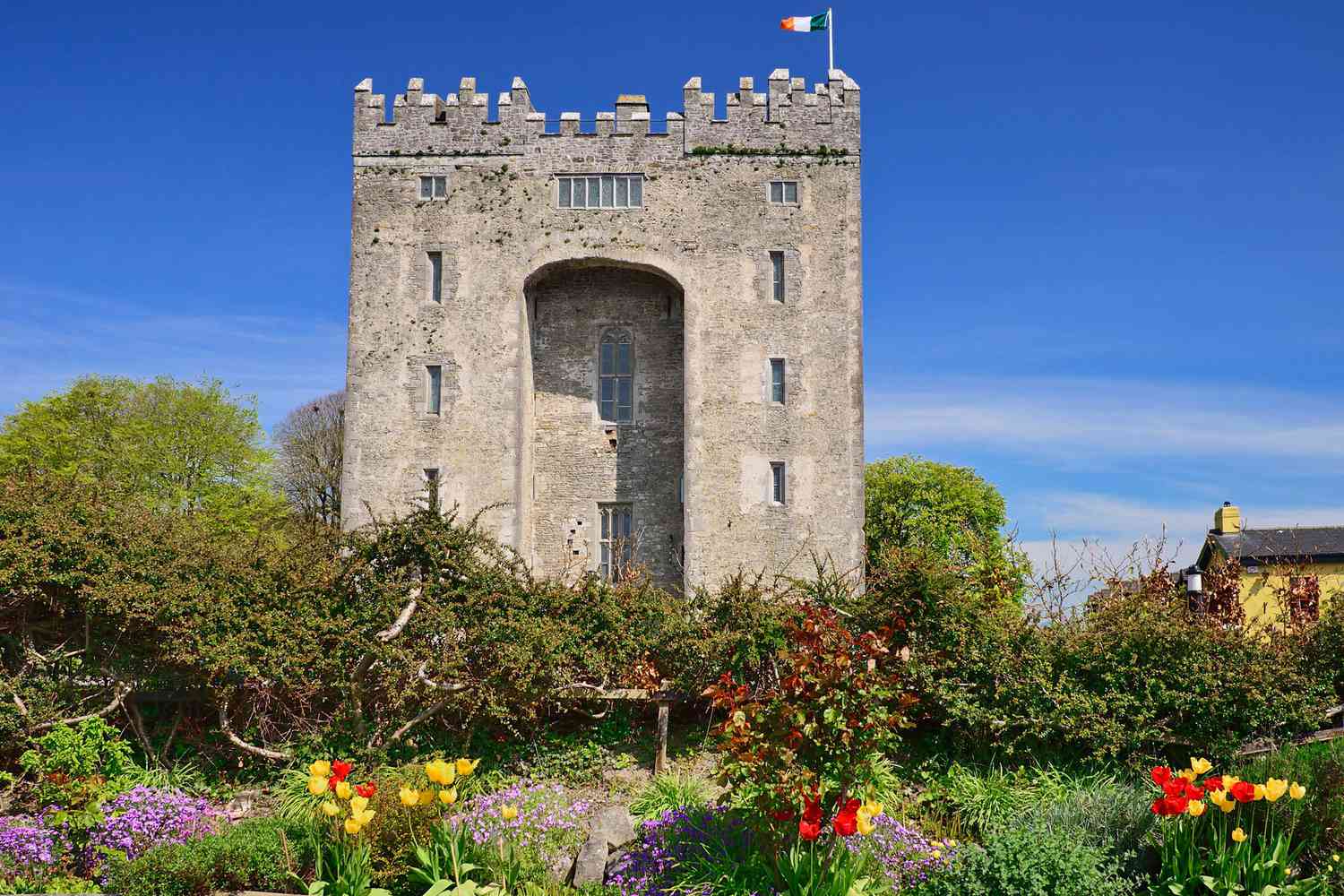
Bunratty Castle, a faithful reconstruction from the 15th century, stands on a site that originated as a Viking settlement around 970 AD. The castle is meticulously furnished with a collection of 14th-century art and tapestries, transporting visitors back in time. It forms the centerpiece of the Bunratty Folk Park, an expansive 26-acre attraction that recreates a charming 19th-century Irish village. This living history museum features authentic farmhouses, shops, and residences, showcasing a range of dwellings from humble cottages to an elegant Georgian manor. A truly immersive experience awaits in the castle’s Great Hall, where guests can enjoy a traditional four-course medieval banquet accompanied by captivating performances from the Bunratty Castle singers.
Lismore Castle
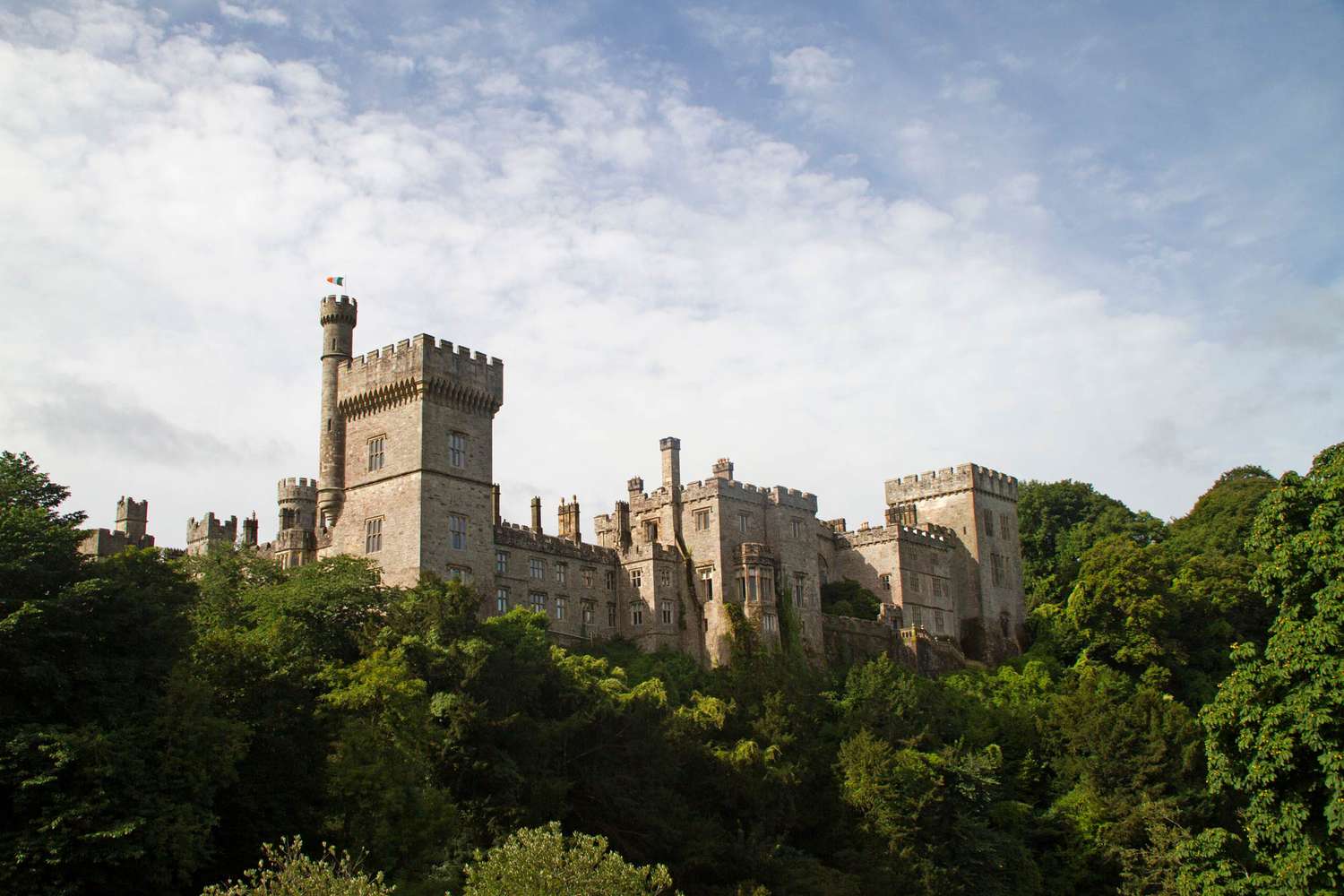
Nestled in the town of Lismore, County Waterford, Lismore Castle holds a distinguished place as an ancestral home of the Duke and Duchess of Devonshire. Situated on the banks of the River Blackwater in southeastern Ireland, its origins trace back to 1185, with a significant Gothic-style reconstruction in the mid-19th century. The castle’s magnificent gardens and a contemporary art gallery are open for public viewing during the day. The castle itself is available for exclusive private rental, offering an unparalleled luxurious experience with its 15 bedrooms capable of accommodating up to 27 guests.
Aughnanure Castle
Constructed in the 15th century by the O’Flaherty clan, Aughnanure Castle is an exemplary Irish tower house situated near the shores of Lough Corrib in County Galway. The castle underwent restoration in the 1960s and now allows visitors to explore the remnants of its watch tower, banquet hall, and bastions. The site is also noted for its reported supernatural occurrences, including the spectral presence of a gamekeeper and the ethereal cry of a banshee. Guided tours offer a comprehensive exploration of this historic site.
Athenry Castle
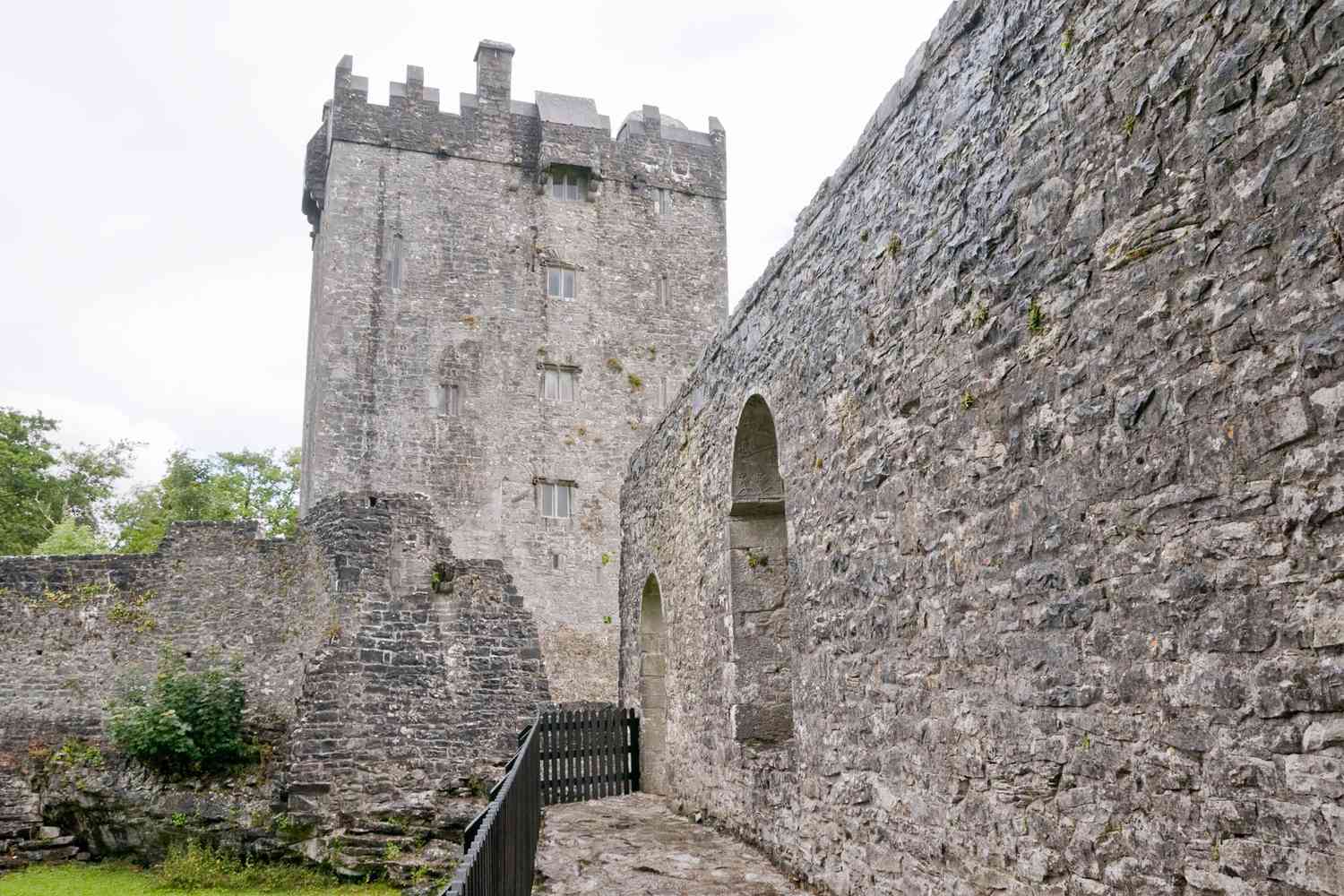
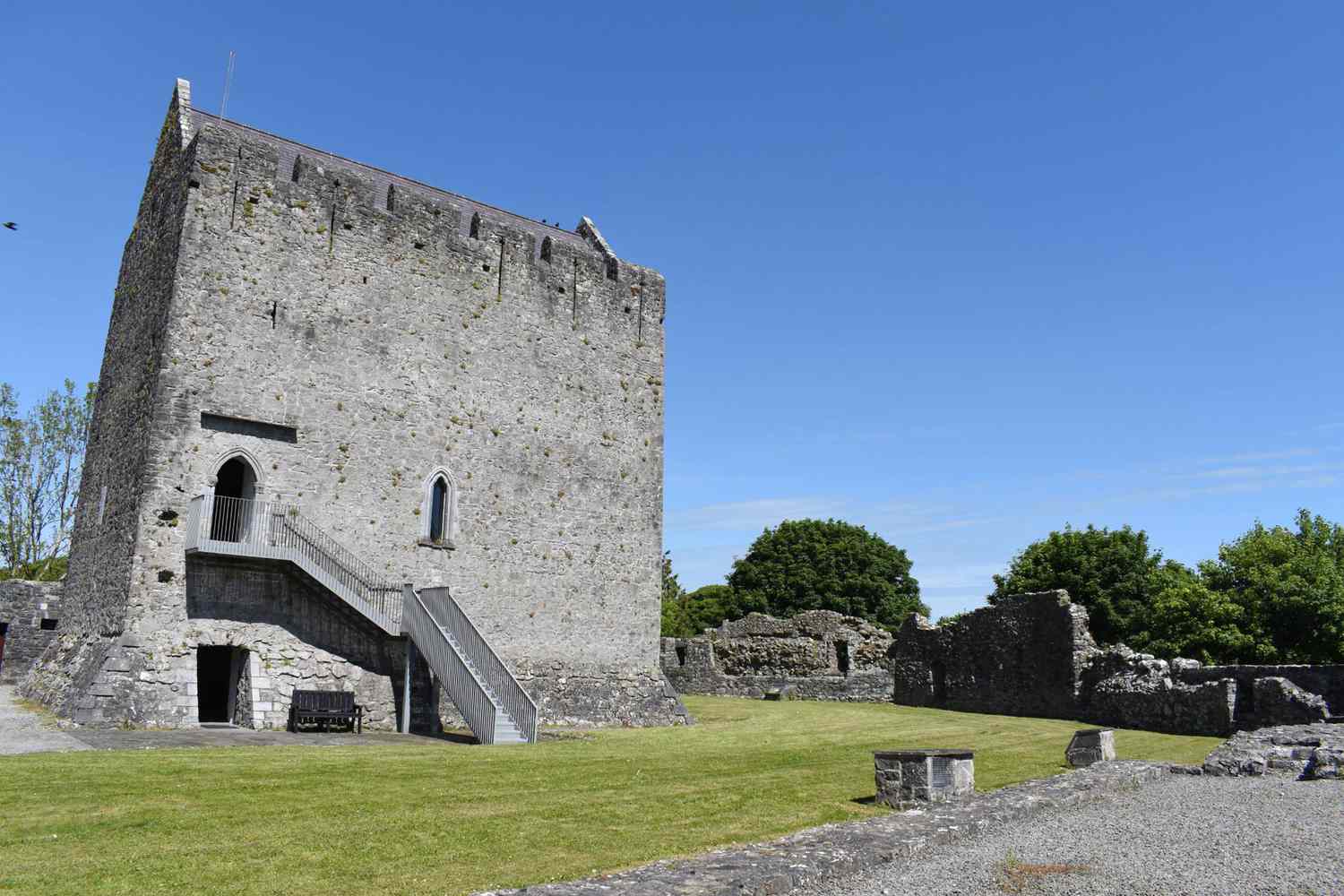
Overlooking the Clarinbridge River in County Galway, the 13th-century Athenry Castle retains significant portions of its medieval walls, battlements, and intricate stone carvings. The Great Hall is accessed via a remarkable wooden staircase, originally designed to be retracted during sieges to thwart enemy entry. From March to November, the adjacent Athenry Heritage Centre showcases medieval costumes, armor, weaponry, and a detailed replica of a market square and dungeon. Interactive exhibits, guided tours, a picnic area, and a playground make this castle a particularly family-friendly destination.
Donegal Castle
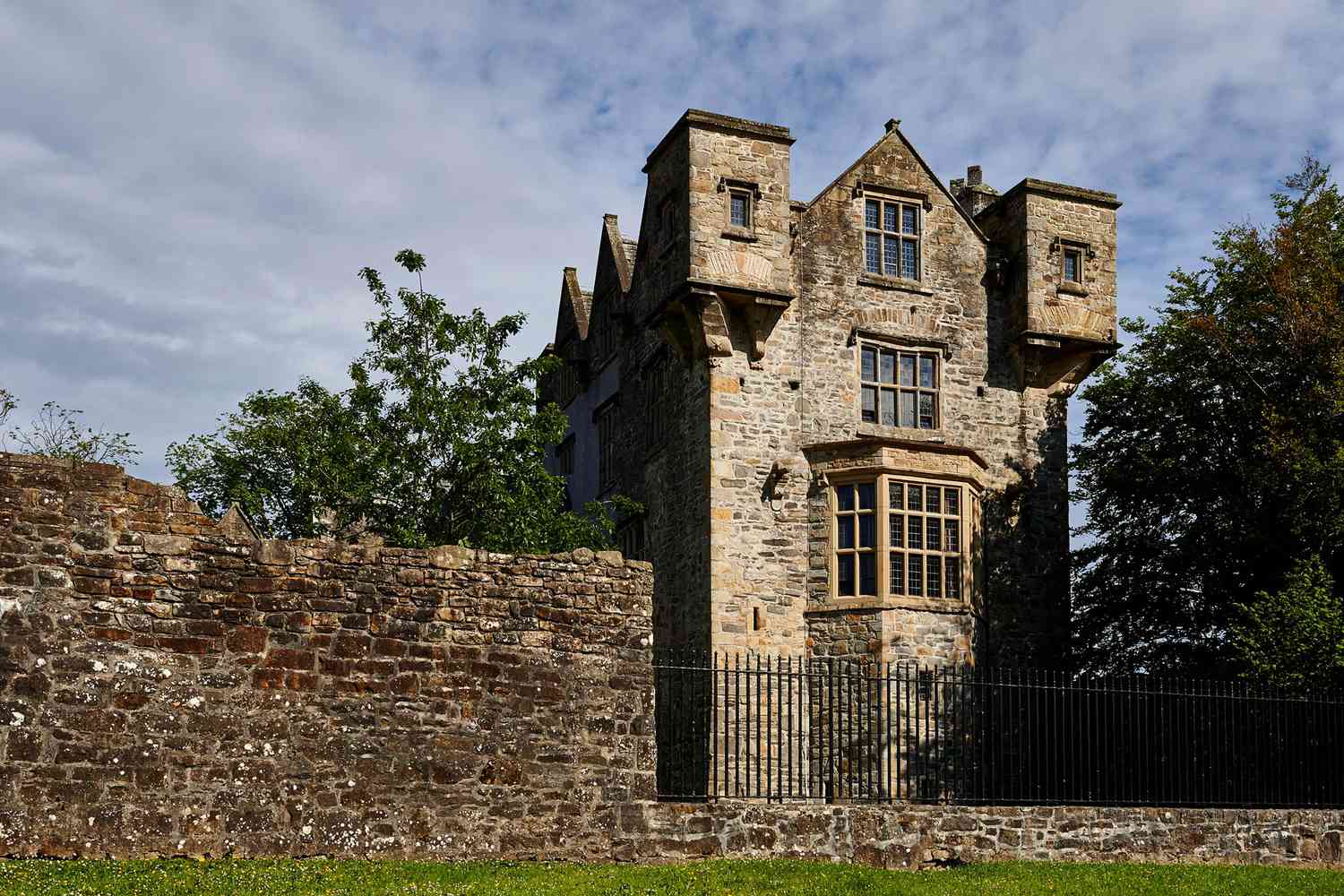
Built in the 15th century by the legendary Red Hugh O’Donnell, Donegal Castle presides over the River Eske in the heart of Donegal Town. Although O’Donnell attempted to destroy his cherished castle to prevent its capture after a defeat in the Nine Years’ War, his efforts were unsuccessful. Later, in 1616, Sir Basil Brooke restored the castle and added a new manor house. Further renovations in the early 1990s preserved the castle’s 15th and 17th-century architectural styles. Today, visitors can embark on guided tours of Donegal Castle. It is advisable to check the official website for current opening dates and times, as these are subject to seasonal changes.
Carlingford Castle
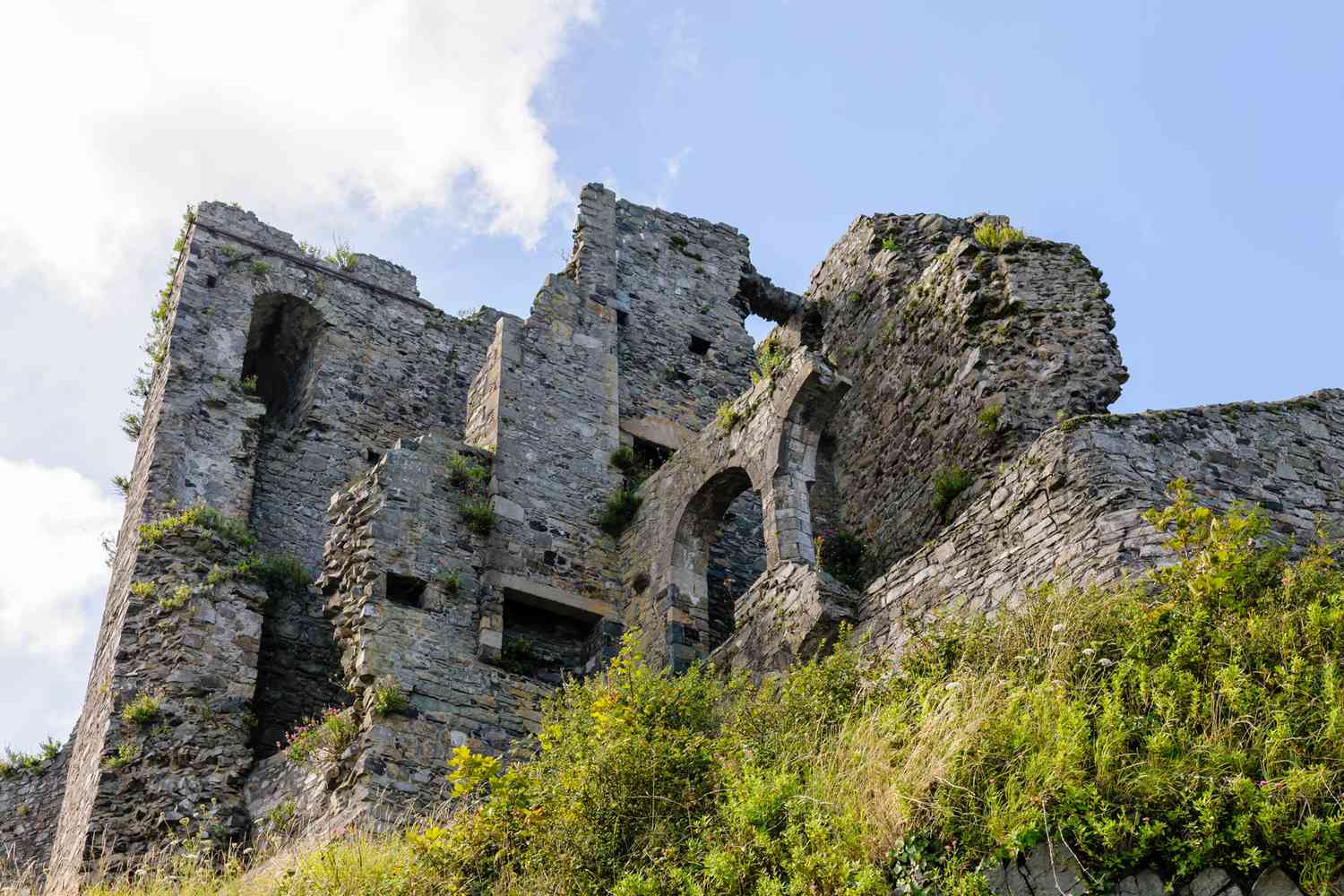
Originally established by the Norman baron Hugh de Lacy in 1190, Carlingford Castle was later acquired by King John of England. This strategic fortification is located in County Louth, gracing the southern shores of Carlingford Lough. A short stroll from the castle leads to the village of Carlingford, itself a historically significant walled town renowned for its collection of medieval architecture. The original structure comprises two distinct rectangular towers within an enclosed courtyard, although the castle has evolved considerably over the centuries. Guided tours are available from April through October, offering a glimpse into its rich past.
Kylemore Abbey
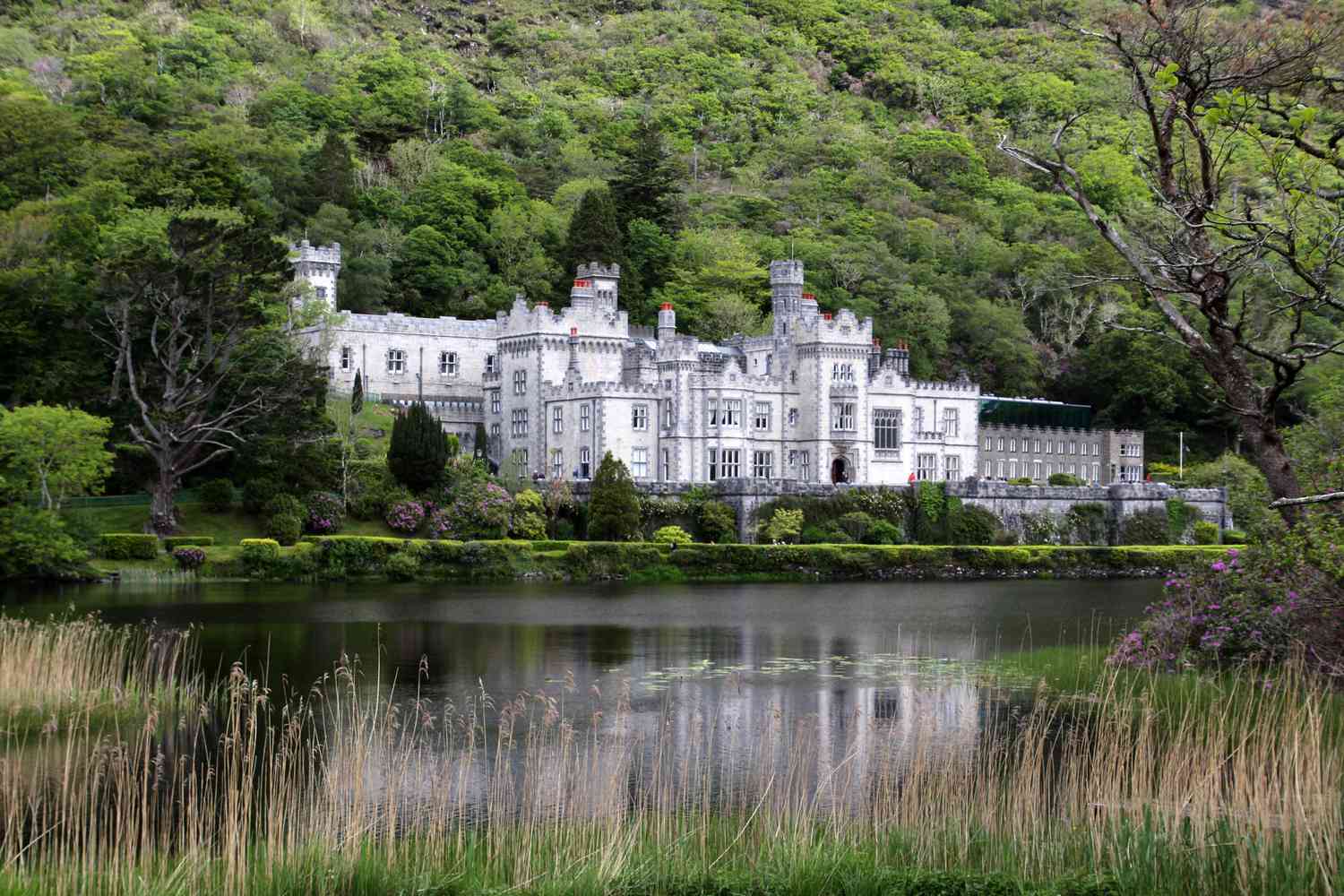
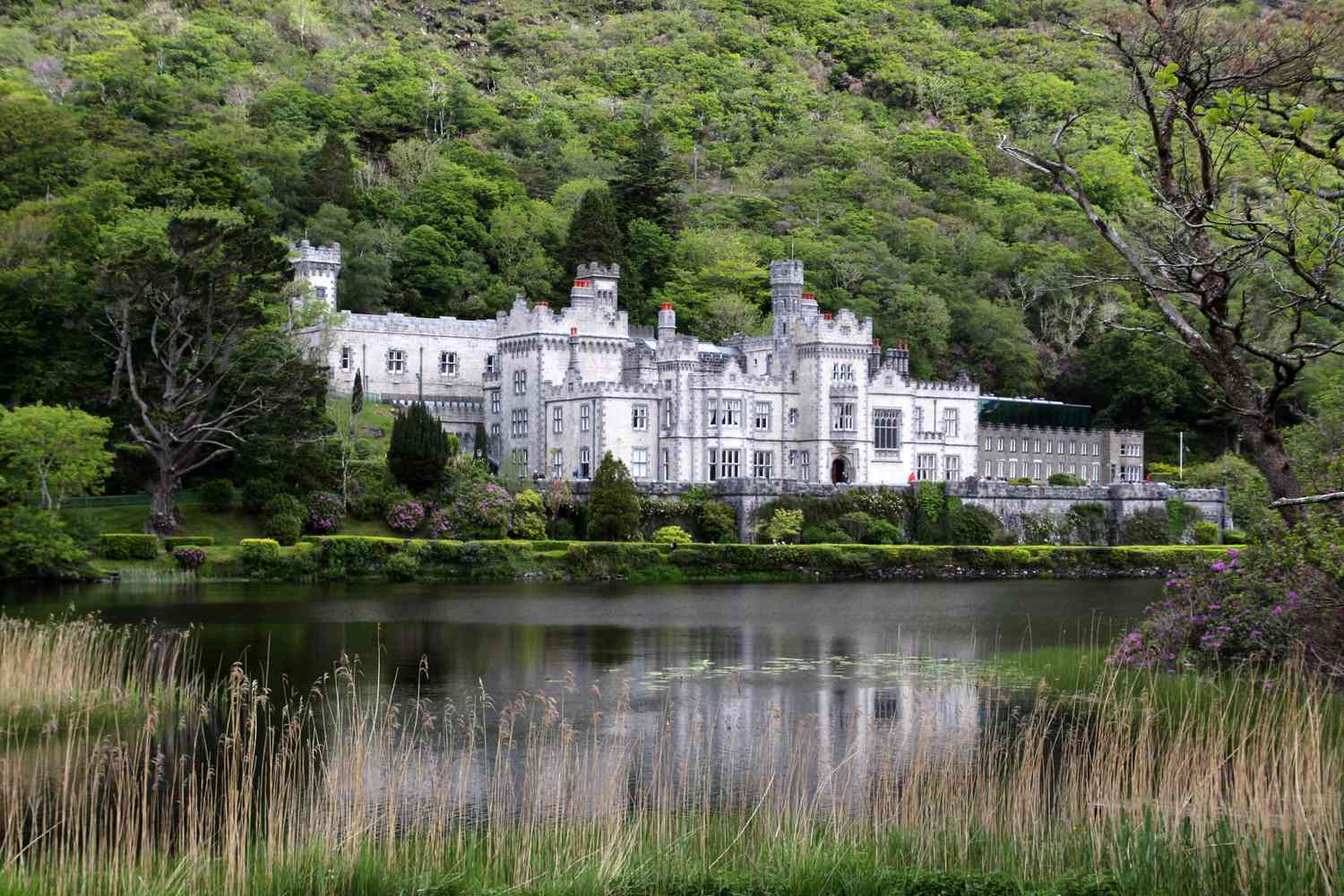
While not an ancient fortress, Kylemore Abbey presents a stunning historical and picturesque experience, complete with expansive walled Victorian gardens. Constructed in 1868 by Mitchell Henry, this magnificent estate, located about an hour northwest of Galway City, has passed through various hands. Since 1920, it has been home to a community of Benedictine nuns. Visitors are drawn to its vast Victorian garden, serene lakeside walks, charming craft shops, and guided tours of the impressive buildings and grounds.
Kilkenny Castle
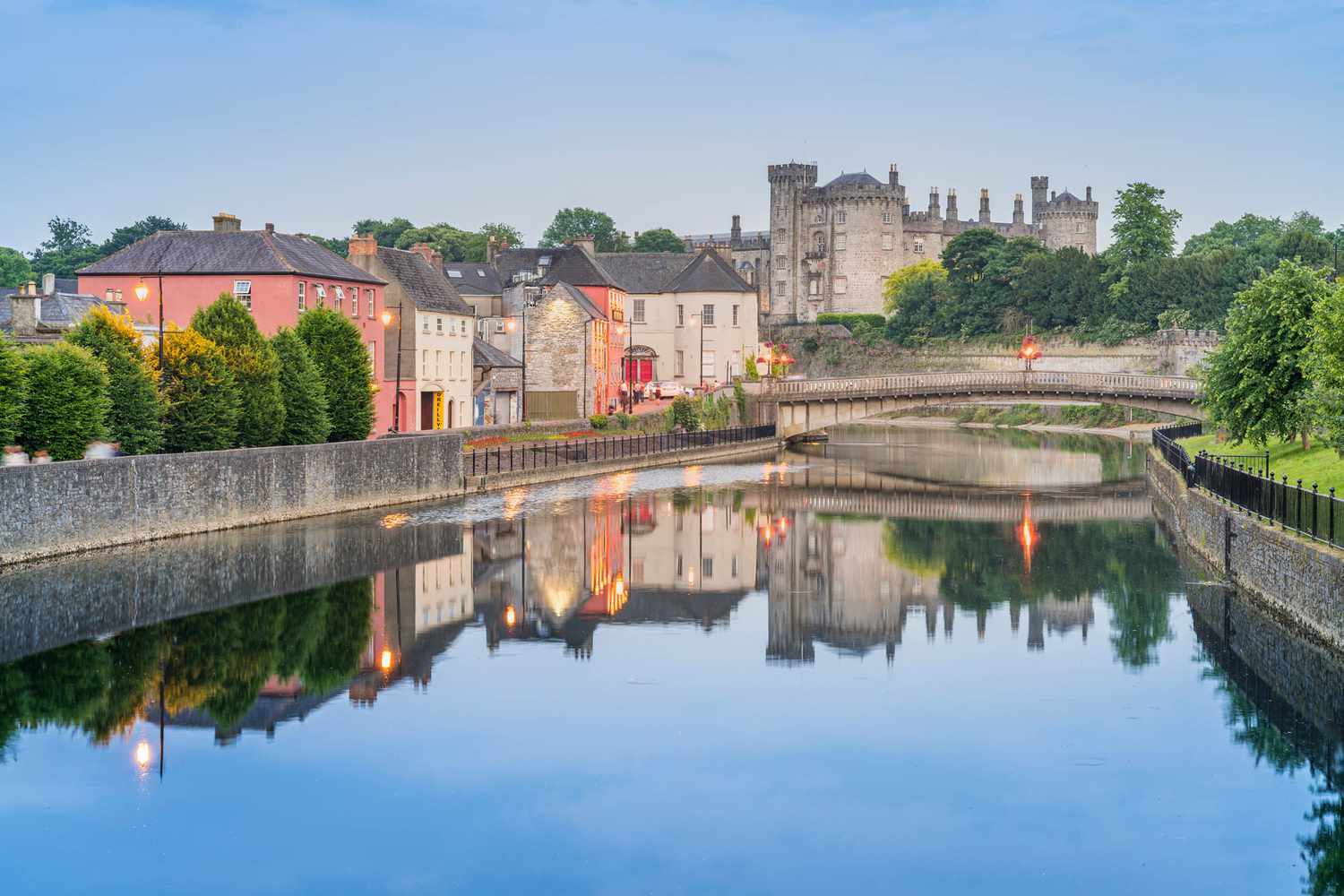
Originally established in the 12th century following the Norman invasion of Ireland, Kilkenny Castle resides on the banks of the River Nore in County Kilkenny. Its appeal extends throughout the year, drawing visitors with its enchanting Victorian terraced rose garden, an artificial lake, and interiors adorned with historical decor, including tapestries, paintings, and period furniture. The castle’s nursery, featuring Victorian toys, books, and furnishings, offers a poignant glimpse into 19th-century childhood. The surrounding grounds boast rolling parkland with mature trees and wildlife, complemented by a playground and a charming tearoom, with several walking trails inviting exploration.
Dunlough Castle
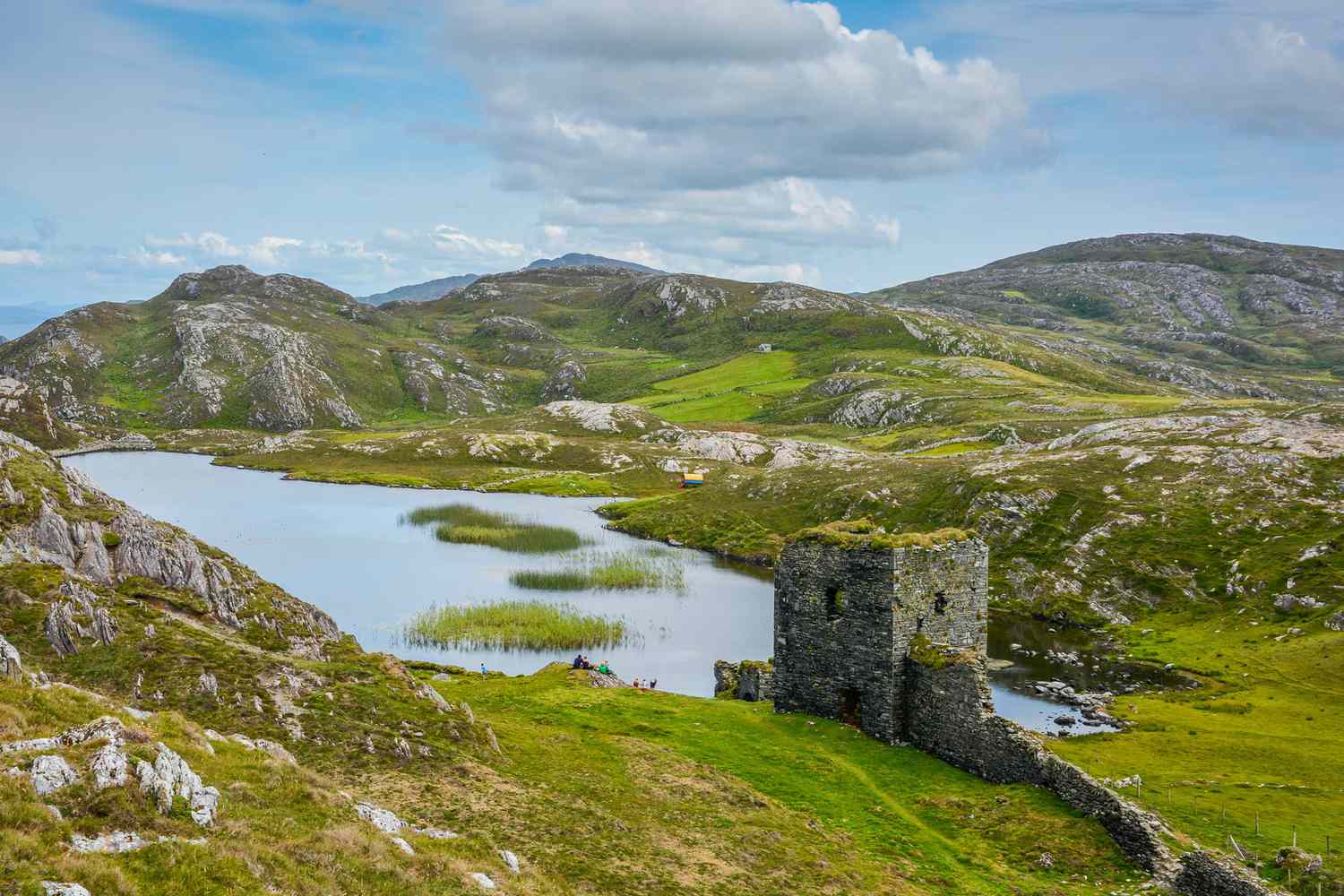
Perched dramatically atop cliffs overlooking the Atlantic Ocean in County Cork’s Three Castle Head, the 13th-century Dunlough Castle stands as one of Ireland’s most ancient fortifications. It exemplifies masterful dry stone masonry and enduring Norman architectural principles. The hike to reach the castle offers breathtaking views and an intimate encounter with its historical remnants. Legend also whispers of the ghostly “Lady in White” who is said to wander the grounds, adding an element of mystique to the visit.
Dromoland Castle
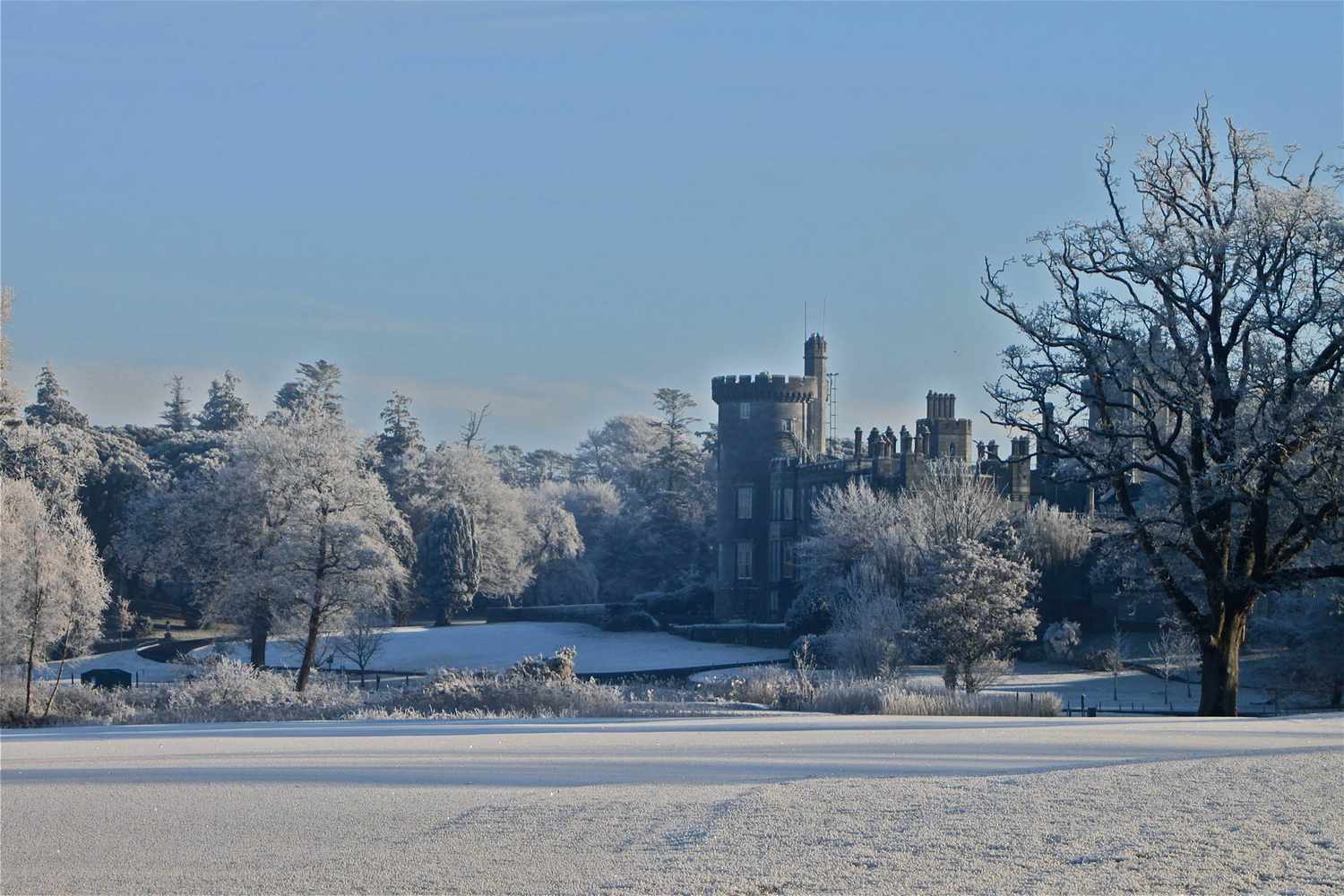
With origins dating back to approximately 1014, Dromoland Castle has undergone significant transformations, including rebuilding in the 16th century and the construction of a second castle in the early 1700s. In 1963, it was remodeled and redecorated to become the luxurious hotel it is today. Guests can expect opulent accommodations, a championship golf course, acclaimed culinary experiences, and breathtaking surroundings, making it a truly distinguished and historic destination.
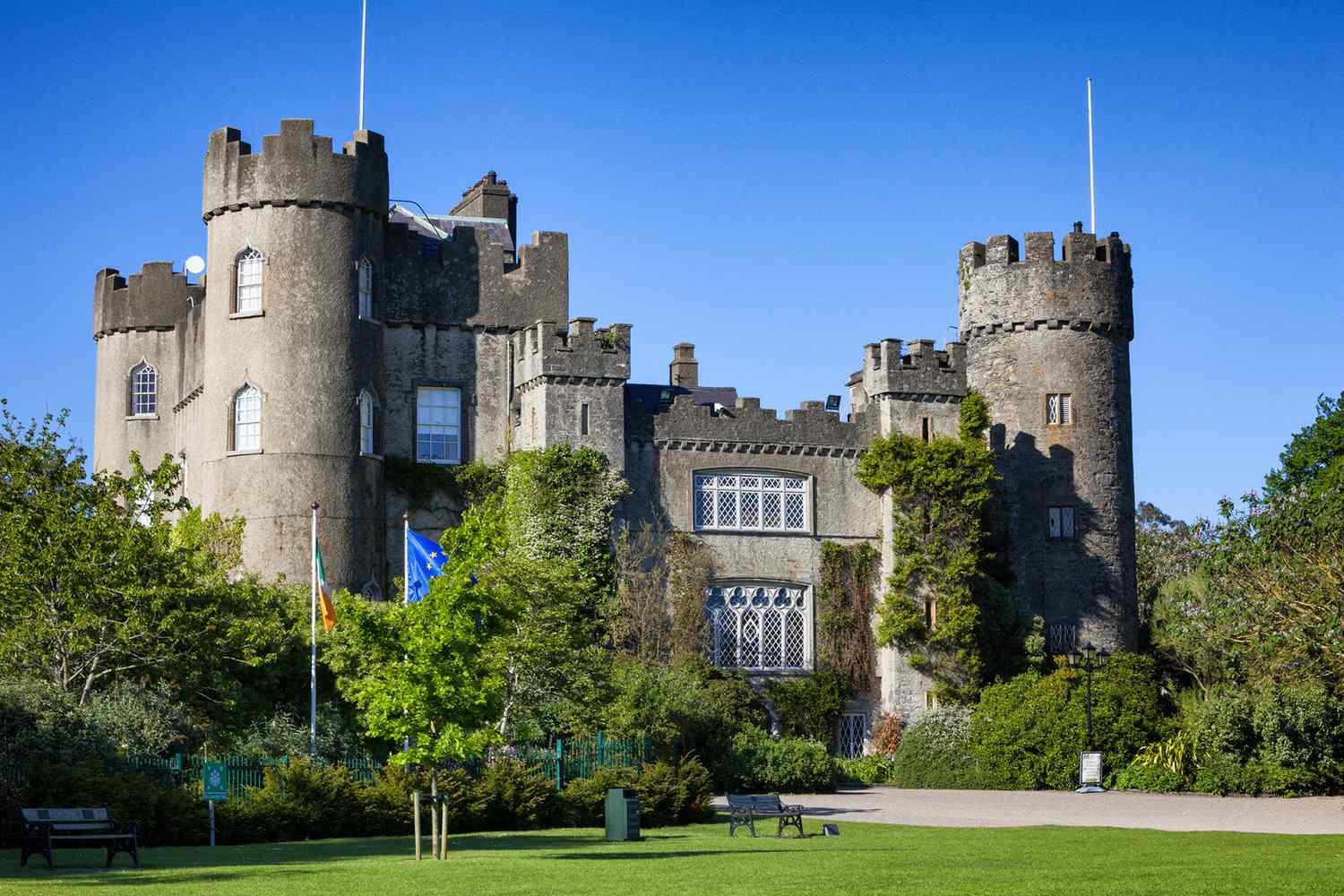
Malahide Castle
For an accessible escape from Dublin’s urban energy, Malahide Castle offers a convenient day trip, just a 30-minute drive from the city center. Begin with a comprehensive 45-minute guided tour of the fortress, followed by ample time to explore its extensive 260 acres of parkland. The enchanting Fairy Trail winds through the woodlands of the West Lawn, providing a whimsical woodland walk. The castle features a Great Hall dating back to 1475, showcasing a rare collection of Jacobite portraits on loan from the National Gallery of Ireland.
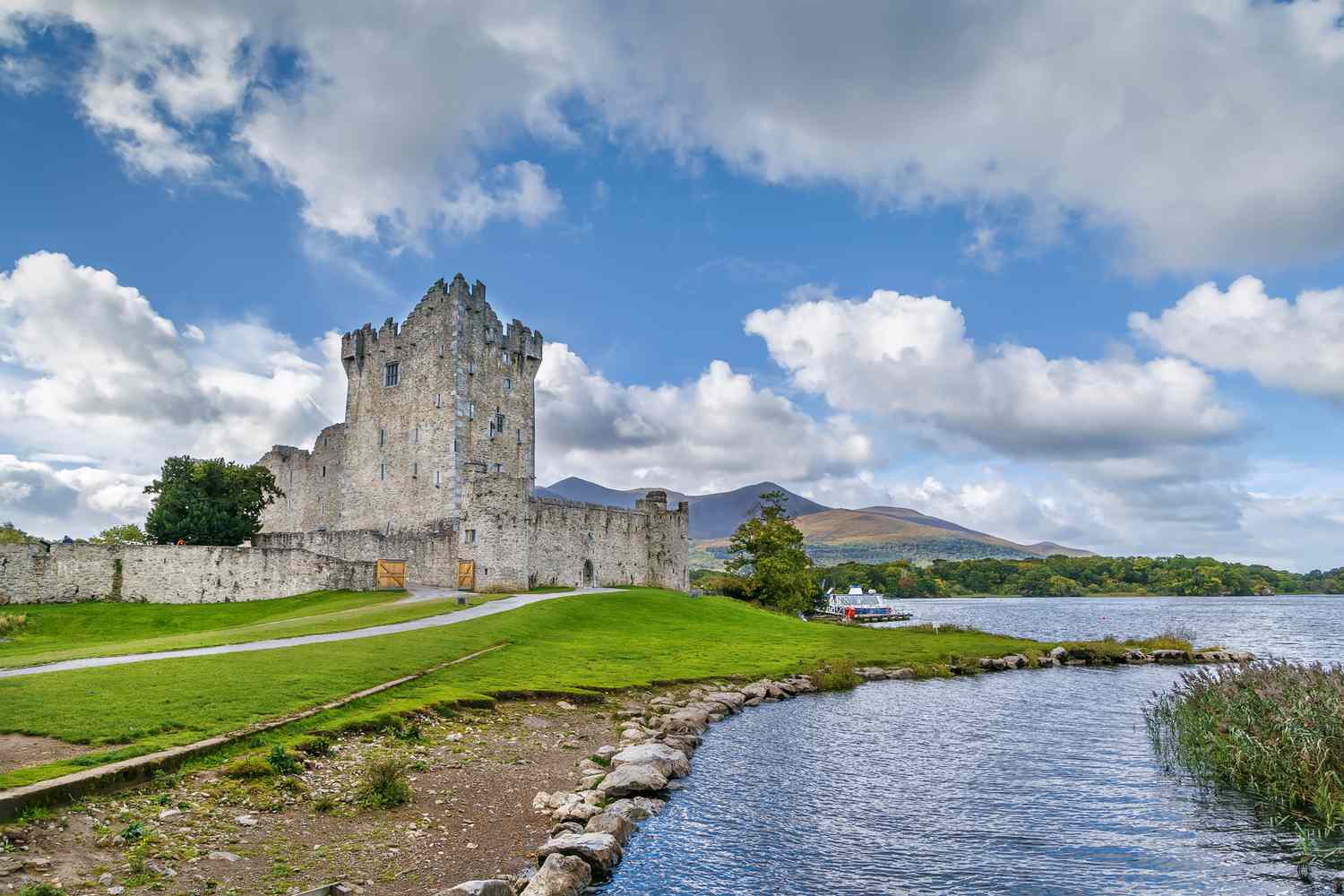
Ross Castle
A mere five-minute drive from Killarney, in Ireland’s picturesque southwest, Ross Castle stands majestically on the shores of Lough Leane. Local folklore recounts that the spirit of its founder, the 15th-century Irish leader O’Donoghue Mór, still visits the tranquil lake on the first day of May every seven years. Those fortunate enough to witness this spectral apparition are said to be blessed with a lifetime of good fortune. Guided tours of the castle’s interior are available from late March through November.
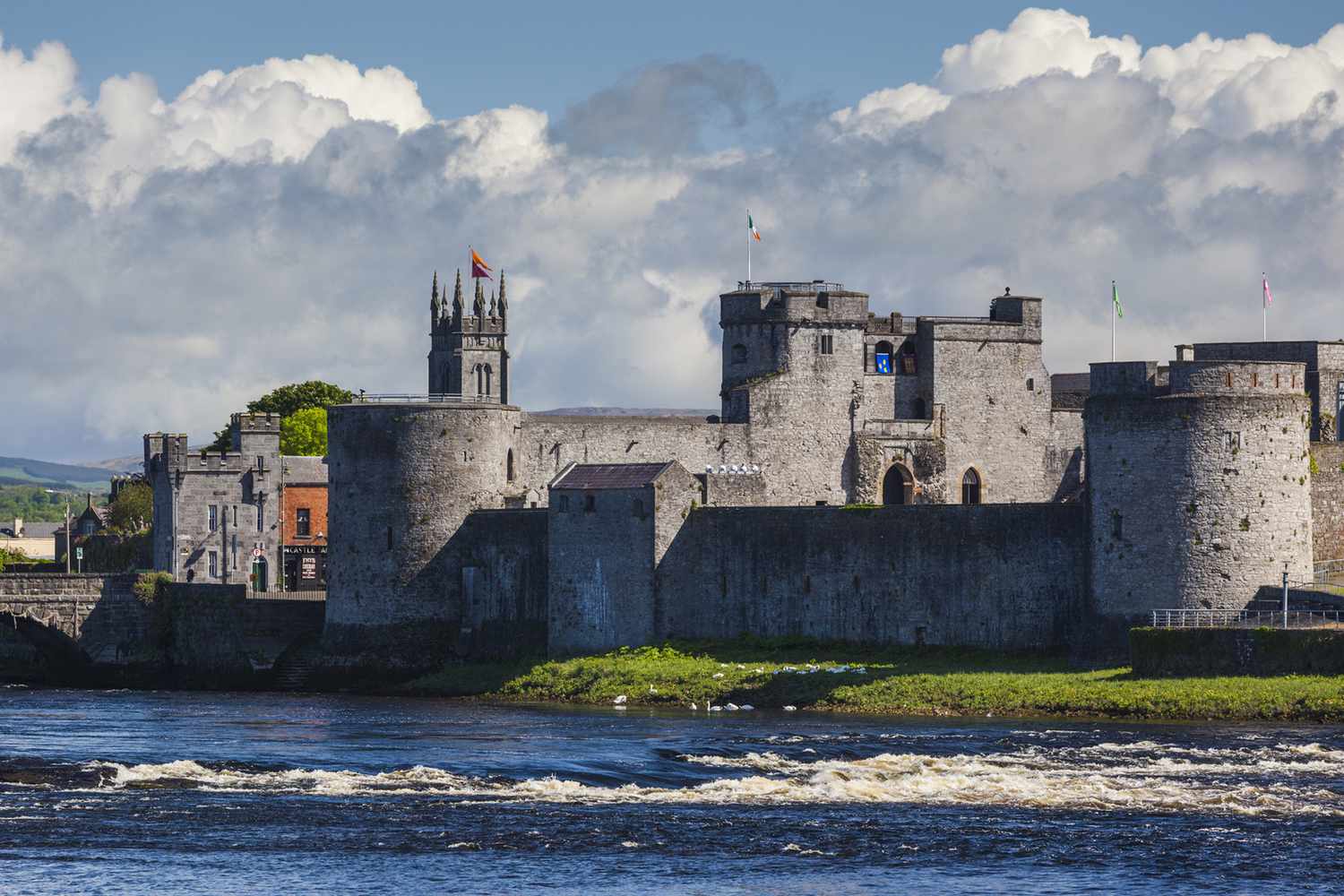
King John’s Castle
Located in Limerick’s historic medieval quarter, overlooking the majestic River Shannon, King John’s Castle was constructed in the early 13th century by order of King John, brother to the legendary King Richard the Lionheart. This site, which was once a Viking settlement before becoming a Norman stronghold, offers visitors an engaging journey through time. Interactive exhibits, utilizing advanced 3D models and touch-screen technology, bring the castle’s history to life. Guests can also partake in authentic medieval courtyard games, immersing themselves in the pastimes of the era.
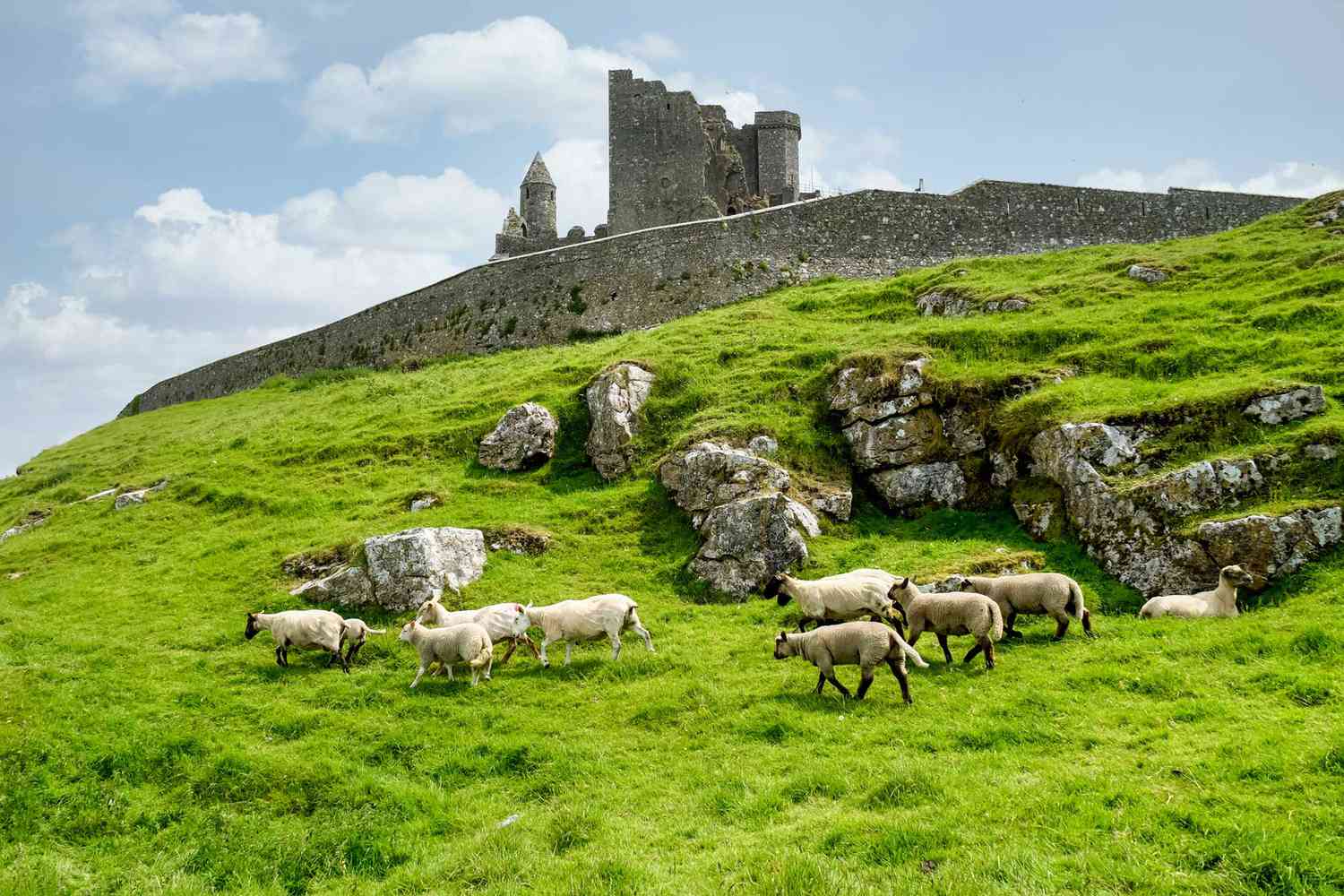
The Rock of Cashel
A significant historical landmark, The Rock of Cashel, was once the seat of the pre-Norman Kings of Munster. Tradition holds that it was here that St. Patrick baptized King Aenghus of Munster in the 5th century, cementing its importance as a religious center when it became a major ecclesiastical powerhouse in 1101. The cathedral was subsequently constructed by 1270, followed by the Hall of the Vicars Choral in the 15th century. Despite periods of destruction due to lightning and political conflicts, visitors can still explore the interior of Cormac’s Chapel, renowned for its rare Romanesque frescoes.
Birr Castle Demesne
Centrally located in Ireland, equidistant from Galway and Dublin, Birr Castle Demesne offers 120 acres of exquisite gardens. It is also home to Ireland’s Historic Science Centre, housing “The Great Telescope,” which was the world’s largest upon its completion in the 1840s, and one of the earliest darkrooms, utilized for photography since the mid-19th century. The on-site Rosse Observatory is operated in conjunction with Trinity College Dublin. The castle itself, a former Norman fortress built in the 13th century, has withstood numerous sieges and fires. Guided tours, offered by members of the Parsons family who have resided there since 1620, are available from May to September.
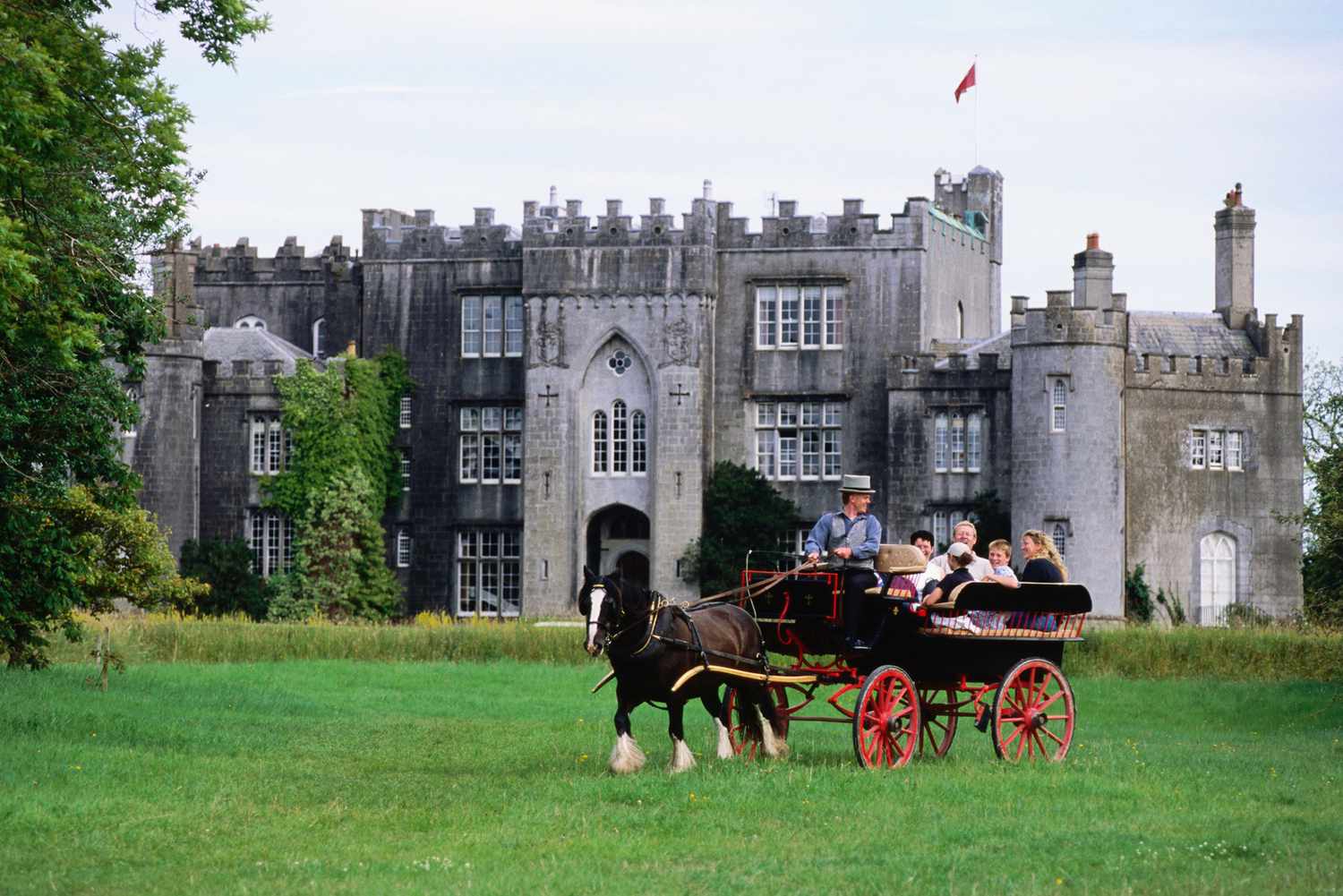
Business Style Takeaway: Exploring Ireland’s historic castles offers a unique blend of cultural immersion, architectural appreciation, and opportunities for tranquil reflection amidst stunning landscapes. These sites provide a sophisticated backdrop for executives seeking to understand the nation’s heritage while enjoying luxurious historical settings and inspiring vistas.
Information compiled from materials : www.travelandleisure.com