

The enduring appeal of cast-iron cookware lies not just in its rustic charm, but in its exceptional performance and longevity when properly maintained. This essential kitchen tool, a favorite among discerning chefs, offers unparalleled heat distribution, making it ideal for achieving the perfect sear on fish or a flawless, even finish on delicate omelets and frittatas. Understanding the nuances of its care is key to unlocking its full potential and ensuring it remains a staple in a well-appointed kitchen for generations.
The Art of Cast-Iron Care
Chef Monty Koludrovic, a proponent of cast-iron for his acclaimed establishments, shares his refined approach to preserving these culinary workhorses. His expertise demystifies the process, offering a clear path to maintaining the integrity and functionality of cast-iron skillets.
Essential Preparations
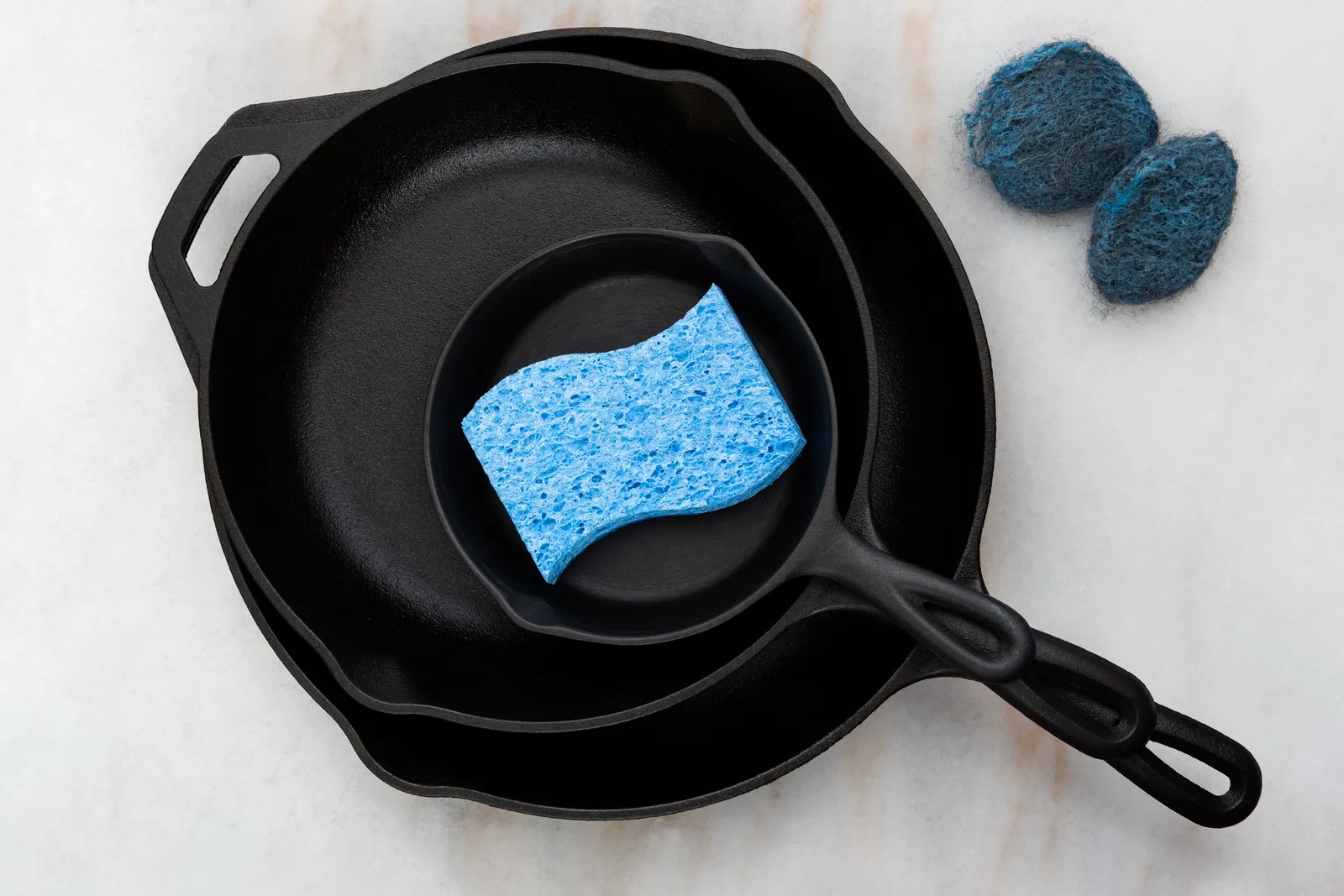
To ensure optimal care for your cast-iron pieces, assemble the following essentials:
- A robust scrub brush or non-abrasive sponge
- A soft, absorbent cloth for drying
- Coarse kosher salt for gentle abrasion
- A mild dish soap
Beyond these tools, your most valuable asset will be a willingness to apply a thoughtful hand, ensuring each piece is treated with the respect it deserves.
Addressing Food Residue
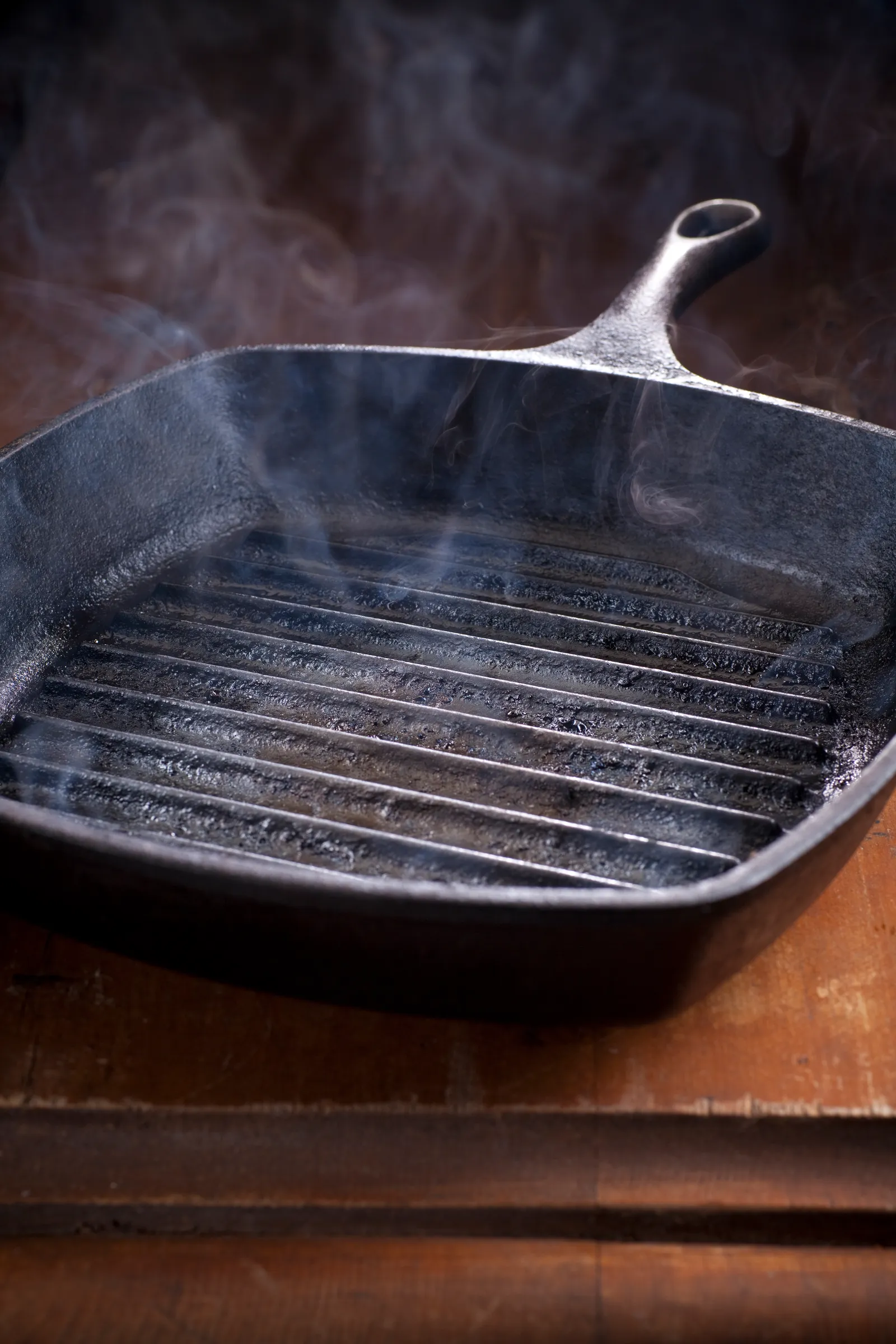
Prompt attention is paramount; address cleaning immediately after use. While avoiding direct contact with a hot surface, the residual warmth facilitates the removal of larger food particles with a spatula, preventing stubborn adhesion.
Meticulous Hand-Washing
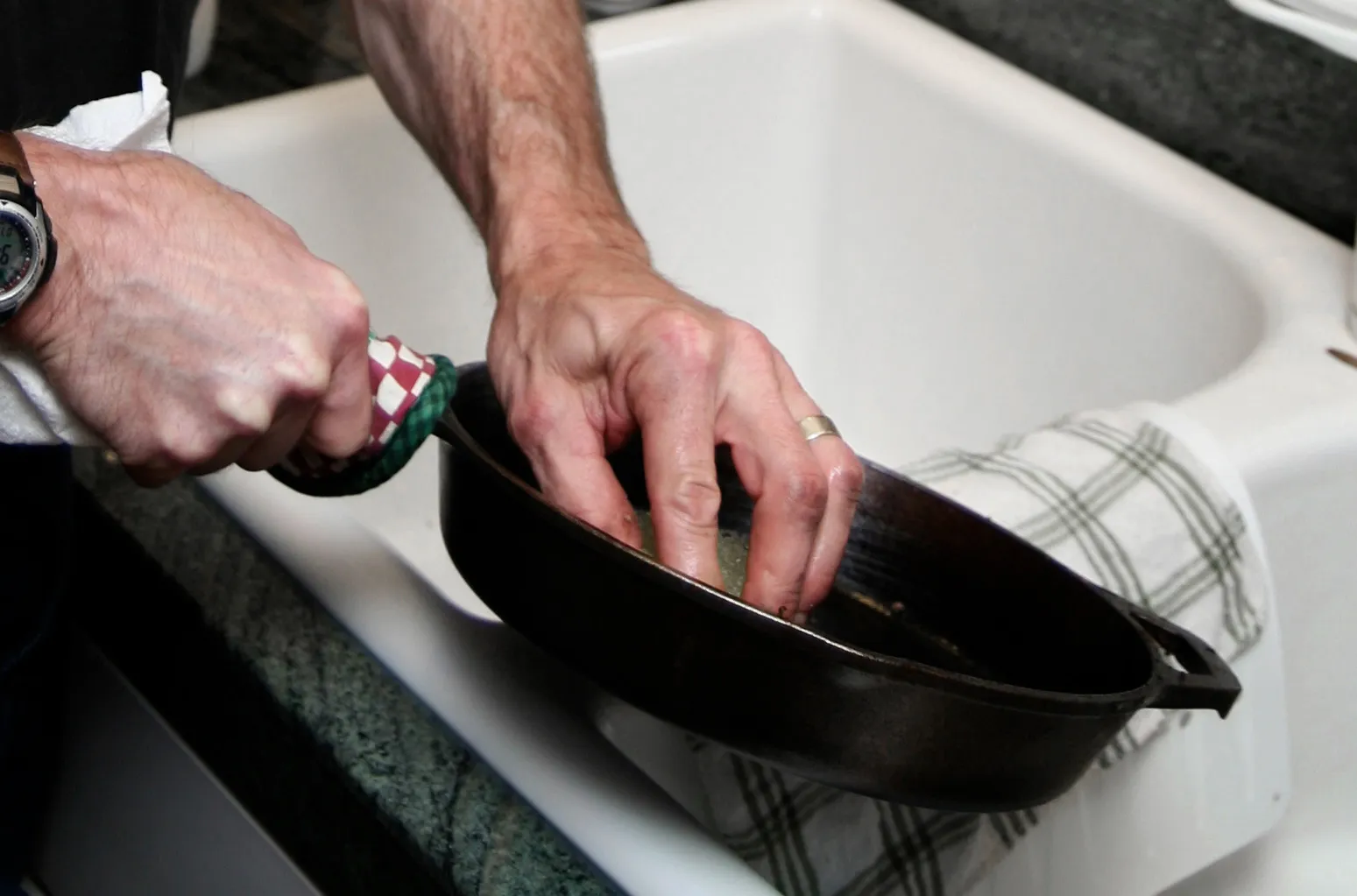
Following the removal of food debris, proceed with washing the pan using hot water and a moderate amount of mild dish soap. Employ the scrub brush or sponge to cleanse the entire surface. Crucially, ensure the pan is thoroughly dried with a soft cloth immediately after washing to prevent any possibility of rust formation. Never allow cast iron to remain immersed in water.
Infusing with Protective Oil
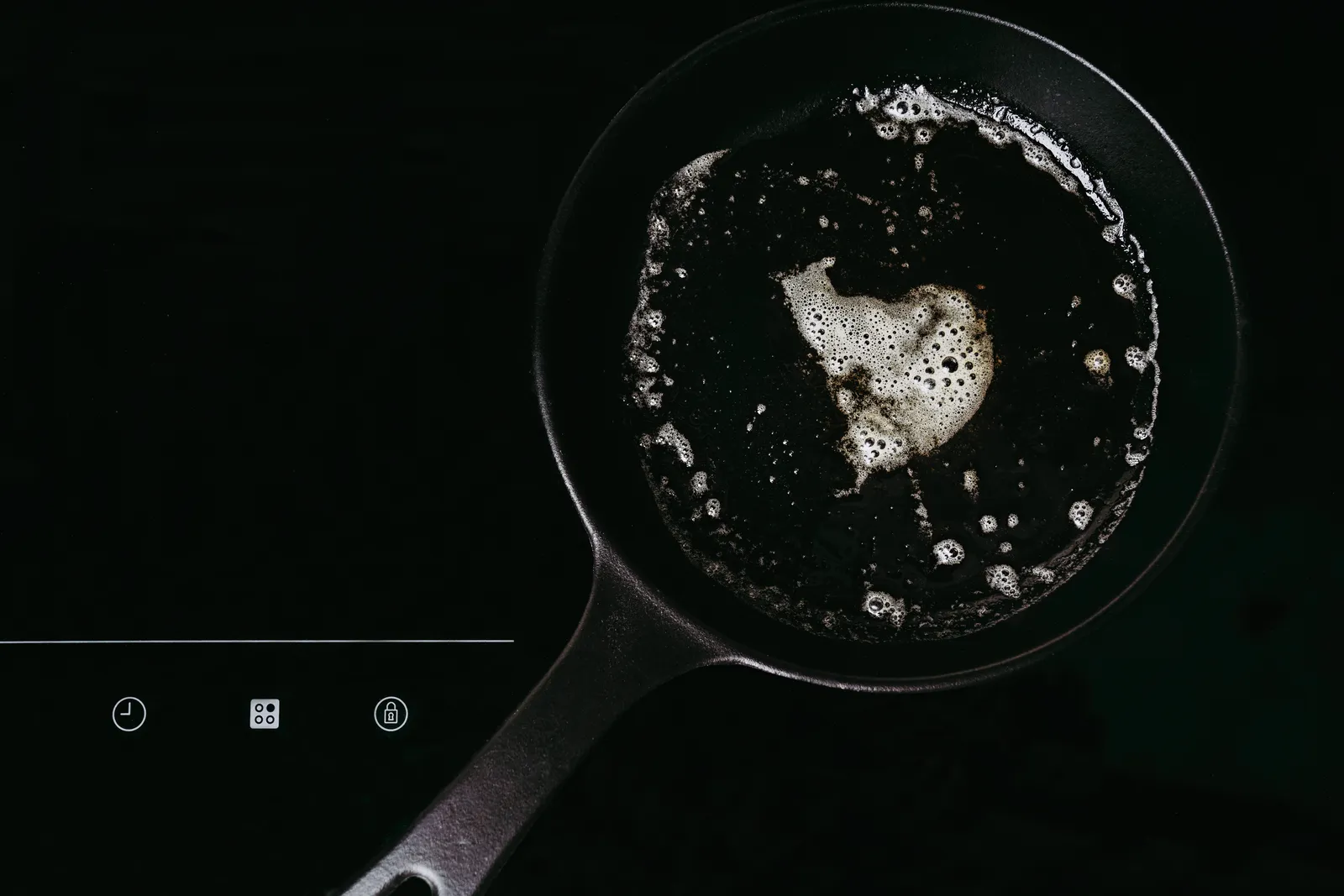
Once impeccably dry, apply a small quantity of oil with a high smoke point—such as grapeseed, safflower, or canola—to the interior of the pan. Use a clean cloth to gently buff the oil into the metal. This ritualistic application builds the pan’s seasoning, a polymerized layer of oil that enhances its non-stick properties and guards against corrosion.
Sustaining the Skillet’s Brilliance
Should food begin to adhere during use, a comprehensive re-seasoning is advisable. Koludrovic emphasizes this as the cornerstone of ongoing maintenance. Begin by heating the pan on the stovetop with a generous layer of kosher salt for 10 to 15 minutes over high heat. This process effectively purges any lingering residues, creating a pristine surface.
Subsequently, introduce your chosen high-smoke-point oil and continue heating for another 10 minutes. After allowing the pan to cool, meticulously wipe away any excess oil. An alternative method involves placing the oiled pan, inverted, on an oven rack set at 375 degrees Fahrenheit for one hour. After the oven has cooled, wipe the pan once more before storing it.
Addressing Common Inquiries
Post-Use Skillet Care
The optimal method for cleaning a cast-iron skillet post-use involves scraping away food remnants while the pan is still warm. Subsequently, a gentle wash with mild dish soap and water, followed by immediate and thorough drying, is recommended. A final, light application of vegetable oil to the interior and exterior will further protect the seasoning.
Restoring Heavily Built-Up Cookware
For pans exhibiting significant baked-on residue, a more intensive approach may be necessary. Sprinkling coarse kosher salt followed by scrubbing with water can dislodge stubborn particles. Alternatively, heating water in the skillet to a boil and using a wooden scraper can help lift adhered bits. For persistent buildup, a steel wool scrubber may be employed, though caution is advised to avoid stripping the existing seasoning. If seasoning is compromised, reapply as per the maintenance guidelines.
The Role of Dish Soap in Cast-Iron Care
Contrary to popular belief, mild dish soap can be safely used on cast-iron cookware. Older formulations of soap contained harsher ingredients that could degrade seasoning. Modern, mild dish soaps, particularly eco-friendly varieties, are effective without compromising the pan’s protective oil layer. Koludrovic endorses mild options, noting that the pan’s sterile, high-temperature cooking surface often renders soap unnecessary. However, using it will not cause harm, provided the pan is thoroughly dried and lightly oiled afterward.
Preventing Damage to Cast-Iron Pans
Dishwashers are incompatible with cast-iron care due to prolonged exposure to water, which inevitably leads to rust. While water itself is not detrimental, prolonged immersion is. Rust not only compromises the pan’s aesthetic and functional integrity but can also pose a health risk by harboring bacteria. To avert such issues, always ensure the skillet is completely dry immediately after cleaning. Signs of significant wear, such as a wobbly base, loose handle, or visible cracks, may indicate that a cast-iron piece has reached the end of its serviceable life.
Revitalizing Vintage Cast Iron
For cast-iron pieces affected by minor rust, restoration is often achievable through diligent cleaning. Use a pan scraper or chain mail scrubber, followed by washing, drying, and oiling. For more substantial rust, a paste of baking soda and water, combined with vinegar and steel wool, can be effective. Alternatively, an acidic soak in vinegar or even cola for approximately an hour, followed by scrubbing and thorough rinsing, can help dissolve rust. After rust removal, proper drying and re-seasoning are essential.
If a skillet appears dull and has lost its non-stick surface, a thorough cleaning with hot soapy water followed by coating with cooking oil and baking upside down at 350-400 degrees Fahrenheit for at least an hour can restore its luster and performance. Ensure a layer of foil is placed beneath to catch any drips.
Business Style Takeaway: The meticulous care and maintenance of cast-iron cookware reflect a broader appreciation for quality, durability, and timeless design in the luxury lifestyle. Embracing these time-honored practices not only enhances culinary experiences but also cultivates a personal brand associated with thoughtful stewardship and enduring value.
Learn more at : www.architecturaldigest.com