

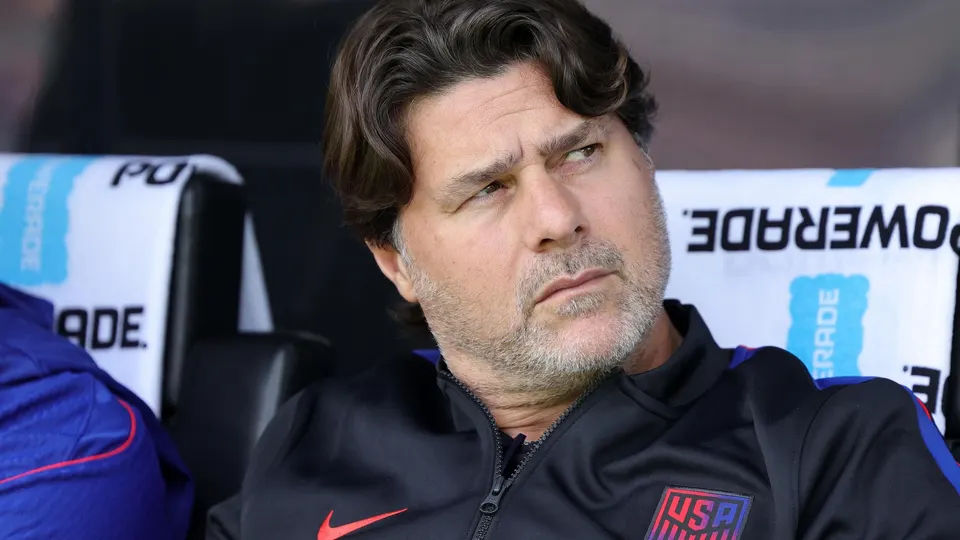
Speculation surrounding the future of the United States men’s national team manager, Mauricio Pochettino, has intensified with links to European club roles for the upcoming season, even before the World Cup commences. This situation can be unsettling for American soccer enthusiasts and sports fans in general, who are accustomed to a degree of continuity among top-tier coaches. However, within the global football landscape, it is not uncommon for managers to view a World Cup as a natural conclusion to their tenure, irrespective of the tournament’s outcome.
Below is a list of ten other managers set to lead their teams in the 2026 World Cup whose contracts are set to expire once the tournament concludes in July. This compilation is not exhaustive and does not account for managers who may have extensions in place but could face premature dismissal due to underperformance.
Dick Advocaat
Curaçao
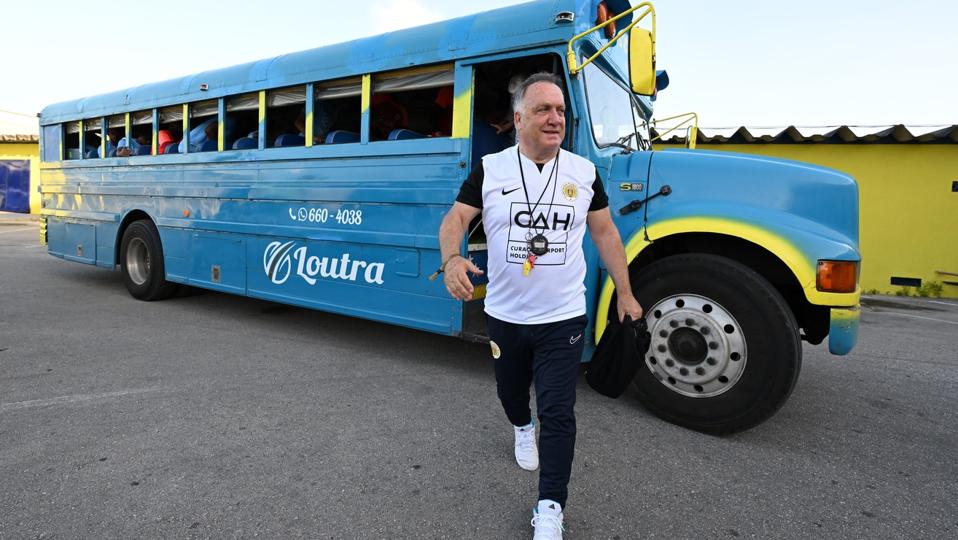
The esteemed Dutch manager is in a position of relative freedom, with this tournament potentially marking the final chapter of his distinguished career. After guiding the small Caribbean nation to become the smallest entity to ever qualify for a World Cup, he had initially stepped down to attend to his ailing daughter. With her health now improved and the team facing challenges in preparatory matches, the 78-year-old has returned to the helm just in time for their World Cup debut.
Javier Aguirre
Mexico
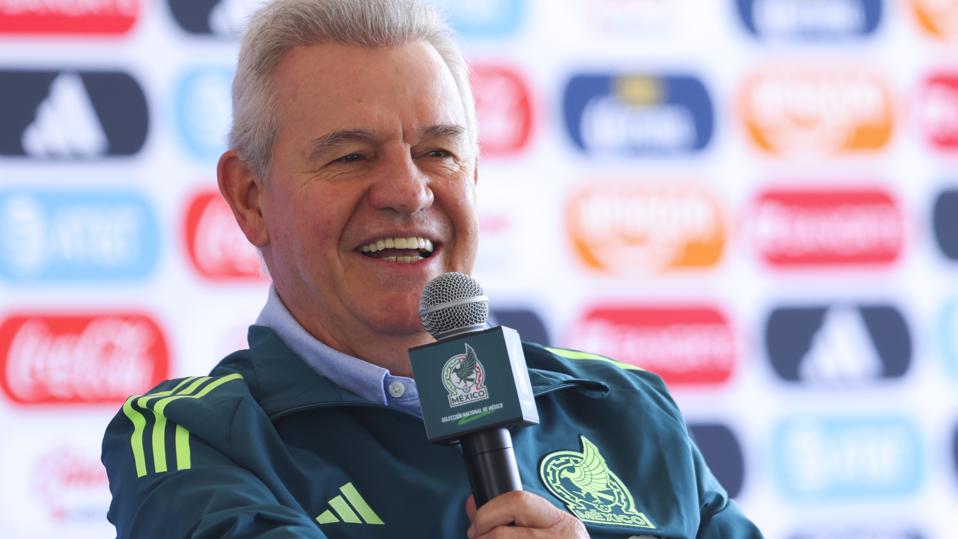
Aguirre assumed leadership of El Tri for a third time following their group-stage elimination from the 2024 Copa America. He subsequently guided the team back to continental success, securing victories in the 2025 Concacaf Nations League and the 2025 Concacaf Gold Cup, meeting the high expectations of the fanbase. It is widely anticipated that he will move on to new opportunities, regardless of Mexico’s performance as a co-host nation in the tournament.
Marcelo Bielsa
Uruguay
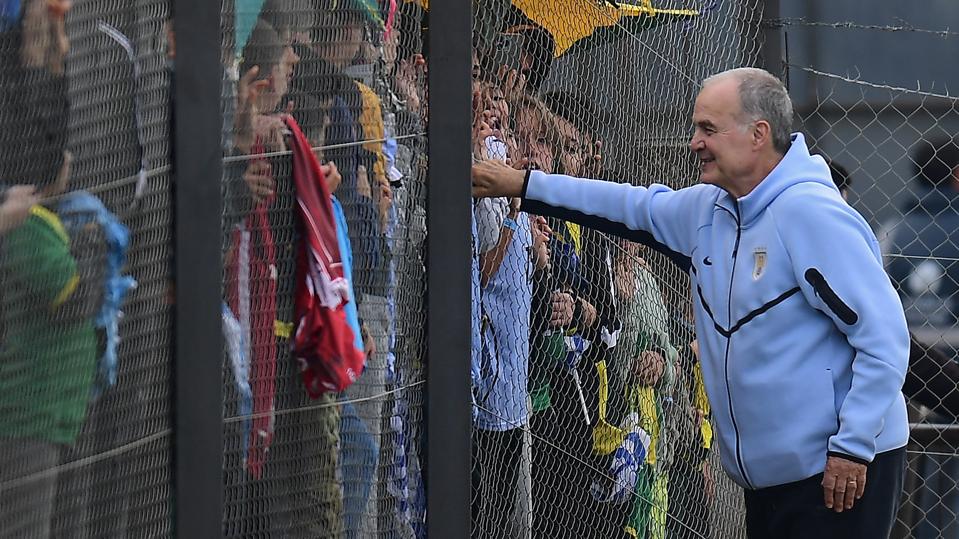
Bielsa is recognized as one of the most influential tactical minds in the history of global football. However, as an Argentine coaching the rival nation across the Rio de la Plata, his tenure with La Celeste has always carried an underlying sense of impermanence. Uruguay secured qualification for the 2026 World Cup comfortably from CONMEBOL and achieved a respectable third-place finish in the 2024 Copa América. Nevertheless, with Bielsa now 70 years old, this tournament appears to represent a natural conclusion to his tenure, and potentially, his illustrious career.
Zlatko Dalić
Croatia
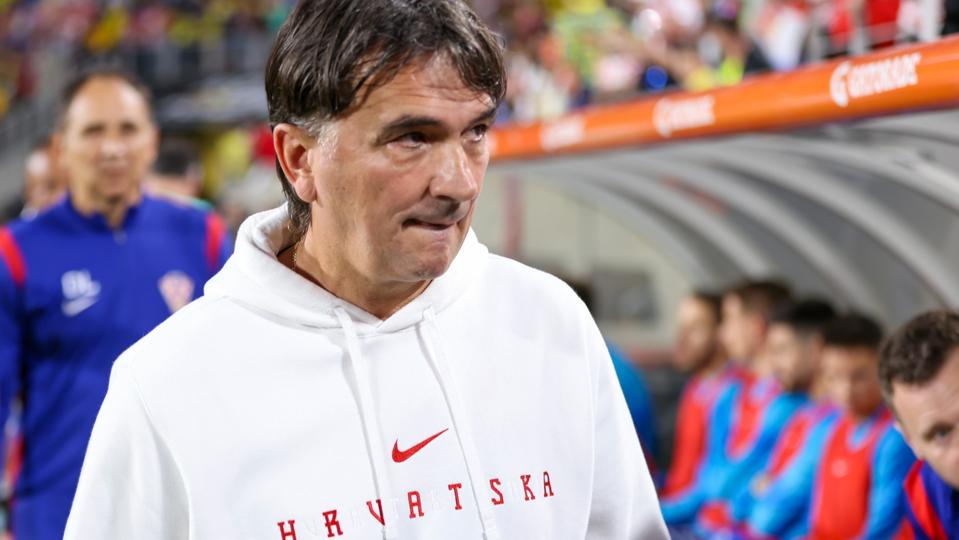
While Luka Modrić has received considerable acclaim for the Croatian national team’s achievements in the past two World Cups, the football federation also holds significant appreciation for Dalić’s contributions. He enters his third World Cup at the helm, having led the Balkan nation to the final in 2018 and the semifinals in 2022. Despite a potential generational transition in the current squad, it is plausible that the Croatian federation might extend his contract for another cycle, even if the results in 2026 are more modest.
Didier Deschamps
France
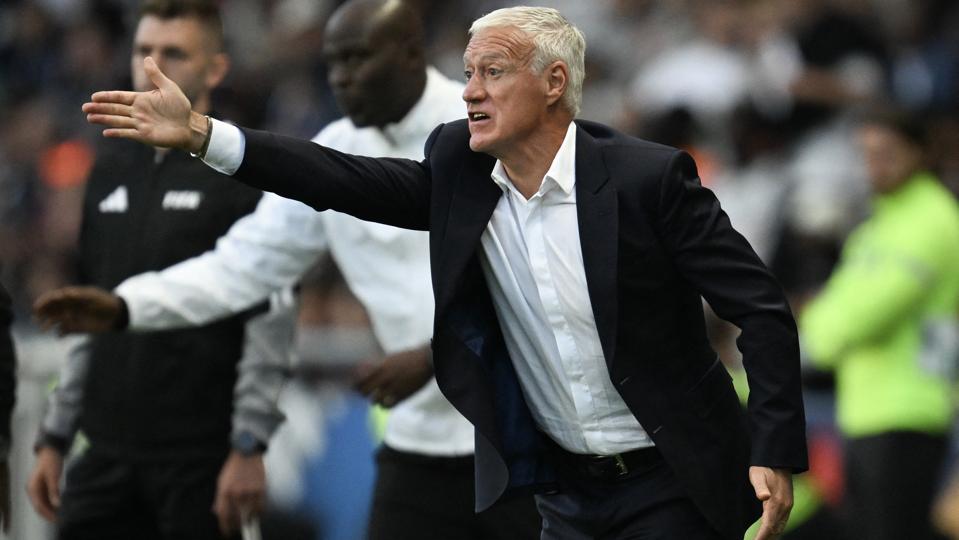
Deschamps holds the distinction of being the longest-serving manager at the tournament and has already indicated his intention to step down following its conclusion. Even if his fourth World Cup campaign with Les Bleus does not yield the desired outcome, he will depart with an exceptional record, including the 2018 World Cup title and two other major final appearances (Euro 2016 and the 2018 World Cup).
Ronald Koeman
Netherlands
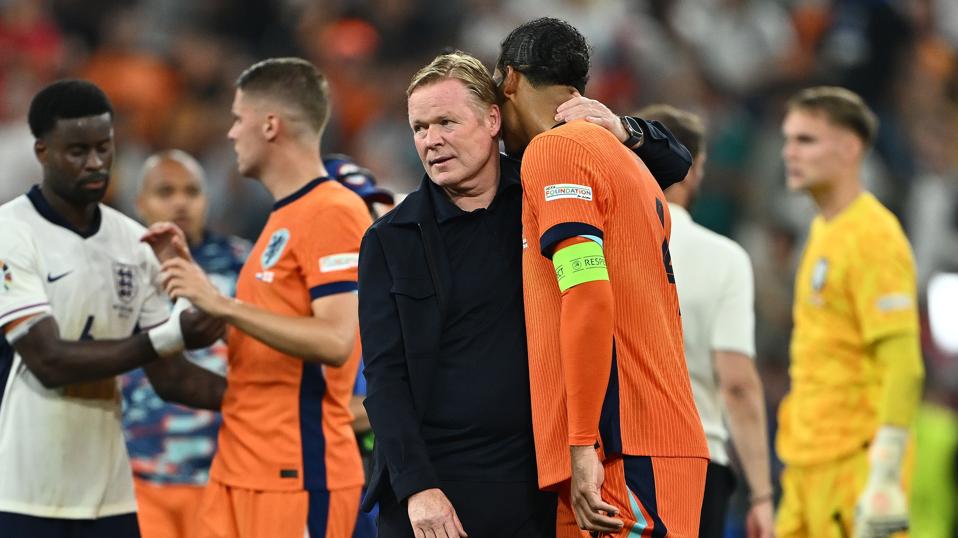
Koeman has managed a diverse array of clubs, but he has recently suggested he may not return to club management. If this remains the case, a strong performance in North America could potentially persuade the 63-year-old to prolong his international coaching career. However, he is still seeking a landmark achievement with the Dutch national team, with their runner-up finish in the 2018-19 UEFA Nations League being his most significant success to date.
Roberto Martinez
Portugal
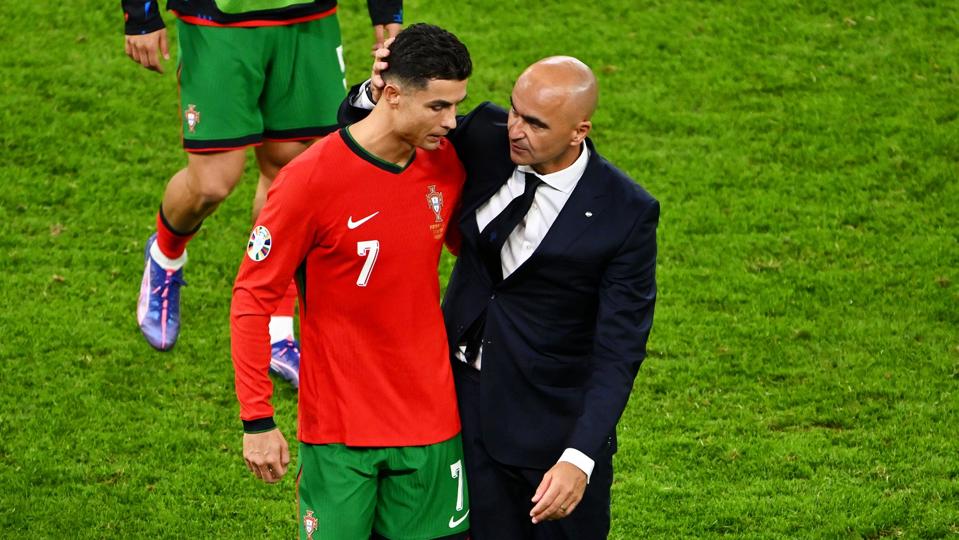
While other managers have navigated the complexities of managing Cristiano Ronaldo’s influence on the Portuguese national team in the latter stages of his career, Martinez has effectively leveraged the aging star’s goal-scoring prowess. The now 41-year-old led his side in qualifying with five goals in five appearances, with only one of those coming from a penalty. However, with Ronaldo likely participating in his final World Cup, Martinez may also be poised to move on, irrespective of the team’s results.
Carlos Queiroz
Ghana
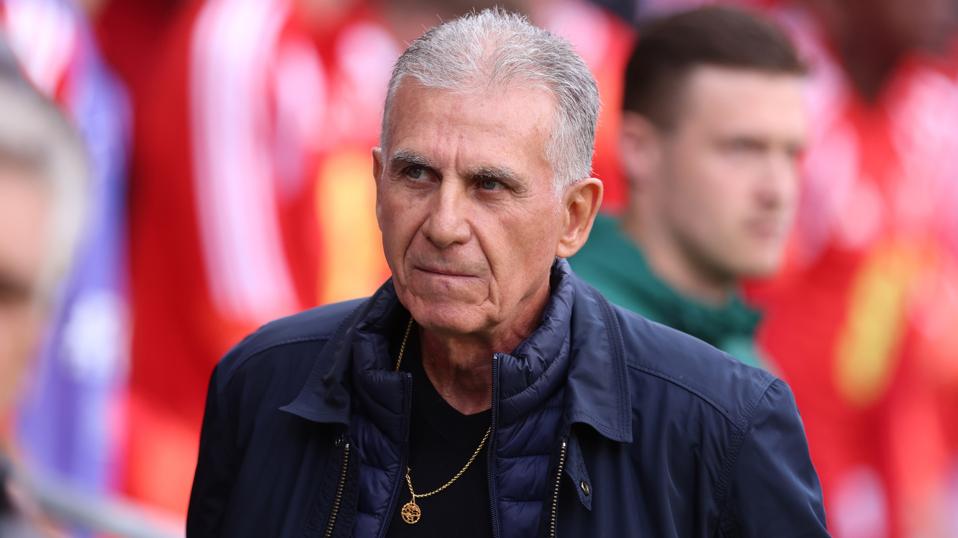
This will be Queiroz’s fourth World Cup as a head coach, having previously led Iran in their last three appearances. Similar to his return to Iran for the 2022 tournament, he took charge of the Black Stars as an emergency replacement in April following Otto Addo’s dismissal. Technically, Ghana holds an option to extend the 73-year-old’s contract based on team performance, which could be triggered by a strong showing in one of the tournament’s most challenging groups.
Lionel Scaloni
Argentina
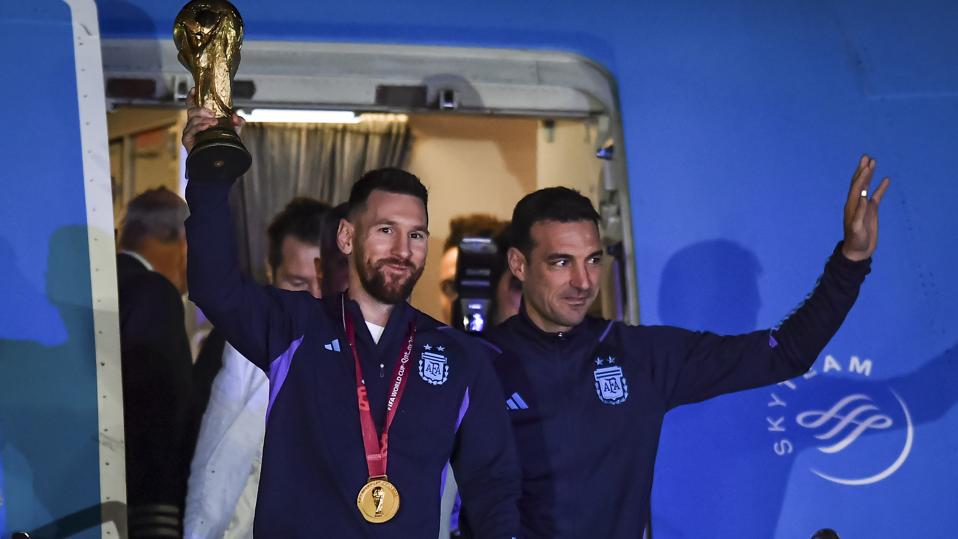
Scaloni achieved what his predecessors managing the Albiceleste could not, by developing a national team system capable of effectively harnessing Lionel Messi’s talents to drive collective success. However, even if Messi, now 38, leads Argentina to a second consecutive World Cup title in 2026, this is likely to mark the end of Scaloni’s tenure, particularly as it is also expected to be Messi’s final international tournament.
Ralf Rangnick
Austria
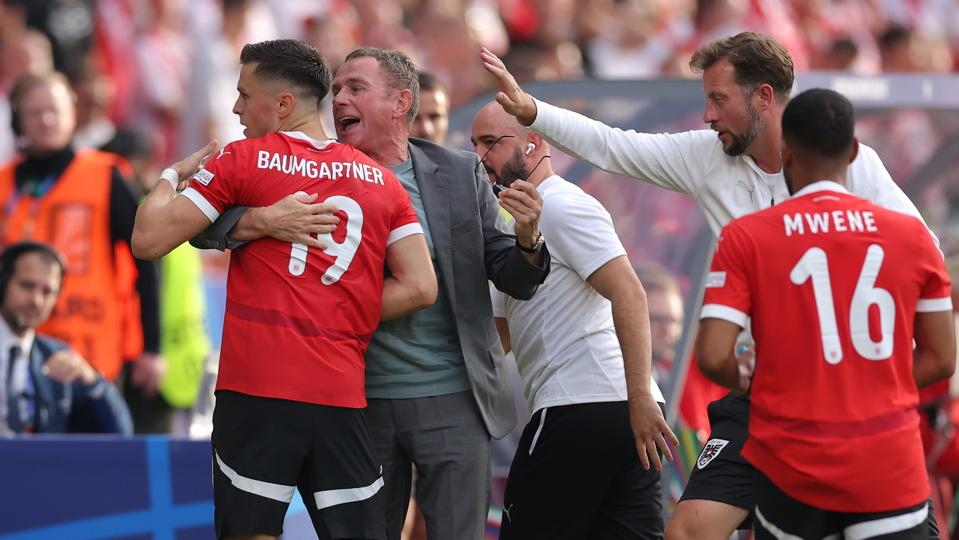
Renowned as the architect of the modern high-pressing style, Rangnick primarily managed within the German professional game before taking the helm of Austria for the entire 2026 cycle. He is notably recognized for establishing the identity of the Red Bull football group, both as a manager and sporting director at its flagship club, RB Leipzig. Assuming he wishes to return to club management, he will likely attract significant interest, having already been linked with AC Milan, a club that had reportedly previously approached Pochettino’s representatives regarding their managerial vacancy.
Business Style Takeaway: The approaching 2026 World Cup presents a period of potential leadership transition for several national football teams, driven by expiring contracts and the natural conclusion of managerial cycles tied to major tournaments. This coaching flux could create opportunities for clubs and federations seeking new leadership, while also signaling a strategic shift for national programs aiming to build for the future.
Original article : www.forbes.com