

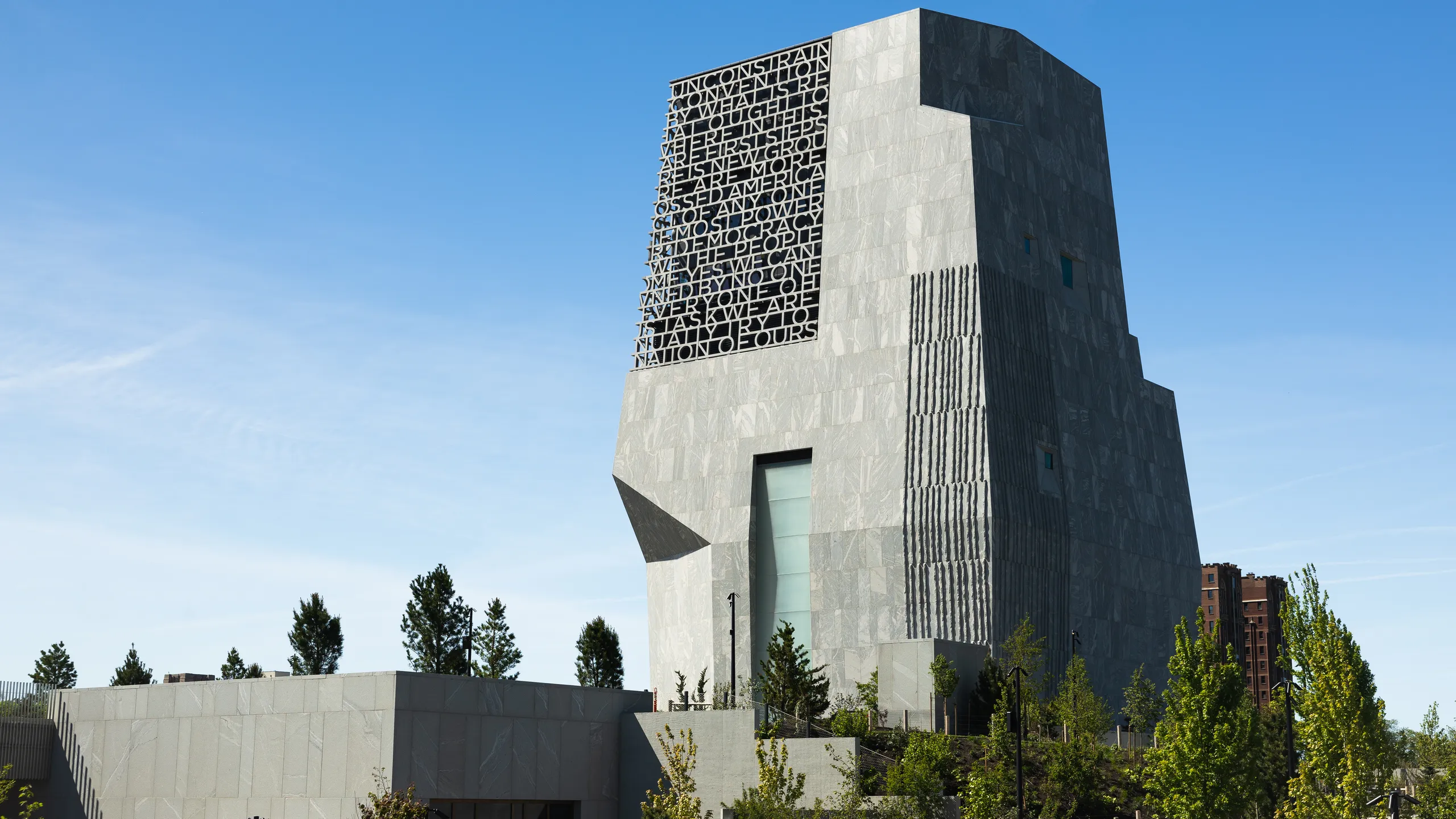
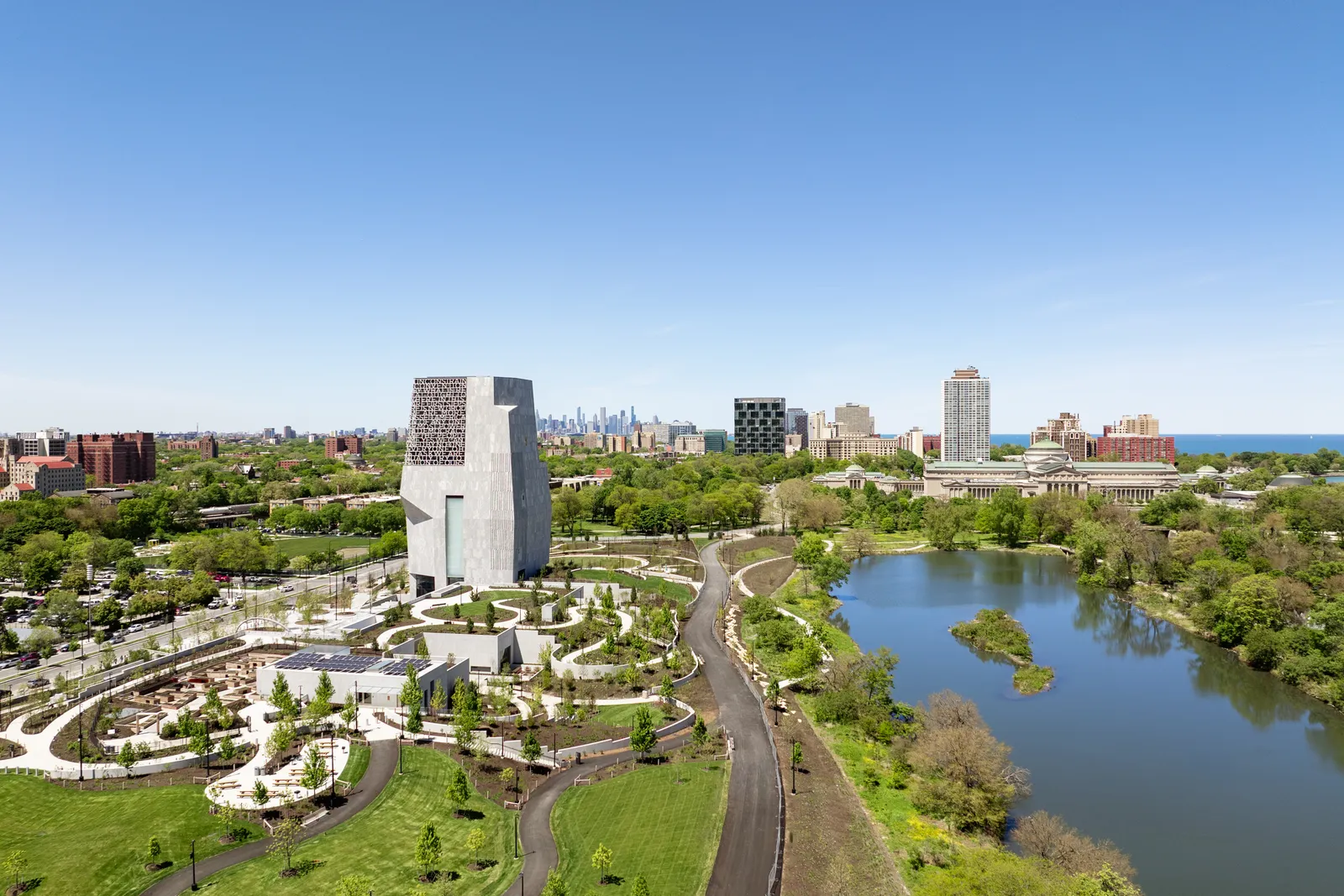
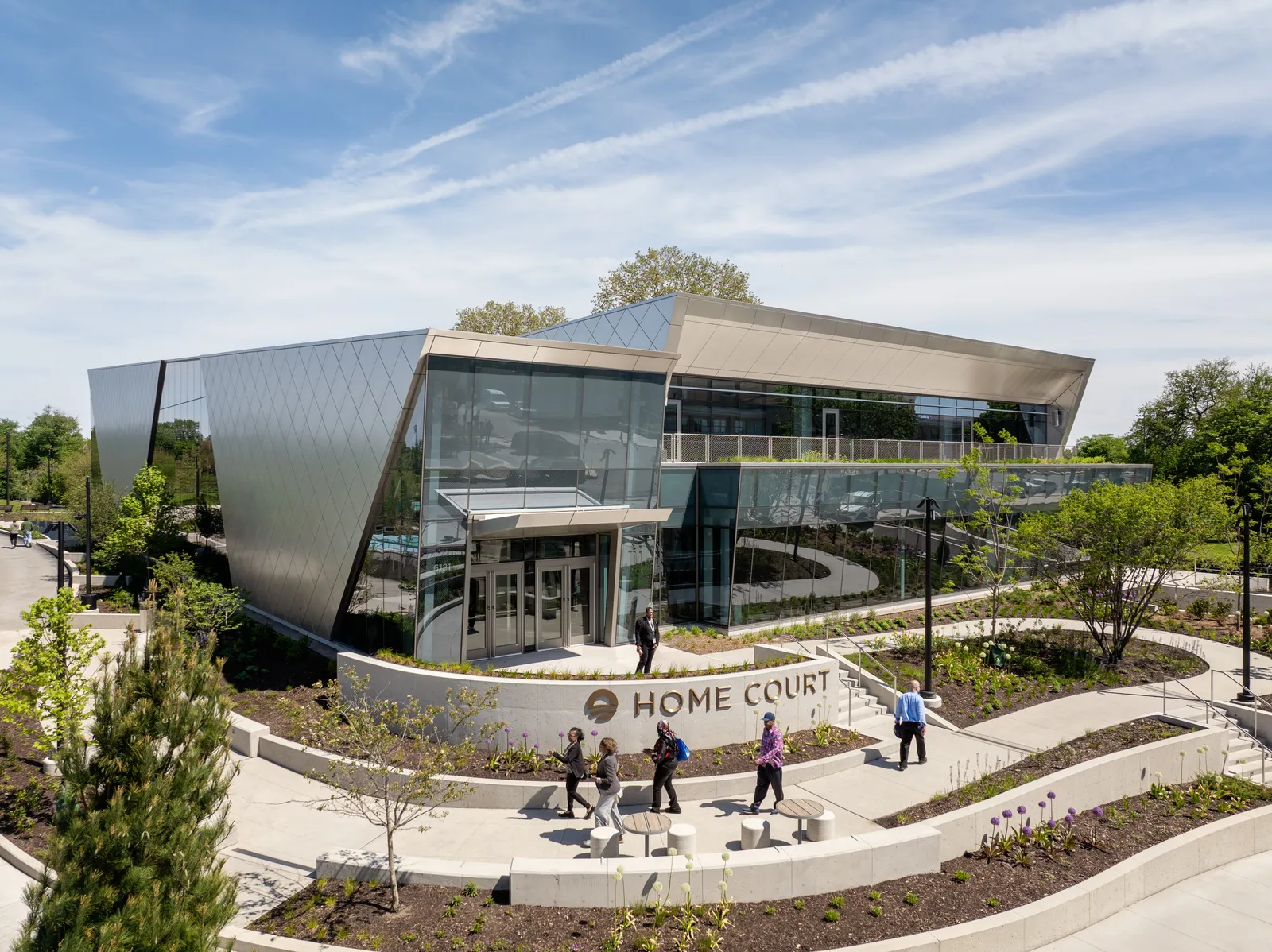
The Obama Presidential Center, conceived by Tod Williams Billie Tsien Architects (TWBTA) in partnership with landscape architects Michael Van Valkenburgh Associates, unfolds across a thoughtfully integrated 19.3-acre expanse on Chicago’s South Side. Its design philosophy champions accessibility, allowing visitors to arrive through various portals—a central plaza, an artfully concealed underground parking area, or meandering pathways from the historic Jackson Park. This deliberate porosity, as noted by architect Billie Tsien, underscores the project’s core ethos: fostering broad community engagement rather than merely projecting an image of presidential legacy.
Architectural Vision and Programmatic Innovation
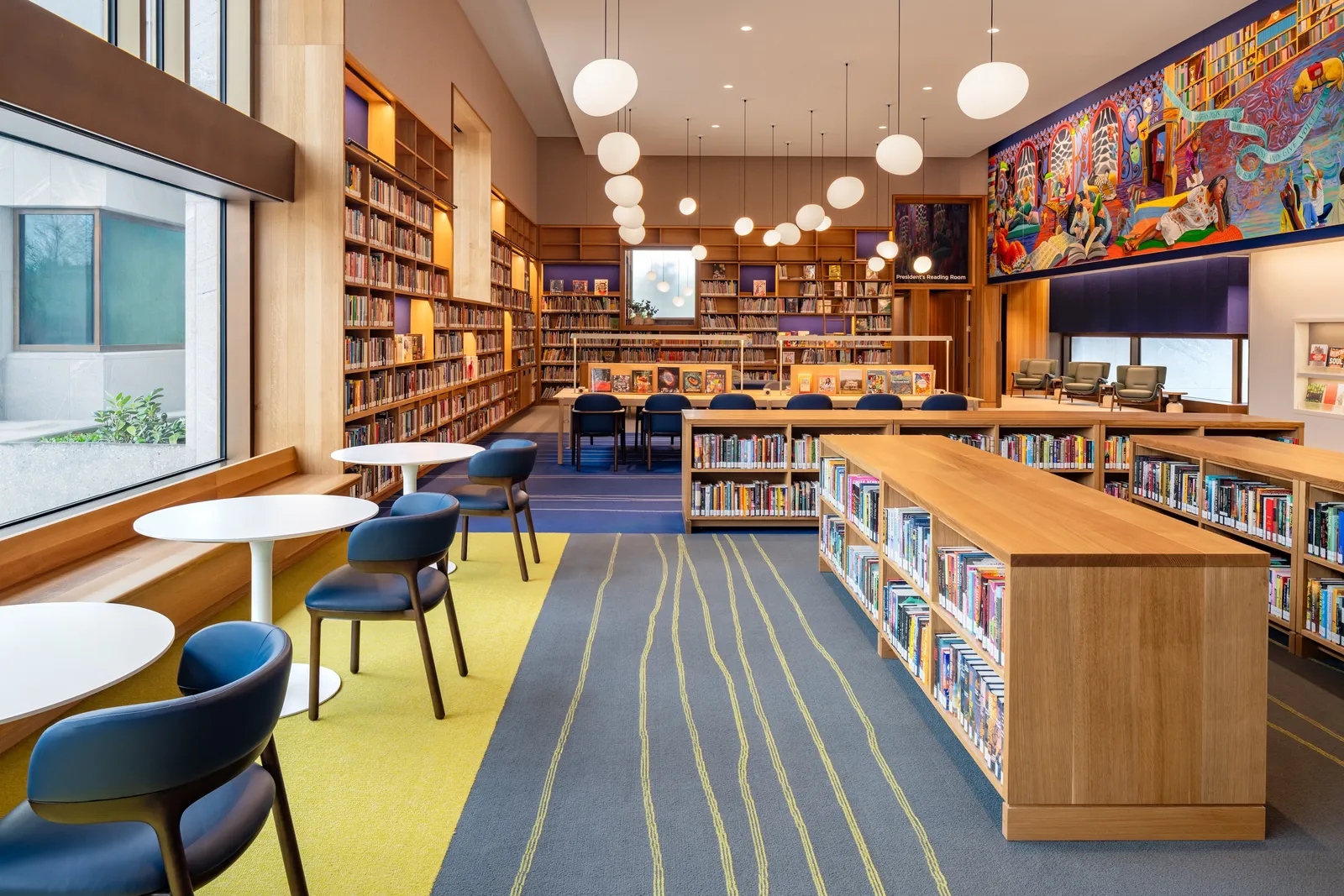
Selected in 2015 from a distinguished shortlist of international firms, TWBTA embraced the Obama Foundation’s vision for a space that serves its local community while inspiring future leaders. Shifting away from the traditional presidential library model, the design leverages the digitization of President Obama’s archives to create a dynamic, multi-building campus. This includes a striking eight-story museum tower housing the former President and First Lady’s private offices, a Chicago Public Library branch featuring a reading room curated with the President’s favorite texts, and ‘The Forum’—a versatile space encompassing performance venues, educational facilities, and recording studios. The architectural ensemble is further enhanced by an athletic facility designed by Moody Nolan.
Museum Tower: An Iconic Form
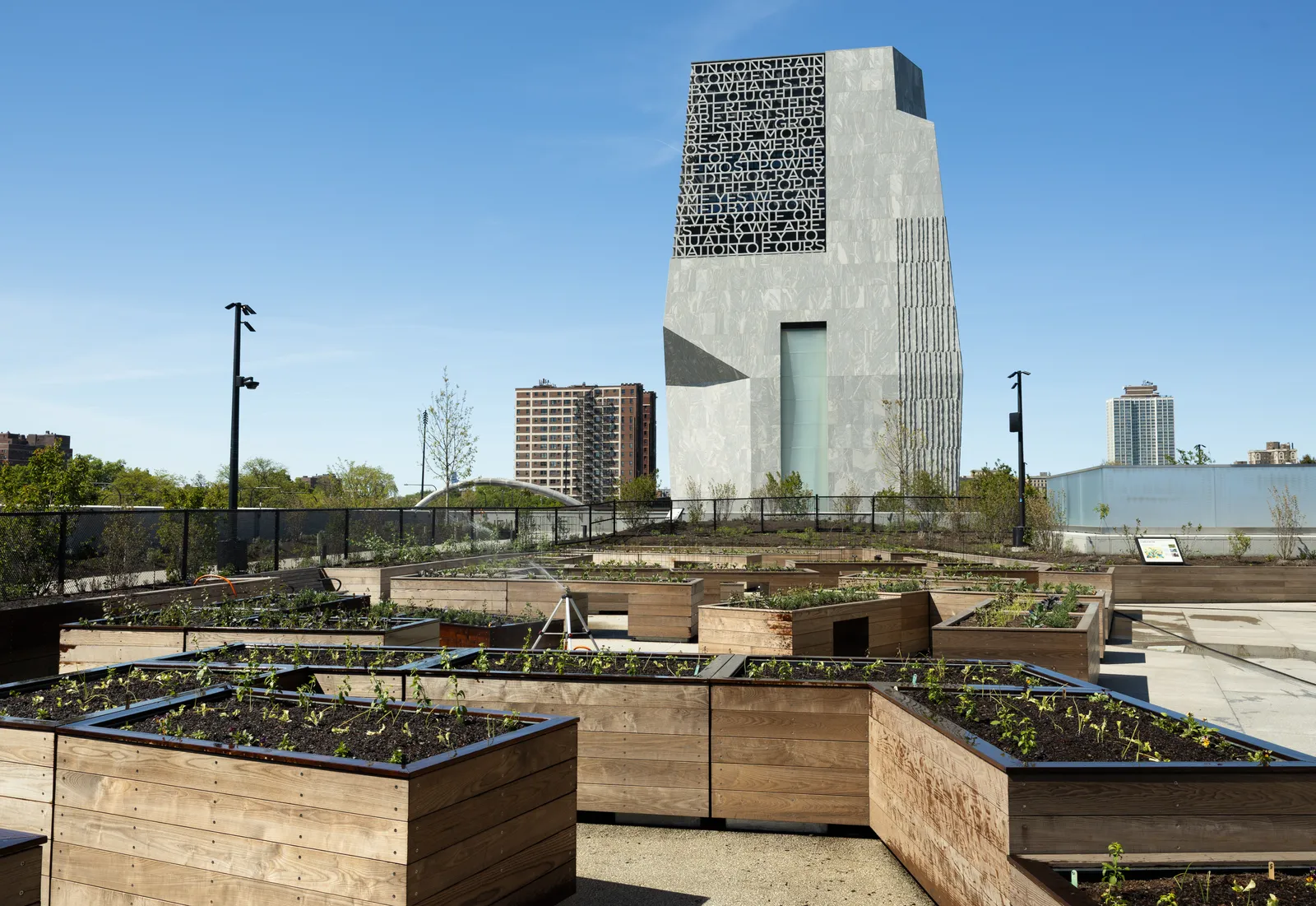
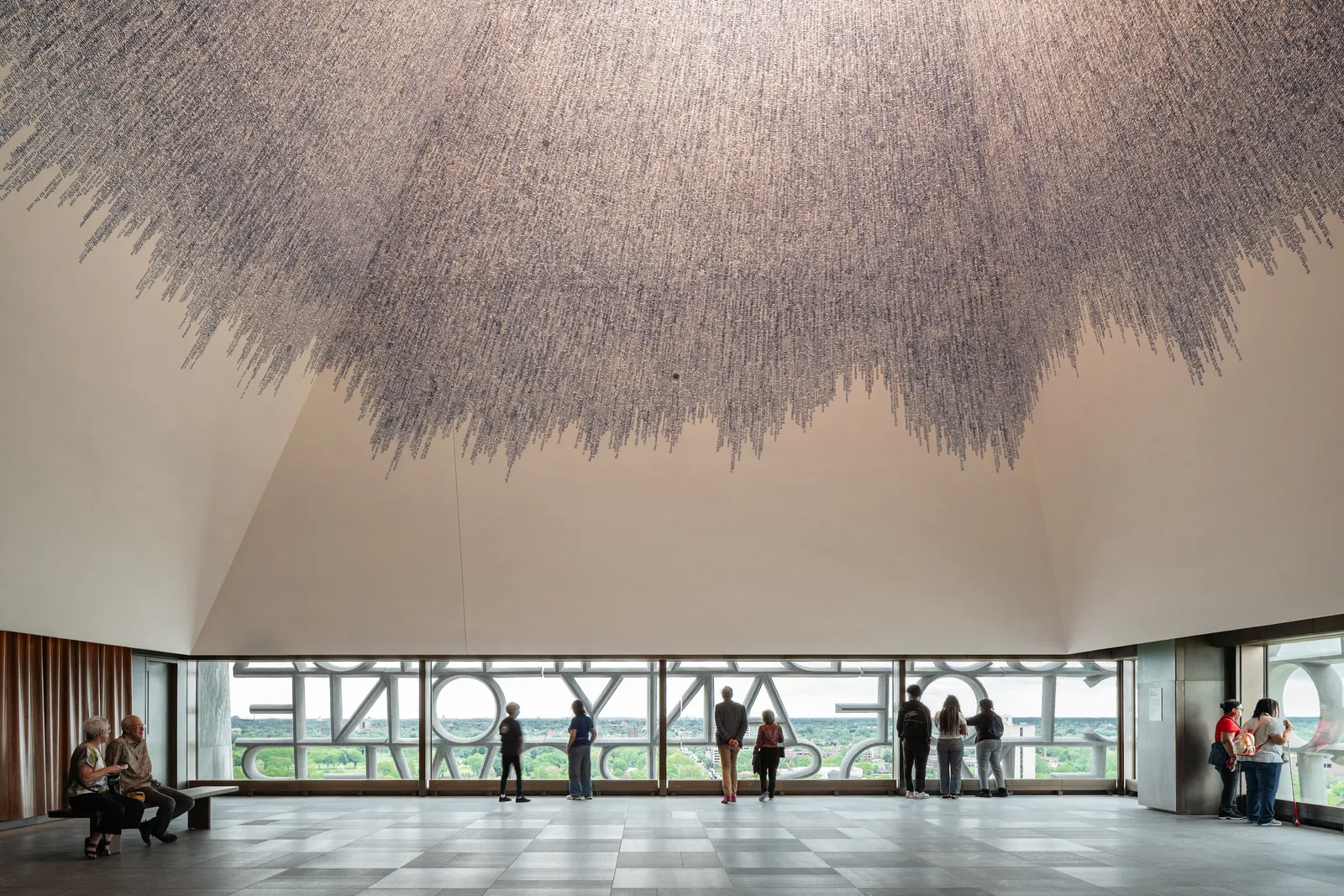
The museum tower, a dominant yet elegant structure, is clad in richly textured New Hampshire granite, its facades dynamically punctuated by well-proportioned windows. TWBTA sought to create an “iconic” building, a form that resonates with President Obama’s stature yet remains profoundly inclusive. The architects envisioned the building’s faceted surfaces as evoking hands rising in unity or a beacon of light. Adding a layer of contemplative meaning, a brise soleil etched with text from President Obama’s historic 2015 Selma speech wraps a corner of the upper floors.
Interior Experience and Artistic Integration
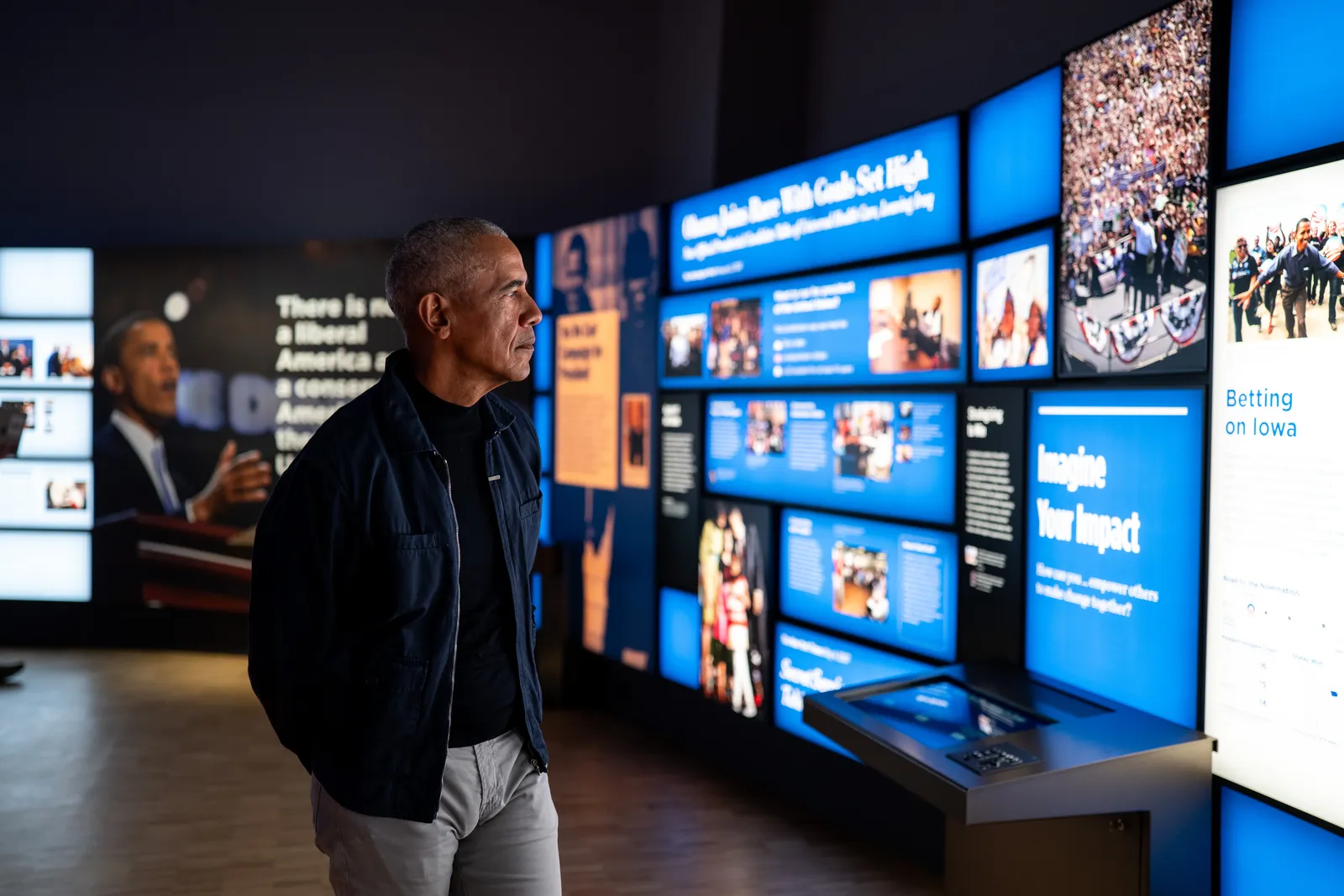
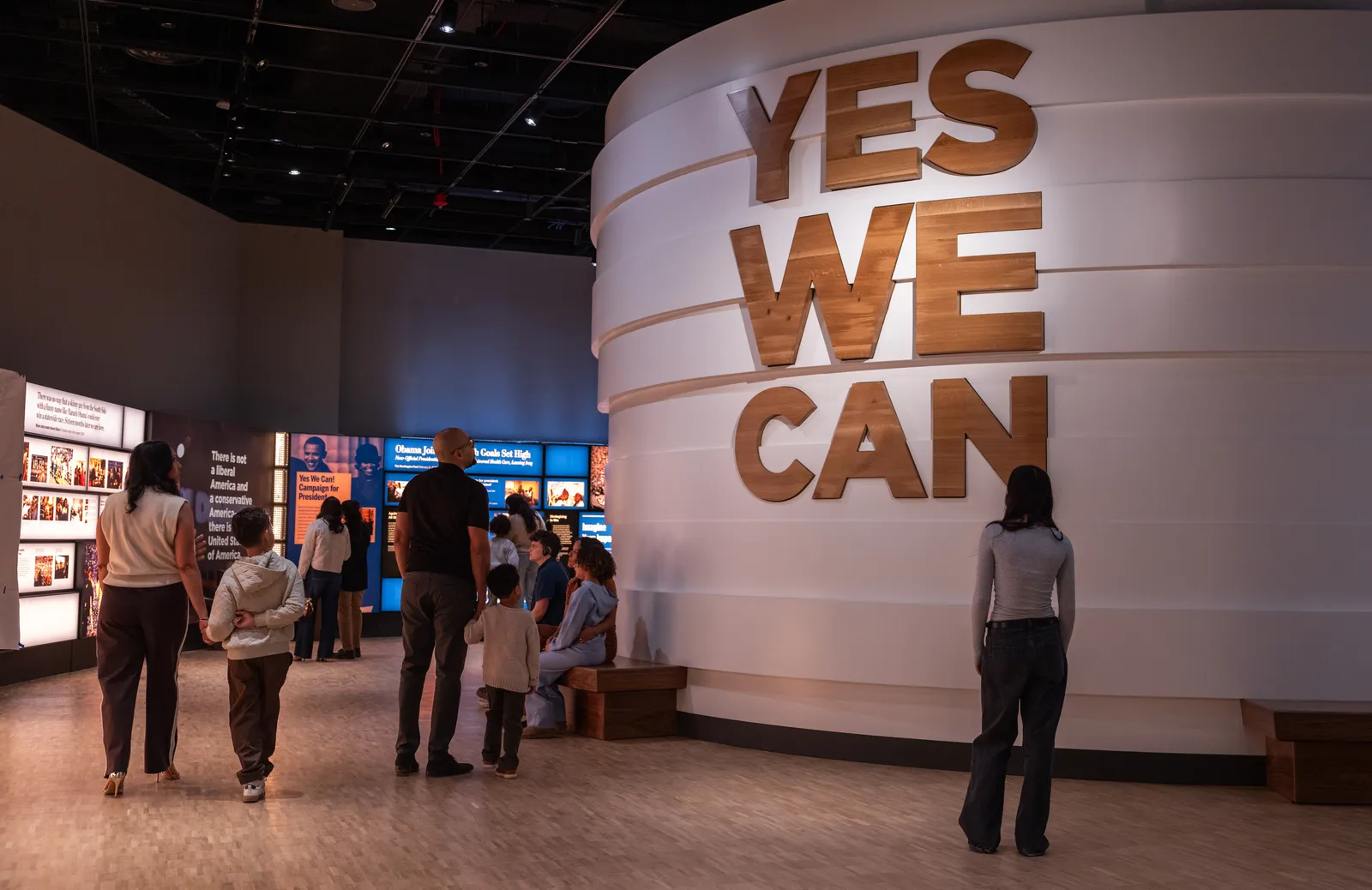
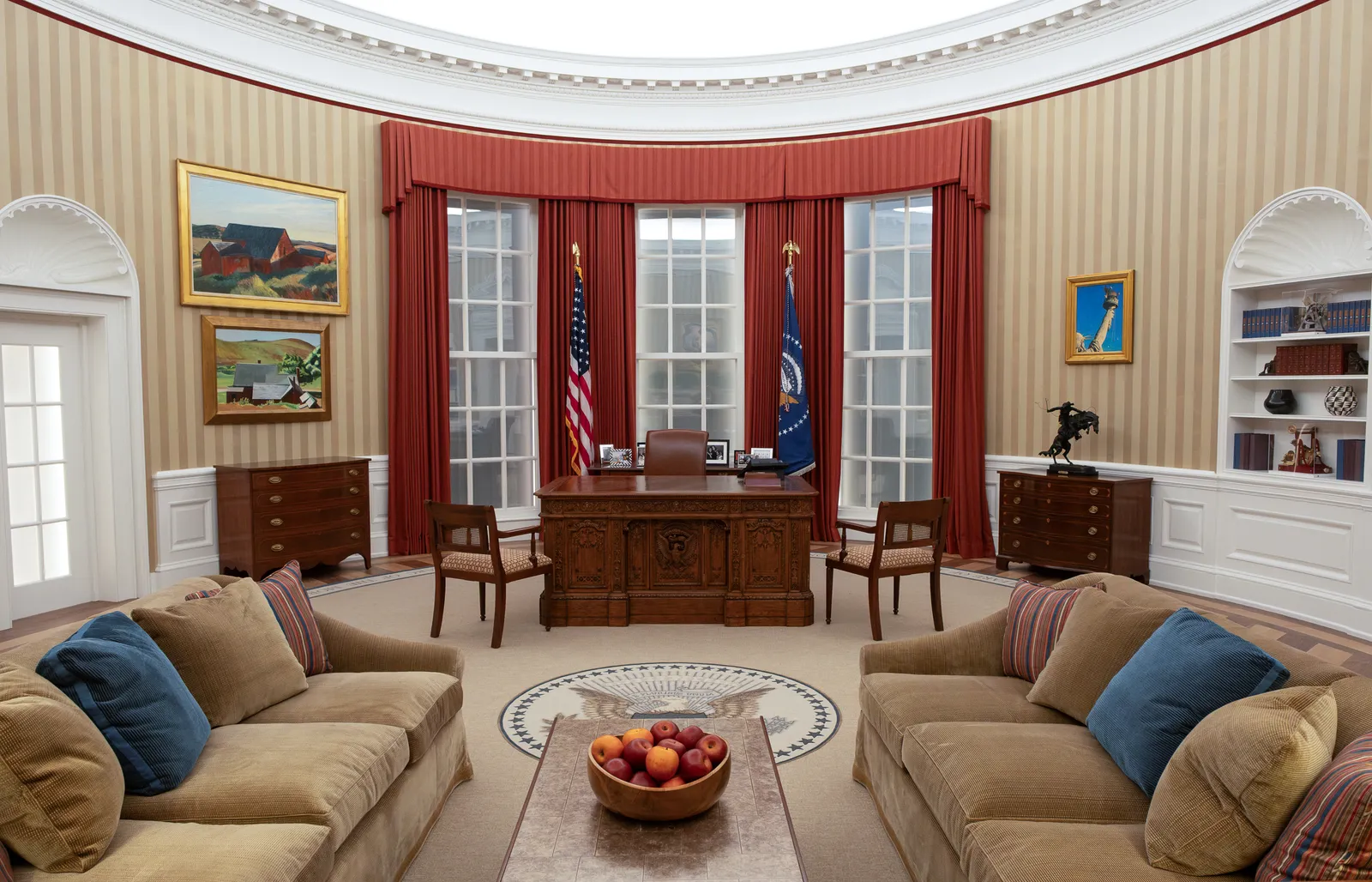
The museum’s interior offers a profound journey through President and Mrs. Obama’s lives and administrations. A central atrium, adorned with a dynamic video collage, sets an immersive tone. Exhibitions meticulously trace their personal and political evolution, from the pivotal 2008 election to the significant achievements and challenges of their terms. Visitors can engage with a replica of the Oval Office, offering a tangible connection to history. Beyond nostalgia, the exhibits powerfully highlight the ongoing need for civic engagement, contextualizing historical progress within contemporary challenges. The eighth-floor Sky Room provides a serene vantage point with panoramic city views, designed as a contemplative space. This room features a commissioned artwork by Idris Khan, composed of thousands of words from President Obama’s Selma speech, offering a powerful artistic reflection on enduring themes.
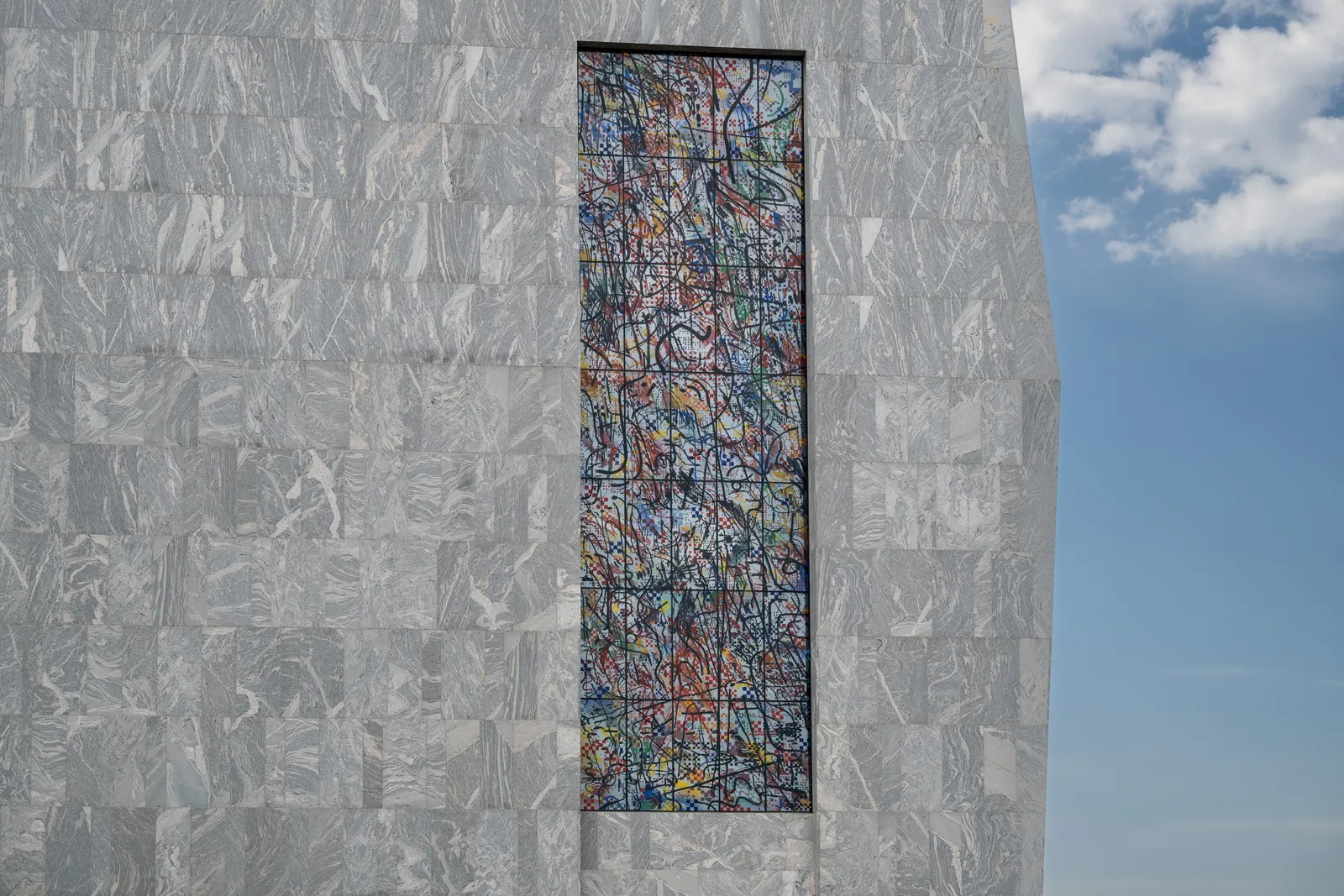
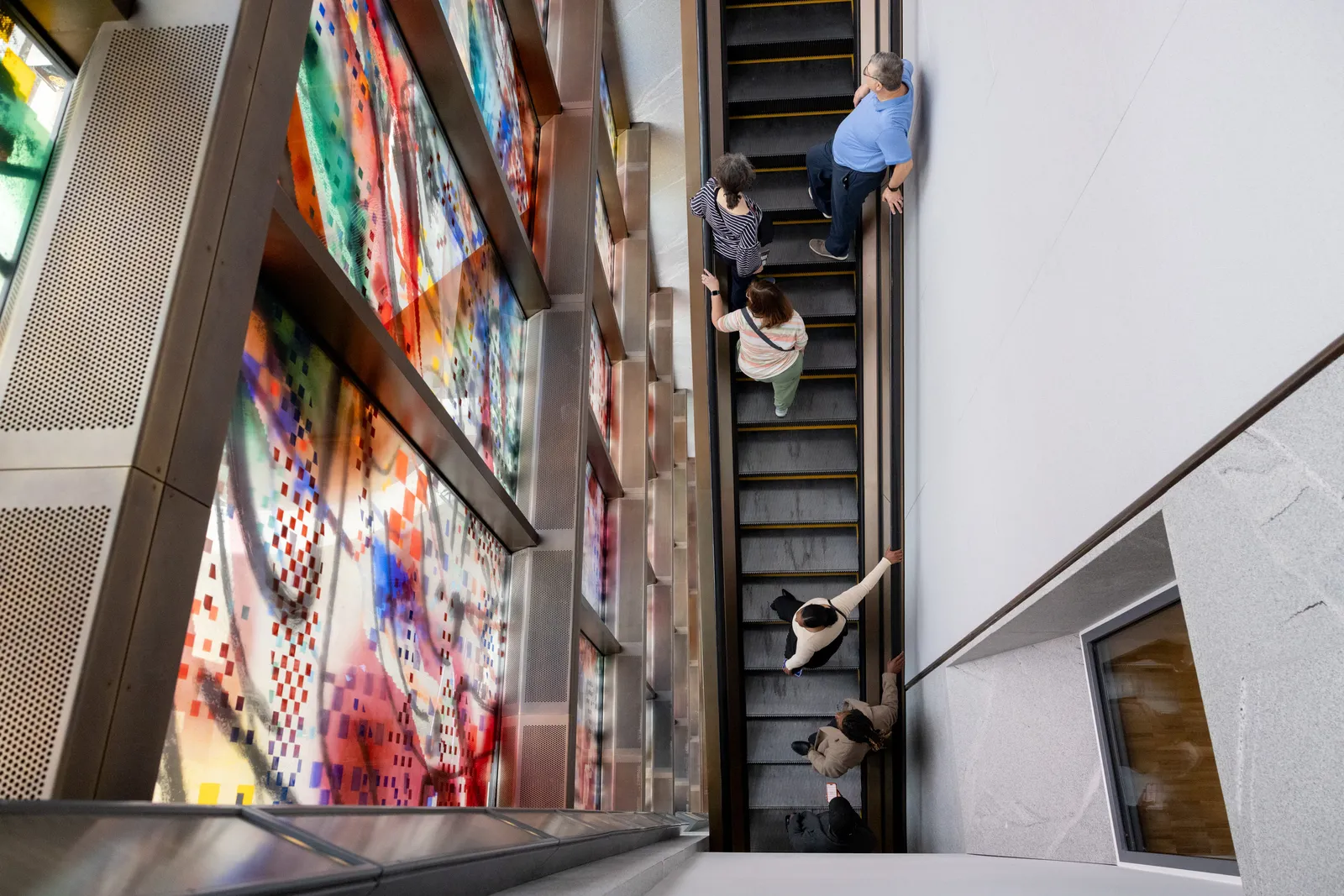
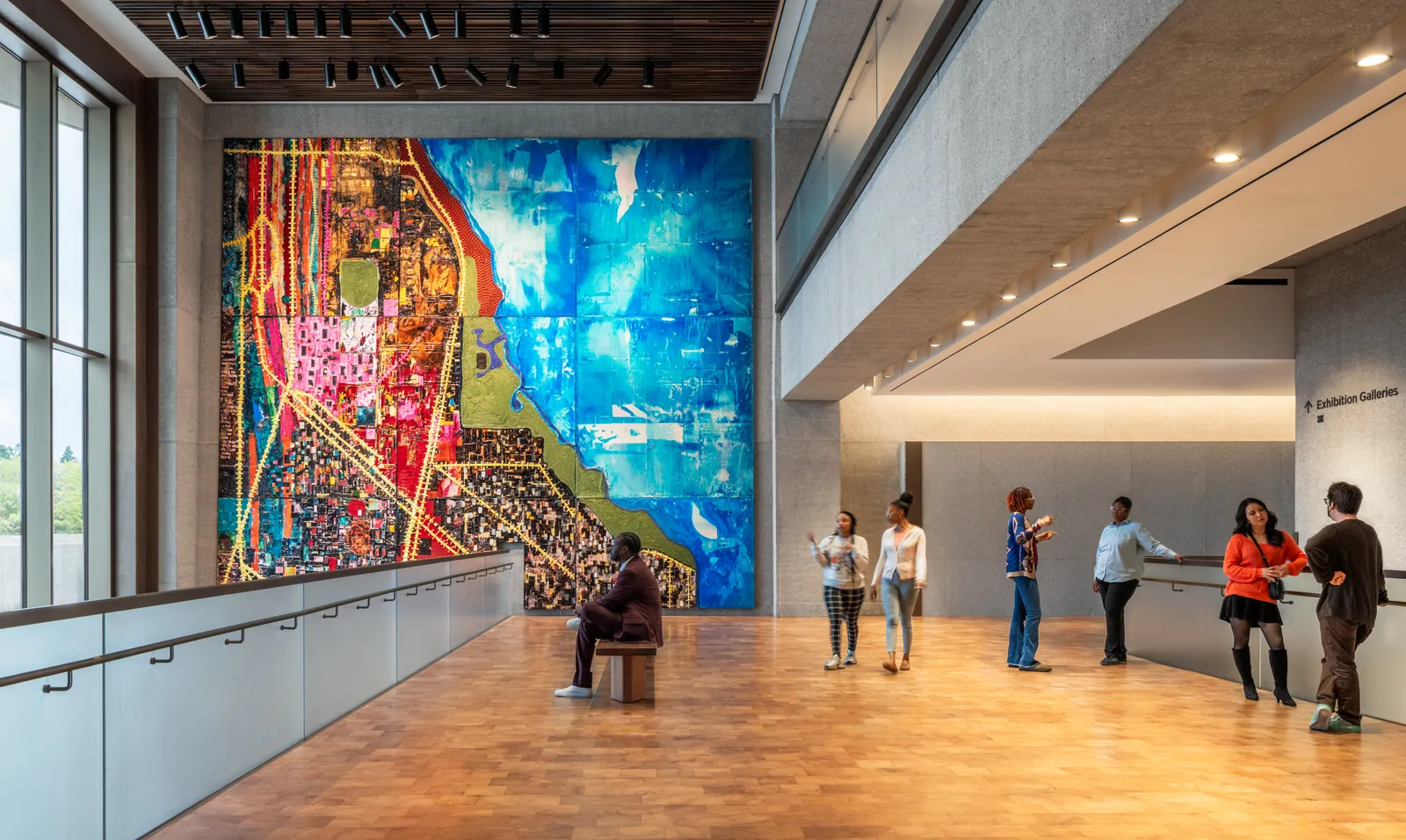
The campus is a curated showcase of significant artistic commissions, including Julie Mehretu’s striking window installation, Mark Bradford’s monumental lobby artwork, and Martin Puryear’s plaza sculpture. These pieces, alongside others, are integral to the visitor’s experience, enriching the dialogue between architecture, history, and contemporary art.
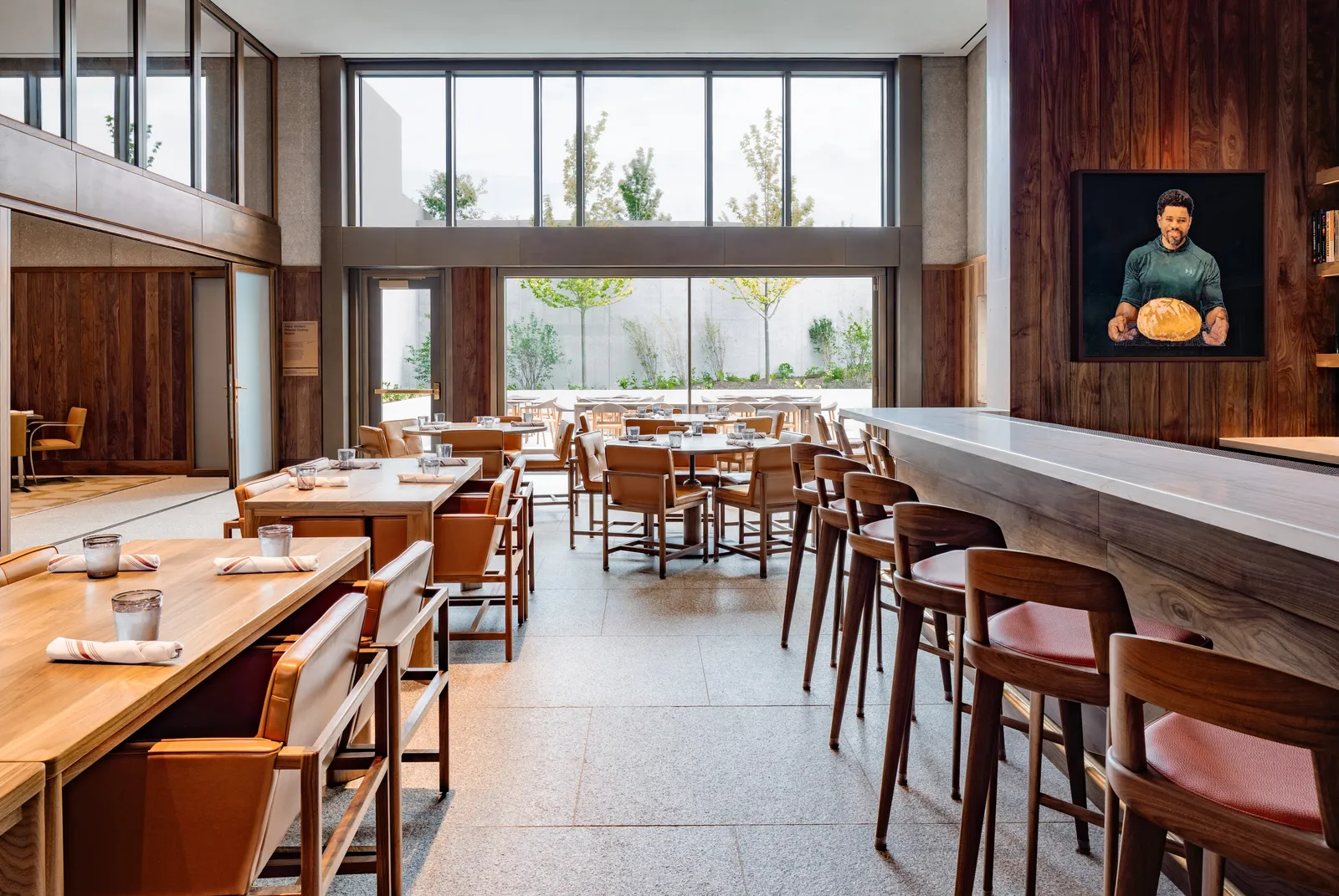
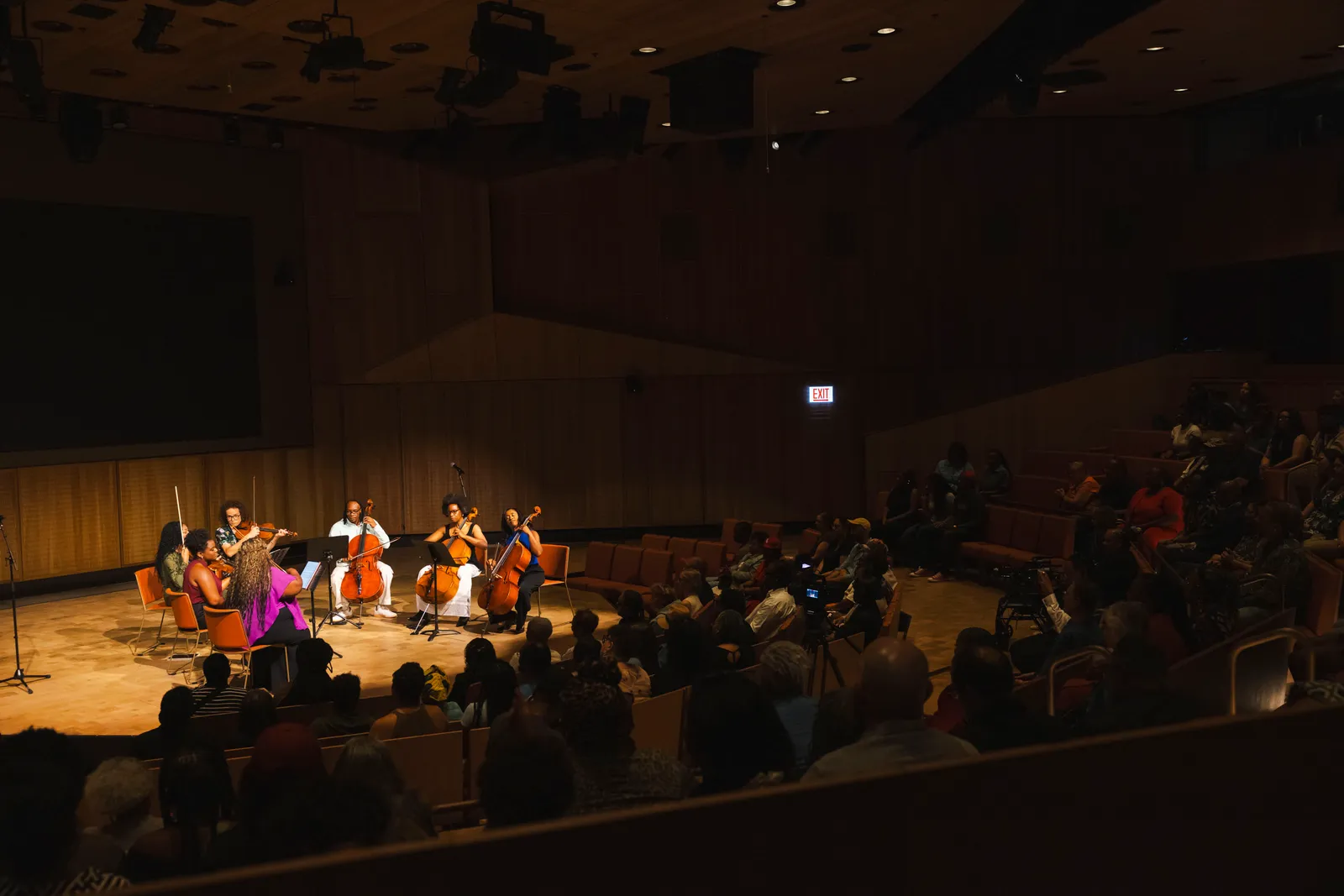
A Vibrant Community Hub
The Obama Presidential Center embodies a vision of a thriving public space, alive with activity. The presence of interior designers like Michael S. Smith and exhibition designers like Ralph Applebaum further attests to the meticulous attention paid to creating an inspiring and functional environment. Witnessing the campus filled with visitors—students rehearsing, patrons dining, families reflecting—evokes a palpable sense of its intended purpose: a dynamic destination that fosters connection, learning, and inspiration for generations to come.
Business Style Takeaway: The Obama Presidential Center masterfully blends monumental architecture with community-focused programming, demonstrating how thoughtful design can serve as a powerful platform for civic engagement and cultural legacy. This approach elevates a public institution into an aspirational destination, reinforcing personal and collective values through an immersive, art-infused environment.
Original article : www.architecturaldigest.com