

A new dining establishment that artfully merges two distinct culinary traditions has opened its doors for evening service in the East Village.
Sono, situated at 176 First Avenue, presents a unique Korean-Italian gastronomic experience, featuring handcrafted pasta infused with authentic Korean flavors, utilizing fermented sauces, house-made pickles, and essential Korean pantry ingredients.
“Sono is a genuine reflection of my personal journey. It’s comprised of 30 percent Korean influence and 70 percent Italian, which accurately represents who I am,” explains Chef Sechul Yang, a distinguished alumnus of Gramercy Tavern and Oiji Mi. Having grown up in Korea and spent a significant portion of his professional career honing his skills in Italian kitchens, Yang states, “At a certain point, I ceased to view these two facets of my identity as separate. This concept isn’t about fusion for the sake of novelty; I am not attempting to imitate Italian culture, nor am I strictly adhering to Korean traditions. Instead, it’s about presenting a culinary concept that embodies my personal identity and the knowledge I’ve acquired over the years.”
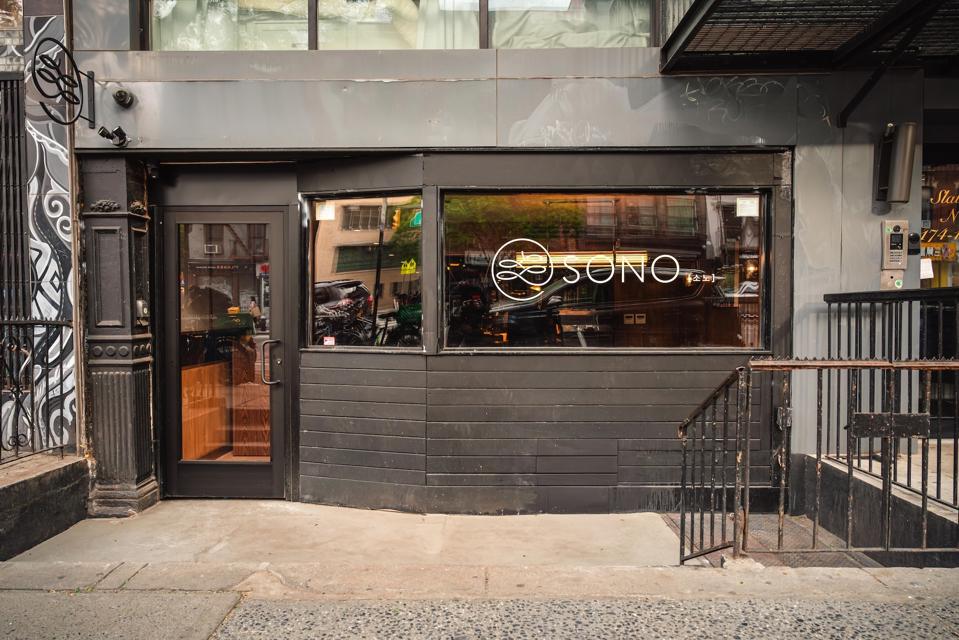
A Culinary Exploration at Sono
Sono is intentionally designed as a trattoria, fostering an informal and inviting atmosphere conducive to leisurely dining. The menu adheres to a classic Italian structure, encompassing antipasti, primi, secondi, and contorni, culminating in dessert.
“The culinary connections between these two cuisines are more profound than commonly perceived. Both originate from peninsula cultures with extensive coastlines that have deeply influenced their cooking methods, making seafood a cornerstone of both traditions,” Yang observes. “Furthermore, both traditions place a strong emphasis on handmade noodles, fermented flavors, the use of alliums, and the communal ritual of sharing multiple dishes simultaneously. The principles behind banchan and antipasti are remarkably similar. Kimchi and Italian pickled vegetables can be seen as related. The pursuit of umami in doenjang and aged Parmigiano stems from the same inherent drive towards patience, fermentation, and depth of flavor.”
Highlighting a signature dish, Yang draws a parallel between the Italian spaghetti alla chitarra and the Korean dish al-bap (rice with nori and various fish roes), along with a sautéed zucchini side featuring cured shrimp. Yang’s rendition of this pasta incorporates saffron and a yellow zucchini purée, elevated by Korean zucchini, myeongran (pollock roe), nori, and bottarga. “The result is a cured, umami-rich flavor profile that avoids being overly fishy, with the roe providing a delightful textural pop and subtle sweetness. It’s a harmonious combination,” he explains.
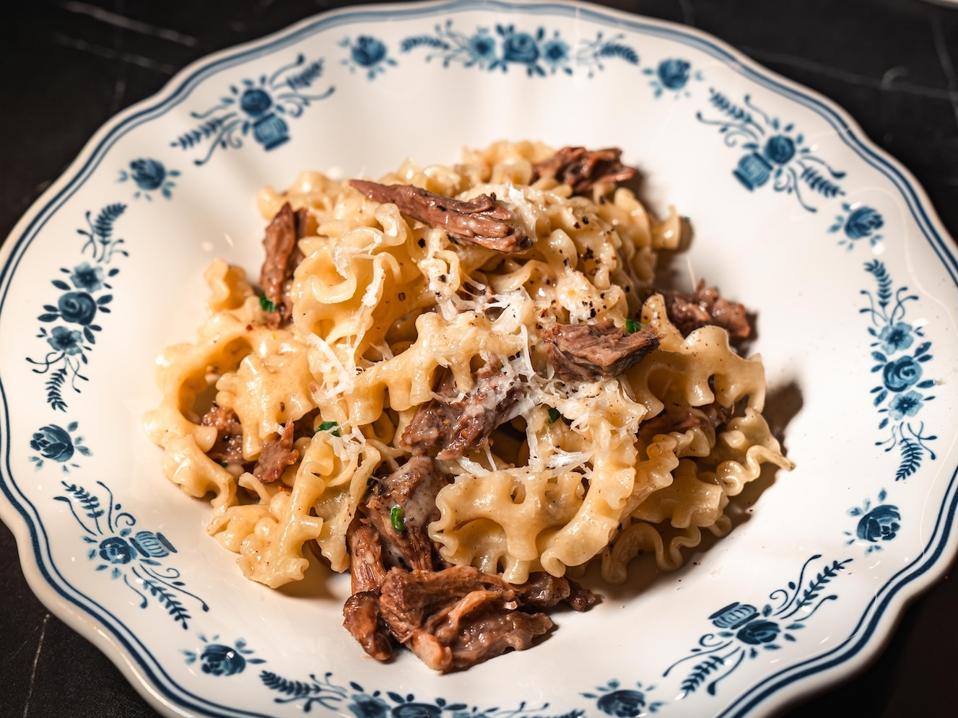
For patrons seeking meat-based options, the oxtail fettuccine offers a novel fusion of cacio e pepe with the rich flavors of Korean oxbone soup. The vongole presents a unique interpretation of the traditional Italian clam linguine, reimagined through the lens of Korean kal guksu, characterized by an anchovy-potato-onion broth.
The dessert menu features a black sesame tiramisu, introducing an unexpected yet delightful twist to a familiar classic. “It’s an unusual combination that proves surprisingly satisfying, which aligns perfectly with the restaurant’s overall philosophy,” Yang notes. A chef’s tasting menu, priced at $150 for two, allows guests to entrust their culinary journey to Yang’s expertise, with à la carte ordering also available.
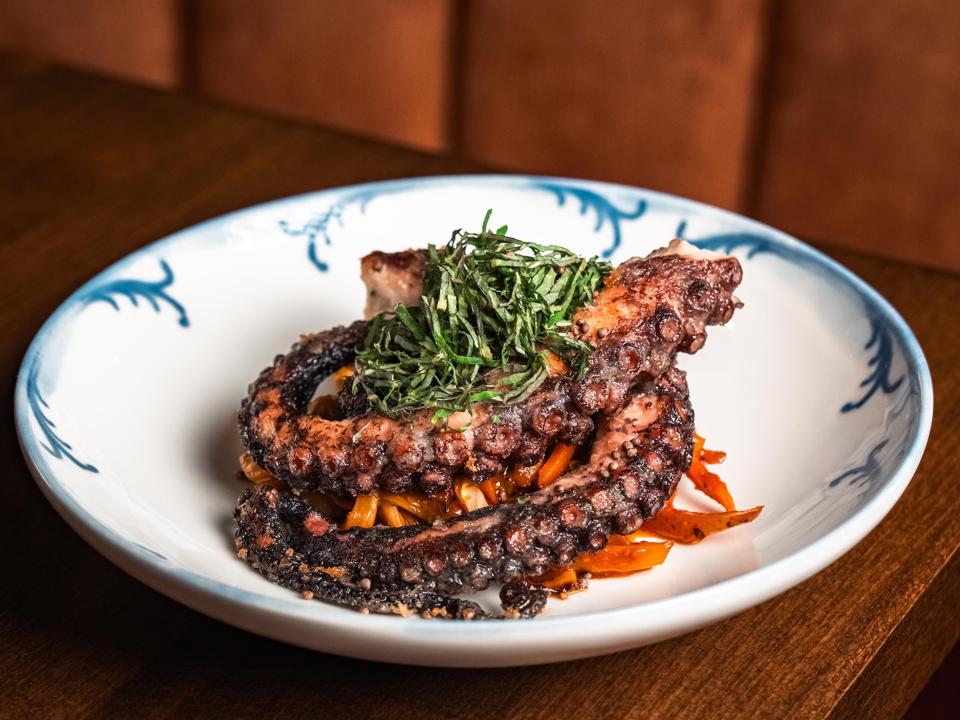
“My aspiration is for guests to approach the dining experience with curiosity, perhaps wondering about the nature of Korean-Italian cuisine. I aim for the food itself to provide the answer, delivering a sensation that is both familiar and intriguingly novel,” Yang articulates.
Yang emphasizes the importance of accessible pricing: “The escalating cost of dining out is detrimental to both consumers and the restaurant industry. I have deliberately kept main courses priced under $50, as my genuine intention is for Sono to be a place that patrons can frequent regularly, not solely for special occasions. True hospitality necessitates a commitment to guest well-being, a principle I internalized during my tenure at Gramercy Tavern under Danny Meyer’s guidance—it’s fundamentally about caring for people.”
Business Style Takeaway: Chef Sechul Yang’s Sono exemplifies a strategic approach to culinary innovation by blending Korean and Italian influences, creating a unique value proposition. The restaurant’s commitment to accessible pricing and genuine hospitality, inspired by industry leaders, aims to foster customer loyalty and differentiate it in a competitive market.
Original article : www.forbes.com