

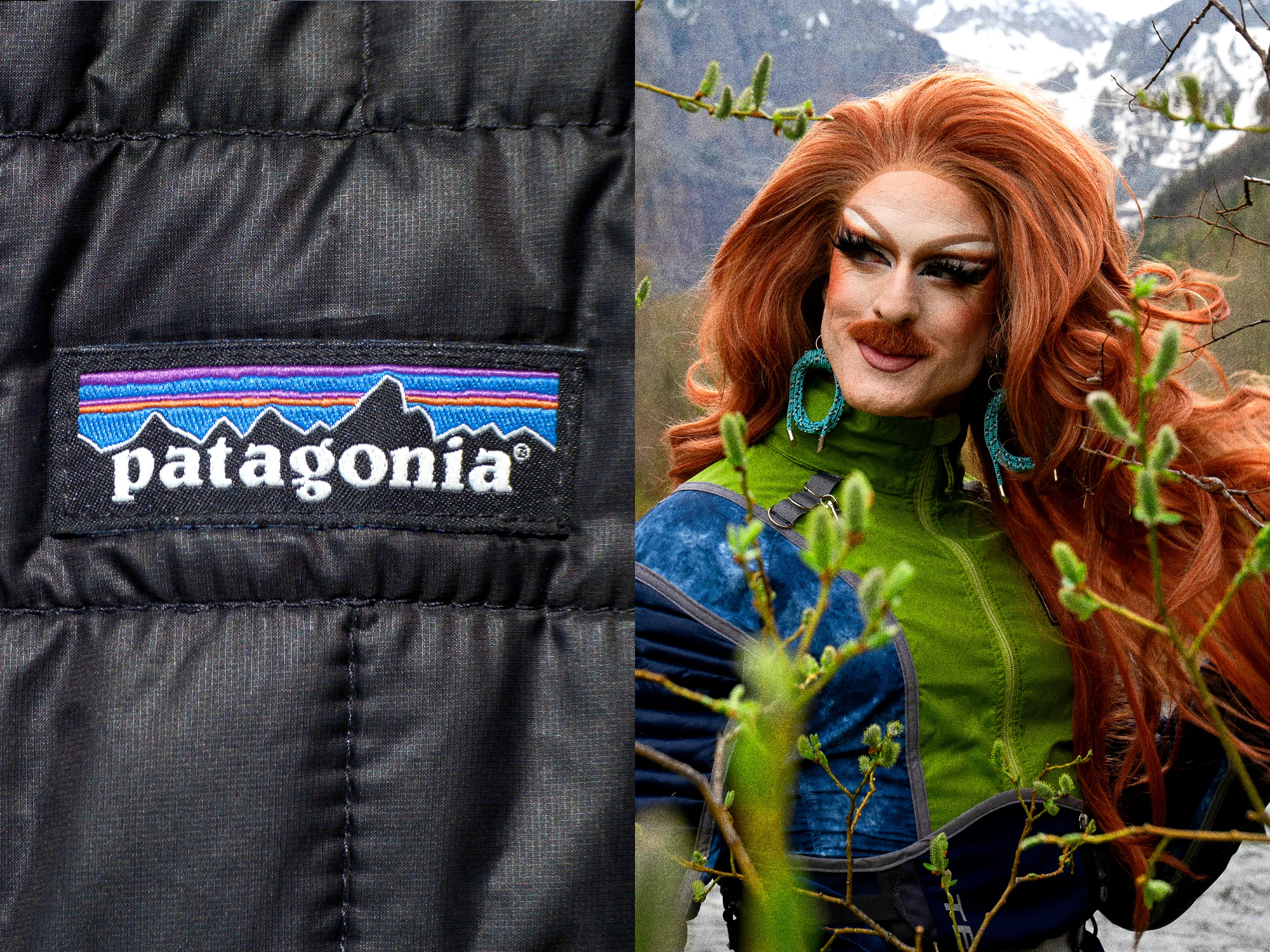
The intersection of activism and commerce has become a flashpoint, with the outdoor apparel giant Patagonia finding itself in an unexpected legal entanglement with drag artist and environmental activist Pattie Gonia.
 GQ; Getty Images
The Genesis of the Dispute
This unusual clash began when Patagonia initiated a lawsuit against Pattie Gonia, the drag persona of Wyn Wiley, citing trademark infringement. Wiley, an environmental activist and performer known for his climate-themed drag shows, has garnered a significant following. The lawsuit alleges that Pattie Gonia’s use of her name and associated merchandise might cause consumer confusion with the well-established Patagonia brand.
Legal Ramifications and Public Reaction
The core of Patagonia’s legal argument centers on the potential for consumers to mistakenly associate Pattie Gonia’s merchandise or events with official Patagonia endorsements. Trademark law, as explained by intellectual property experts, fundamentally aims to prevent such consumer confusion. Patagonia is seeking nominal damages of $1, but also requests that Pattie Gonia cover their legal fees, a sum the artist claims could be substantial. This legal action has sparked considerable public backlash, with many viewing it as an unnecessary conflict between a major corporation and an individual dedicated to environmental advocacy, a cause Patagonia itself champions.
Precedents in Brand Protection
Legal analysts note that while the optics are challenging for Patagonia, the underlying legal mechanics are not uncommon. Brands often rigorously defend their trademarks to prevent dilution or unauthorized use. Historically, major companies have pursued legal action against perceived infringements, even in cases involving parody or artistic expression. For instance, precedents include disputes involving Coca-Cola, Mattel, and Jack Daniel’s, underscoring the strict approach companies take towards protecting their brand identity.
The Importance of Trademark Enforcement
Beyond the immediate case, failing to enforce a trademark can lead to its weakening over time, potentially allowing generic terms to become part of common language, as seen with words like “Band-Aid” or “Escalator.” Patagonia’s legal team likely views this action as a necessary step to maintain the integrity and distinctiveness of their brand, preventing future, potentially less aligned, entities from leveraging their name or logo.
Navigating the PR Landscape and Potential Resolution
Pattie Gonia has effectively leveraged social media, timing her response to coincide with Pride Month, to garner significant public support. This has resulted in a public relations challenge for Patagonia. Experts suggest that a resolution is most likely to be found through negotiation and mediation rather than a protracted legal battle. The “Streisand effect,” where an attempt to suppress information inadvertently brings it more attention, may be at play, making a mutually agreeable settlement the most prudent path forward for both parties.
Business Style Takeaway: Maintaining a strong brand identity is crucial for corporate success, but the manner of its protection can significantly impact public perception. Executives must balance rigorous legal defense of their brand with the nuanced realities of public relations and corporate social responsibility, especially when engaging with individual activists.
Інформація підготовлена на основі матеріалів: www.gq.com