

Strategic Positioning in the AI Era
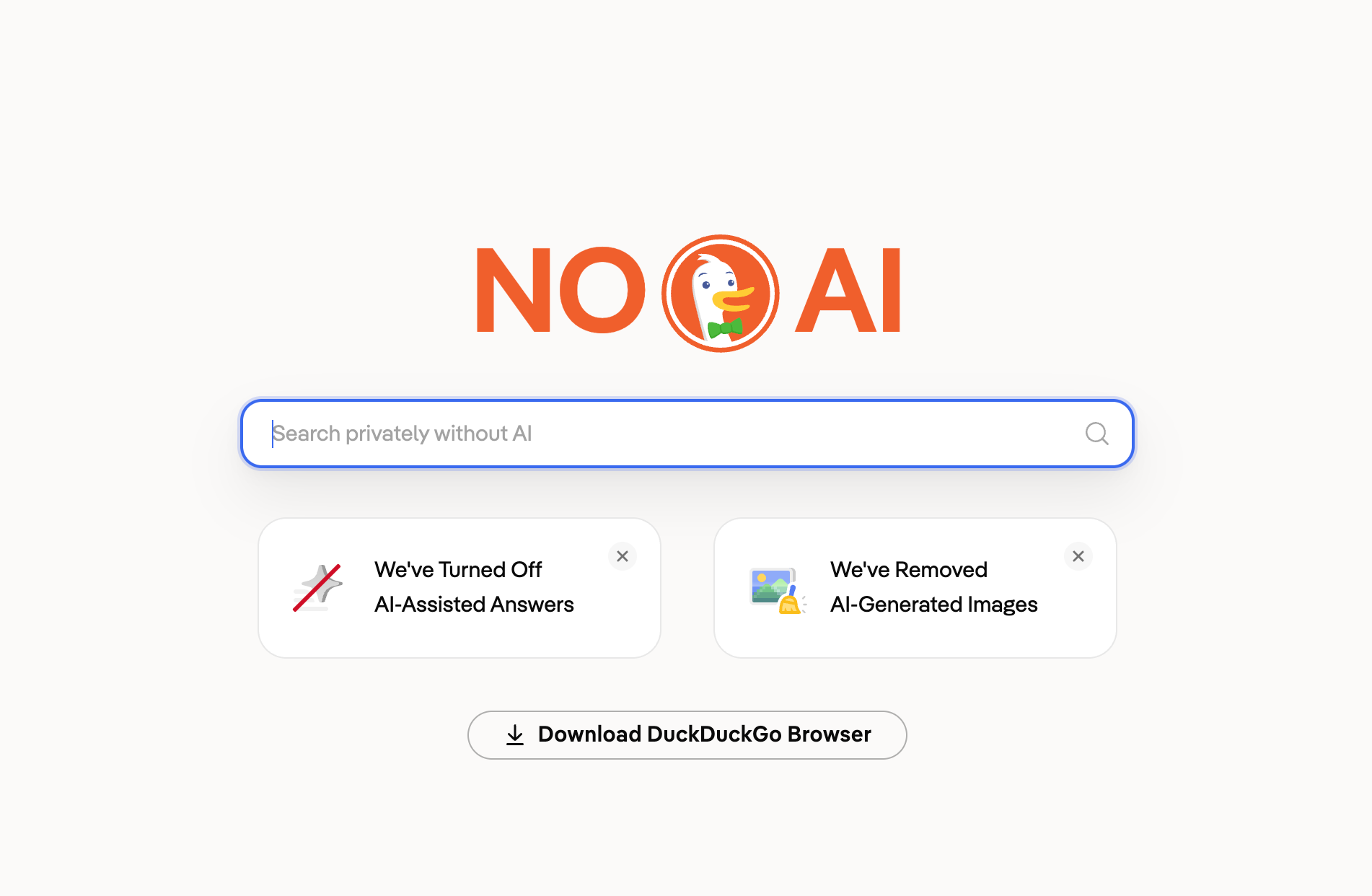
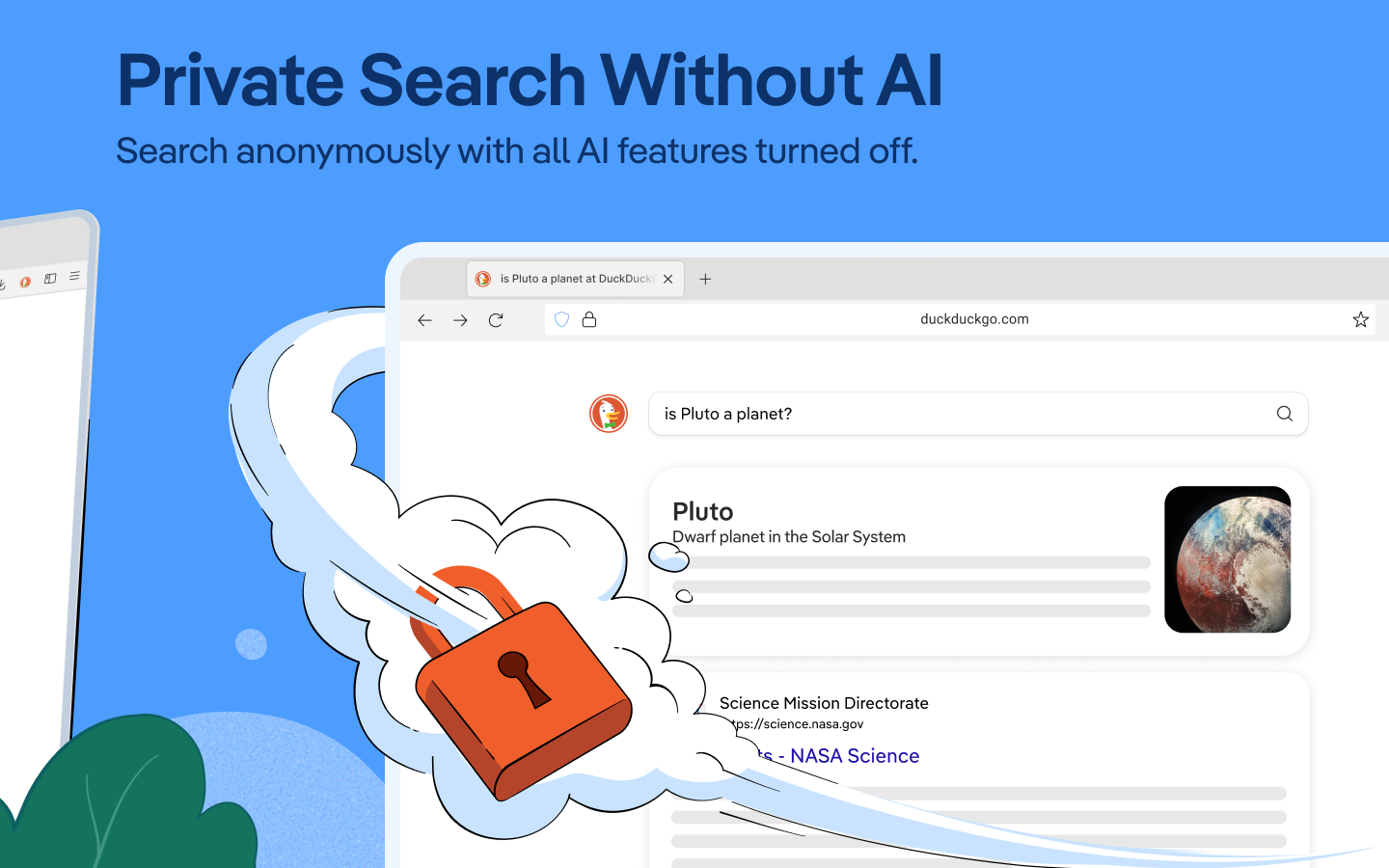
DuckDuckGo, an alternative search engine experiencing a notable uptick in user engagement, is strategically capitalizing on the growing user apprehension towards artificial intelligence integration in search. The company has launched new browser extensions designed to allow users to designate its AI-free search experience, accessible via noai.duckduckgo.com, as their default. This feature aims to provide a consistent environment devoid of AI-generated answers, chat prompts, and the proliferation of AI-produced imagery in search results. These extensions are currently available for Chrome and Firefox, while users of the DuckDuckGo web browser already benefit from preserved AI settings, irrespective of browser history clearing.
Market Response to AI-First Search
The impetus for these extensions appears to be a direct response to the broader market trend, particularly Google’s recent AI-first overhaul of its search engine, announced at its developer conference. This shift by a dominant player has amplified the challenge for users seeking an unadulterated search experience. Following Google’s announcement, traffic to DuckDuckGo’s AI-free search page has surged, with reports of a nearly 30% week-over-week increase in web visits and an 18.1% rise in U.S. app installs, including a substantial 69.9% peak in U.S. iOS app installs.
Evolving Search Paradigm
Google’s significant search engine transformation, the most substantial in over a quarter-century, prioritizes AI-generated overviews. These overviews are increasingly interactive, capable of producing visualizations, charts, graphs, and even dynamic mini-applications. Follow-up queries are seamlessly routed into an AI chat experience, relegating the traditional “10 blue links” format to a secondary position. This paradigm shift has not garnered universal approval, prompting a migration towards search alternatives like DuckDuckGo and Kagi among users seeking an AI-averse search environment.
Sustained User Growth
The surge in DuckDuckGo’s traffic, particularly to its AI-free search page, has been remarkable, with visits reportedly tripling on May 28, 2026, setting a new record since Google’s announcement. This growth is characterized by sustained increases, averaging approximately 84% above baseline levels, indicating a potential long-term shift in user preference rather than a fleeting trend. Complementing the new Chrome and Firefox extensions, DuckDuckGo plans to update its existing Privacy Essentials extensions for Chrome, Firefox, Edge, and Opera to incorporate AI search setting controls.
Nuance in AI Stance
It is important to note that DuckDuckGo’s strategy is not outright anti-AI. The company continues to offer its own AI chatbot, providing access to various popular models, and a premium subscription tier that unlocks advanced models, a VPN service, identity theft restoration, and personal information removal services. This indicates a nuanced approach, offering users choice rather than a complete rejection of AI technology.
Business Style Takeaway: DuckDuckGo’s strategic maneuver to offer explicit AI-free search functionality taps into a significant user segment alienated by the AI-centric transformation of major search engines. This positions the company as a key beneficiary of the ongoing debate around AI’s role in information access, potentially capturing market share from incumbents prioritizing AI integration.
Details can be found on the website : techcrunch.com