

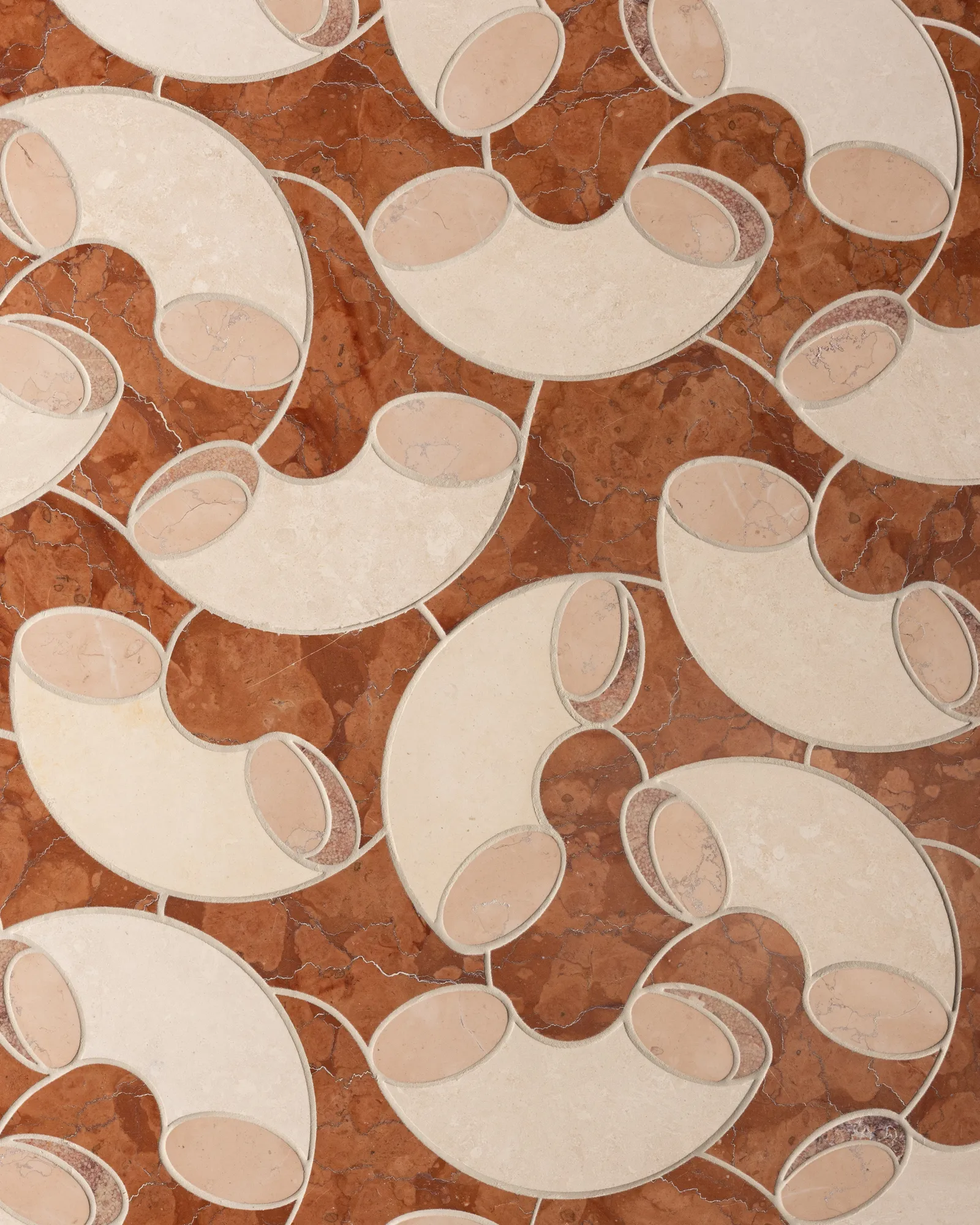
Artistic Tile’s playful April Fools’ jest, a collection of mosaics inspired by pasta shapes like macaroni and farfalle, unexpectedly ignited a genuine market interest. Initially conceived as a humorous concept named ‘Al Dente,’ the brand’s president, Zach Epstein, recognized the potential in the enthusiastic response. This led to the actual production of these unique tiles through their ‘Tailored To’ program, which accommodates bespoke designs. Complementing the macaroni, they introduced ‘vodka rigatoni’ crafted from limestone and blush Rosa Perlino, alongside ‘butter noodles’ fashioned from multifaceted Limone Marmi marble, proving that even abstract patterns can possess a sophisticated utility.
The Architectural Muse: Pasta Reimagined
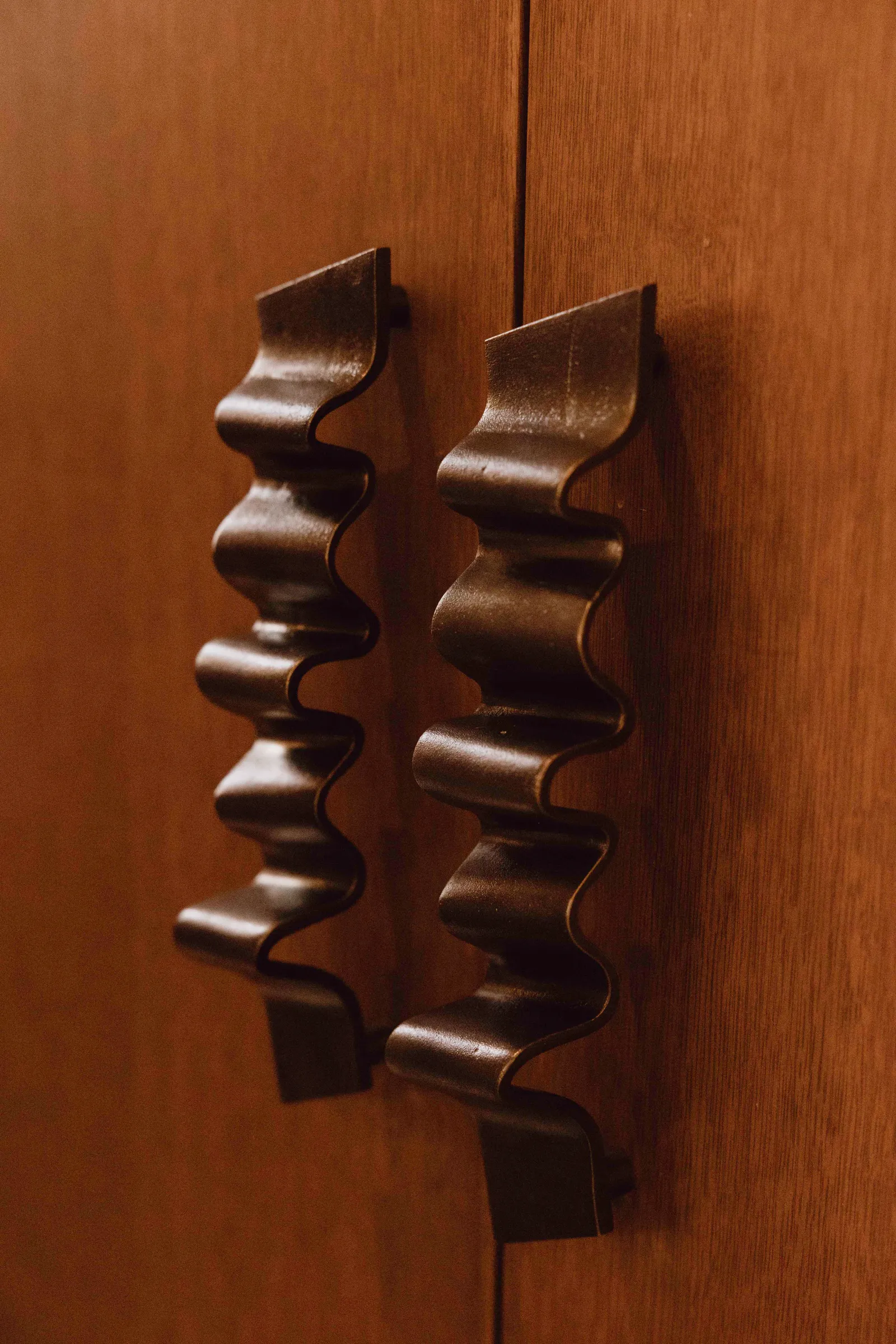
This whimsical fusion of culinary and decorative arts signals a burgeoning trend where the humble pasta shape transcends its utilitarian origins to become an architectural muse. Designers are celebrating pasta’s inherent geometric purity, as noted by artist and industrial designer Chris Fusaro, who explored the cylindrical form of mezzi paccheri. Others are captivated by the intricate textures and silhouettes of various pasta forms, drawing inspiration for furniture and accessories. Teegan Cocchiaro, co-director of the Australian hardware brand Lo & Co Interiors, highlights pasta’s universal appeal, stating, “Pasta is the most democratic form of artistry. Everyone has a memory of it, everyone has an opinion on it.” Their own ‘Al Dente’ collection exemplifies this, featuring orecchiette knobs and lasagne-inspired pulls.
Edible Reveries: Furniture Inspired by Italian Staples
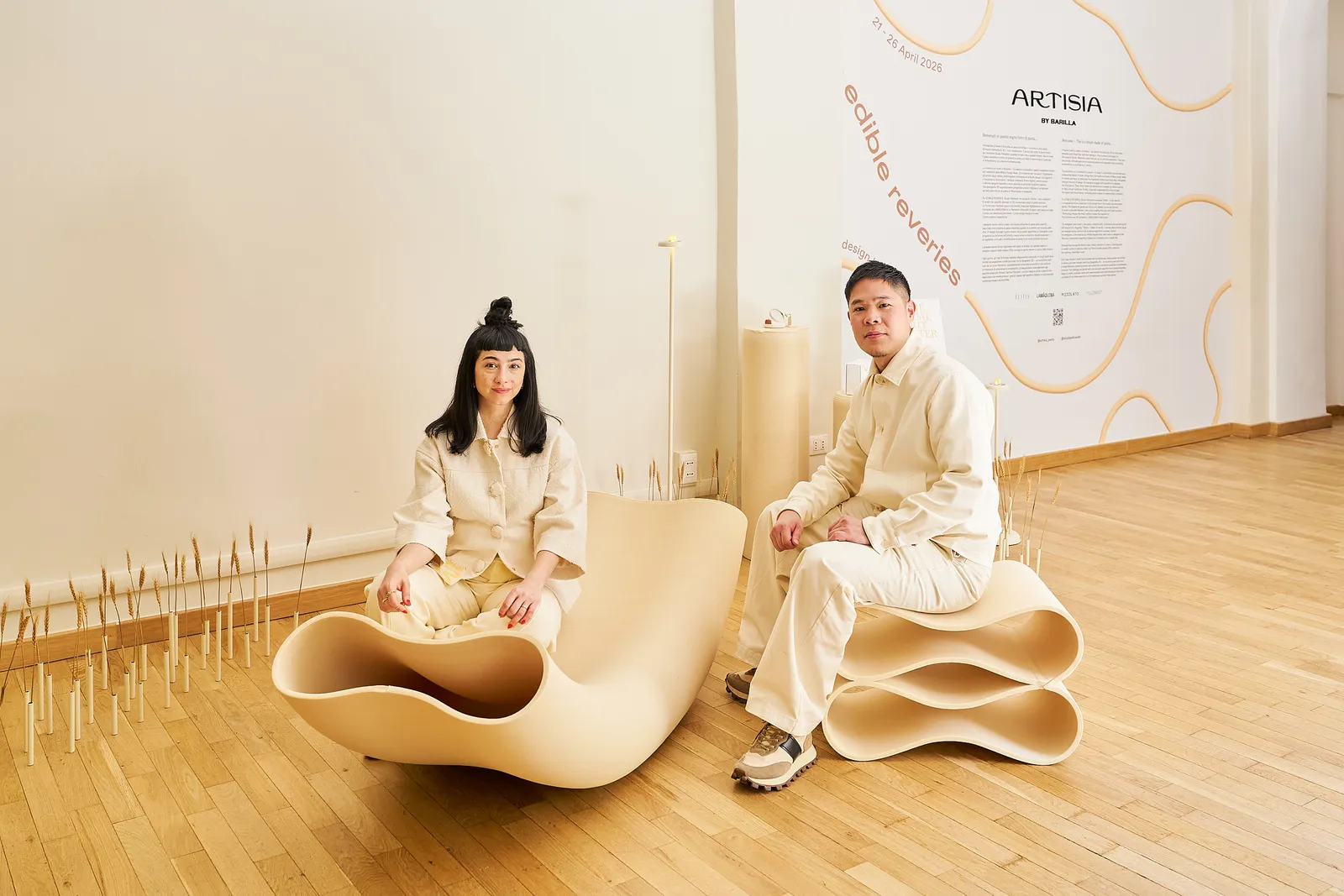
At Milan Design Week, Artisia, a company specializing in 3D-printed dry pasta, collaborated with Studio Yellowdot to present ‘Edible Reveries,’ an exhibition celebrating the iconic Italian food. Studio Yellowdot showcased furniture pieces meticulously designed to emulate the forms of dry pasta noodles, including a lounge seat, rocking chair, and ottoman. London designer Richard Price remarked on the surprisingly natural feel of the furniture, noting that the wood-composite material provided a firm, stable presence despite its pasta-like aesthetic. Dilara Kan Hon, co-founder of Studio Yellowdot, explained the 3D printing process, comparing the manipulation of the wood composite material to a chef working with pasta dough, even noting a similar aroma during production.
Sculptural Forms and Granular Details
Expanding on the sculptural potential of pasta, Chris Fusaro has created a collection of bronze objects, including bowls, strainers, and trivets, meticulously assembled from hyperrealistic pasta elements. His exploration extends to furniture, featuring a delicate ‘Coquillettes Lamp,’ a verdigris-patinated ‘Farfalle Pendant,’ and the striking ‘Mezze Maniche Chair.’ Fusaro emphasizes the boundless possibilities, stating, “There are infinite pasta shapes, and there are infinite kinds of objects. I can make different things out of pasta without ever exhausting the idea.”
A Taste for the Unexpected
The appeal of pasta-inspired design lies in its ability to inject a sense of warmth and personality into interiors. Designer Tali Roth notes a consumer preference for pieces that feel “shaped by hand rather than purely engineered.” This sentiment is echoed by Martha Mulholland, who incorporated the ‘Lucia’ pulls and knobs into a vintage credenza for a client drawn to irregular forms and subtle humor. Arielle Lopresti of Lo & Co Interiors adds that these designs offer “familiarity, but also a quiet elegance in the way it holds shape and movement.”
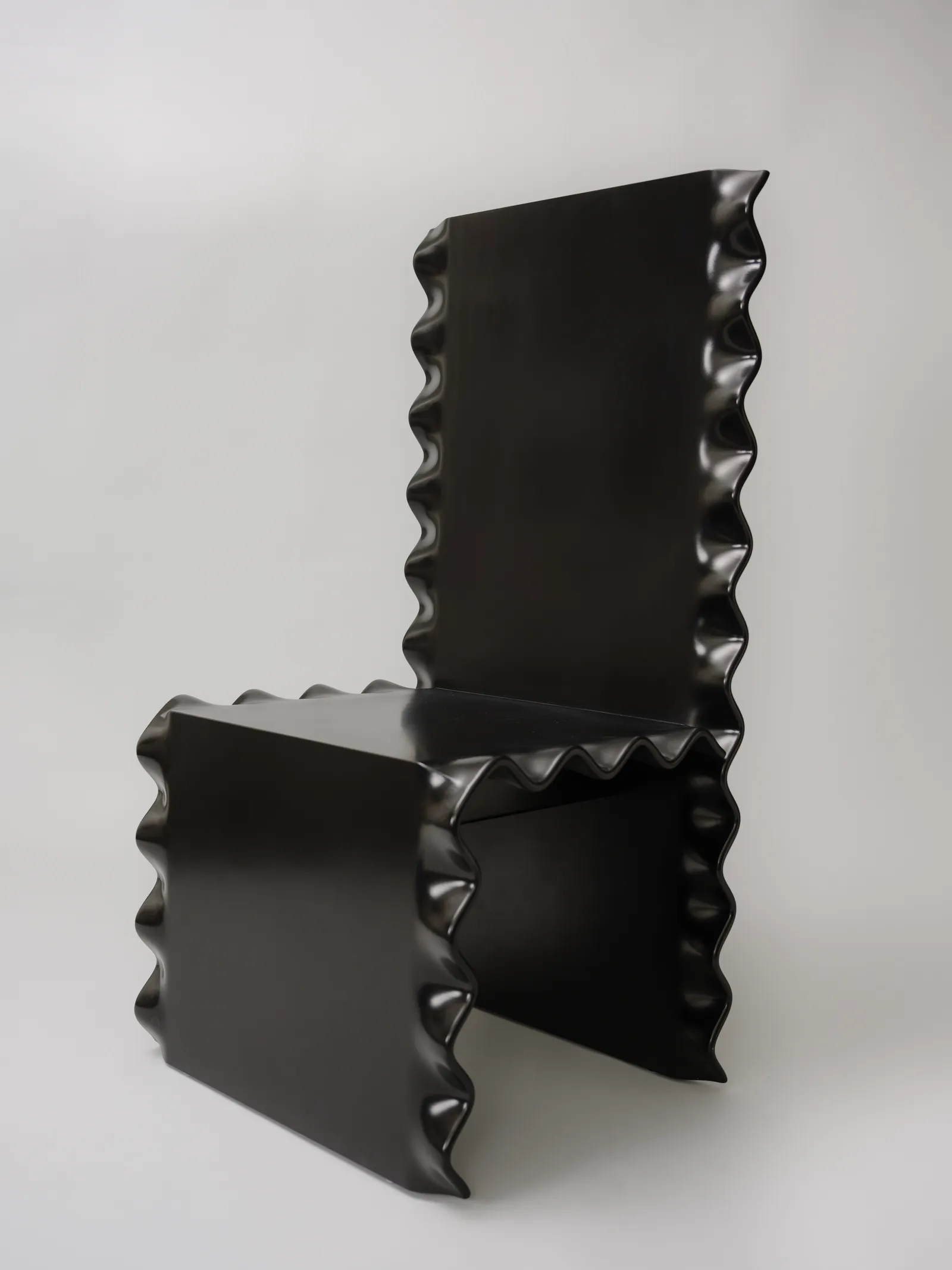
Caleb Ferris found his inspiration in the grocery store aisles during the pandemic, recognizing the inherent design brilliance in mass-produced pasta shapes. He believes that “especially in that moment, and even now, some lightheartedness…a little bit of tongue-in-cheek humor in furniture” is essential. His ‘lasagna chair,’ a ruffled silhouette in black satin, earned him the 2023 ICFF Editors Award for Seating.
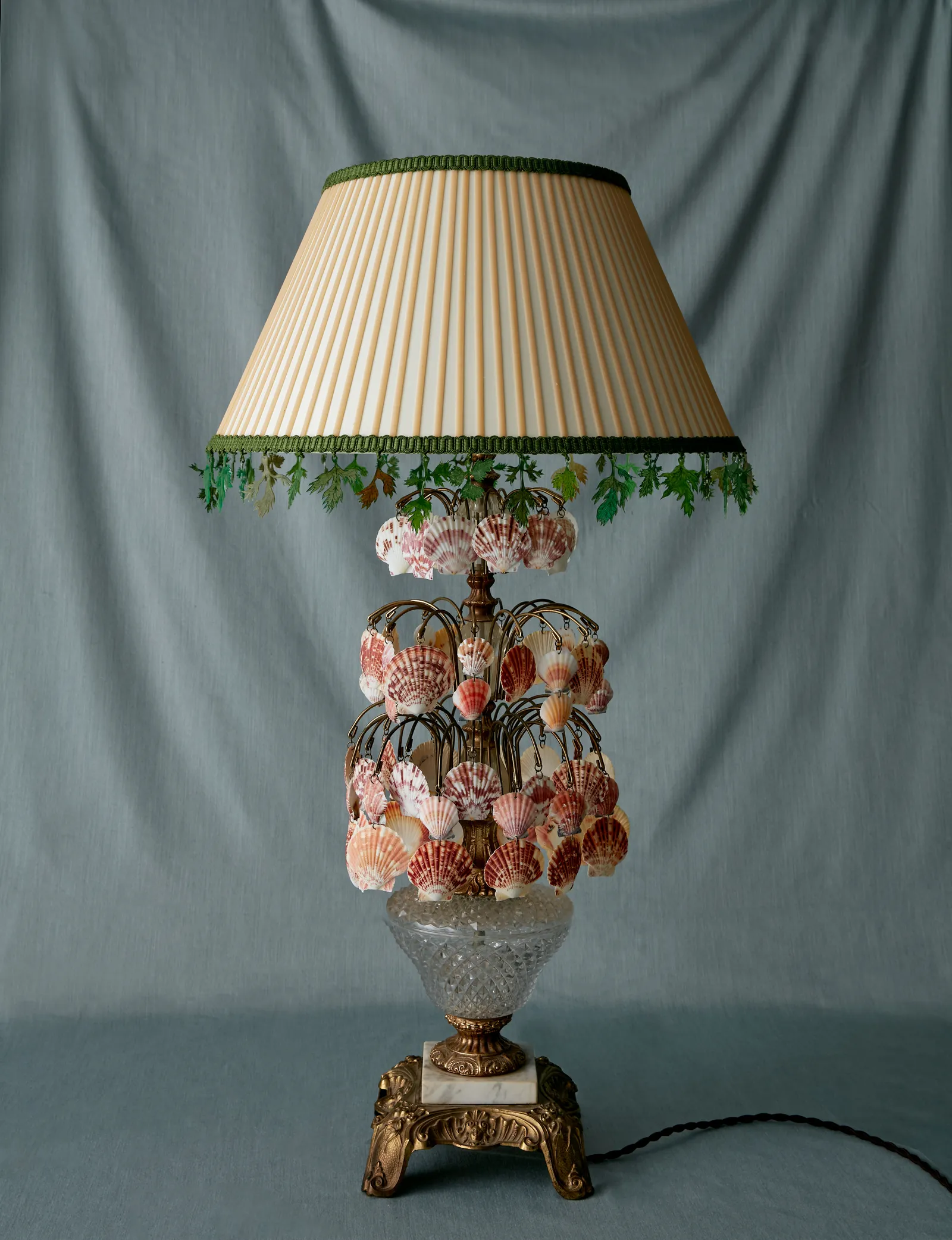
New York interior designer Tara McCauley’s linguine lamp, presented at the Collectible Design Fair, features a stick lampshade adorned with real linguine and faux parsley, resting on a clam shell base. The initial confusion of guests upon realizing the pasta was real quickly turned to amusement, a reaction McCauley describes as a moment of “surprise and delight.” She notes that this trend offers a form of “theater” in design, providing decor that is both appealing and intriguingly unconventional, proving that “Pasta-inspired design works because it can be funny without feeling throwaway.”
Business Style Takeaway: The integration of playful, yet sophisticated, motifs like pasta into luxury interiors demonstrates a forward-thinking approach to design that resonates with modern sensibilities. This trend injects personality and conversational elements into spaces, subtly enhancing a personal brand’s image by showcasing an appreciation for wit and elevated craftsmanship.
According to the portal: www.architecturaldigest.com