

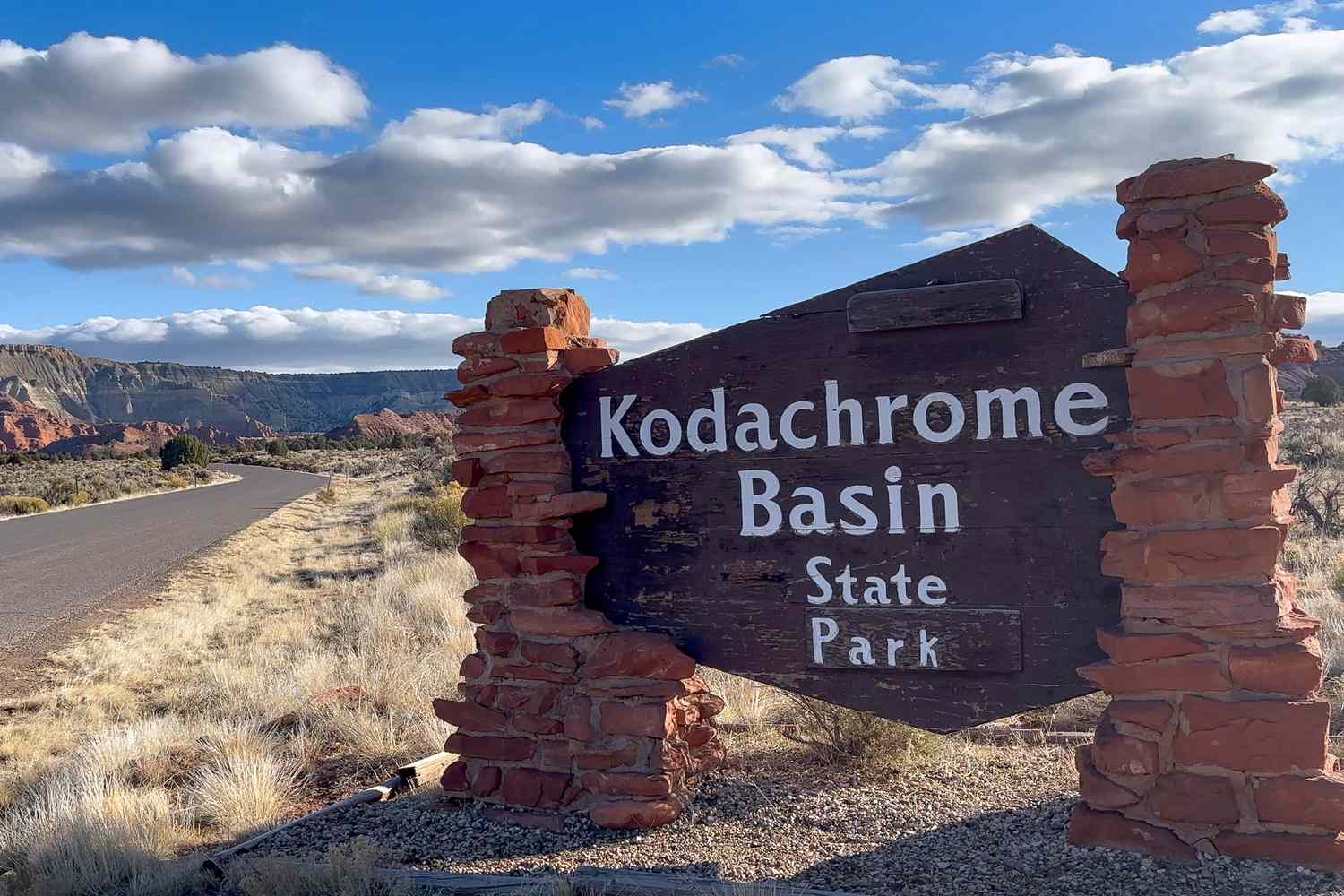
Nestled near the famed Bryce Canyon National Park in Utah, Kodachrome Basin State Park offers a similarly spectacular, yet distinctly more serene, natural spectacle. With only a fraction of the annual visitors compared to its national park neighbor, this 2,240-acre sanctuary provides an exclusive encounter with Utah’s dramatic geological artistry.
Local Insights
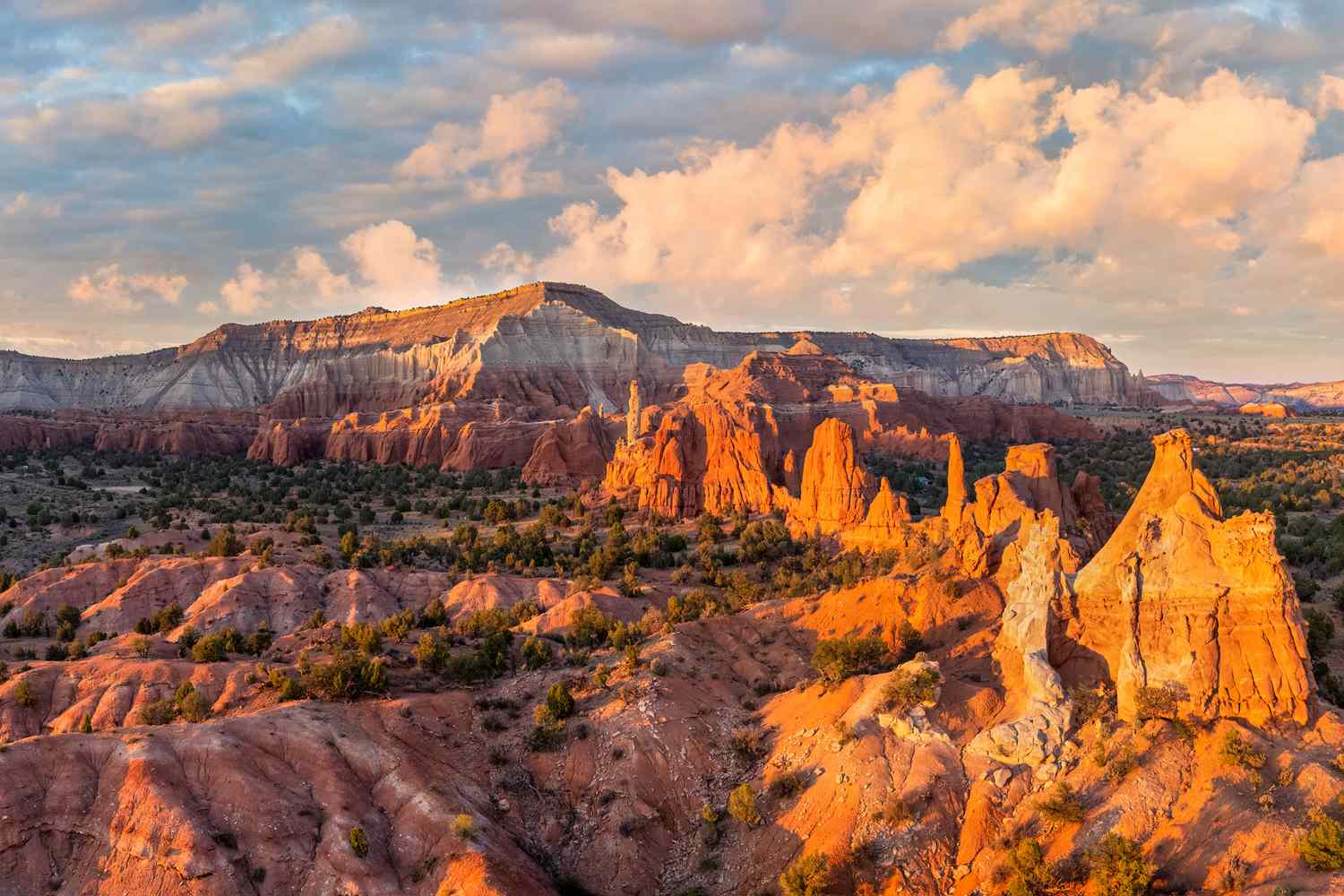
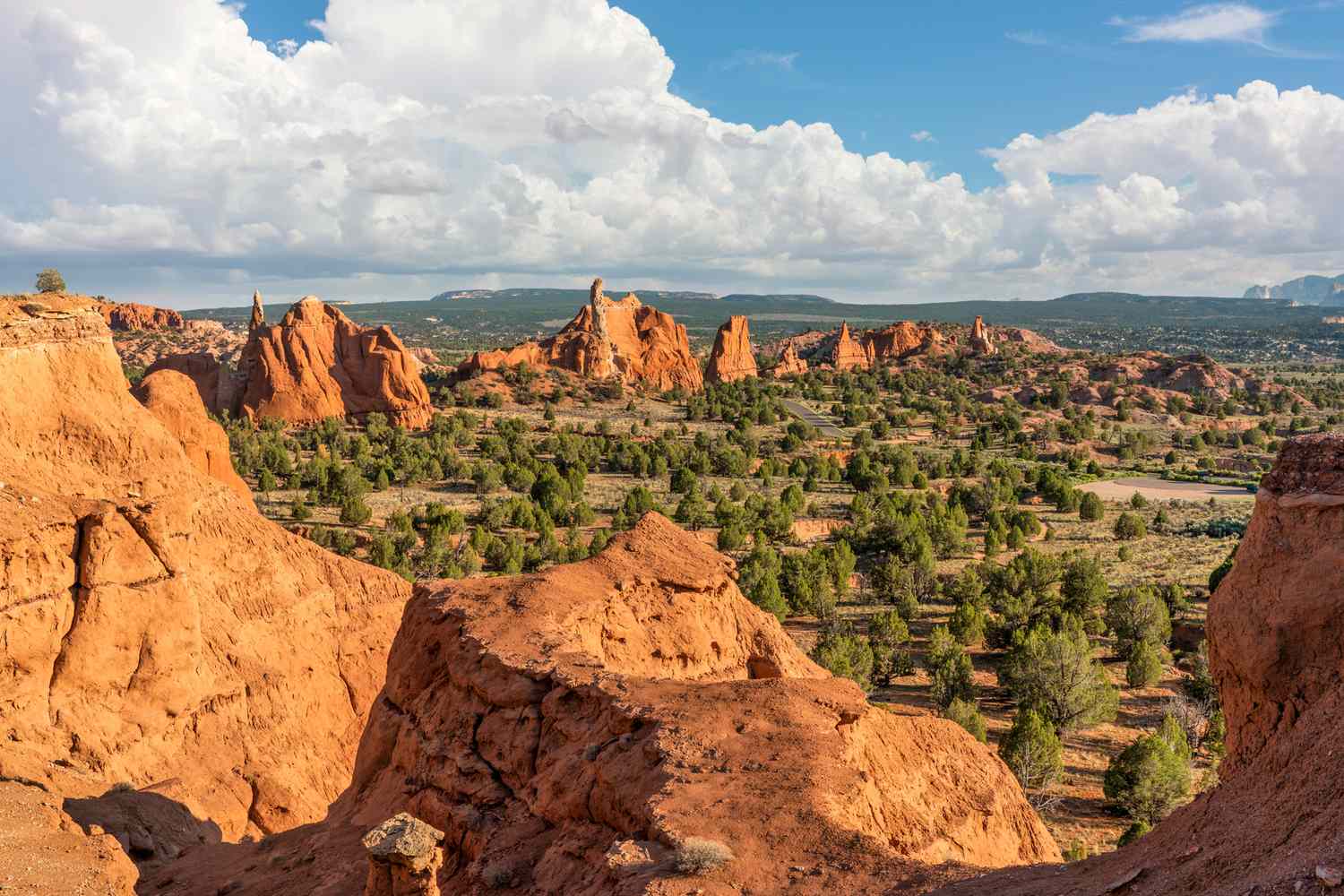
Kodachrome Basin is celebrated for its 67 monolithic sandstone spires, ancient sedimentary pipes ranging from six to 170 feet in height. These formations, believed to have originated from ancient hot springs, offer a breathtaking panorama that captivated National Geographic photographers in the late 1940s, leading to its evocative name inspired by Kodak’s vibrant film.
The park entrance fee is a modest $10 per vehicle, granting access to vistas that continue to inspire photographers and nature enthusiasts alike. Its proximity to Cannonville makes it an accessible, yet secluded, escape.
Executive Experience
For the discerning traveler seeking both adventure and tranquility, Kodachrome Basin State Park presents an array of activities. The park boasts 15 miles of meticulously maintained hiking trails, catering to all fitness levels. Recommended routes include the moderately challenging ‘Panorama Trail,’ weaving through iconic formations like Big Bear Spire, and the popular ‘Angel’s Palace,’ offering elevated views and a perfect sunset vantage point.
Mountain biking enthusiasts will find dedicated trails, while those preferring equestrian pursuits can explore a designated four-mile route. Beyond the trails, the park features an 18-hole disc golf course and a 3D target archery range, offering diverse recreational opportunities.
Overnight stays are exceptionally appealing, with three distinct campgrounds, two rustic bunkhouses, and charming Santa Fe-style adobe cottages available. The campgrounds, two of which are operational year-round, are equipped with modern amenities, including showers and restrooms. Advance reservations are highly recommended, as these accommodations are highly sought after.
As a designated International Dark Sky Park, Kodachrome Basin offers unparalleled stargazing opportunities. Under the pristine night sky, the Milky Way and constellations are revealed in breathtaking clarity, providing a profoundly peaceful and awe-inspiring experience.
Best Time to Visit
The shoulder seasons of spring and fall are ideal for visiting Kodachrome Basin State Park, offering the most comfortable temperatures for outdoor exploration. Days are pleasantly warm, while evenings offer a cool respite, making layered clothing essential. These periods represent the park’s peak visitation, underscoring their popularity.
While the park welcomes visitors year-round, summer months (July and August) can be intensely hot, with daytime temperatures frequently reaching the mid-to-upper 90s Fahrenheit. Summer also brings the possibility of thunderstorms and flash floods. Winter offers a dramatic, snow-dusted landscape, though nighttime temperatures can plummet below freezing.
Getting There
While Bryce Canyon Airport (BCE) is the nearest, most travelers opt for flights into St. George Regional Airport (SGU) in Utah or Harry Reid International Airport (LAS) in Nevada. SGU is approximately a three-hour drive from the park, while LAS is about 4.5 hours away. Renting a vehicle is essential for exploring the park and accessing nearby attractions such as the Anasazi State Park Museum, Bryce Canyon, and Escalante Petrified Forest State Park.
What to Do
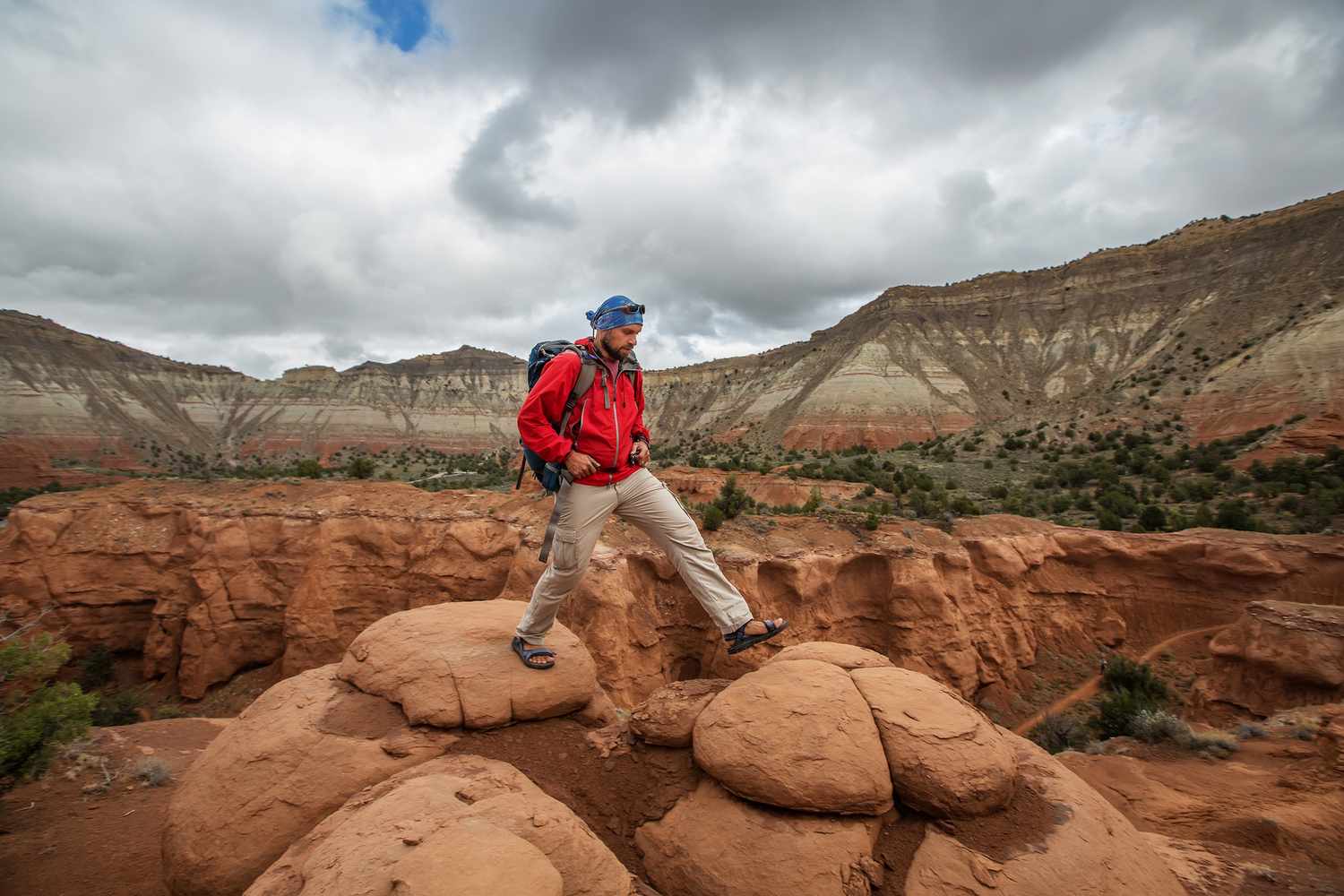
Hiking is, unsurprisingly, one of the best things to do in Kodachrome Basin State Park, and Baugh has a couple of trail recommendations. “Panorama, with all of its loops, is a great day hike,” he says. The route covers three to six miles on the west side of the park—passing by Big Bear Spire, Secret Passage, and Cool Cave—and it’s described as easy to moderate. “Angels’ Palace offers a spectacular overlooking view from approximately 150 feet above the basin,” Baugh adds. The 1.5-mile hiking-only trail (no horses or bikes) is one of the most popular routes, and it’s also great for watching the sunset. Mountain bikers are free to explore Panorama Trail as well as the Big Bear Geyser Trail and the Grand Parade Loop.
“Kodachrome Basin also offers an 18-hole disc golf course, a 3D target archery course, and a four-mile equine-only trail,” says Baugh. For those who want to stay overnight, there are three different campgrounds, two bunkhouses, and two Santa Fe-style adobe cottages to choose from. Two of the campgrounds are open year-round, and the facilities have restrooms (with modern rain shower heads), firewood, a dump station, and a comfort station. You’ll definitely want to make reservations before your trip, though; according to the state’s tourism board, sites fill up quickly.
Camping overnight will also allow you to take part in another of the park’s main activities: stargazing. Kodachrome Basin State Park is a designated International Dark Sky Park, so you can expect to get stunning views of the Milky Way and various constellations when the weather permits.
Best Time to Visit
“Spring and fall are the best times for comfortable temperatures; they are also our busiest seasons,” says Baugh. Both seasons are known for their wide range of temperatures—think warmer days and cooler nights—so pack accordingly (with lots of layers).
Kodachrome Basin State Park is open year-round, so don’t discount the less-busy seasons. In the summer, though, you’ll need to mind the heat. “July and August are hotter months, with highs typically staying in the mid- to upper 90s, very rarely hitting 100,” he says. Summer also brings on rainstorms with lightning and flash flooding. In the winter, temperatures can drop well below freezing at night, but you do get picturesque snow-covered scenery.
How to Get There
While Bryce Canyon Airport (BCE) is technically the closest airport, most travelers will fly in and out of either Utah’s St. George Regional Airport (SGU)—served by United Airlines, American Airlines, and Delta Air Lines—or Harry Reid International Airport (LAS) in Nevada. From SGU, plan for a three-hour drive, or 4.5 hours from LAS. Having your own car will also give you the freedom you need to see other nearby sites, including the Anasazi State Park Museum, Bryce Canyon, and the Escalante Petrified Forest State Park.
Business Style Takeaway: Kodachrome Basin State Park offers a unique blend of rugged natural beauty and exclusive tranquility, ideal for executives seeking an escape from the typical tourist crowds. Its well-appointed accommodations and dark sky preserve status provide opportunities for both rejuvenation and quiet contemplation amidst spectacular scenery.
According to the portal: www.travelandleisure.com