

The Enduring Allure of Rattan in Luxury Bathrooms
Heidi Caillier, a celebrated designer renowned for her sophisticated yet approachable aesthetic, has masterfully integrated a specific design element into her recent projects: the distinctive rattan mirror. This piece, characterized by its looping, often vintage frame, injects a nostalgic charm and layered complexity into interiors without compromising on a refined feel. Seen in a charming cottage in Carmel-by-the-Sea and a new build in Colorado, these mirrors, typically dating from the 1960s and crafted from bamboo or rattan, are artfully positioned in bathrooms, framed by subtle yet impactful brass sconces and set against richly patterned maximalist wallpapers.
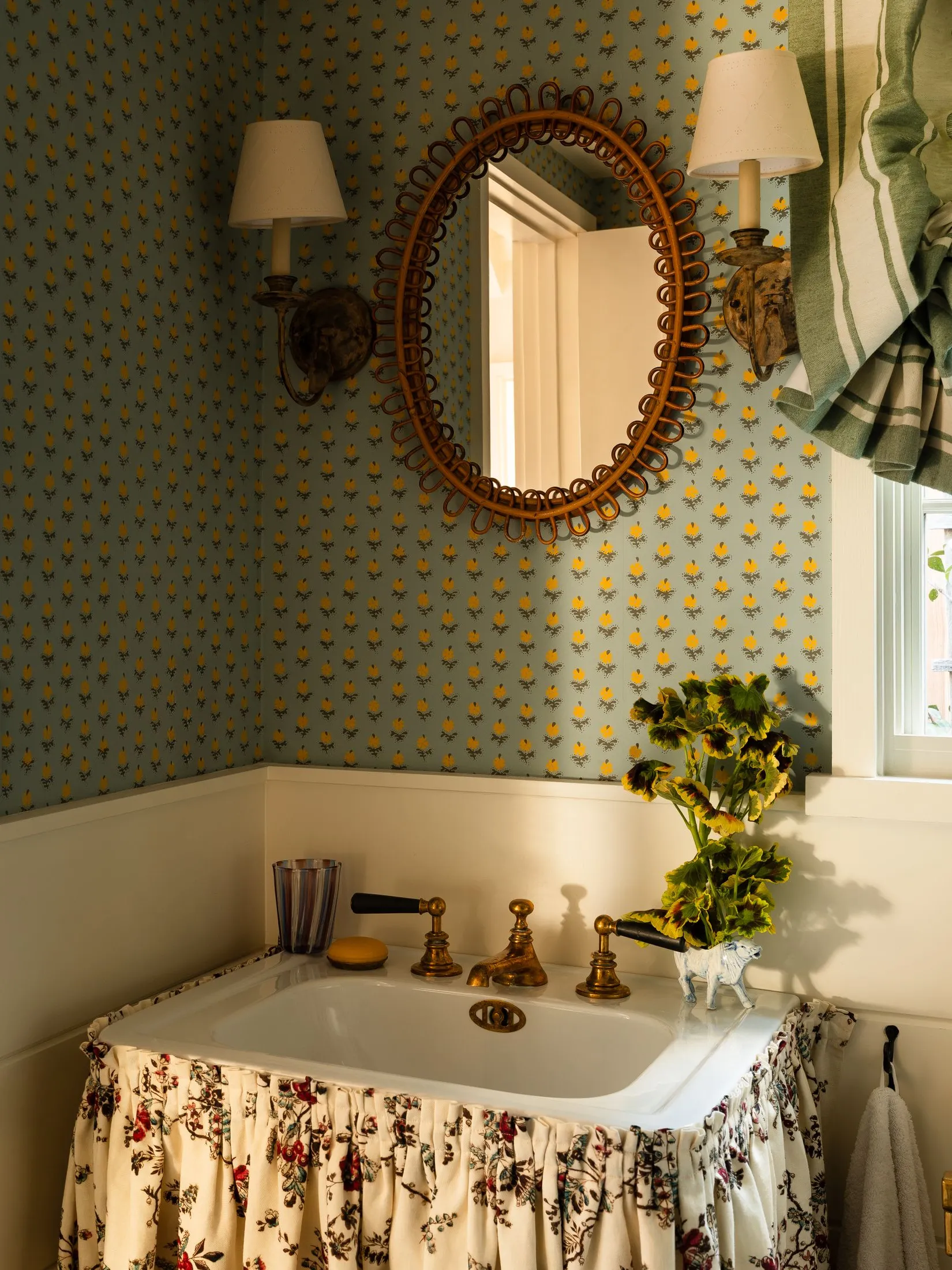
A Timeless Design Element Across Diverse Interiors
This particular style of mirror, with its coiled frame and looped edges, has emerged as a recurring motif in high-end residential design. Its presence has been noted in various luxurious settings, from a sprawling New Jersey estate where it complements vibrant orange tiling, to a classic 1930s cabin in Maine set against a serene robin’s egg blue backdrop, and even within the curated elegance of a Beverly Crest villa, where it contributes to a charming cottagecore ambiance.
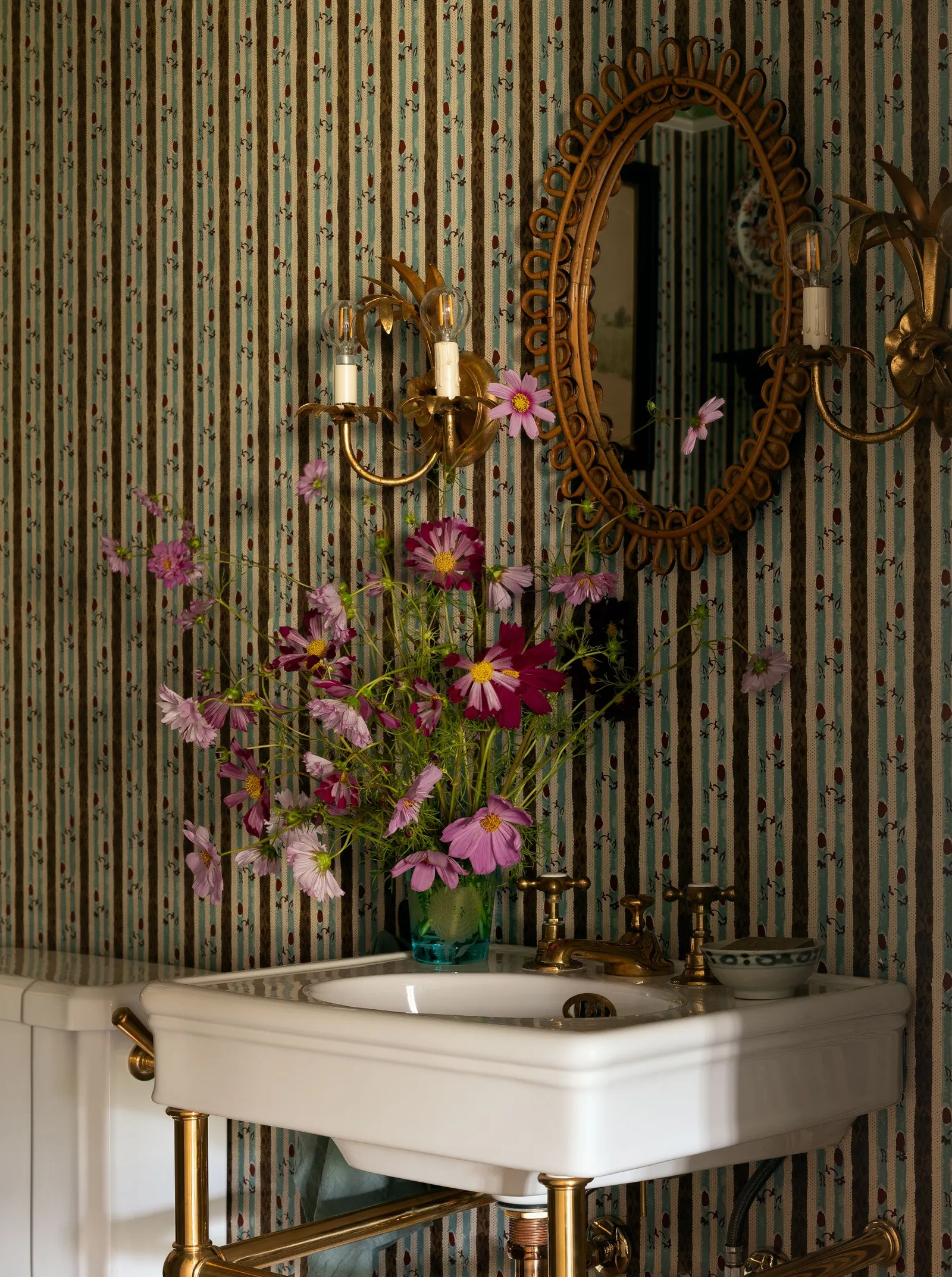
Adding Character to Functional Spaces
In spaces where structural renovations are impractical or where permanent fixtures limit creative expression, the rattan mirror offers a compelling solution. It introduces a distinctive “found object” quality that elevates bathrooms, transforming them from purely functional areas into curated zones. This decorative piece, placed above vanities or against statement wallpapers, provides a focal point and adds personality without requiring extensive modifications to other elements like tiling or cabinetry. It skillfully enhances the limited canvas available for stylistic expression within these essential rooms.
A Nod to Mid-Century Riviera Glamour
These vintage rattan designs evoke the spirit of mid-century Italian modernism, drawing inspiration from luminaries such as Franco Albini, Gabriella Crespi, and Franca Helg. During the post-World War II era, wicker and rattan became synonymous with the chic, relaxed luxury of the French Riviera, symbolizing a sophisticated connection to natural materials. The inclusion of such a mirror signifies a refined appreciation for craftsmanship and a desire for organic elements within a polished interior. It imparts an effortless sense of style, suggesting a curated yet unstudied approach to decor that harmonizes beautifully with more formal design elements, particularly when set against a visually engaging backdrop.
The visual impact is striking: in a Maine residence, the textured rattan offers a warm counterpoint to lacquered teal millwork. In the Beverly Crest home, it introduces a coastal sensibility alongside sculpted shell sconces. Within Caillier’s designs, the mirror acts as a grounding element, anchoring the richly patterned wallpapers and solidifying a confident, cohesive aesthetic that might otherwise be lost with a more conventional chrome fixture.
Embracing the Trend: Sourcing Your Own Riviera Mirror
Acquiring this coveted design element is readily achievable through various avenues. Curated vintage marketplaces, specialized dealers, and online platforms offer a wide selection of these distinctive pieces. Whether seeking an authentic period item or a contemporary interpretation, the allure of the rattan mirror provides a direct route to infusing your interiors with a touch of Riviera-inspired sophistication and artisanal charm.
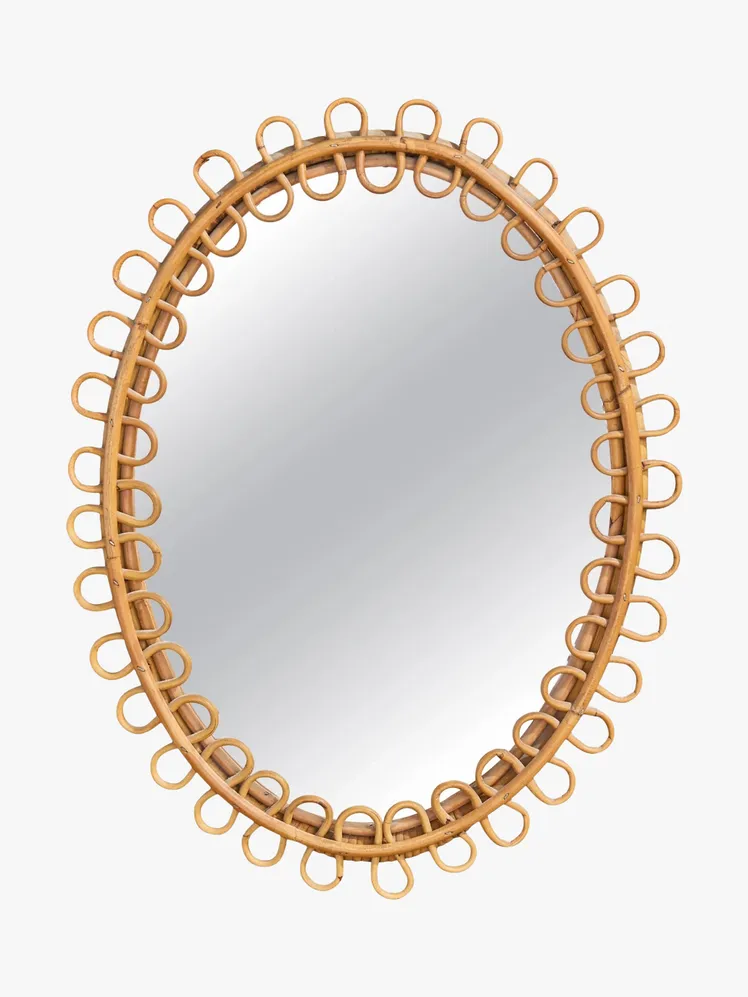
Vintage Italian Bamboo Rattan Wall Mirror
1stDibs
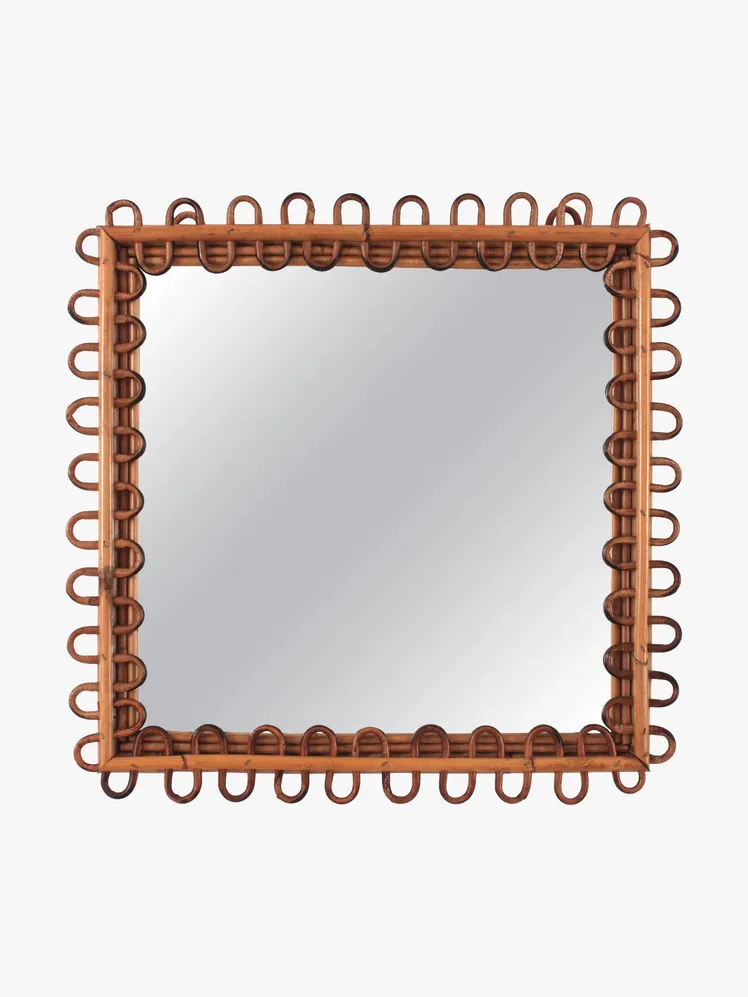
Rattan Sunburst Mirror by Franco Albini
1stDibs
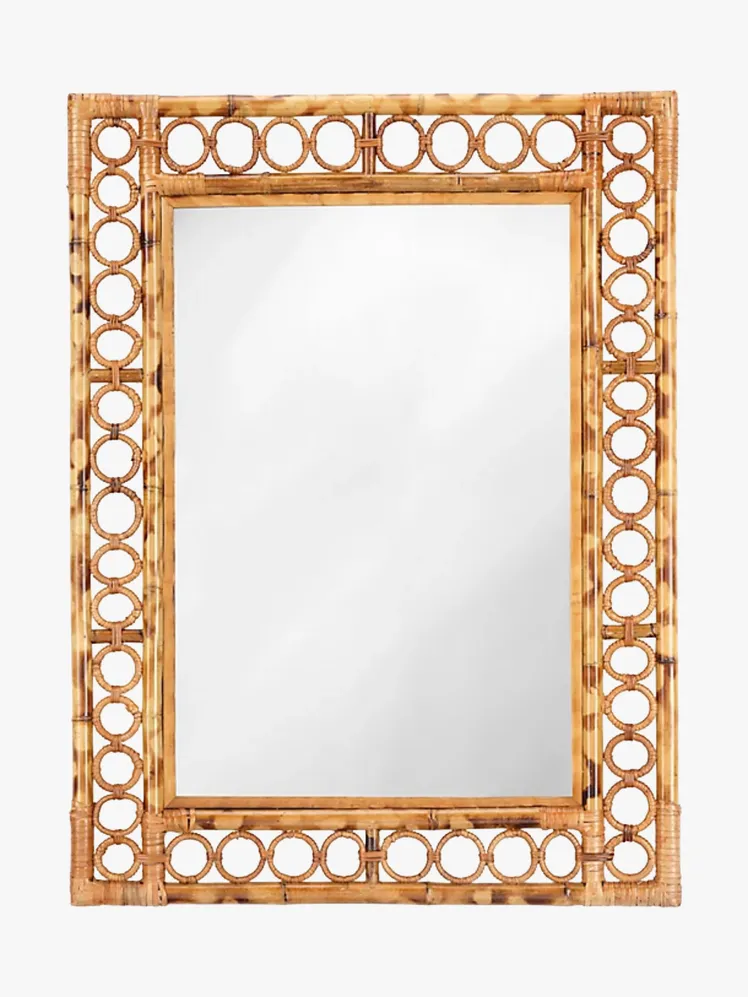
Jamie Young Co. Marche Wall Mirror
Lumens
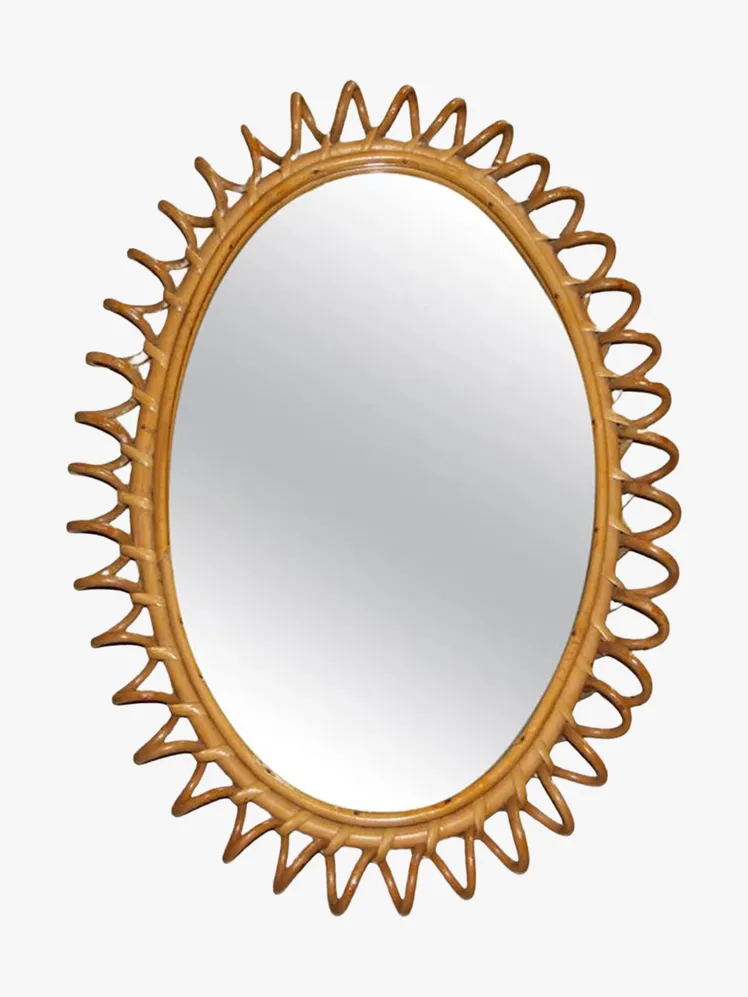
Vintage Bamboo Rattan Wall Mirror by Franco Albini
Etsy
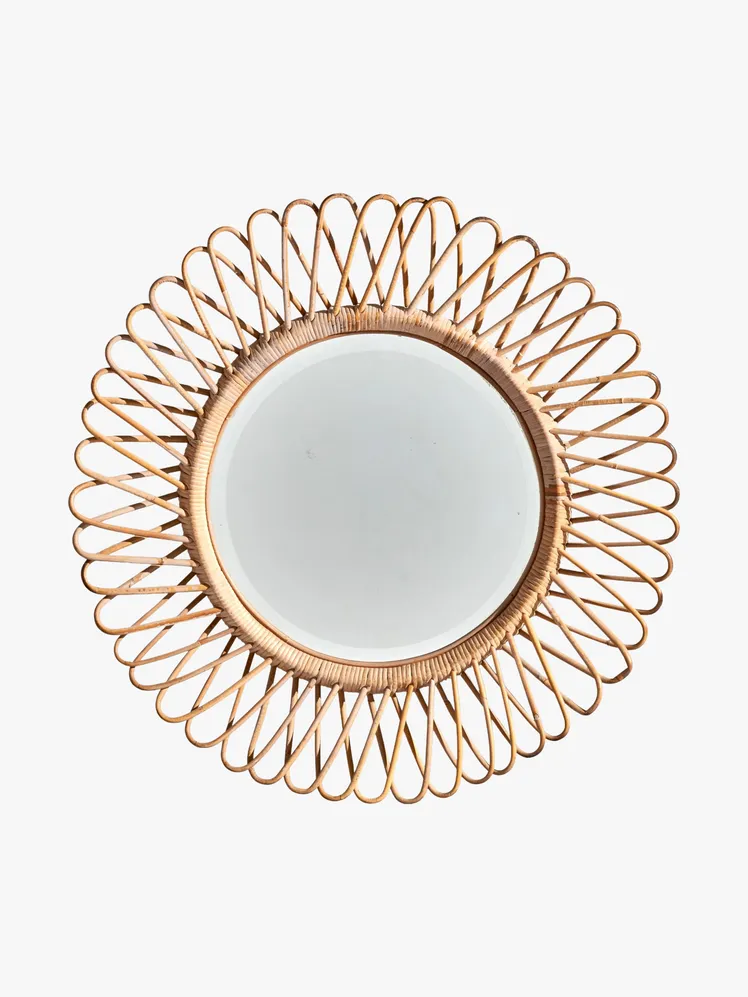
Vintage Italian Bamboo Rattan Wall Mirror
1stDibs
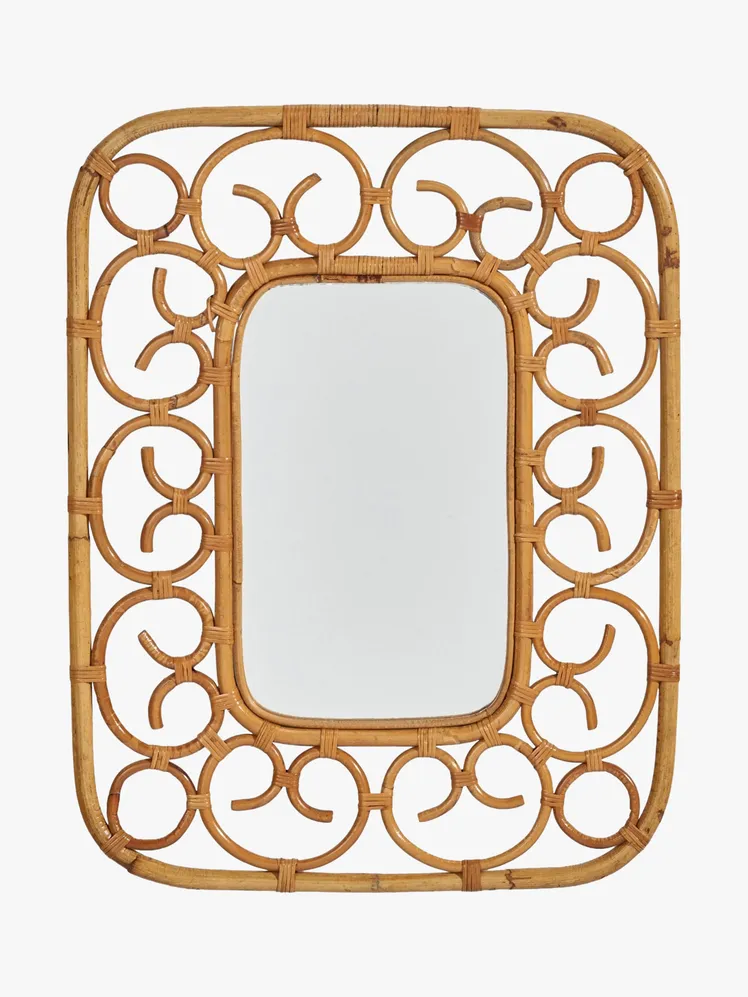
Vintage Italian Bamboo Rattan Wall Mirror
1stDibs
Business Style Takeaway: The resurgence of vintage rattan mirrors offers a sophisticated yet accessible way to imbue personal spaces with artisanal character and a touch of timeless European coastal flair. This design choice not only enhances aesthetic appeal but also signifies an appreciation for curated, enduring style that speaks volumes about the inhabitant’s discerning taste.
According to the portal: www.architecturaldigest.com