

For individuals navigating Parkinson’s disease, the selection of an appropriate exercise regimen can be as impactful as the commitment to physical activity itself. Recent comprehensive research, specifically a network meta-analysis, has illuminated which types of movement yield the most significant benefits, offering a practical framework for patients and their support networks.
Specialized Movements Offer Distinct Advantages
The meta-analysis, published in *Frontiers in Physiology*, synthesized data from 67 randomized controlled trials involving 2,642 participants diagnosed with Parkinson’s disease. The study meticulously compared various exercise modalities to ascertain their efficacy in improving distinct health outcomes.
Key findings revealed the following:
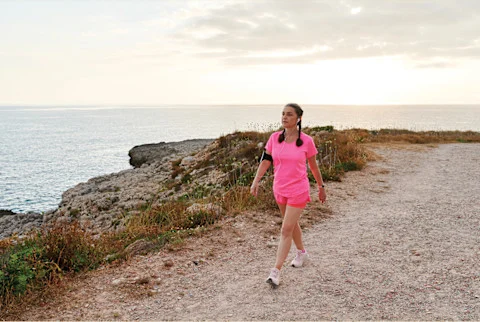
- Brisk Walking Protocols: These were found to be the most effective for enhancing motor function, as assessed by the Unified Parkinson’s Disease Rating Scale Part III (UPDRS-III), a recognized clinical benchmark for motor symptoms.
- Dance-Based Training: Participants engaging in dance routines demonstrated superior improvements in functional mobility, notably in tests such as the Timed Up and Go and the Six-Minute Walk Test.
- Nordic Walking: This activity, which incorporates poles, emerged as the leading intervention for bolstering balance and cognitive function, as measured by the Montreal Cognitive Assessment.
- Aquatic Exercise: A blend of cardiovascular, strength, and flexibility components, aquatic training provided the most substantial improvements in overall quality of life.
This indicates that a singular exercise type does not universally outperform others. The optimal choice is contingent upon an individual’s primary health objectives.
The Unifying Principle of Rhythmic Engagement
The common denominator among walking, dance, Nordic walking, and aquatic exercise lies in their employment of rhythmic, repetitive movement patterns. These patterns appear to stimulate neural regulation, which is the brain’s capacity to orchestrate and govern motor control.
The study’s authors propose that exercises integrating rhythmic motion with cognitive challenges—such as following dance choreography or navigating varied terrain with poles—may offer heightened benefits. This dual engagement potentially stimulates both motor and non-motor neural pathways concurrently. Such synergistic stimulation could account for the pronounced improvements observed in mobility and cognition associated with dance and Nordic walking, respectively.
Aligning Physical Activity with Personal Goals
Integrating safe and effective movement strategies is a cornerstone of a robust Parkinson’s management plan. When considering a new exercise program, in consultation with a healthcare professional, individuals may wish to consider the following:
- For Enhanced Motor Symptom Management: Prioritize regimens centered on walking-based training.
- To Improve Daily Mobility and Stamina: Explore adapted dance classes, which are often available in community settings.
- To Address Balance Concerns or Cognitive Concerns: Nordic walking may offer the most targeted benefits.
- For Holistic Quality of Life Enhancement: Aquatic exercise presents a low-impact option yielding broad-ranging positive effects.
The researchers also emphasize that individuals can select exercises aligned with their current physical capabilities, ensuring accessibility for a wide spectrum of fitness levels, from those newly diagnosed to those managing more advanced stages of the disease.
It is paramount to consult with a qualified healthcare provider or physical therapist before initiating any new exercise regimen, particularly those involving dynamic balance components.
Concluding Perspective
For individuals with Parkinson’s disease, identifying an optimal exercise routine can present a significant challenge. This extensive meta-analysis, encompassing 67 trials, offers compelling evidence that specific exercises, particularly those characterized by rhythmic and repetitive movements, are uniquely effective in addressing distinct health outcomes. This empowers patients and caregivers to make informed decisions about physical activity that genuinely aligns with their personal health aspirations.
Business Style Takeaway: Implementing structured, rhythmic exercise regimens, such as tailored walking or dance programs, can significantly enhance executive cognitive function and resilience to stress. By focusing on evidence-based movement, professionals can improve focus, manage neurological health proactively, and sustain higher levels of productivity over the long term.
Original article : www.mindbodygreen.com