

Curcumin, the primary bioactive compound in turmeric, is renowned for its potent anti-inflammatory properties. However, its efficacy is often limited by poor bioavailability; the body struggles to absorb significant amounts of it in isolation. This is where piperine, an alkaloid found in black pepper, plays a crucial role by substantially enhancing curcumin absorption.

A recent systematic review meticulously examined the synergistic effects of curcumin and piperine on key markers associated with inflammation, metabolic health, and cardiovascular well-being.
Study Overview
The researchers synthesized findings from 19 randomized controlled trials encompassing adult participants with a spectrum of health conditions, including metabolic syndrome, type 2 diabetes, non-alcoholic fatty liver disease (NAFLD), cardiovascular disease, lupus, and COVID-19, among others.
Across these studies, participants consistently received daily doses of curcumin ranging from 500 to 1,500 milligrams, combined with 5 to 15 milligrams of piperine. The intervention periods varied from one to 12 weeks.
The comprehensive evaluation encompassed a wide array of physiological outcomes, including:
- Inflammatory biomarkers
- Oxidative stress markers
- Blood glucose regulation
- Cholesterol and triglyceride levels
- Cardiovascular risk indicators
- Symptom severity and overall quality of life
Curcumin-Piperine Demonstrated Consistent Reduction in Inflammatory Markers
The analysis revealed that the combination of curcumin and piperine consistently supported a more balanced inflammatory response. In 15 of the reviewed trials, researchers observed significant reductions in key inflammatory markers such as C-reactive protein (CRP), high-sensitivity CRP (hs-CRP), and interleukin-6 (IL-6).
These benefits were particularly pronounced in individuals managing chronic low-grade inflammation linked to conditions like metabolic syndrome, type 2 diabetes, metabolic dysfunction-associated steatotic liver disease, and heart disease.
It is hypothesized that curcumin may exert its effects by modulating inflammatory signaling pathways, including those involved in cytokine production and oxidative stress regulation, such as the NF-κB pathway. This finding is significant given the growing understanding of persistent, low-grade inflammation as a primary driver of cardiometabolic dysfunction and accelerated aging.
Enhanced Antioxidant Defense Mechanisms
The review also highlighted promising improvements in oxidative stress markers, another critical factor in metabolic and cardiovascular health.
Out of the 15 studies that assessed oxidative stress, 12 reported positive outcomes, including:
- Increased overall antioxidant activity
- Elevated total antioxidant capacity
- Reduced levels of malondialdehyde, an indicator of cellular damage
Given that oxidative stress and inflammation often exist in a feedback loop, improvements in both simultaneously suggest that curcumin-piperine may influence interconnected pathways vital for long-term metabolic resilience.
Impact on Metabolic Health Markers
Encouraging shifts in blood sugar control and lipid profiles were also observed, particularly among individuals with metabolic syndrome and type 2 diabetes. Participants supplementing with curcumin and piperine showed reductions in fasting blood glucose, HbA1c, and markers of insulin resistance, indicating potential benefits for glucose metabolism.
Furthermore, the combination was associated with favorable changes in cholesterol and triglyceride levels, including decreased LDL cholesterol and triglycerides, alongside an increase in HDL cholesterol. Some studies also noted reductions in waist circumference and blood pressure.
Guidance on Supplementation
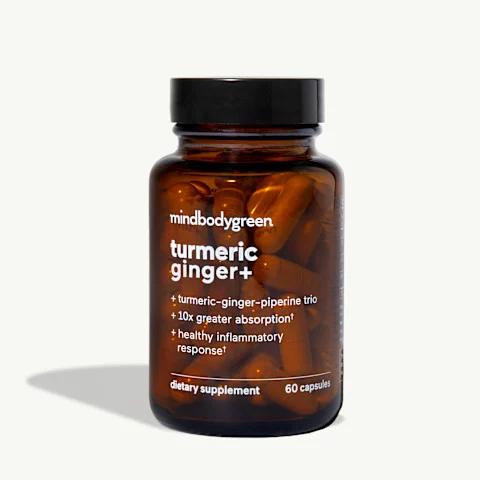
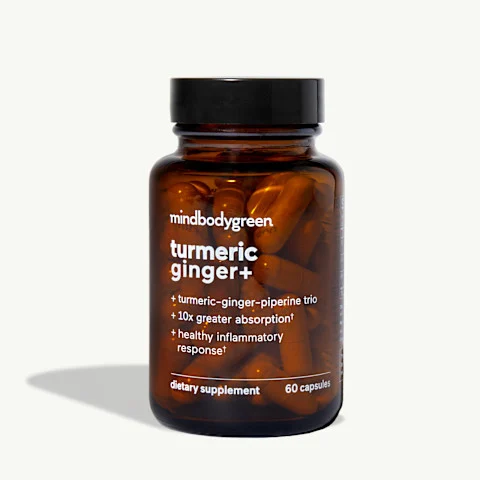
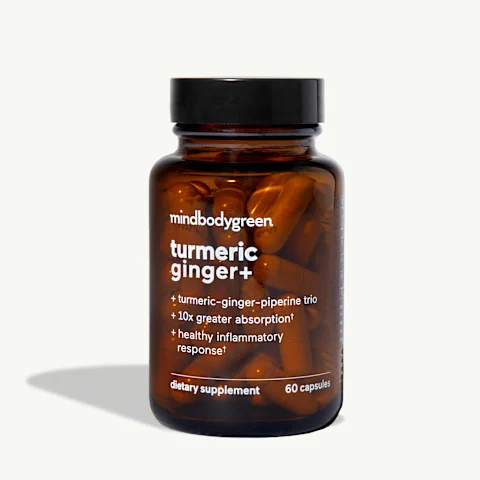
When selecting a curcumin supplement, it is paramount to ensure it is formulated with piperine to optimize absorption. The dosage range observed in this review, 500 to 1,500 milligrams of curcumin daily, appears effective. It is important to note that excessive intake of turmeric or curcumin can potentially be detrimental to liver health.
Concluding Insights
This latest systematic review reinforces the growing body of evidence suggesting that the synergistic combination of curcumin and piperine can effectively support healthy inflammatory responses, bolster antioxidant defenses, and promote improved metabolic health.
While the findings are compelling, researchers emphasize the need for larger-scale, longer-term studies to confirm these benefits and their sustained impact on health outcomes. Currently, curcumin-piperine presents a promising adjunct to, rather than a replacement for, foundational lifestyle practices essential for maintaining metabolic and cardiovascular wellness.
Business Style Takeaway: Integrating curcumin with piperine into a daily wellness regimen can support systemic inflammation and oxidative stress, thereby enhancing cognitive function and resilience under pressure. This nutritional strategy may contribute to sustained energy levels and improved long-term productivity for busy executives.
According to the portal: www.mindbodygreen.com