

Nate Berkus and Jeremiah Brent, esteemed designers known for their extensive work in renovating properties, have shared invaluable insights gleaned from their five-year endeavor restoring a vacation home in Portugal. This ambitious project, while presenting unique logistical and environmental challenges, offered them a profound learning experience, even at their seasoned stage in the industry.
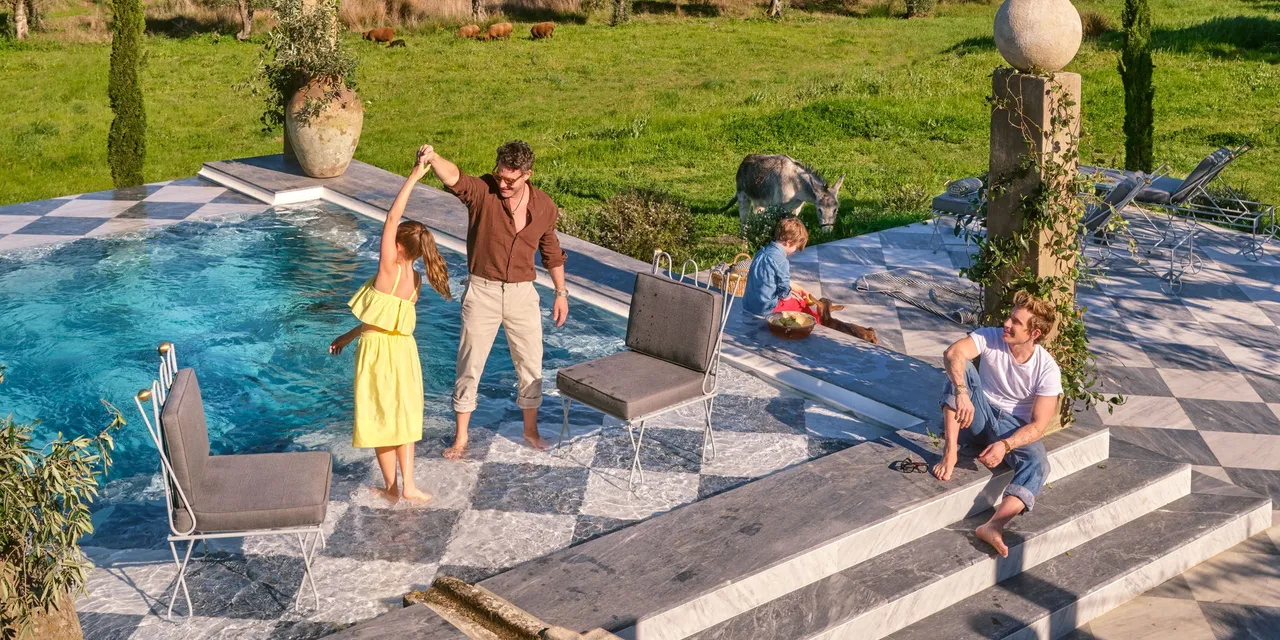
The couple candidly admit that the remote location and the intricacies of farming and land stewardship in an unfamiliar climate proved more demanding than anticipated. The constant effort to manage crucial details from afar introduced significant stress, yet the outcome affirmed the project’s profound worth.
Embrace Local Expertise for Seamless Project Management
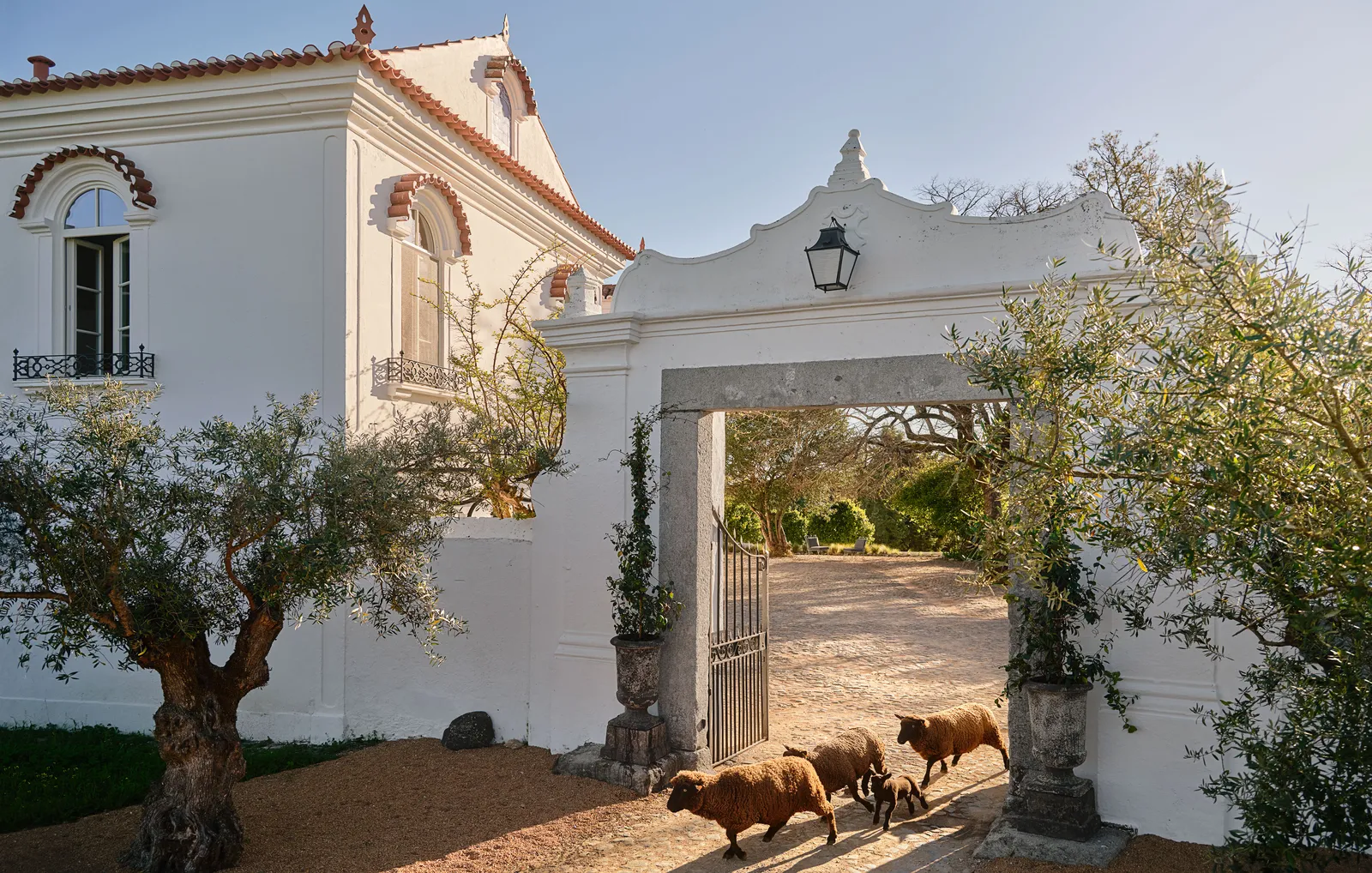
A critical realization from their Portuguese restoration was the paramount importance of effective communication. To navigate the complexities of working in a foreign country, Berkus and Brent strategically engaged a project manager fluent in both Portuguese and English before the property acquisition was finalized. This bilingual liaison served as an indispensable bridge throughout the entire process, facilitating the selection and supervision of construction teams, and ensuring that intricate details were meticulously managed.
For those undertaking similar international ventures, they strongly advise securing a local project manager. Furthermore, when selecting contractors, prioritizing those with experience in comparable projects and visiting their completed works is recommended. The designers also note that commercial contractors can often bring a valuable level of organization to residential projects.
Mastering Regional Land Practices and Agricultural Heritage
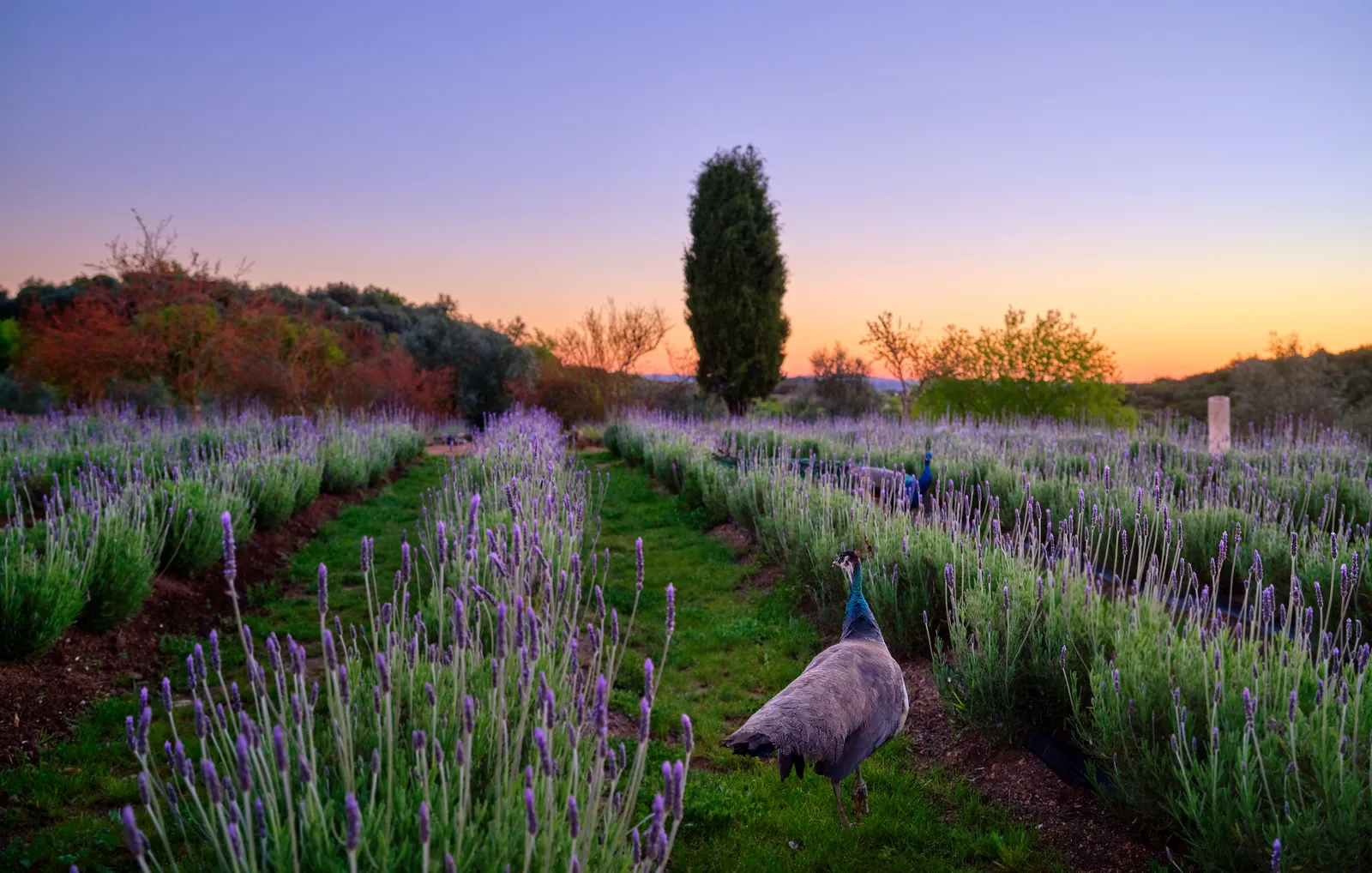
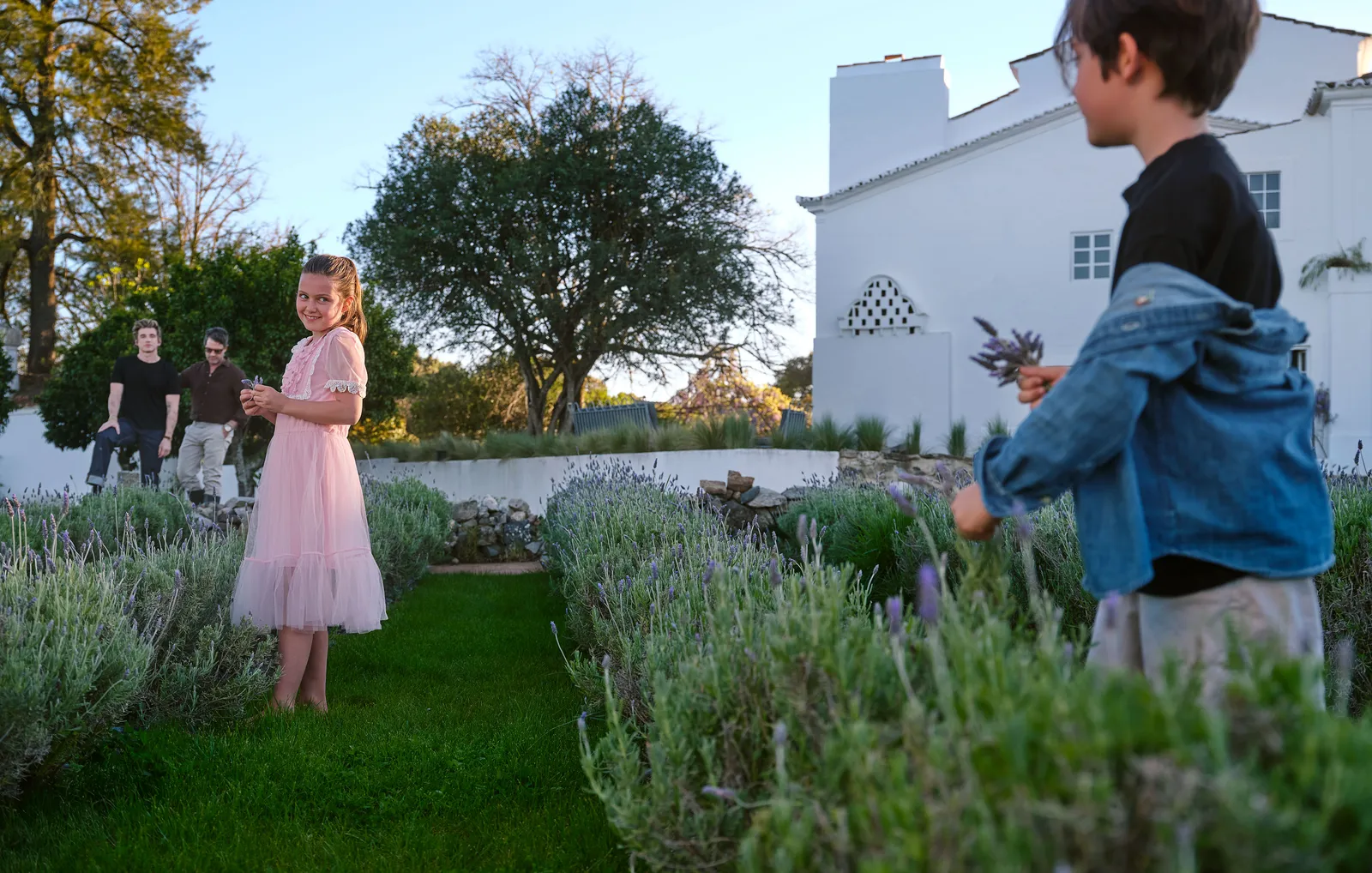
The restoration project demanded a significant educational commitment to understanding local agricultural practices and climate nuances. Berkus and Brent dedicated considerable time to revitalizing the land, focusing on the health of the trees, soil conditions, and water management systems. Their efforts included the restoration of ancient irrigation channels and the careful tending of the property’s established citrus and olive orchards, with subsequent additions of lavender fields and a substantial vegetable garden.
For extensive rural properties, they advocate for prioritizing infrastructure upgrades, such as water and drainage systems, as a foundational step. They also advise delaying the introduction of farm animals until the construction phase is fully completed, to minimize disruption to the animals.
Leveraging Local Stone for Elegant Design
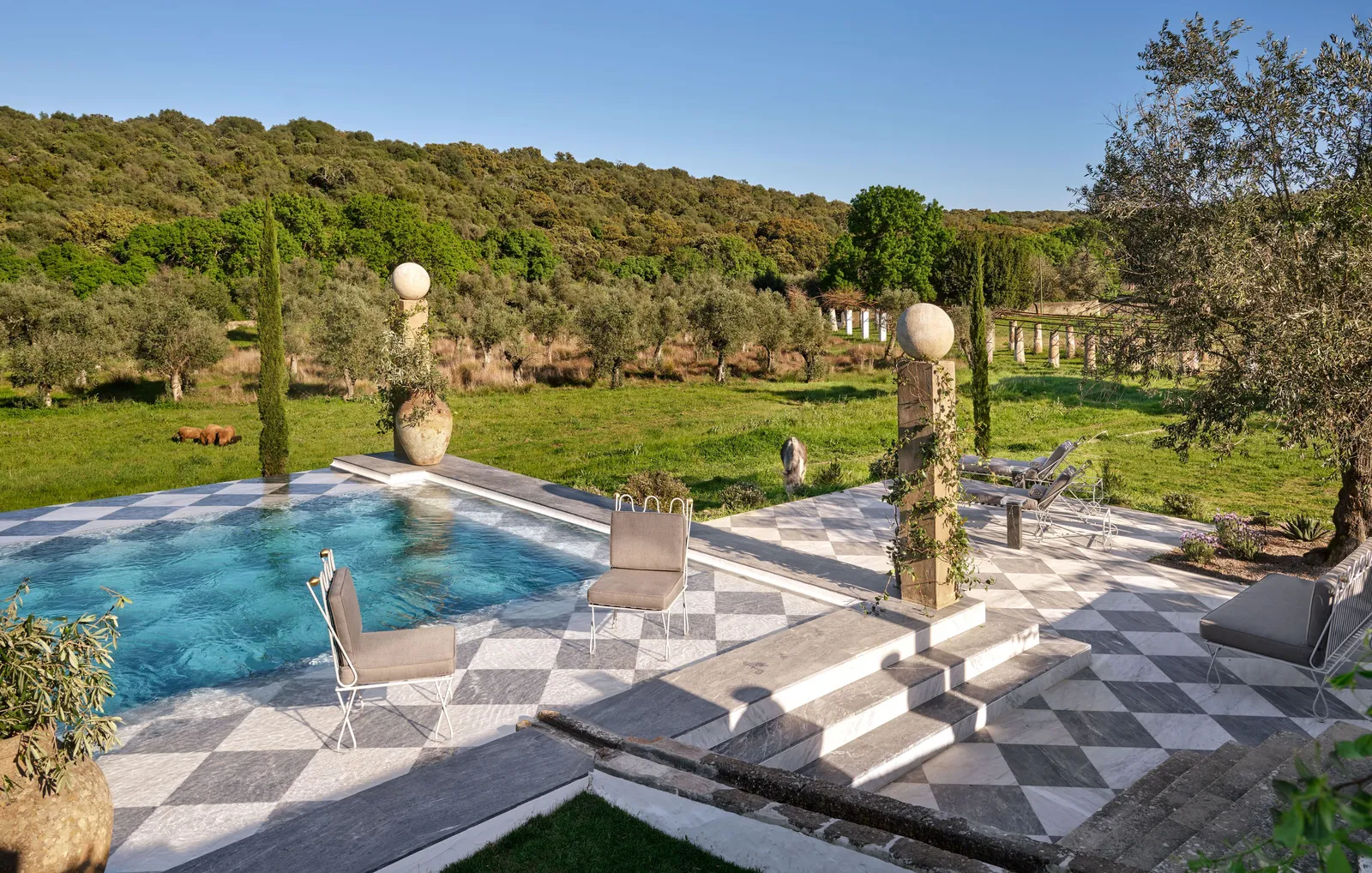
The designers strategically utilized locally sourced marble and stone, recognizing its cost-effectiveness and availability. For the swimming pool, they employed a striking checkerboard pattern using Ruivina, a dark grey marble, and Estremoz White, a stone quarried in the Alentejo region. Portugal’s rich geological landscape offers an impressive array of marbles with diverse qualities and colors, allowing for direct selection from quarries.
To mitigate potential delays, they recommend procuring and storing stone materials early in the construction process, given that delivery timelines can be extended compared to those in the United States.
Innovative Pool Design from Agricultural Structures
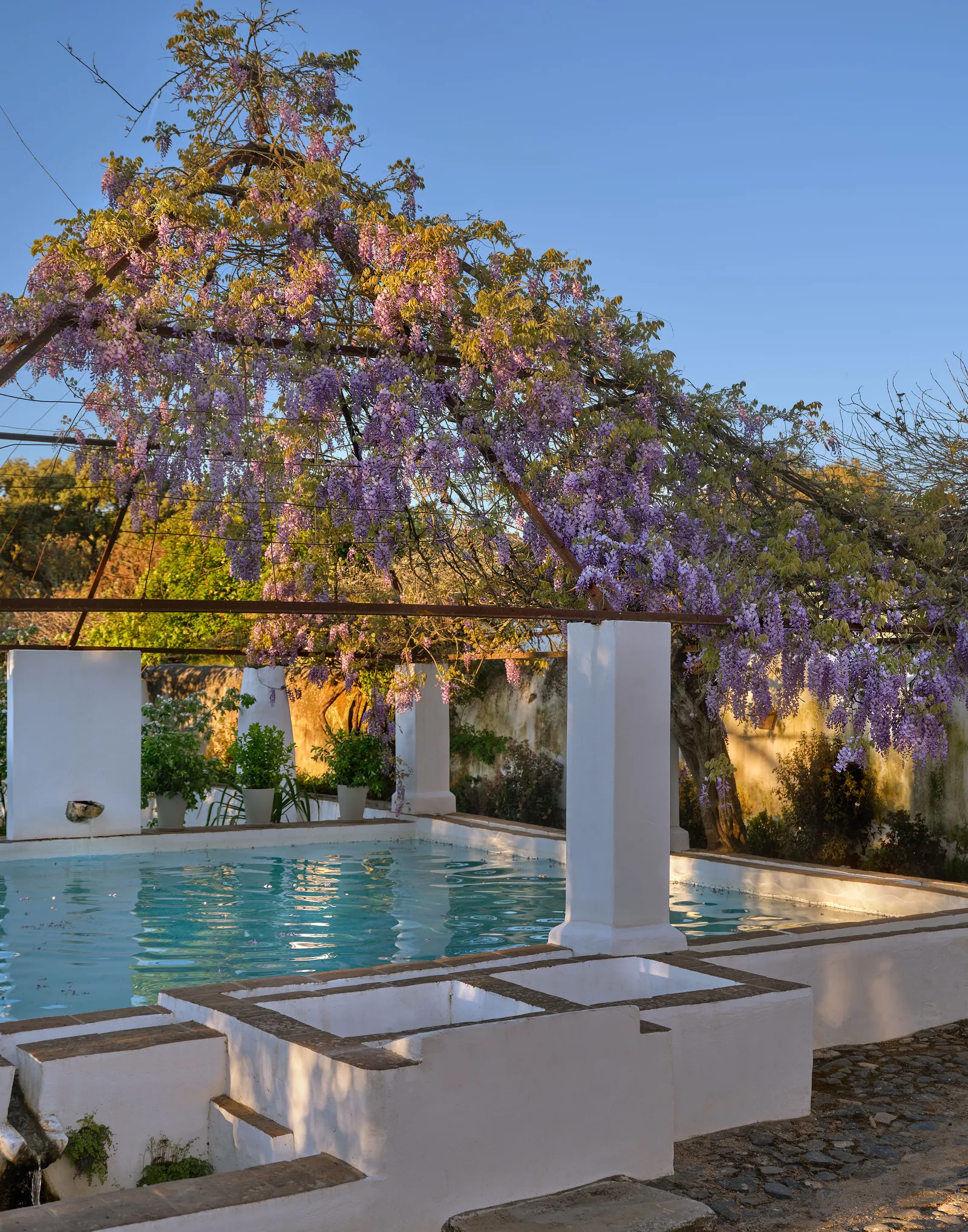
The property’s existing agricultural water tanks provided an inspired opportunity for conversion into a swimming pool. For individuals considering a similar transformation, it is essential to verify that the tank meets the required dimensions, potentially necessitating adjustments for depth. Preserving the rustic exterior texture was a key design choice to maintain the structure’s inherent character.
Attention to original details, such as drain outlets and structural pillars, is crucial for retaining historical integrity. The strategic placement of the equipment room, balancing discretion with accessibility, is also a vital consideration.
Fostering Community Integration and Local Engagement
A core objective for Berkus and Brent was to integrate seamlessly into their local community, avoiding the perception of being outsiders. By employing local villagers for the construction work and hosting neighborhood gatherings, they actively cultivate relationships and foster a sense of belonging. This approach underscores their commitment to understanding and respecting the local customs and way of life.
Business Style Takeaway: The meticulous approach to international property renovation, emphasizing local expertise and cultural integration, not only elevates the aesthetic and functional quality of a luxury residence but also cultivates a profound personal connection to the locale, enhancing one’s personal brand as a globally-minded and respectful individual.
Source: : www.architecturaldigest.com