


Aggressive behaviors, encompassing everything from hostile road rage to dismissive workplace interactions, represent a significant public health challenge. These manifestations of aggression, whether overt or subtle, can deeply impact personal and professional environments. Addressing the root causes and enhancing access to therapeutic interventions are crucial for equipping individuals with effective strategies to manage such tendencies.
Emerging research suggests that nutritional science may offer a valuable complementary approach to managing these behaviors. Specifically, a recent meta-analysis indicates that omega-3 fatty acid supplementation could play a role in reducing aggression among both adults and children.
Understanding the Research on Omega-3s and Aggression
The meta-analysis synthesized findings from randomized-controlled trials that specifically investigated the effects of omega-3 fatty acid supplements on aggression levels. The researchers meticulously reviewed the scientific literature to identify studies that not only administered omega-3s but also rigorously measured aggressive behaviors.
Ultimately, 29 studies involving participants across various age groups, from children to adults, met the stringent criteria for inclusion in this comprehensive review.
The focus on omega-3s and their impact on emotional regulation, while perhaps less publicized than their cardiovascular benefits, underscores a growing understanding of their multifaceted roles in overall well-being.
Omega-3 fatty acids are widely recognized for their significant contributions to cardiovascular health. However, their influence extends profoundly into neurological function. The specific omega-3s, eicosapentaenoic acid (EPA) and docosahexaenoic acid (DHA), found abundantly in fatty fish and supplements, play distinct and critical roles within the brain.
- DHA is a fundamental building block of neuronal cell membranes, essential for maintaining brain structure and providing neuroprotection.
- EPA is more directly involved in modulating mood and influences key neurotransmitter systems, including those involving serotonin and dopamine.
- Studies have indicated a correlation between suboptimal omega-3 levels and increased inflammation, impaired stress response mechanisms, and a greater susceptibility to mood disorders like depression.
These anti-inflammatory and mood-regulating properties of omega-3s are believed to contribute to their potential in mitigating aggressive behaviors.
Omega-3s Demonstrate a Notable Reduction in Aggression
The findings of this meta-analysis reveal that omega-3 fatty acids positively impact two distinct forms of aggression, observed across diverse age groups and genders: reactive and proactive aggression.
- Reactive aggression, characterized by impulsive, emotional, or hostile responses to perceived threats or provocations, saw a significant reduction of 27%.
- Proactive aggression, which involves deliberate or planned aggressive actions aimed at asserting dominance or achieving a goal, also experienced a 27% decrease.
While the researchers acknowledge that these reductions are modest, they are statistically significant and hold the potential for meaningful real-world implications in managing aggressive tendencies.
It’s noteworthy that approximately 90% of the American population does not meet the recommended daily intake of 500 milligrams of omega-3 fatty acids, indicating a substantial opportunity for dietary and supplemental improvement.
Strategies for Enhancing Omega-3 Intake
Increasing omega-3 consumption can be achieved through both dietary adjustments and supplementation.
Fatty fish such as salmon are exceptionally rich sources of EPA and DHA, typically providing between 1,500 to 2,200 milligrams per serving. Other beneficial sources include mackerel, sardines, herring, and anchovies.
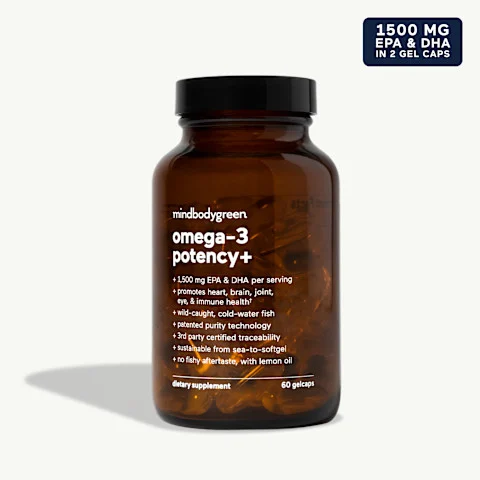
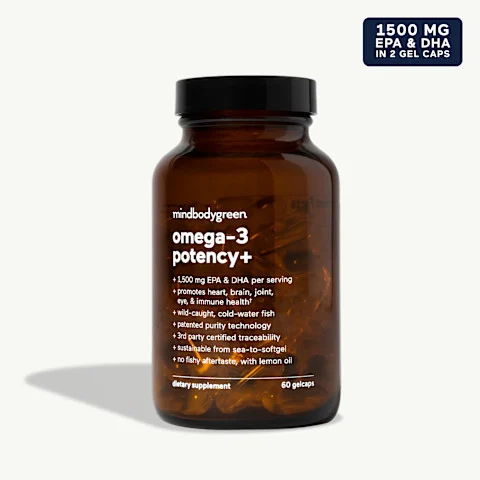
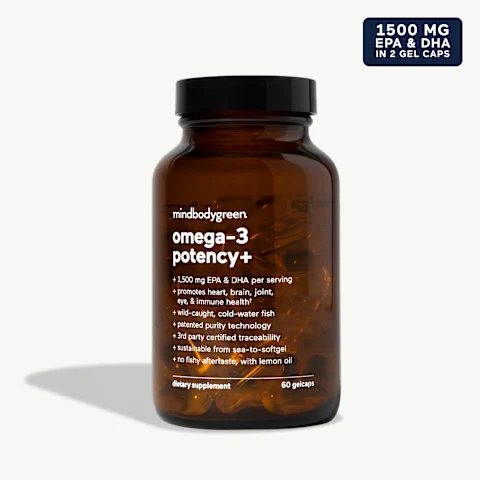
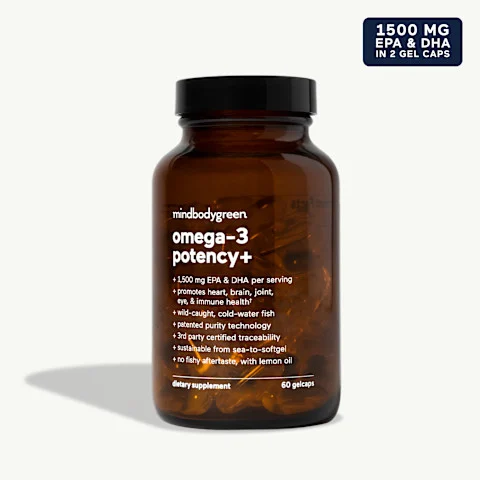
For individuals seeking to consistently achieve therapeutic levels of omega-3s, a high-quality supplement is often the most reliable method. Therapeutic doses typically range from 1,000 to 4,000 milligrams daily.
Key Takeaways on Omega-3s for Mood Support
Incorporating more fish into one’s diet and considering omega-3 supplementation are practical steps toward supporting emotional equilibrium. While these measures are not a panacea for aggression or mood imbalances, scientific evidence suggests they can exert a beneficial influence, particularly when integrated with other supportive therapeutic strategies.
Business Style Takeaway: Integrating omega-3 rich foods and potentially supplements can be a strategic move for executives aiming to enhance cognitive function and emotional regulation. Improved mood stability and reduced reactivity can lead to more composed decision-making and greater resilience under pressure, ultimately boosting sustained productivity.
Original article : www.mindbodygreen.com