

The genesis of personalized ‘house merch,’ a trend emerging within contemporary lifestyle spaces, can be traced to an intimate act of hospitality. Emily Giunta, the creative force behind the popular Instagram account Girl Loves Paper, recalls a childhood memory where her father thoughtfully gifted guests custom-branded pens. While initially perceived as peculiar, this gesture evolved into a profound inspiration during adulthood, prompting Giunta to curate a similar, unique keepsake for visitors to her Queens apartment.
The Concept of House Merch
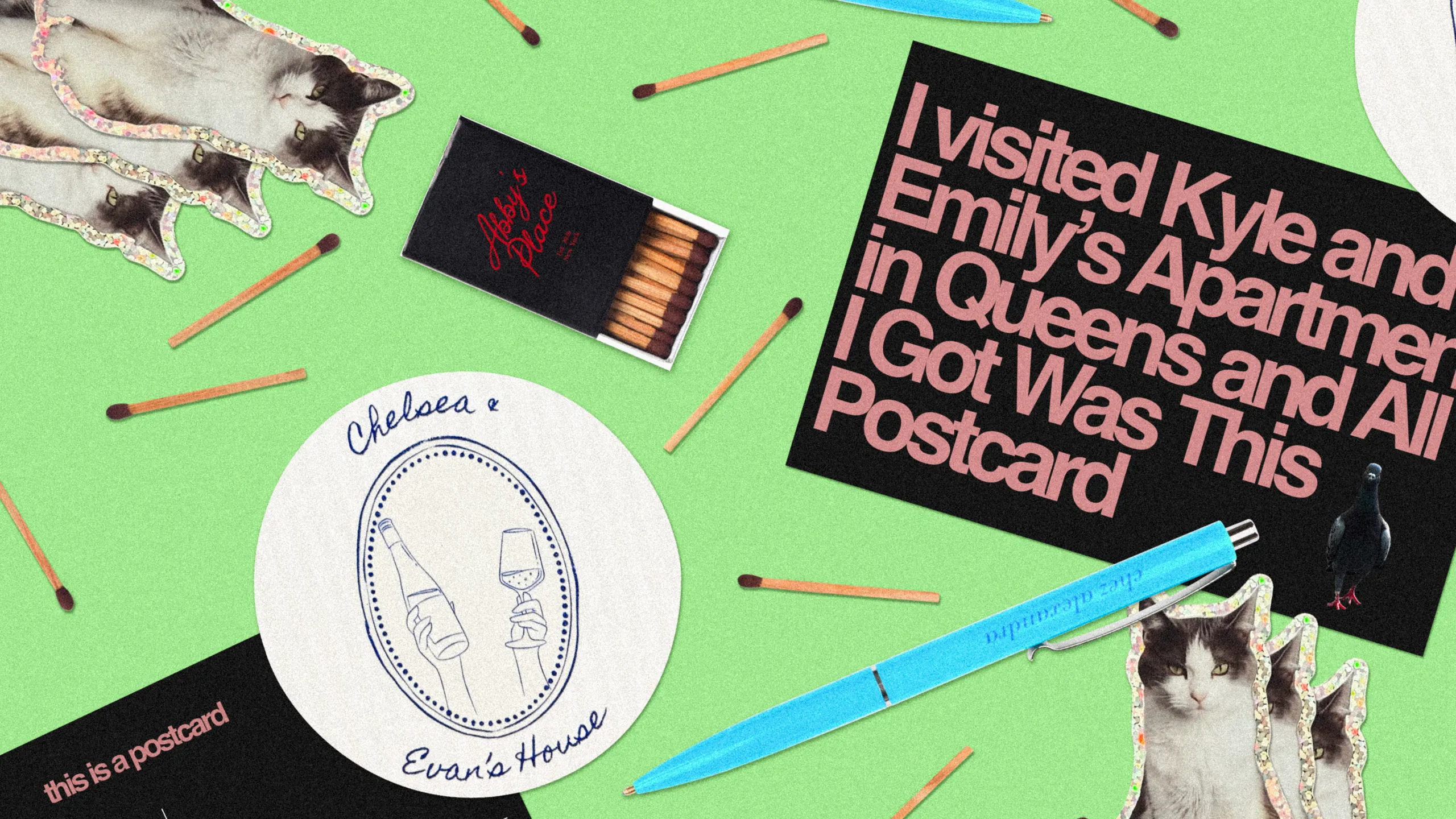
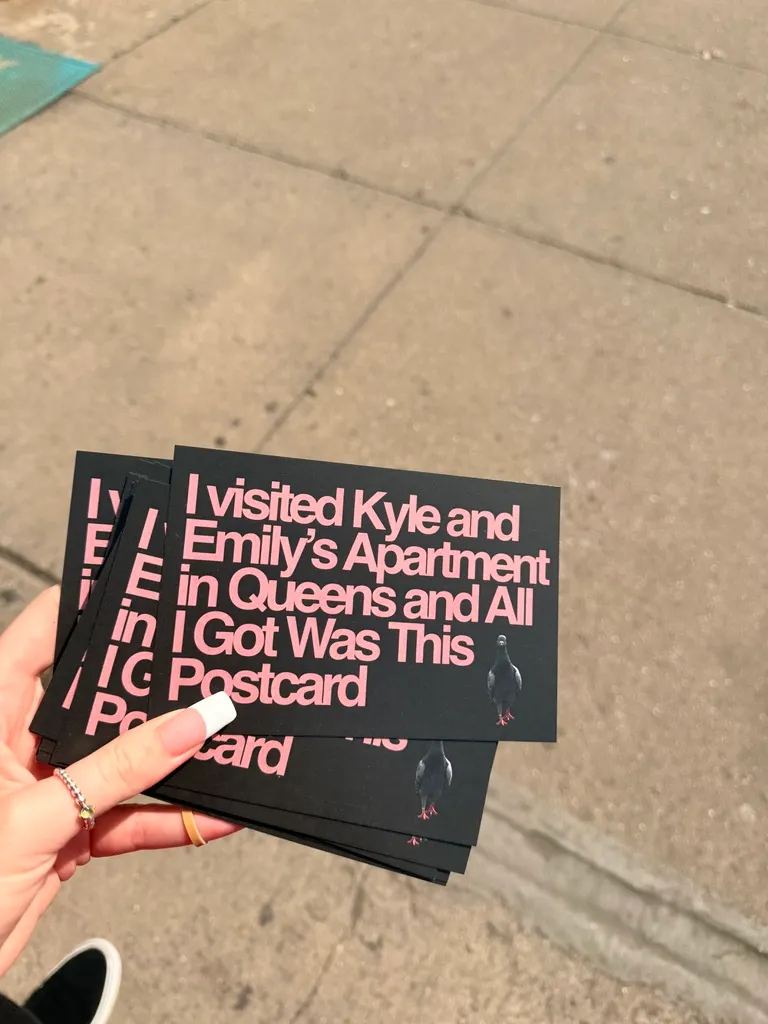
This practice, now colloquially termed ‘house merch,’ draws inspiration from the branded memorabilia often associated with luxury resorts and boutique hotels, but with a distinctly personal imprint. These items are not corporate giveaways but bespoke tokens crafted to reflect the individual or family hosting. The trend has garnered significant attention, with figures like comedian Bridget Everett showcasing her own branded merchandise for her upstate New York residence, including apparel and drinkware. Giunta’s initiative, particularly her custom-designed postcard, resonated widely on social media, sparking a wave of enthusiasm among those eager to replicate or share similar creations. Popular iterations include customized matchbook boxes, coasters, stickers, and beverage koozies, each a small testament to the host’s unique identity.
Personalized Touches and Aesthetic Expression
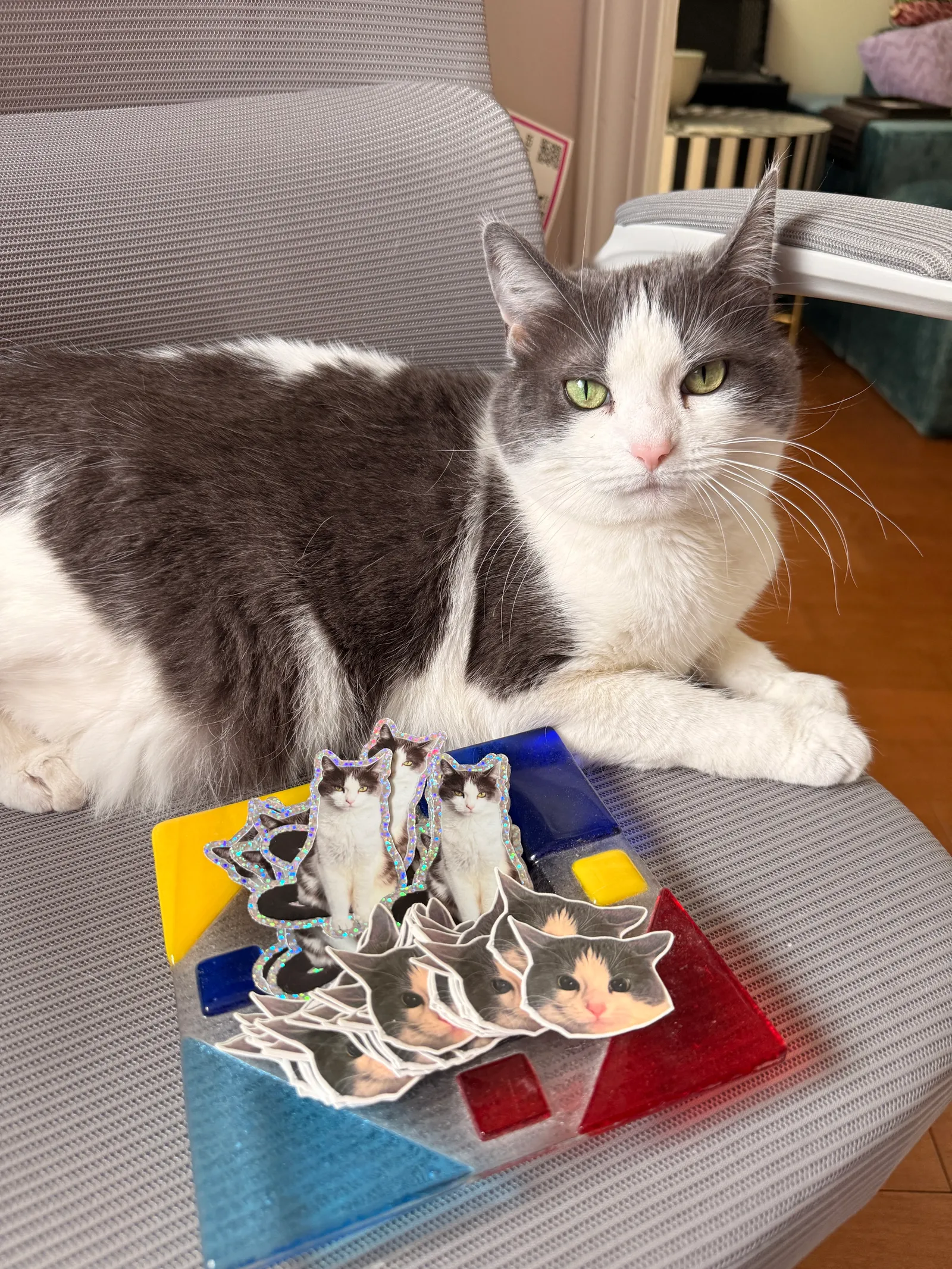
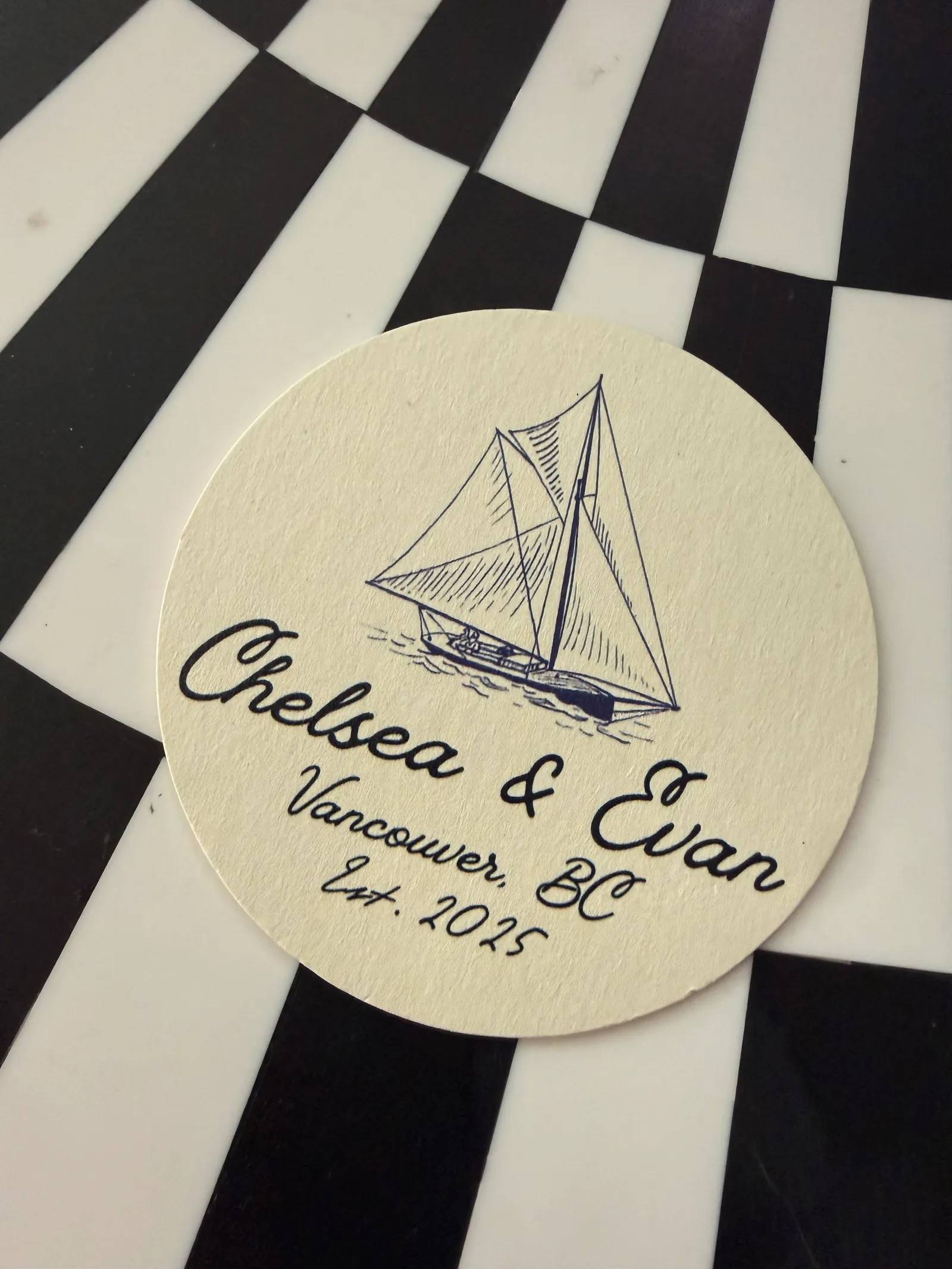
Chelsea Clough, a TikToker and photographer, embraced this trend, creating house merch for her Vancouver dwelling. Influenced by a similar concept seen on TikTok, she began by designing coasters featuring her and her wife’s names, along with temporary tattoos and stickers depicting their cat, Pancake. These personalized details serve as subtle yet meaningful reflections of the host’s personality and shared experiences. Giunta’s postcard, for instance, incorporates a pigeon motif, a symbol recurrent throughout her apartment, and features bold typography, aligning perfectly with her and her partner’s graphic design aesthetic. This meticulous attention to detail transforms simple objects into curated elements of a home’s narrative.
A Reflection of Individuality and Craftsmanship
The burgeoning popularity of house merch aligns with a broader cultural movement emphasizing individuality and a departure from mass-produced goods. Younger generations, in particular, are increasingly drawn to unique items that reflect personal style and a desire for authenticity. This trend toward valuing artisanal and singular creations is precisely what house merch embodies. It represents an intimate form of expression, exclusive to the giver and their chosen circle, thereby enhancing the social experience of hosting and being a guest.
The Creative Process and Connection
The creation of house merch offers a gratifying avenue for artistic expression, transforming design into a tangible, personal project. This resonates with the growing ‘analog movement’ among younger demographics, who seek offline hobbies and tactile experiences. Designing graphics for printing or crafting bespoke gifts perfectly encapsulates this desire for hands-on creation. Tools like Canva, alongside services such as Sticker Mule, Zazzle, or Printful, offer accessible platforms for individuals to realize their creative visions, making the production of personalized items a low-barrier endeavor. Fundamentally, house merch cultivates a profound sense of connection, forging a unique bond between host and guest that transcends digital communication, offering a tangible expression of care and thoughtfulness within the intimate setting of a home.
Business Style Takeaway: The ‘house merch’ trend signifies a sophisticated evolution in personal branding and hospitality, where bespoke, thoughtfully designed objects elevate the guest experience and reinforce the host’s unique aesthetic. This approach to personalized gifting enhances the perception of exclusivity and curated living, contributing to a refined personal environment that speaks volumes about taste and attention to detail.
Learn more at : www.architecturaldigest.com