

Joshua Tree National Park, a vast protected desert landscape in California near Palm Springs, is renowned for its unique yucca brevifolia (Joshua tree) with its distinctive twisted limbs and spiky foliage.
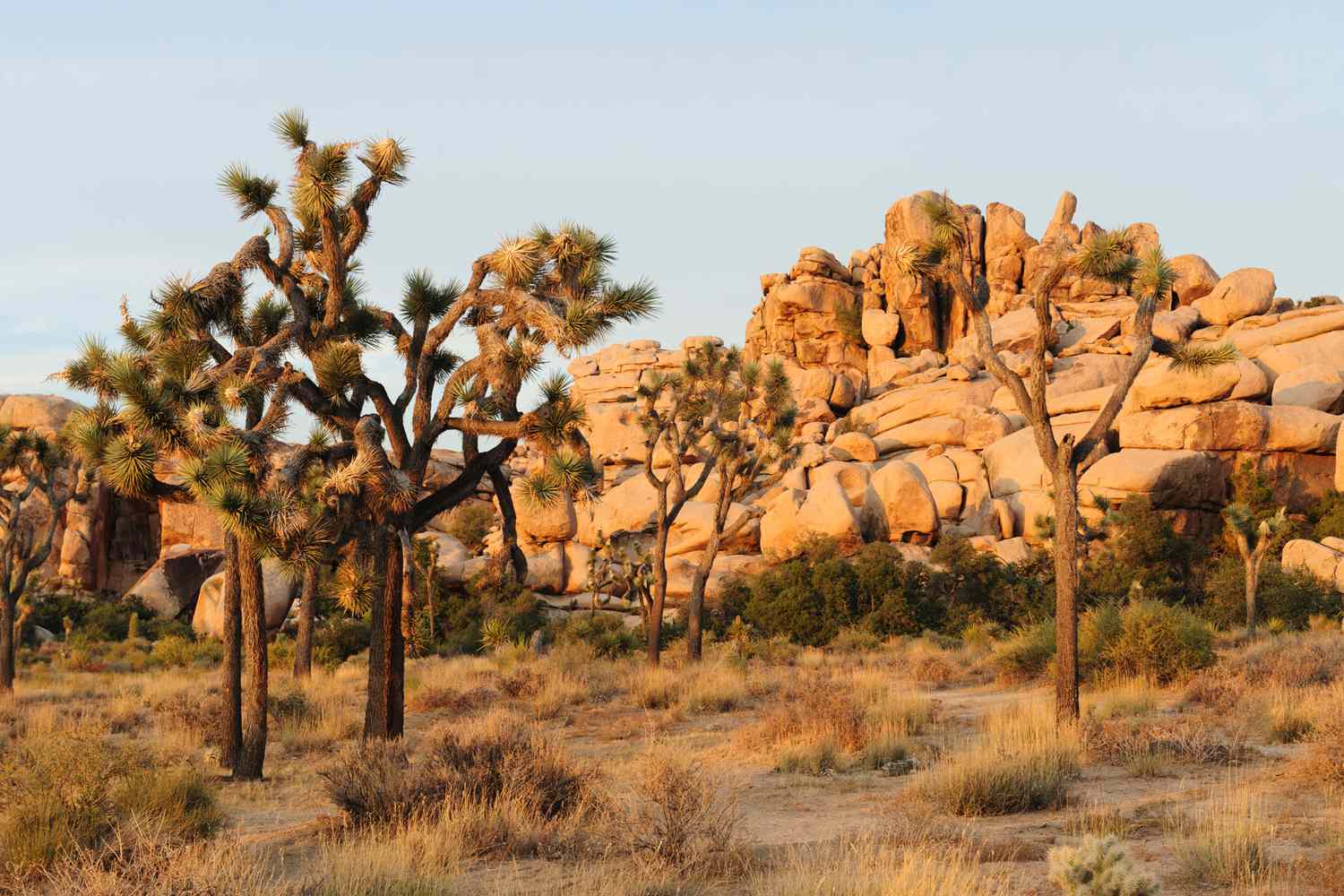
This expansive park, nearly 800,000 acres, showcases diverse desert ecosystems, including the unique Joshua tree forests, dramatic rock formations, a striking cholla cactus garden, and habitats for native wildlife such as bighorn sheep and tortoises.
The optimal times to experience Joshua Tree National Park are during the spring and fall, offering pleasant temperatures ideal for exploration and the chance to witness the ephemeral desert wildflowers and cactus blooms. Its remote location and clear skies also make it an exceptional destination for stargazing, with designated viewing areas and the advantage of being an International Dark Sky Park.
How to Get There
International travelers typically arrive via Palm Springs International Airport (PSP), approximately one hour from the park, or Los Angeles International Airport (LAX), about a three-hour drive. A rental car is essential for accessing the park, and it is strongly advised to refuel your vehicle before entering, as no gas stations are available within the park boundaries.
Know Before You Go
Preparation is paramount for visiting Joshua Tree National Park. Visitors should always inform someone of their itinerary, carry ample water, and pack nutrient-rich snacks, especially during warmer months. For safety, consider bringing an emergency beacon. Always check the official park website for current trail closures and alerts before your visit.
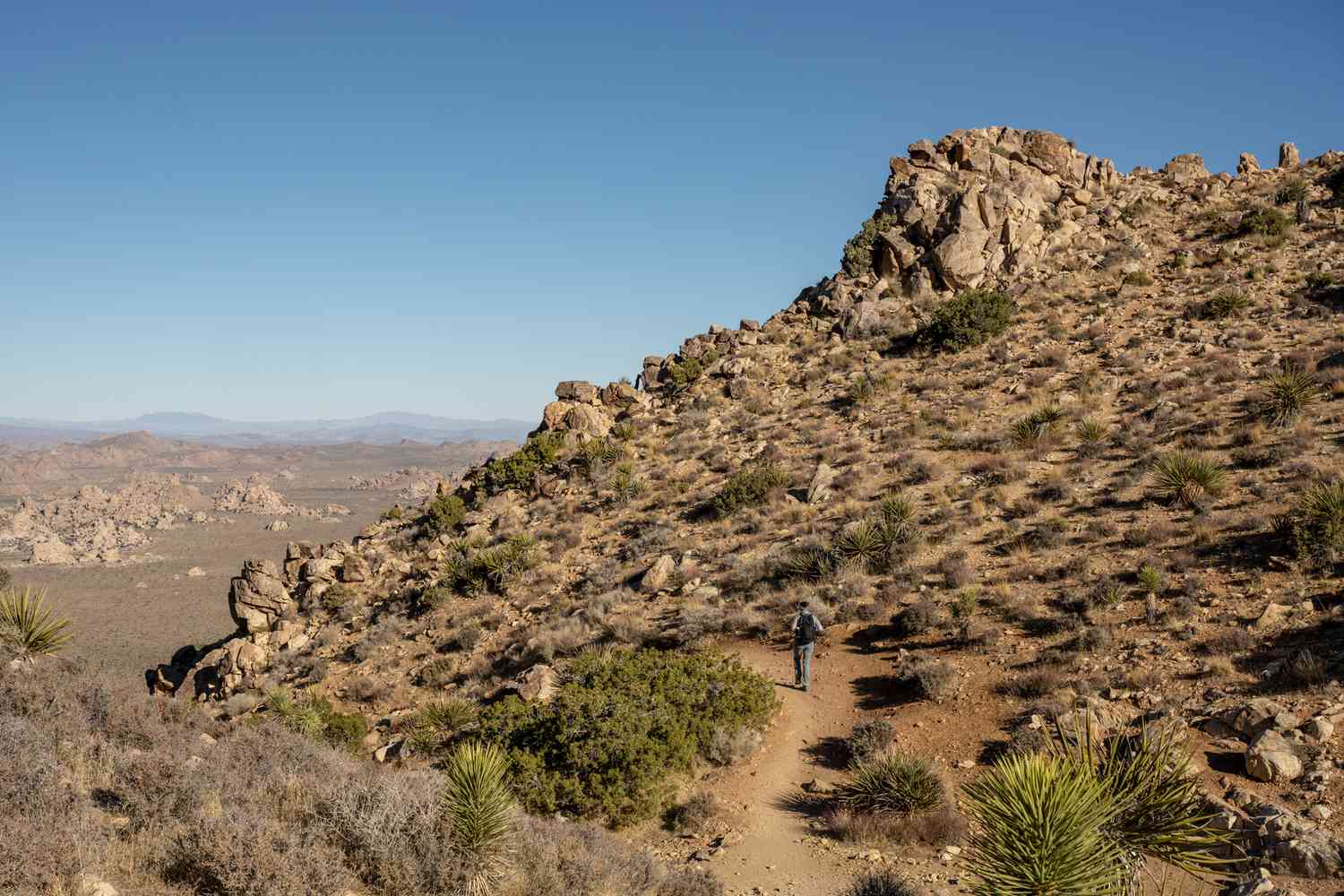
Respect for the desert’s delicate ecosystems is paramount. Adopt a “leave no trace” philosophy, ensuring all trash is packed out, as discarded food can attract opportunistic ravens, impacting the desert tortoise population. Pets must remain leashed and are not permitted on park trails. Visitors are also urged to refrain from collecting rocks, as they are vital for the shelter and survival of desert species and contribute to soil stability.
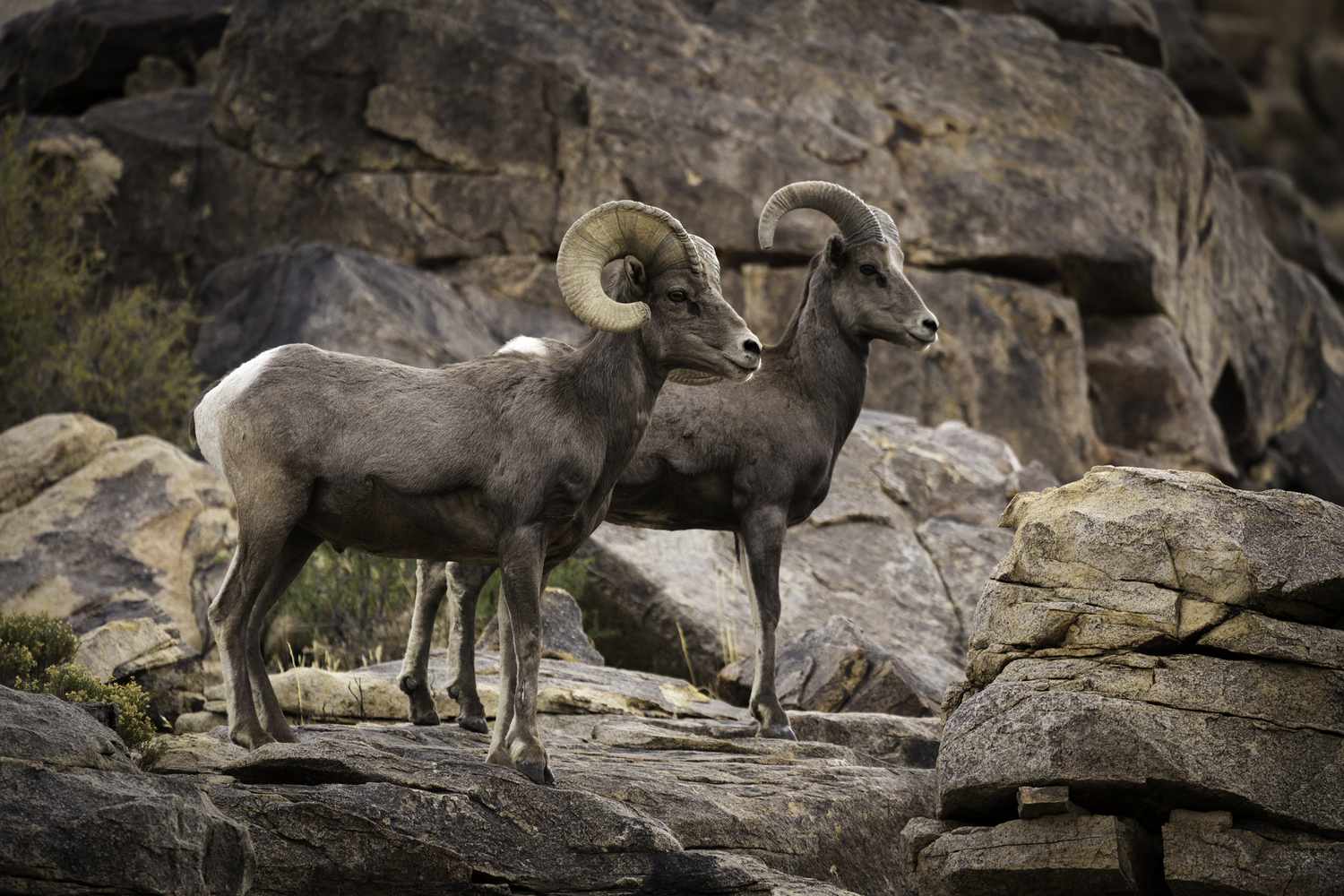
When encountering wildlife such as bighorn sheep or desert tortoises, maintain a respectful distance and never attempt to feed them. If a tortoise is in danger on a roadway, assist it across in the direction it was heading, using gloves or fabric and ensuring it is placed in a shaded area. Handling tortoises is illegal under the Endangered Species Act.
Exercise caution when hiking, particularly near rattlesnakes and cacti. Lightly stomp your feet to alert snakes of your presence and be mindful of cholla cactus spines, which can easily attach to clothing.
Before departing, thoroughly check clothing and footwear for hitchhiker seeds of invasive plant species. Removing these seeds helps prevent their spread throughout the delicate desert environment.
Best Time to Visit
Joshua Tree National Park is accessible year-round, but spring and fall offer the most agreeable weather for exploration. To avoid peak crowds, consider visiting in the shoulder seasons, such as late February or late April. Springtime, particularly April, may present opportunities to witness the park’s captivating wildflowers and cactus blooms.
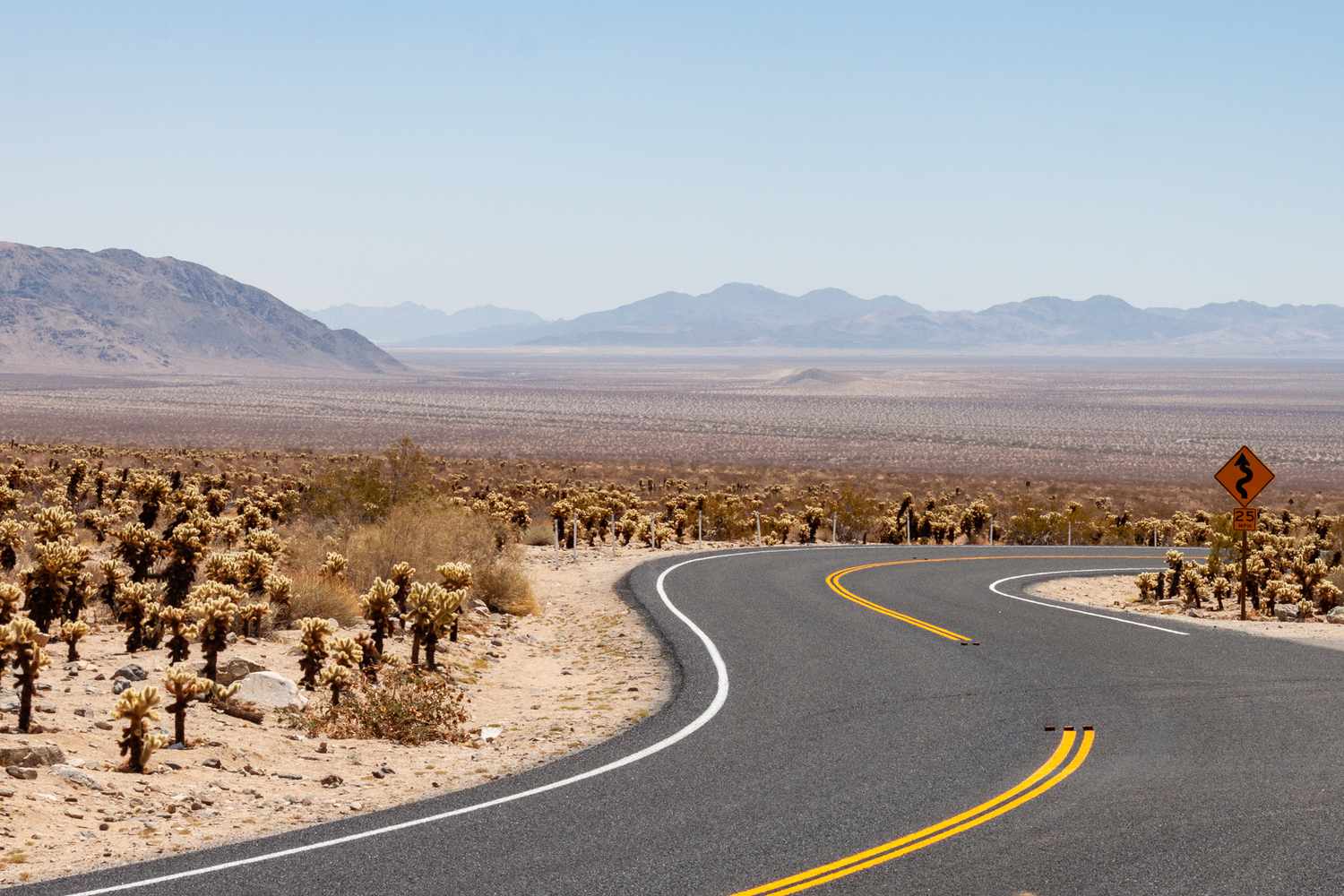
Weather can be unpredictable; temperatures can fluctuate significantly, and Santa Ana winds can create colder conditions from fall through spring. Packing layers, including windbreakers and potentially a rain jacket, is recommended regardless of the season.
Best Things to Do
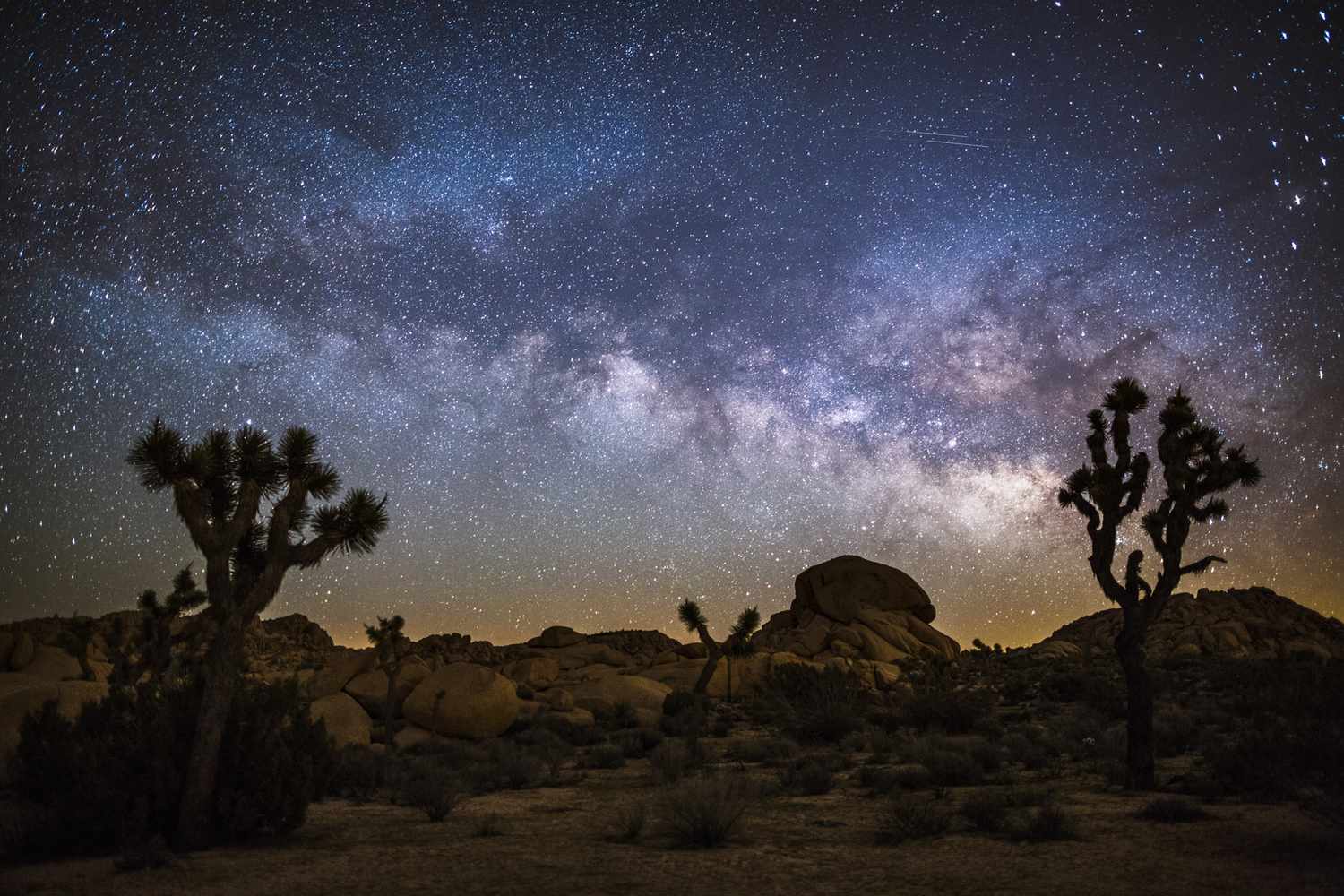
The park offers exceptional opportunities for rock climbing and bouldering amidst its unique geological formations. The 24-hour access allows for superb stargazing, with four designated viewing areas providing clear views of the night sky.
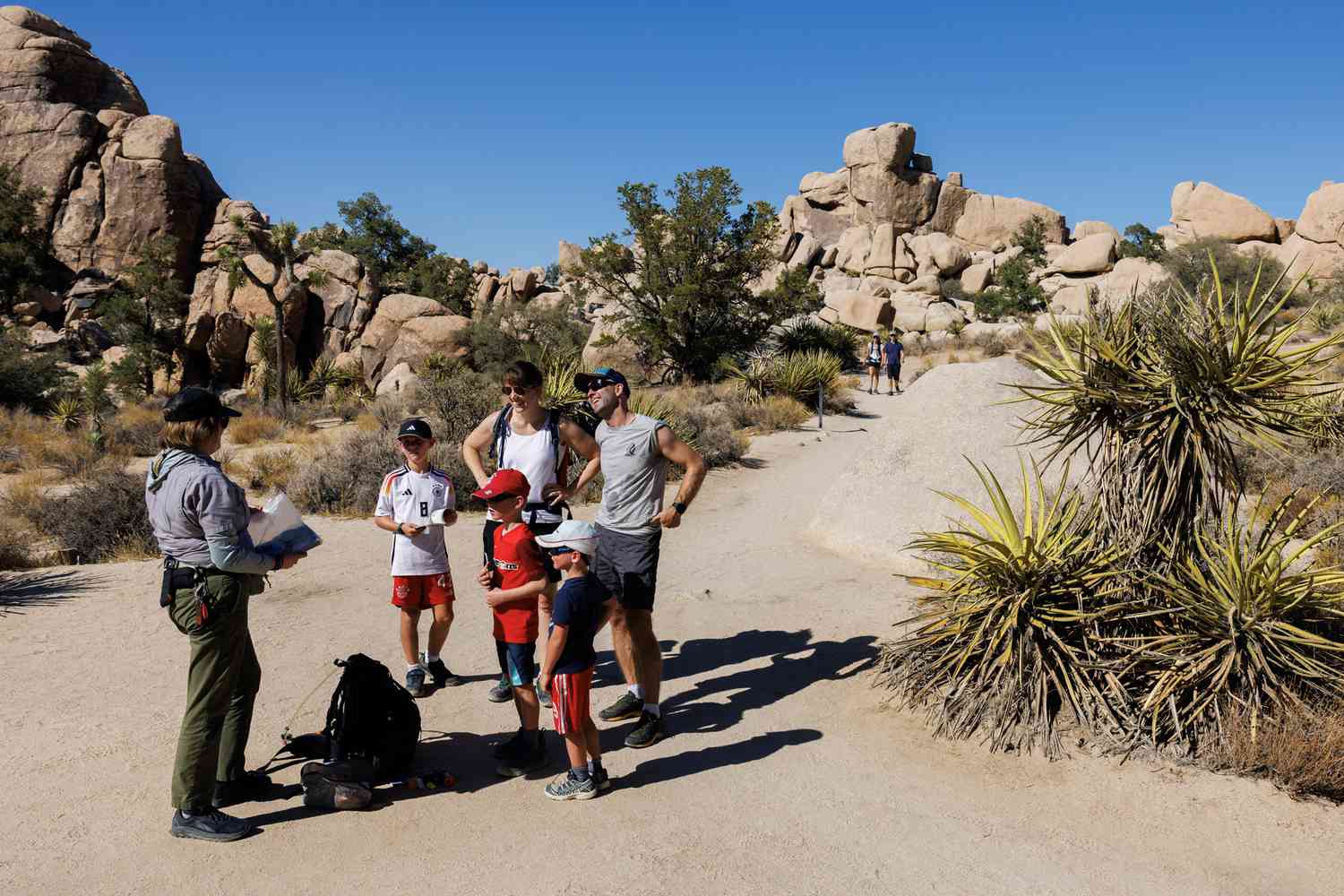
Engage with the park’s natural and cultural history through ranger-led programs and guided tours. Specialized tours focus on native flora and fauna, or adventure excursions such as hiking and climbing.
Numerous hiking trails cater to various fitness levels, from short scenic loops to more challenging ascents. Downloading the NPS app is recommended for access to interactive trail maps.
Best Hikes
For a strenuous hike with rewarding panoramic views, the Ryan Mountain trail offers a challenging ascent with significant elevation gain.
The Hidden Valley trail, a popular one-mile loop, provides accessible sightseeing and scrambling opportunities around impressive rock formations.
The Barker Dam trail, a relatively easy 1.1-mile loop, combines historical interest with striking desert scenery and rock formations.
The Cottonwood Spring trail system offers a more immersive experience with towering walls, ideal for bird-watching and observing diverse desert flora.
Places to Stay
The area surrounding Joshua Tree offers a variety of upscale accommodations. Private vacation rentals (Airbnbs) provide spacious retreats, some featuring desert acreage and heated pools. Boutique hotels like the Joshua Tree Inn and 29 Palms Inn offer unique local charm, while the minimalist Reset Hotel provides modern modular rooms near the park’s north entrance.
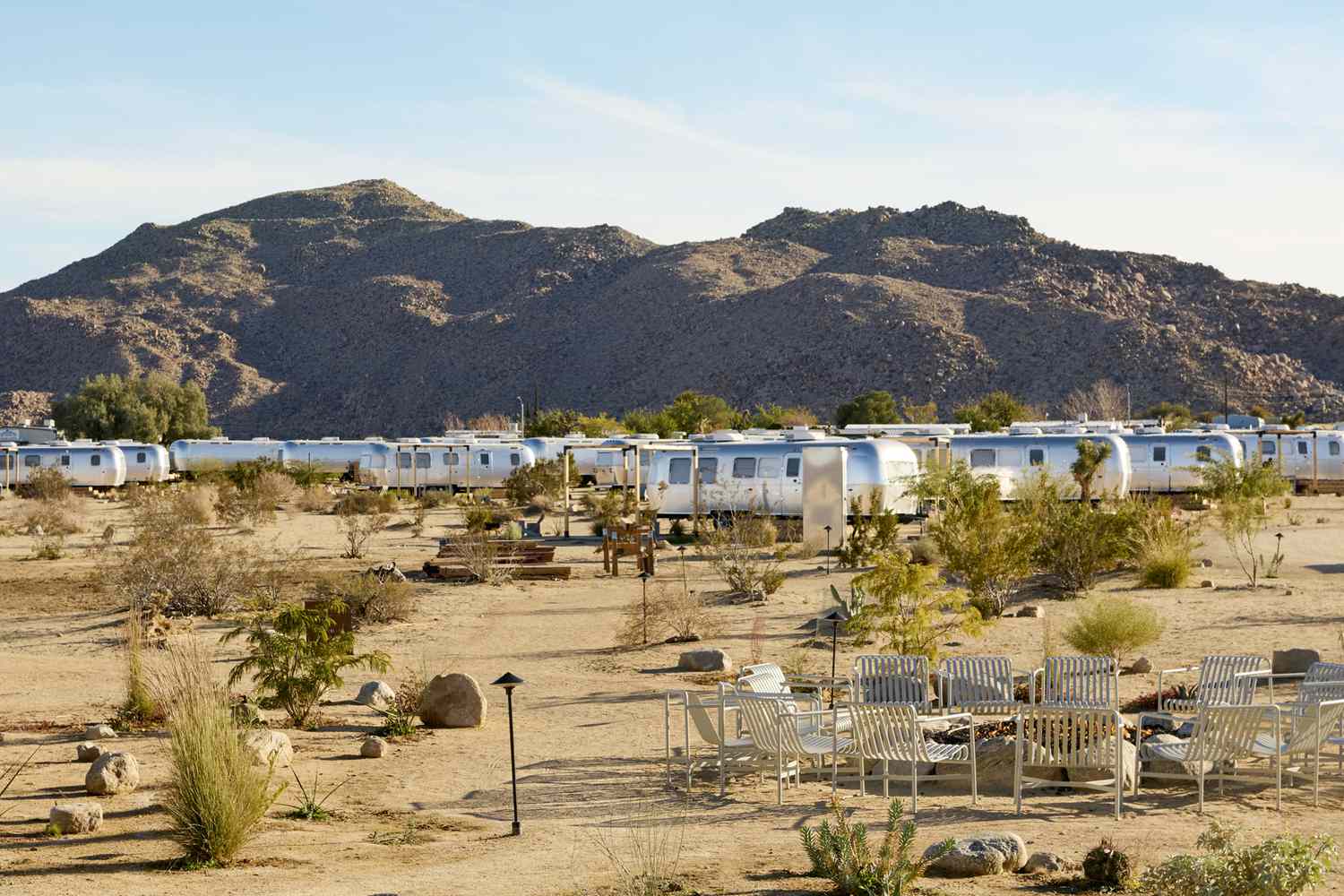
For a luxurious glamping experience, AutoCamp offers accommodations in well-appointed Airstream trailers featuring kitchenettes and private baths, complete with a communal pool and social spaces.
Within Joshua Tree National Park, 500 campsites are available, with most requiring advance reservations made up to six months prior via recreation.gov. Popular campgrounds include Ryan Campground and Hidden Valley. Securing reservations is highly recommended, especially during peak seasons.
Places to Eat
La Copine is celebrated as an exceptional dining destination, offering a seasonal menu of creative, globally inspired dishes and excellent cocktails. Reservations are recommended and can be made via text up to a month in advance.
Crossroads Cafe provides a relaxed atmosphere for hearty meals, from breakfast favorites like huevos rancheros to satisfying sandwiches and quesadillas for dinner.
For authentic Mexican cuisine and expertly crafted cocktails, Delicias Mexican Cuisine in Desert Hot Springs is a worthwhile excursion. Sharing plates like nachos and queso fundido is encouraged.

Business Style Takeaway: Joshua Tree National Park offers a unique blend of natural splendor and serene isolation, ideal for executives seeking to disconnect and recharge. The park’s dramatic landscapes and dark skies provide a backdrop for contemplative retreats, while nearby luxury accommodations and acclaimed dining options ensure comfort and sophisticated downtime after days spent exploring.
Details can be found on the website : www.travelandleisure.com