

The significance of omega-3 fatty acids is widely recognized, yet a substantial portion of the population falls short of optimal intake. For women navigating their 40s and beyond, a heightened focus on ensuring adequate consumption of EPA and DHA—the two primary omega-3 fatty acids—becomes particularly crucial.
This increased attention is warranted for several key health benefits, and understanding how to bolster intake is essential.
Cardiovascular Protection
As women approach and enter their 40s, hormonal shifts, particularly fluctuations in estrogen during perimenopause, can subtly impact cardiovascular health. These changes may lead to increases in cholesterol, triglycerides, and blood pressure, even in individuals who maintain generally healthy lifestyles. Estrogen plays a protective role by promoting blood vessel elasticity and supporting healthy lipid profiles. A decline in estrogen can therefore elevate the risk of cardiovascular disease.
The anti-inflammatory properties inherent in omega-3s can serve as a valuable countermeasure, helping to mitigate these adverse effects and support vascular health. Scientific evidence suggests that individuals with higher omega-3 consumption, whether through dietary sources like fatty fish (e.g., salmon, sardines) or quality supplements, tend to exhibit more favorable cholesterol levels and improved blood circulation, both vital factors in reducing the risk of cardiac events and stroke.

Cognitive Function and Dementia Risk Mitigation
Omega-3 fatty acids, particularly DHA, are instrumental in maintaining optimal brain function and memory retention. Furthermore, they play a role in protecting against age-related cognitive decline, including conditions such as dementia and Alzheimer’s disease.
Research indicates that regular omega-3 supplementation is associated with a significantly lower risk of developing Alzheimer’s. Additionally, large-scale analyses suggest a correlation between higher omega-3 intake and a reduced risk of dementia or general cognitive decline.
It is important to note that the pathological changes underlying cognitive decline can commence in one’s 40s, often preceding the manifestation of symptoms. This underscores the critical importance of proactive cognitive health strategies during midlife.
Potential Alleviation of Hot Flashes
A significant majority of women experience hot flashes, with onset frequently occurring in their mid-to-late 40s. Emerging research suggests that omega-3 supplementation may offer a tangible reduction in the frequency of these vasomotor symptoms.
One clinical study involving women aged 40 to 55 reported a notable decrease in hot flash occurrences after an 8-week period of omega-3 supplementation, translating to approximately 1.6 fewer episodes per day.
Strategies for Enhancing Omega-3 Intake
Increasing your intake of omega-3 fatty acids can be achieved through two primary avenues: dietary adjustments and supplementation.
Fatty fish stands out as the most bioavailable dietary source of EPA and DHA. For instance, a modest serving of salmon can provide a substantial amount of these essential fatty acids, with anchovies and mackerel also being excellent choices. Incorporating at least two servings of these oily fish per week is advisable.
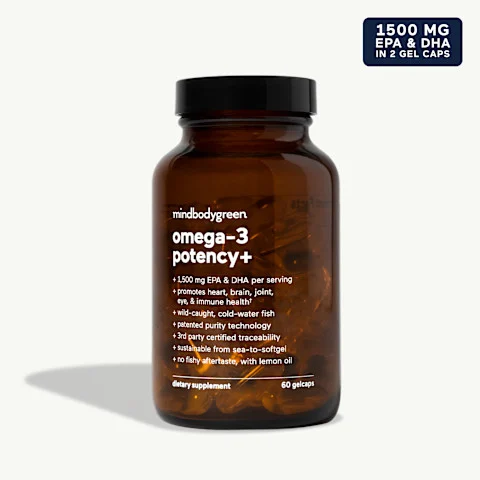
For those seeking a more concentrated and consistent delivery of omega-3s, high-quality supplements offer an efficient solution. To achieve the therapeutic benefits discussed, aiming for a daily intake of 1,000 to 2,200 milligrams of combined EPA and DHA is recommended.
Conclusion
Addressing emerging health considerations and implementing preventative measures during one’s 40s can feel complex. Establishing foundational wellness practices, such as enhancing omega-3 intake through both diet and a reputable supplement, provides a straightforward yet impactful starting point for improved health and vitality.
Business Style Takeaway: Integrating adequate omega-3 fatty acids, through diet or supplementation, can significantly enhance executive focus and resilience by supporting cardiovascular and cognitive health. This proactive approach to well-being can lead to improved stress management and sustained long-term productivity in demanding professional environments.
Details can be found on the website : www.mindbodygreen.com