


Google’s New AI Agents: A Glimpse into the Future of Web Interaction, But With Caveats
Google’s recent developer conference showcased a significant evolution in how consumers can interact with the web through the introduction of AI agents. While promising, the presentation left certain aspects ambiguous, particularly concerning their practical application and accessibility.
Information Agents: An AI-Powered Evolution of Alerts
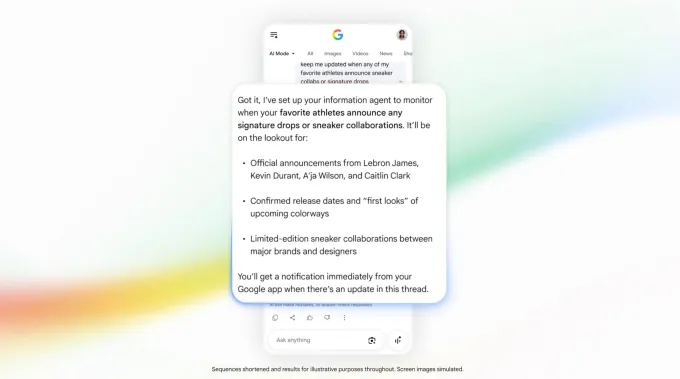
A key announcement was the reimagining of Google Alerts into “information agents.” These AI-driven entities are designed to operate proactively in the background, continuously monitoring specified topics of interest for users. Potential applications include tracking market trends, monitoring price fluctuations, and providing timely weather alerts. This represents a fundamental shift from passive notifications to an active, intelligent information gathering system.
Gemini Spark: Personalized Assistance Across Google’s Ecosystem
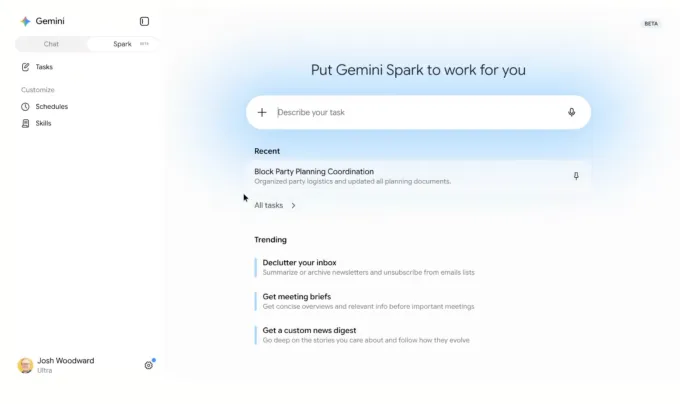
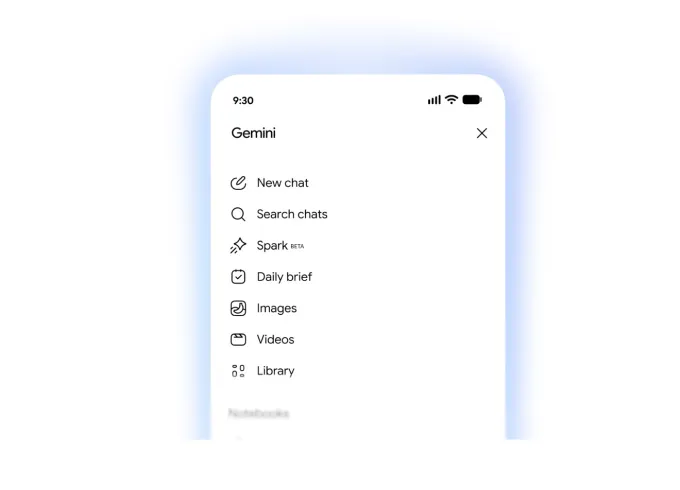
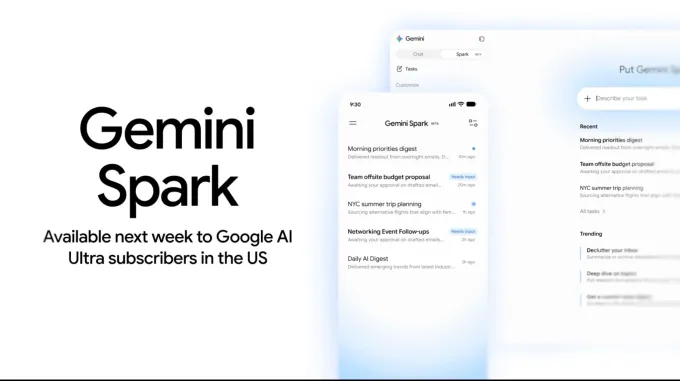
The introduction of Gemini Spark positions it as a “personal” AI agent capable of streamlining users’ digital lives by integrating with core Google products like Gmail, Google Docs, and Google Workspace. Its proposed functionalities include summarizing newsletter themes, managing home inventory, tracking restocking needs, and assisting with group trip planning. While the potential utility is clear, the demonstration of its use for tasks like organizing a neighborhood block party, which could arguably be managed through simpler communication channels, raised questions about the perceived necessity for such advanced AI in everyday scenarios.
Introducing Android Halo and Daily Brief
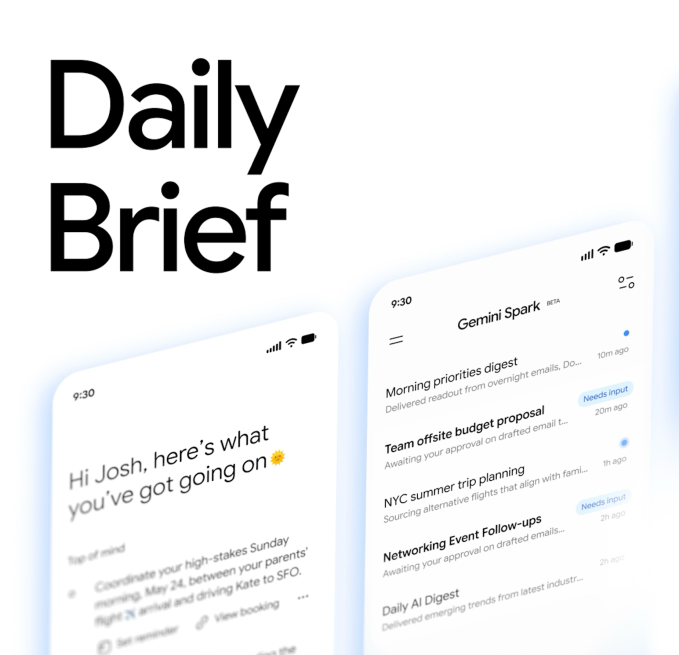
Further extending the AI agent concept, Google unveiled “Android Halo” as the mechanism for tracking notifications from Spark. The rationale behind a separate branding for an Android-specific feature was noted as potentially stemming from internal product team competition, though it risks user confusion. Additionally, Gemini’s app will feature an AI agent that compiles a “Daily Brief,” a personalized digest derived from users’ Gmail inboxes, calendars, and tasks.

Strategic Rollout and Tiered Access
Many of these AI agent functionalities are not immediately available to all users. Google is initially targeting its premium subscribers, specifically those on the $100-per-month “Google Ultra” plan, for early access. Information agents will be available to U.S. Pro and Ultra subscribers in the summer, with Spark rolling out to Ultra subscribers “soon” and Halo expected later in the year. The Daily Brief is being released to Ultra, Pro, and Plus subscribers in the U.S.
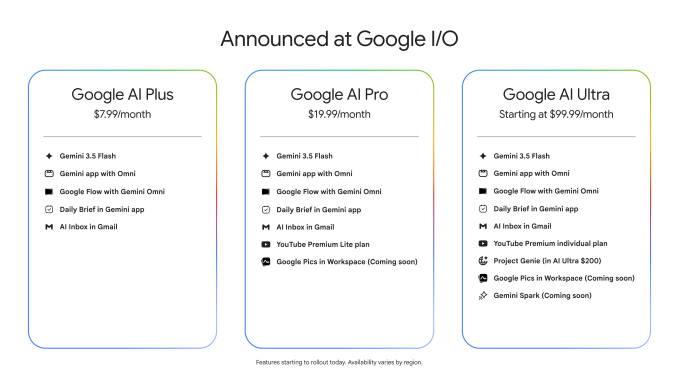
Google stated that agentic features will eventually be extended to free users, but the immediate focus is on iterating with engaged subscribers who are likely to push the boundaries of these new capabilities. This tiered approach highlights a strategy of cultivating a core user base for advanced AI features before wider public release.
The Consumer Perception Gap
The extensive rollout of AI features across numerous entry points, from browser integration to personal agents, risks overwhelming average consumers. Public perception of AI currently tends to lean towards chatbots and image generation tools, often associated with concerns about job displacement and the proliferation of misinformation (“AI slop”). Google’s presentation, with its focus on creative AI applications and even AI-generated content, may inadvertently reinforce these existing anxieties rather than demonstrate tangible benefits for everyday users.
The narrative around AI agents could be reframed to emphasize their potential to reduce screen time and allow users to engage more with offline life. However, by focusing on advanced integrations and limiting early access to paid tiers, Google risks widening the perception gap between the promise of AI and the real-world concerns of average consumers, who are already grappling with technological advancements perceived as burdens.

The contrast between Google’s historical approach of introducing universally accessible, problem-solving tools like Gmail and Search, and its current strategy of segmenting AI features by subscription tier, is stark. This commercialization and fragmentation may undermine the potential for AI agents to be perceived as revolutionary advancements, instead framing them as premium add-ons or even curiosities.
The Messaging-First AI Alternative
While Google focuses on ecosystem integration, newer AI startups are prioritizing more direct and naturalistic interactions through messaging platforms. Companies like Poke, Poppy, RPLY, and Wingman are positioning their AI agents as accessible via everyday text messaging, a strategy that resonates with a desire for simpler, more intuitive AI interactions. The tentative response from Google regarding Spark’s future messaging capabilities suggests a potential gap in addressing this user preference.
The current strategy deviates significantly from Google’s foundational principle of democratizing access to powerful tools. By limiting the reach and perceived utility of its AI agents, Google may miss an opportunity to establish them as essential components of the digital landscape, much like Gmail or Search did in their inception.
Business Style Takeaway: Google’s strategy of tiering AI agent access highlights a shift towards monetizing advanced features, potentially creating a competitive disadvantage against more accessible, messaging-centric AI solutions. Businesses should monitor how this segmentation impacts user adoption and brand perception, as simplified, universally available AI tools may ultimately capture broader market appeal.
Details can be found on the website : techcrunch.com