

In the evolving political landscape of Los Angeles, incumbent Mayor Karen Bass is steadfastly focusing on her re-election campaign, largely unfazed by the unconventional challenge posed by reality television personality Spencer Pratt. While Pratt’s entry into the mayoral race has garnered significant donor attention and media coverage, Bass maintains that his candidacy has not prompted any self-reflection regarding her own performance or public perception.
Navigating the Production Crisis
Bass’s strategy ahead of the June 2 primary election centers on highlighting her administration’s efforts to combat the significant decline in film and television production within the city. Her first term, supporters argue, saw a series of proactive measures, including the establishment of an industry council, the implementation of executive orders to streamline production processes, direct intervention in production challenges, and advocacy for the state’s expanded $750 million tax credit program, a key legislative win in 2025.
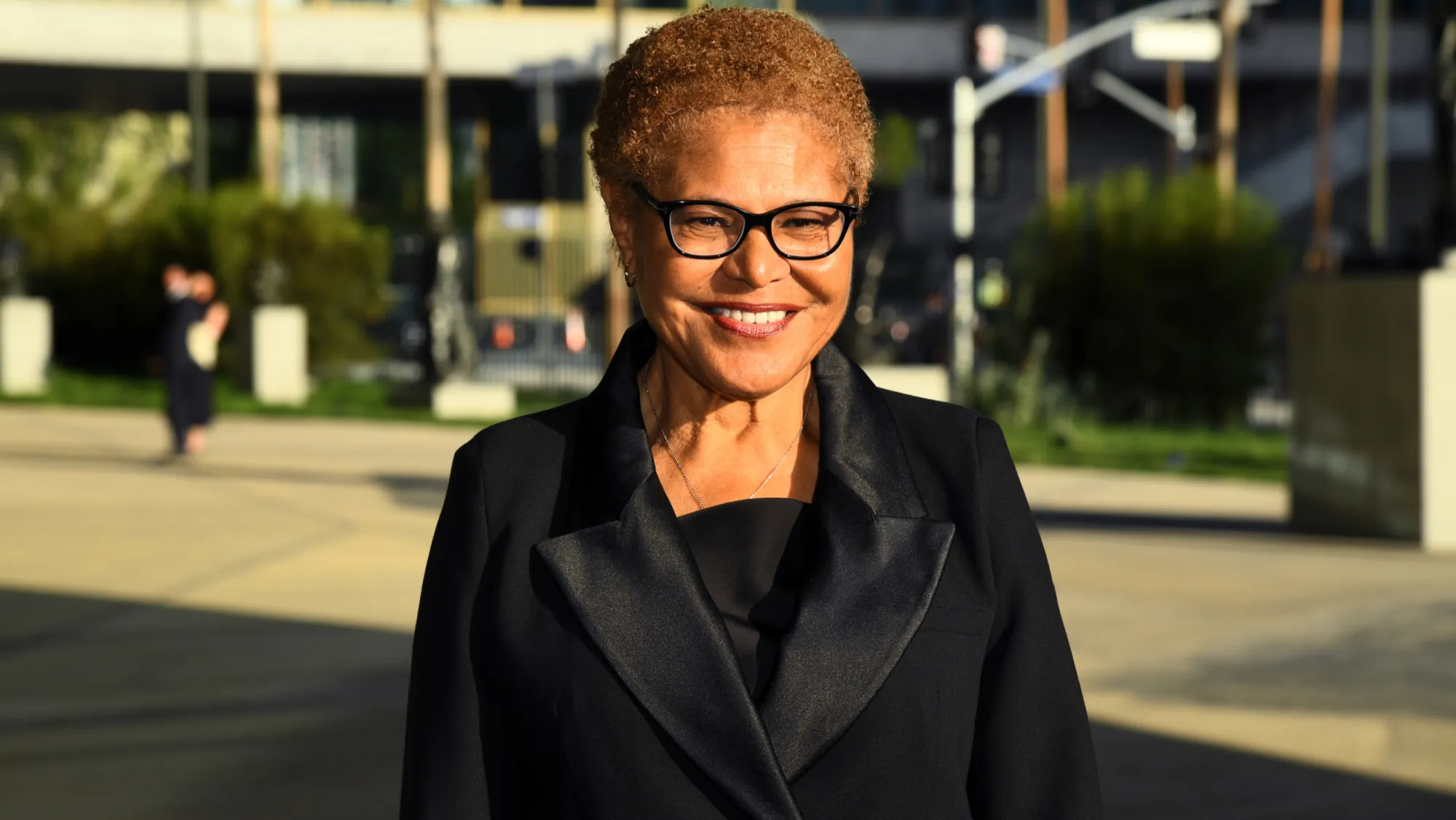
Looking forward, Bass has pledged to advocate for the removal of caps on California’s film and TV tax credit, aligning with similar proposals from opponent Nithya Raman. Furthermore, she has expressed support for a federal tax incentive for film production. Her recent endorsement from Hollywood crew unions, highlighted in a speech at Sunset Gower Studios, underscores her commitment to continued collaboration with industry labor forces.
Industry Criticism and Strategic Defense
Despite these efforts, Bass faces criticism from both Raman and Pratt. Raman argues that the mayor’s appointment of a film liaison in 2025 was an insufficient response to years of job losses. Pratt, leveraging support from business leaders, has characterized the tax credit initiatives by Bass and Governor Newsom as merely superficial solutions to a deeper systemic issue plaguing the industry.
In response to these critiques, Bass articulated her multi-pronged approach to retaining production. This includes ongoing local efforts to reduce production costs and simplify filming procedures by eliminating bureaucratic hurdles. She emphasized the importance of evaluating the efficacy of these measures and making necessary adjustments.
Bass also highlighted the value of her established relationships within the entertainment industry and her previous experience in state and federal government, which facilitate quicker and more impactful engagement with key stakeholders. She acknowledged the input she receives from a wide network of individuals, including family members with deep roots in the entertainment sector.
When questioned about potential areas for improvement in her first term regarding production, Bass suggested that further cost reductions and bureaucratic reforms could have been explored. She indicated that these would be identified and pursued as existing policies demonstrate their impact.
Addressing Long-Standing Issues
Addressing the longevity of the production exodus issue, Bass noted her past contributions, including securing initial state tax credits and focusing on intellectual property legislation during her time in Congress, which she described as significant, albeit less visible, efforts to protect the industry.
Regarding the reform of “special neighborhood conditions” for location filming, an issue championed by opponent Nithya Raman, Bass expressed skepticism about Raman’s ability to enact change given her tenure on the council without introducing significant proposals. Bass affirmed the necessity of reviewing these conditions, while also noting that some neighborhoods actively seek production. Bass also addressed the revitalization of Hollywood Boulevard, pointing to successful efforts in clearing encampments in collaboration with Councilmember Soto-Martinez, and committed to ongoing management of the issue with a focus on housing solutions rather than displacement.
When asked about her preferred opponent in a potential runoff, Bass deflected, stating her primary goal is to secure victory in the initial June 2 vote, thus avoiding the need to choose an opponent.
Bass unequivocally dismissed the feasibility of Spencer Pratt’s campaign promises, particularly those concerning production subsidies and homelessness policy, labeling them as unrealistic.
Regarding her past support for Nithya Raman’s re-election and Raman’s subsequent decision to run against her, Bass suggested that such political shifts are secondary to the current electoral challenges, characterizing Raman as inconsistent in her political stances.
On the matter of Casey Wasserman and the 2028 L.A. Olympics, Bass clarified that while she called for his resignation amid the Epstein files scandal, Wasserman’s position is determined by the LA28 Olympic Committee’s board, an independent entity. Bass affirmed her commitment to working collaboratively with LA28 to ensure the success of the games.
In her personal time, Bass unwinds by watching sitcoms, citing “The Neighborhood” as a favorite.
Business Style Takeaway: Mayor Bass’s campaign strategy reflects a pragmatic approach, prioritizing established relationships and demonstrable policy actions over reacting to unconventional challengers. The entertainment industry’s reliance on political advocacy for incentives and regulatory relief continues to be a critical factor, with leaders like Bass leveraging their experience to navigate these complex dynamics for future economic stability.
Information compiled from materials : www.hollywoodreporter.com