

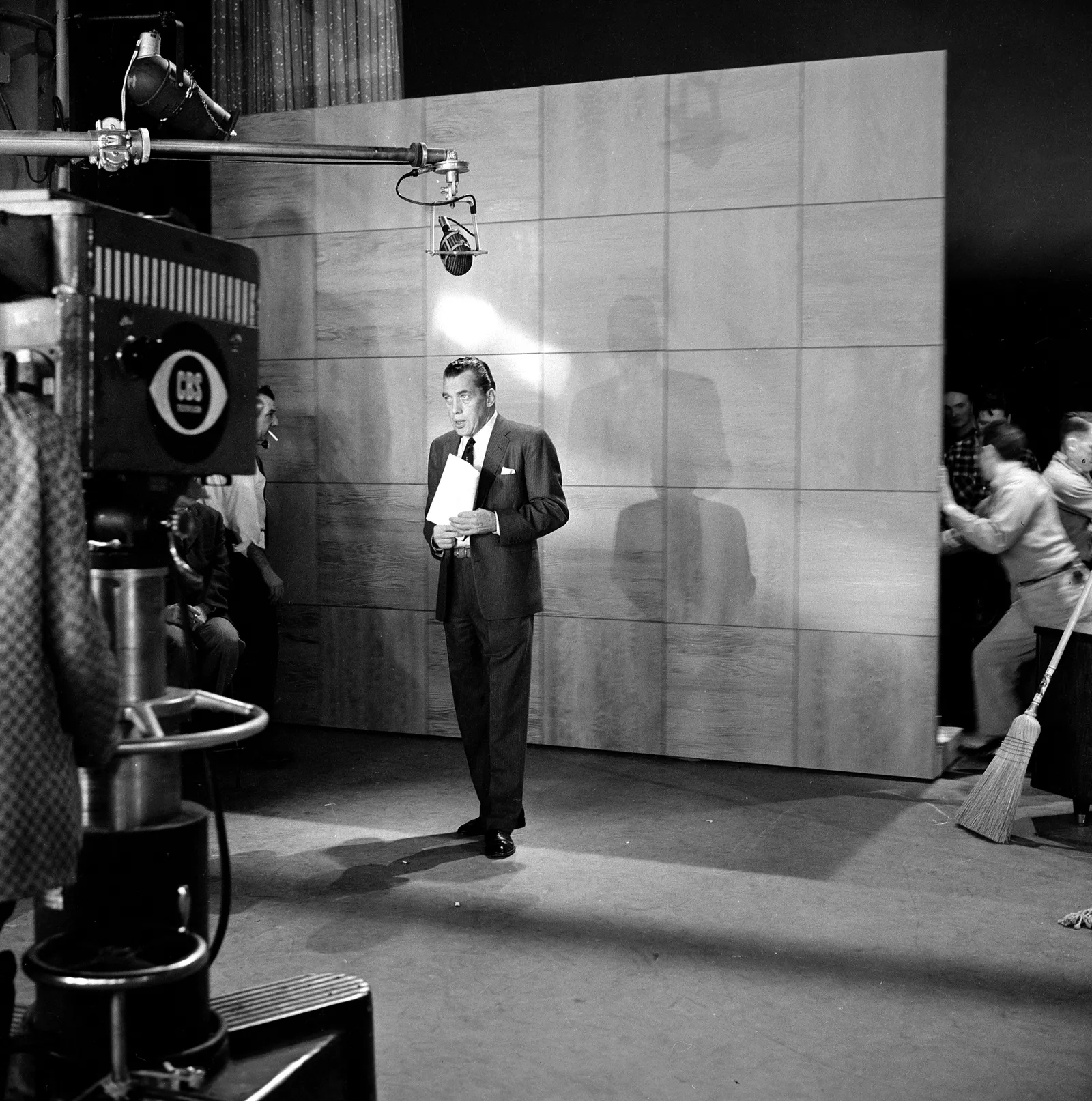
The iconic Ed Sullivan Theater, a New York City landmark, has served as the vibrant backdrop for “The Late Show with Stephen Colbert” for 33 years. Originally constructed in 1927 by architect Herbert J. Krapp as Hammerstein’s Theater, its storied history spans Broadway performances, radio broadcasts, and television productions before becoming the distinguished home of late-night television.
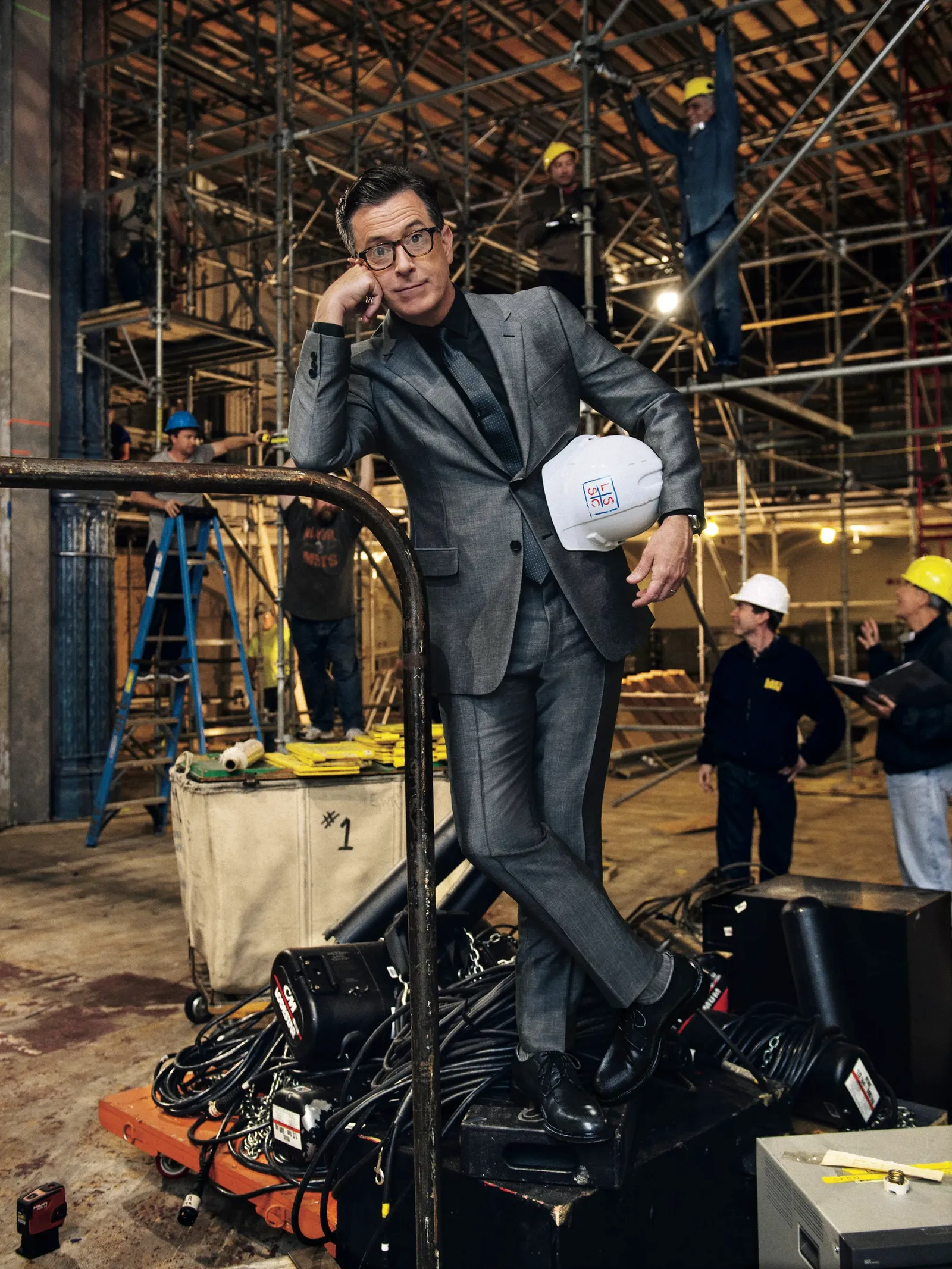
The theater’s architectural narrative is a compelling blend of Gothic grandeur and modern adaptability. Its conversion into a television studio in 1949, and subsequent renaming to the Ed Sullivan Theater, marked a pivotal moment in its evolution. When Stephen Colbert assumed the host’s chair in 2015, production designer Jim Fenhagen meticulously reimagined the space, honoring its rich heritage while infusing it with contemporary flair.
Restoration of Historic Architectural Elements
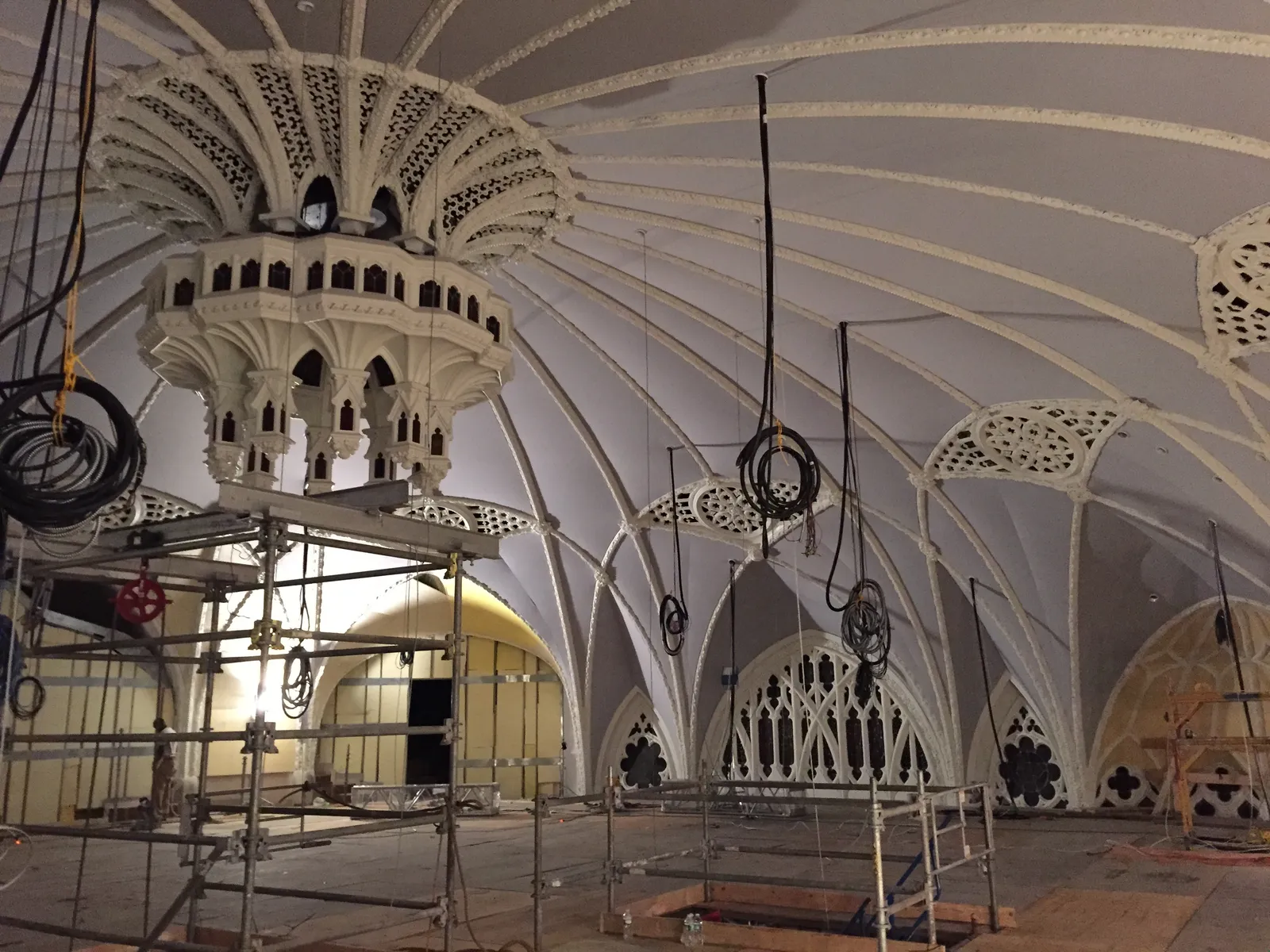
During the extensive renovations undertaken for Colbert’s tenure, a concerted effort was made to reveal and restore the theater’s original architectural splendor. A significant discovery was the uncovering of the central dome, adorned with a magnificent plasterwork and stained-glass chandelier. This ornate feature, believed to have been removed decades prior, was found to be intact. Workmen meticulously cleaned the area, unearthing historical artifacts like cigars and tickets from the mid-20th century, adding layers of tangible history to the space. Long-lost stained-glass windows were also rediscovered and subsequently refurbished, breathing new life into the theater’s foundational design.
A Dynamic Lighting Scheme Reflecting Narrative and Persona
Lighting designer Michael Scricca masterfully integrated a sophisticated lighting system, featuring customizable square panels that can shift through a spectrum of colors. These “Mondrian panels,” as Scricca terms them, are instrumental in conveying the show’s mood and themes. During interviews in the first act, they glow in an orange and blue palette, transitioning to a uniform orange in the third act. For political segments, the lighting shifts to a patriotic red, white, and blue. This dynamic approach subtly echoes Colbert’s previous show, “The Colbert Report,” where overt patriotic themes were explored. Scricca shared that for “The Late Show,” Colbert desired a similar patriotic undertone, but with a nuanced, almost clandestine presentation, inspired by a desire to “hide it in the set” reminiscent of a Soviet-era aesthetic. This led to the inclusion of a subtly rendered American flag within the set’s library, a detail Scricca considers a personal touch.

The Library: A Sanctuary of Personal Mementos and Literary Tastes
Colbert’s personal narrative is woven into the very fabric of the set, particularly within the library area. This space is curated with a collection of science fiction and fantasy literature, reflecting his deep-seated passions. Notable artifacts include a prop sword from “The Lord of the Rings,” a gift from actor Viggo Mortensen, and Captain America’s shield, a cherished item from “The Colbert Report.” Further enriching this personal gallery is a pennant from the Freedom March, a poignant reminder of his mother’s attendance at Dr. Martin Luther King Jr.’s “I Have a Dream” speech while pregnant with him. A photograph of his father also holds a place of honor, grounding the sophisticated set with familial significance.

Structural Adaptations for Memorable Performances
The Ed Sullivan Theater’s history is punctuated by remarkable structural adaptations, notably the addition of reinforced columns during the 1950s to support the weight of elephants for a Ringling Brothers circus performance on “The Ed Sullivan Show.” These “elephant columns,” now a unique architectural footnote, are commemorated with a plaque and an elephant-themed mural, serving as a testament to the venue’s capacity for grand spectacle and its enduring legacy of diverse programming.
A Grounded Personal Marker of Identity
A subtle yet profoundly personal detail in Colbert’s studio is the use of a spot marker on the floor that outlines his home state of South Carolina, adorned with its state flag design. This marker serves not only as a practical guide for his position on set but also as a constant, intimate reminder of his roots and identity. Colbert finds that this personal touch helps him remain authentic and grounded, stating that he performs best when staying true to himself.

Business Style Takeaway: The Ed Sullivan Theater’s renovation and set design for “The Late Show” exemplify how historical preservation and thoughtful personalization can elevate a space into a powerful symbol of enduring legacy and individual brand identity. This meticulous attention to architectural detail and personal narrative creates an environment that is both sophisticated and deeply authentic, enhancing the prestige of the broadcast and the persona of its host.
Based on materials from : www.architecturaldigest.com