

Recent campaign finance disclosures reveal a significant departure in political strategy, with the Spencer Pratt campaign heavily prioritizing digital engagement over traditional advertising channels. This approach signals a potential paradigm shift in how political campaigns leverage media to reach voters.
The Digital Dividend
The campaign’s expenditures show tens of thousands of dollars allocated to professional clipping services and social media outreach, a stark contrast to the conventional reliance on local television and radio spots. This focus suggests a calculated move to capitalize on the fragmented and rapid-fire nature of online content consumption.
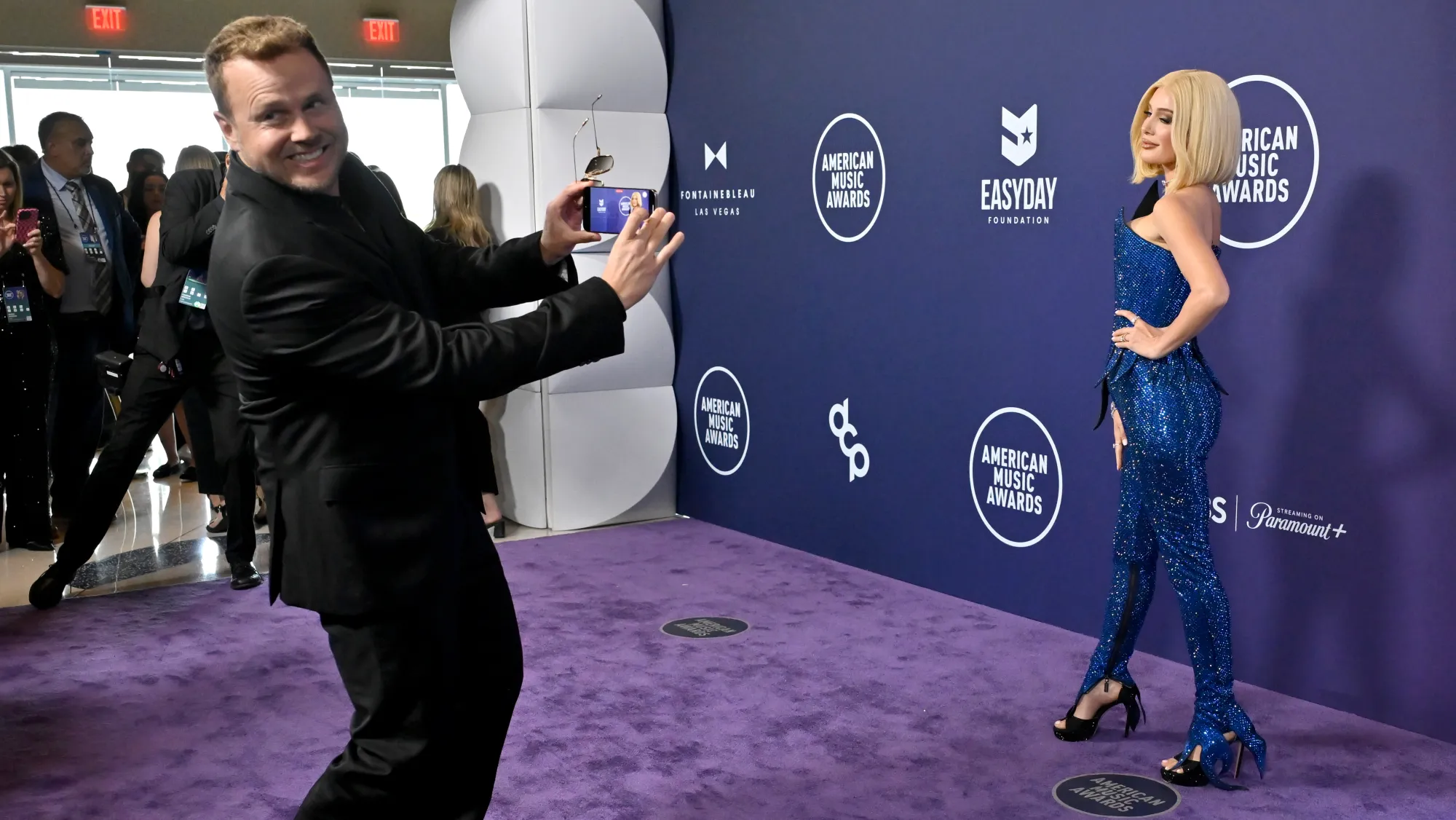
Spencer Pratt, whose public profile was initially built on reality television and subsequently amplified through a substantial social media presence, is reportedly in a strong position for the mayoral runoff. His campaign’s financial records reveal substantial payments to entities like Clipping Culture LLC ($30,025) and Cliphaus Inc. ($25,000), both specializing in extracting and disseminating viral moments from longer content for platforms such as TikTok and Instagram Reels. This strategy acknowledges the power of “clipping” as a modern-day political tool, capable of generating widespread visibility and engagement through short-form video content.
Industry Impact and AI Integration
The Pratt campaign appears to be leveraging generative AI to create and amplify content, including a widely circulated video depicting a digitally altered incumbent mayor in a manner reminiscent of “The Joker.” This integration of AI-generated visuals with social media dissemination highlights the evolving landscape of political media, where synthetic content can play a significant role in shaping public perception.
While Pratt has engaged in traditional media interviews, his paid media strategy appears to be exclusively focused on digital platforms. This contrasts sharply with his rivals, who have collectively invested approximately $2 million in traditional TV advertising, according to reports. The success of this digital-first approach, if it leads to a runoff victory, could fundamentally alter the advice given by political media consultants and redefine campaign spending priorities.
Competitive Landscape and Strategic Gambles
Incumbent Mayor Karen Bass has largely refrained from directly engaging with Pratt’s campaign, characterizing his approach as overly negative and driven by a desire for fame. However, even Bass’s supporters, including labor unions, seem to be employing digital tactics, albeit with potentially different objectives. An advertisement financed by a coalition of unions, for instance, highlighted Pratt’s policy stances and went viral across social media platforms, sparking commentary from prominent conservative figures.
This $221,000 union-funded ad, while ostensibly critical of Pratt, may have inadvertently served to boost his visibility among certain demographics, particularly conservatives. The situation underscores a potential miscalculation by Pratt’s competitors, who may be underestimating the speed and impact of social media dynamics and the effectiveness of clipping strategies in generating attention and potentially influencing voter sentiment.
Business Style Takeaway: Spencer Pratt’s campaign strategy represents a significant pivot toward digital-native engagement, demonstrating that influencer marketing and rapid-response content dissemination via clipping agencies can rival traditional media spending. This approach challenges established campaign consultants and suggests a future where authenticity and viral potential, amplified by AI, are paramount for capturing voter attention and influencing electoral outcomes.
According to the portal: www.hollywoodreporter.com