

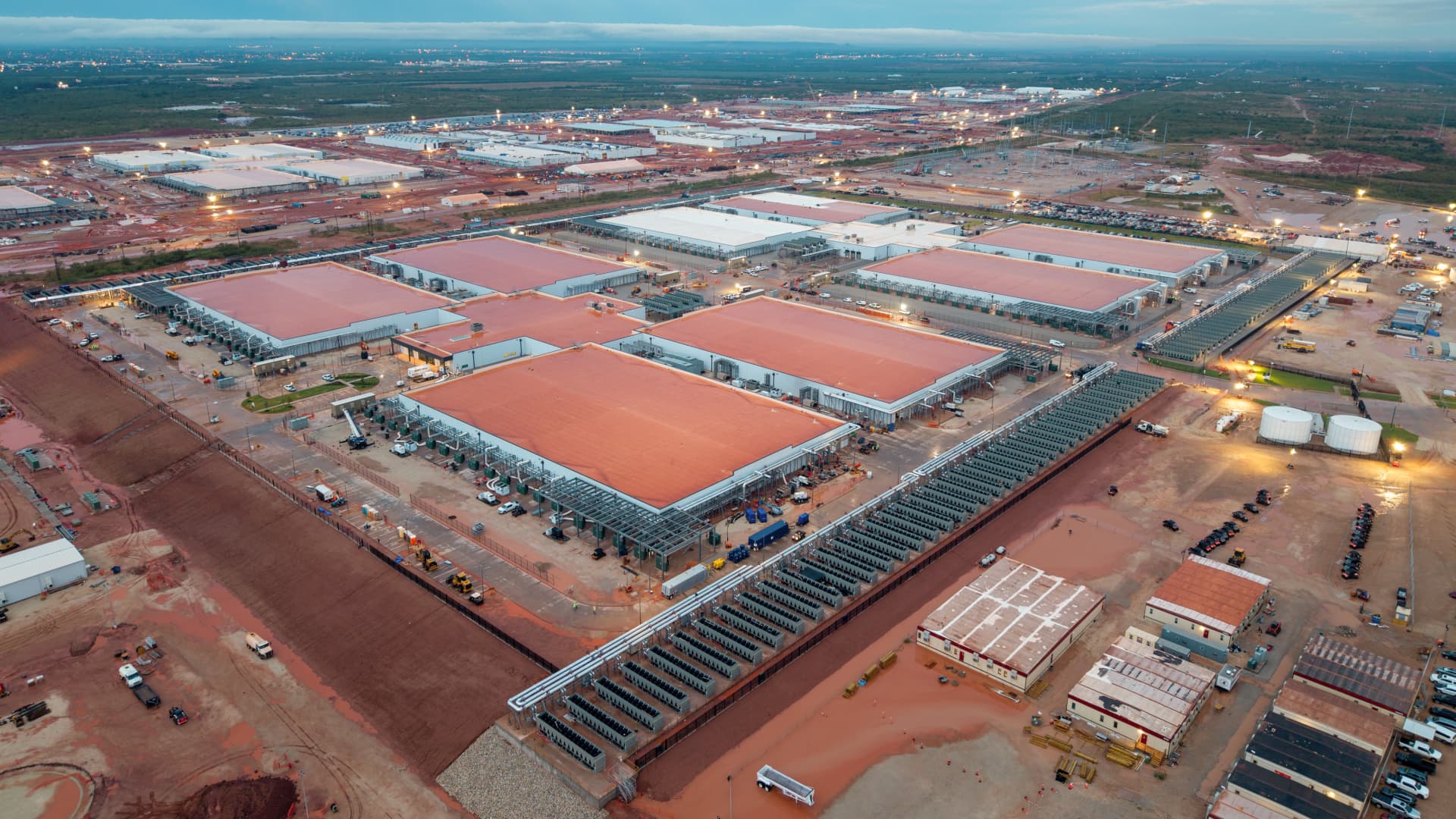
Analysts project that the current supply-demand disequilibrium in the semiconductor memory market could persist well into 2028. This extended imbalance is largely attributed to the burgeoning artificial intelligence sector and the aggressive build-out of data center infrastructure by major technology firms.
Market Reaction and ETF Performance
The recent surge in popularity of an Exchange Traded Fund (ETF) focused on Dynamic Random-Access Memory (DRAM) has elicited surprise from market observers. Todd Rosenbluth, Head of Research and Editorial at TMX VettaFi, expressed astonishment at the rapid investor adoption of this particular ETF, noting that the demand for memory chip exposure via an ETF was not preceded by a period of pent-up demand akin to that seen with Bitcoin-related investments. Rosenbluth highlighted that thematic ETFs continue to resonate with investors by providing access to companies operating within rapidly expanding industries.
Further underscoring the positive sentiment, Drew Pettit, Research Director of U.S. Equity and ETF Strategy at Citi Research, conveyed optimism regarding the continued upward trajectory of these memory-related equities. Pettit indicated that the robust price momentum is substantiated by corresponding earnings momentum. He pointed out that the United States and global markets have witnessed the most significant upward revisions in earnings expectations within this sector this year. Despite substantial price appreciation, Pettit suggested that the valuation remains attractive when considering the projected six-to-eightfold increase in earnings expectations over the coming years, deeming the investment “reasonably priced.”
While the DRAM ETF experienced some downward pressure during Friday’s trading session, it has nonetheless achieved an impressive gain exceeding 80% since its inception, reflecting strong underlying investor interest and market performance.
Business Style Takeaway: The persistent supply-demand dynamics in the semiconductor memory market, fueled by AI and data center expansion, present a long-term growth thesis for investors. The remarkable performance of memory-focused ETFs highlights the increasing investor appetite for thematic exposure to critical technology infrastructure, signaling strategic opportunities for portfolio allocation towards key semiconductor players.
Source: : www.cnbc.com