

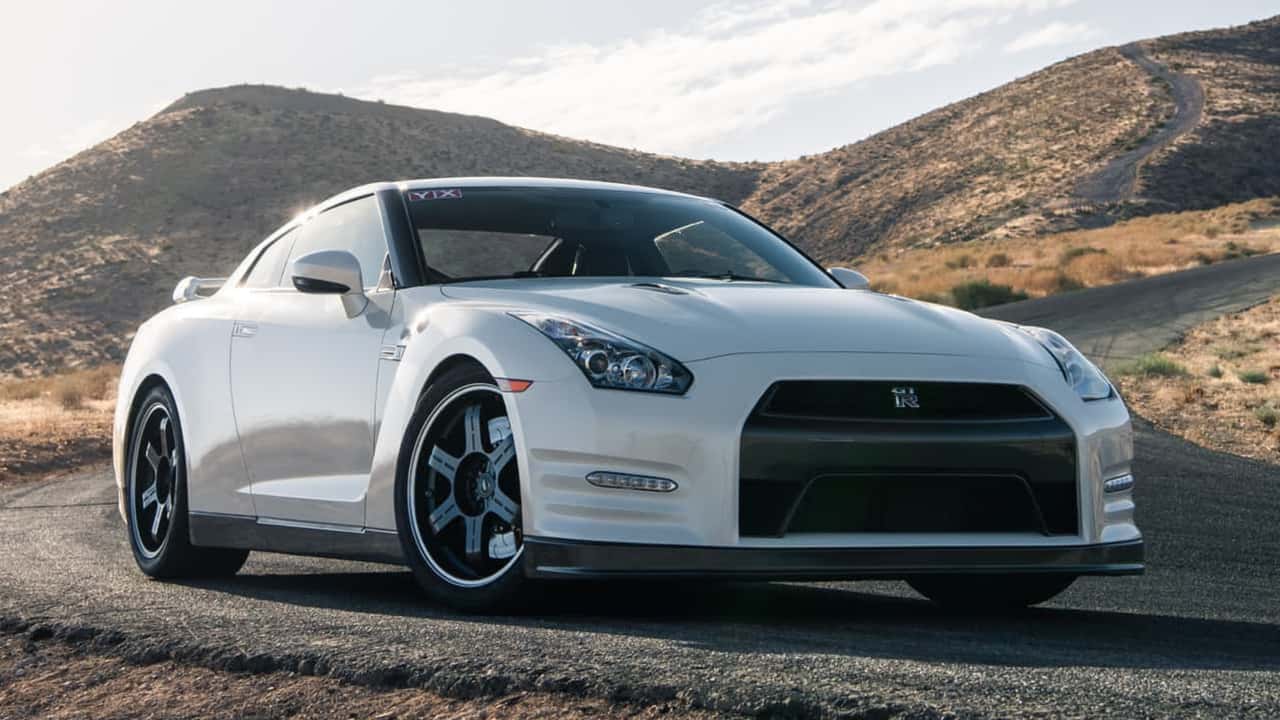
The next-generation Nissan GT-R, codenamed R36, is officially in development and will not be a fully electric vehicle, according to executive confirmations. This decision stems from the current limitations of battery technology in delivering the performance expected of the iconic “Godzilla,” with leadership deeming the market for electric sports cars not yet mature enough for such a high-performance model.

Powertrain Strategy
Nissan’s global head of product strategy, Richard Candler, elaborated on the decision, stating that current lithium battery chemistries are insufficient for a GT-R-caliber product. However, he acknowledged that electrification is unavoidable for the R36 due to global emissions regulations. This suggests a hybrid powertrain is the most probable configuration, likely combining a twin-turbo V6 engine with electric assistance rather than a pure battery-electric setup.
Market Outlook
The company’s stance highlights a strategic approach to performance vehicles, prioritizing the essential characteristics of the GT-R—power, responsiveness, and driver engagement—over immediate adoption of full electrification. This pragmatic view suggests a commitment to delivering a true GT-R experience, even as the automotive landscape evolves towards more sustainable technologies. Further details on the specific hybrid system are anticipated as development progresses.
Business Style Takeaway: Nissan’s strategic confirmation of a hybrid R36 GT-R signals a discerning approach to electrification within the ultra-luxury performance segment. It reflects an understanding that for high-net-worth consumers prioritizing driving dynamics and heritage, technological integration must enhance, not compromise, the core performance identity of iconic marques.
Information compiled from materials : www.motor1.com