

The first Star Wars film in seven years has debuted in theaters. Preview screenings for “The Mandalorian & Grogu,” scheduled for a global release on May 22nd, commenced this afternoon.
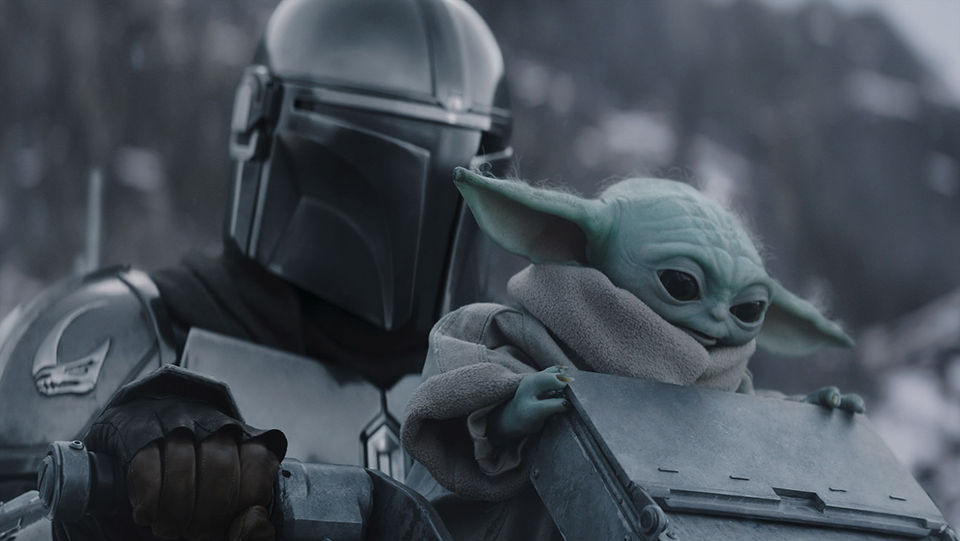
The last cinematic installment for the Star Wars franchise was “The Rise of Skywalker” in 2019. Coincidentally, this release coincided with a pivotal episode of “The Mandalorian” where Grogu, affectionately known as Baby Yoda, utilized the Force to heal.
In many respects, that particular episode holds more significance for the current theatrical release than “The Rise of Skywalker” itself, a film that concluded the sequel trilogy in a notably unsatisfactory manner. The sequel trilogy, in retrospect, was a disjointed and lackluster endeavor.
That perception began to shift with the advent of “The Mandalorian,” and subsequently “Andor.” The initial season of “The Mandalorian” was exceptional, with its second season also proving to be quite strong. However, Disney’s subsequent proliferation of Star Wars series has, for the most part, been disappointing. A significant portion of “The Mandalorian” and Grogu’s narrative was integrated into “The Book of Boba Fett,” a show that arguably should have been another season of “The Mandalorian.” This integration also retconned key elements from the end of Season 2, specifically Grogu’s departure with Luke Skywalker for training.
The enthusiasm generated by the series was further diminished by a largely disjointed Season 3, which struggled to maintain focus on its central protagonists. Consequently, anticipation for “The Mandalorian & Grogu” is reportedly subdued, a sentiment not helped by its lukewarm critical reception.
Recap: What Happened in ‘The Mandalorian’ Thus Far?
The narrative of “The Mandalorian” centers on Din Djarin, a Mandalorian bounty hunter operating in the aftermath of the Galactic Empire’s defeat. During a bounty assignment for the enigmatic Client (Werner Herzog), he discovers his target is an infant – a small, green Force-sensitive child who quickly captured the hearts of both fans and the stoic, helmeted hunter.
Their bond deepens as they become entangled in a plot orchestrated by Moff Gideon, an ambitious Imperial warlord aiming to establish dominance over the nascent New Republic. Gideon seeks Grogu to advance his nefarious agenda but is ultimately thwarted by Djarin and later by the intervention of Luke Skywalker himself. The series often employed a “story of the week” format, interspersed with overarching plotlines involving Djarin undertaking various bounties and facing perilous situations.
The show introduced a compelling cast of characters, including Cara Dune (Gina Carano), Kuiil (Nick Nolte), and IG-11 (Taika Waititi). Season 2 saw the addition of Cobb Vanth (Timothy Olyphant), a marshal, and Greef Karga, the bounty hunter guild leader, portrayed by Carl Weathers.
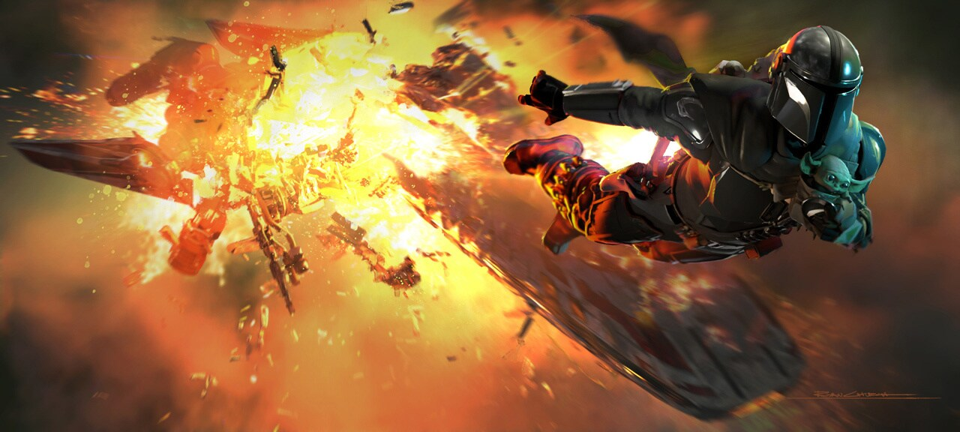
In the third season, Din Djarin (Pedro Pascal) aids Bo-Katan Kryze (Katee Sackhoff) in her efforts to defeat Moff Gideon (Giancarlo Esposito) and reclaim Mandalore. Despite a season marked by uneven pacing and narrative direction, the protagonists ultimately triumph over Gideon, securing the Darksaber. Grogu plays a crucial role in protecting his allies from a massive explosion by manifesting a Force barrier.
Following their victory, Djarin formally adopts Grogu, and the pair relocate to a homestead on the outskirts of Nevarro’s capital. The droid IG-11 is subsequently rebuilt by Anzellan mechanics and appointed as Nevarro’s new marshal. Djarin begins undertaking missions for the New Republic under Carson Teva, and he and Grogu find a measure of peace.
The storyline for “The Mandalorian & Grogu” continues from this point, with Djarin accepting contracts from the New Republic, including taking down residual Imperial elements. A specific mission initiates the plot, leading the duo into significant danger and hinting at the return of the Hutt cartel.
For a more comprehensive recap, consult this video from Man of Recaps on YouTube:
Are There Post-Credits Scenes?
One early critique suggests the film functions more as an extended episode of “The Mandalorian” rather than a standalone cinematic experience. While this may not necessarily detract from the entertainment value for fans seeking a familiar Star Wars adventure, the absence of any post-credits scenes has been noted. This is somewhat disappointing, particularly given that “The Mandalorian” utilized a post-credits scene to tease “The Book of Boba Fett,” a teaser that proved more engaging than the subsequent series itself.
Therefore, viewers can depart the theater once the credits conclude without missing any additional content. The hope remains that the movie delivers an enjoyable experience, even if it doesn’t redefine the franchise.
Share your thoughts on “The Mandalorian & Grogu” on social media. The excitement for seeing any new Star Wars film in theaters remains potent, with the hope that this installment proves to be a worthy addition to the saga.
Business Style Takeaway: The expansion of beloved Disney+ series into feature films signals a strategic pivot to leverage established intellectual property for theatrical revenue. This approach aims to capitalize on existing fan bases while exploring new narrative possibilities, though success hinges on critical reception and market resonance amidst franchise fatigue.
Information compiled from materials : www.forbes.com