

The future of naturally aspirated engines, particularly the iconic flat-six, is facing significant pressure from increasingly stringent emissions regulations across Europe. This regulatory landscape, spearheaded by the EU’s ambitious targets to slash fleet emissions by 55% by 2030 and 90% by 2035, is making it challenging for manufacturers to retain naturally aspirated powertrains in their production models.
The Evolving Regulatory Environment
The European Union’s stringent Euro 7 standard and long-term fleet emission reduction goals are pushing automakers towards electrification. These regulations mandate substantial cuts in CO2 emissions, directly impacting the viability of gasoline engines that do not employ forced induction. This shift is diminishing the number of vehicles available with naturally aspirated powerplants.
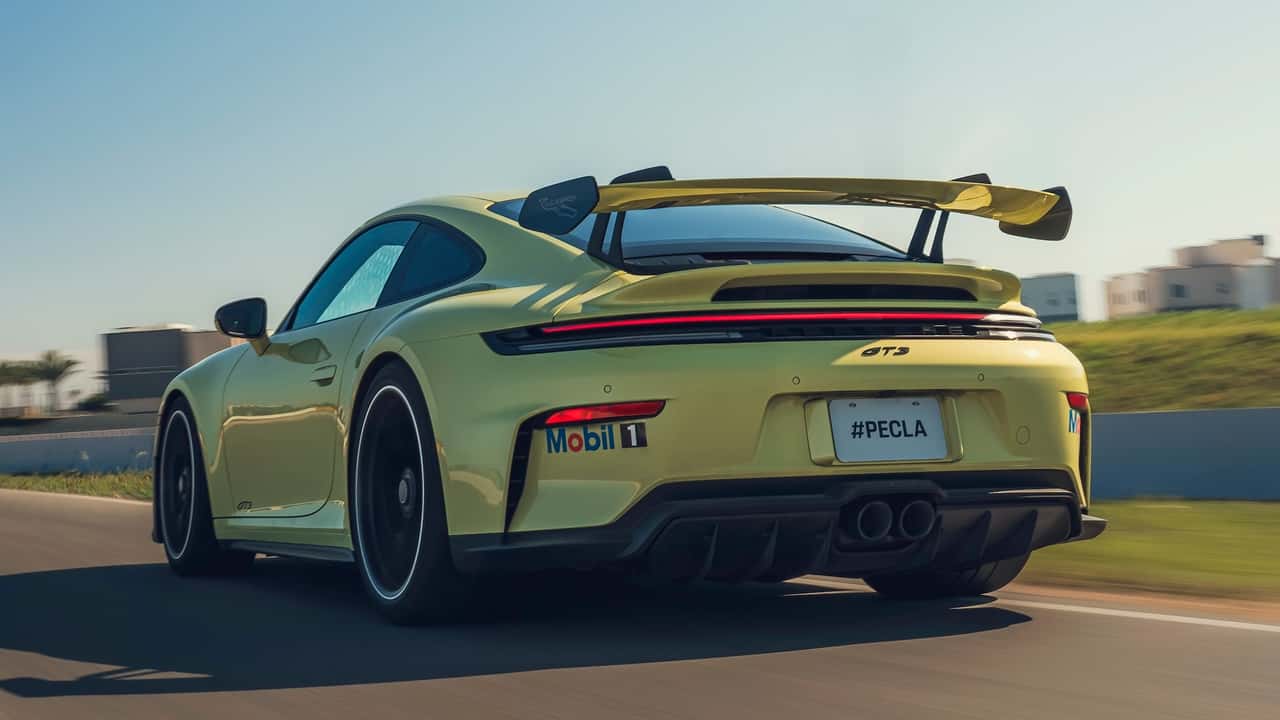
Porsche, a manufacturer known for its commitment to naturally aspirated engines, is navigating this complex environment. Andreas Preuninger, head of Porsche’s GT model development, has acknowledged the precarious position of the 4.0-liter naturally aspirated flat-six engine in Europe. He indicated that its continued production in its current form might only be feasible for “a few more years” without substantial modifications.
Regional Divergence and Strategic Decisions
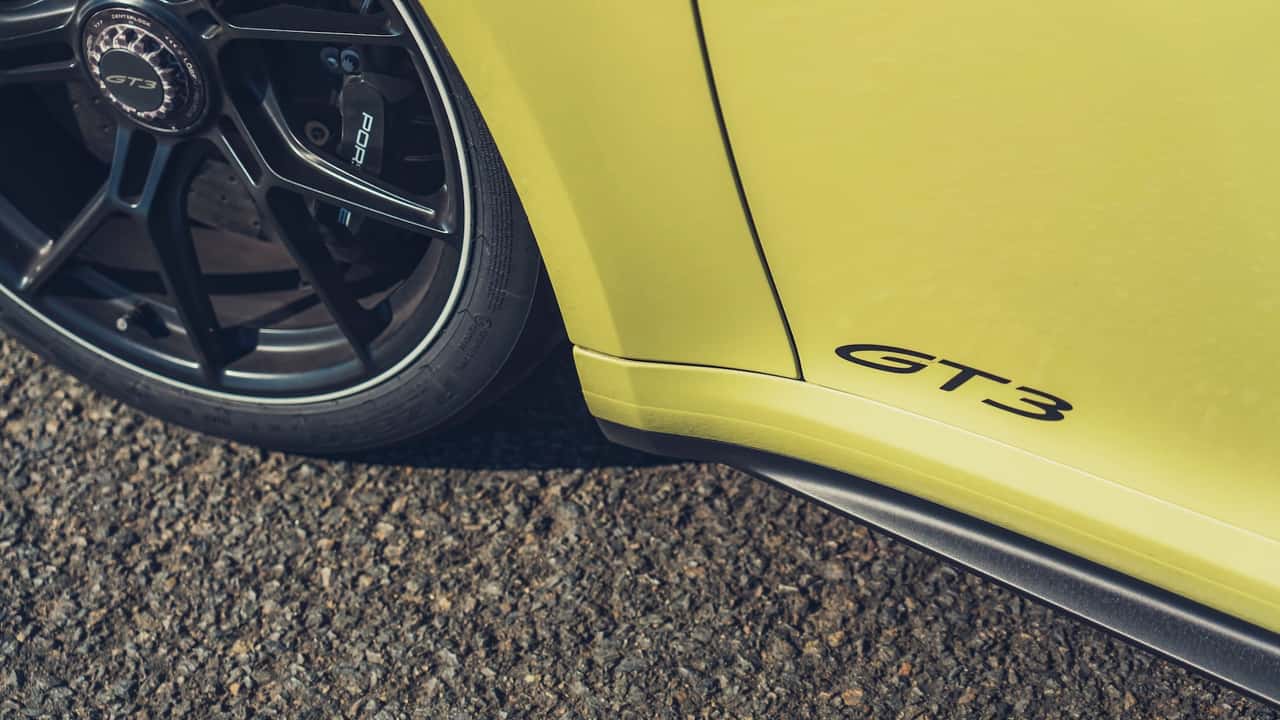
While European regulations pose a significant hurdle, the situation in the United States offers a temporary reprieve. More lenient emissions standards in the U.S. will allow Porsche to continue offering the naturally aspirated engine in models like the 911 GT3 for a longer duration. However, the long-term viability of developing region-specific GT3 variants is considered economically unfeasible due to the substantial investment required.
Porsche’s product development is also influenced by other strategic decisions, including the return of six-cylinder engines to the 718 range and the development of a combustion-engine successor to the first-generation Macan. The addition of a flagship three-row SUV further stretches the company’s development budget, underscoring the need for carefully considered powertrain strategies.
The Future of the 911 and Porsche’s ICE Lineup
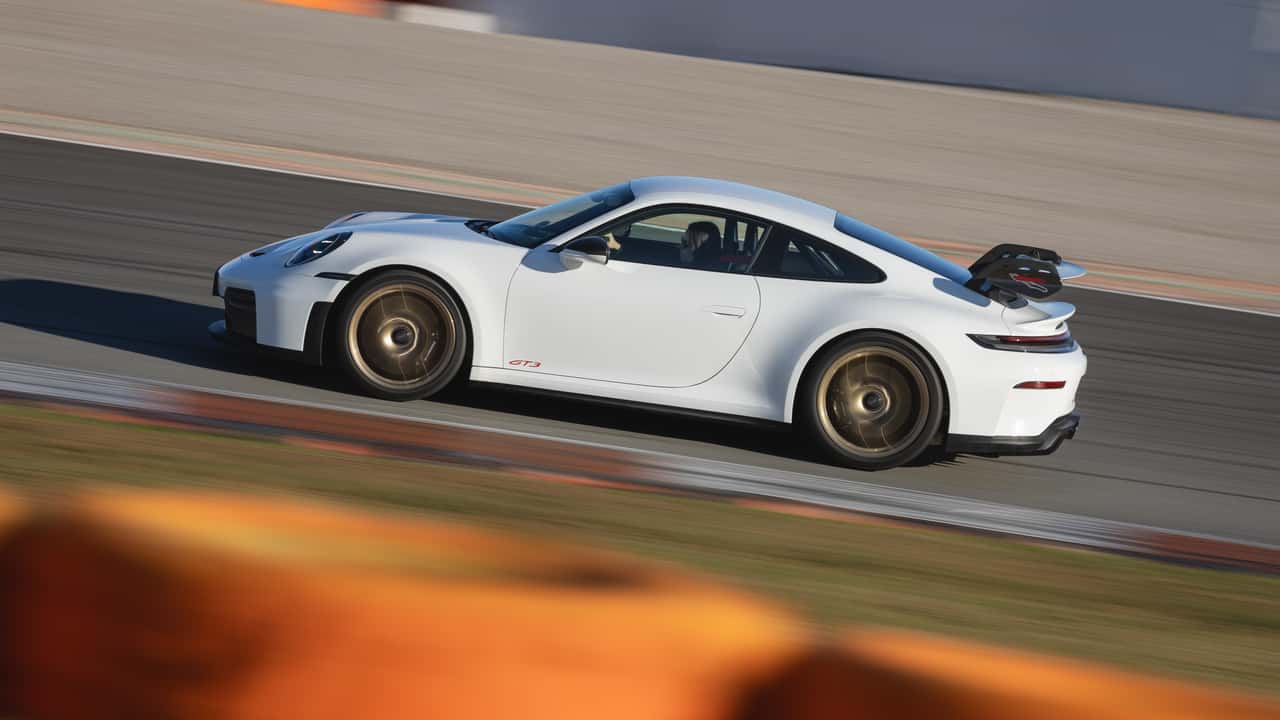
Despite the pressures, Porsche has affirmed that the 911 will remain a combustion-engine vehicle, with a fully electric version unlikely in the current decade. Mainstream models such as the Panamera and Cayenne are also expected to retain internal combustion engines well into the next decade. This commitment to ICE technology, even amidst evolving regulations, ensures that performance-oriented models like the 911 GT3, while adapting to new standards, will continue to be a part of Porsche’s high-performance offering.
Business Style Takeaway: The evolving emissions landscape in the automotive sector signals a critical juncture for performance-oriented manufacturers. Porsche’s strategic navigation between traditional engineering excellence and regulatory compliance highlights the premium consumer’s increasing demand for both sustainable practices and uncompromised driving dynamics, shaping the future trajectory of luxury automotive development.
Learn more at : www.motor1.com