

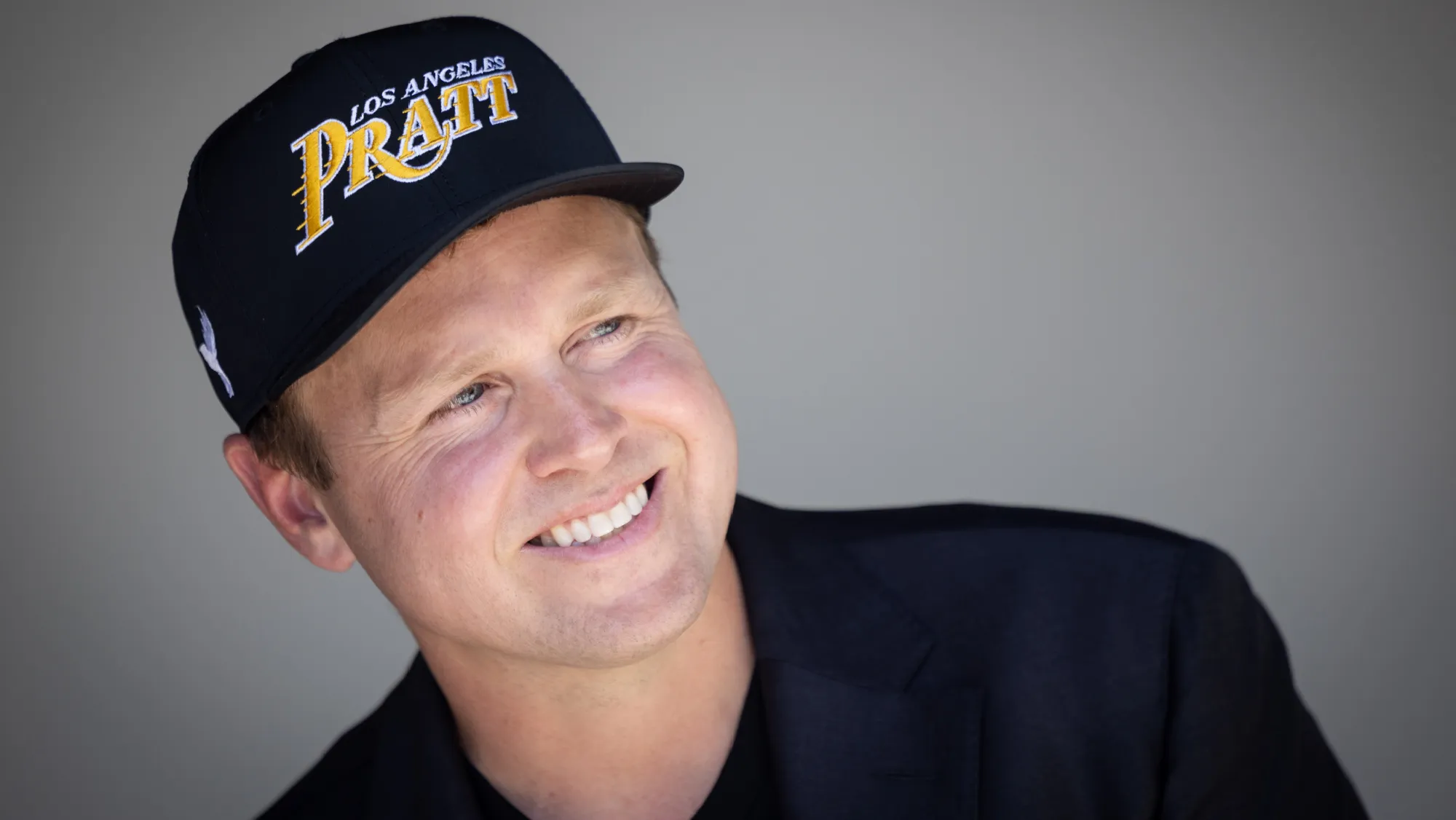
Los Angeles mayoral candidate Spencer Pratt is navigating a politically challenging landscape, aiming to appeal to voters in a predominantly liberal city where a Republican hasn’t held the top office in nearly three decades.
A Strategic Pivot
Despite identifying as a Republican and having voted for Donald Trump in 2024, Pratt has publicly disavowed partisan affiliation, characterizing his support base as predominantly Democratic and asserting his identity as a “community advocate” rather than a party representative. He has stated that his campaign is not backed by any political party and that he operates without traditional campaign consultants or managers.
Revealing Financial Ties
However, disclosures filed with the L.A. City Ethics Commission paint a starkly different picture. Pratt’s campaign has allocated significant funds to entities with deep Republican roots. Over $60,000 has been paid to June Cutter, executive director of America First California, an organization linked to former Trump advisors. An additional $25,000-plus has gone to Tag Strategies for “campaign consulting,” a firm that has previously worked with the Republican Party of Arizona and prominent conservative figures like U.S. Rep. Jim Jordan. Furthermore, Alan Pellacani, a senior advisor to GOP Congressman Darrell Issa, is listed as a campaign worker.
Infrastructure and Fundraising
The campaign’s operational infrastructure further underscores its conservative connections. The online fundraising platform Revv, used by Pratt’s campaign, was co-founded by a former Republican National Committee digital chief and was a significant platform for Trump’s fundraising efforts. The “contribute” link on Pratt’s mayoral website directs users to Anedot, a payment processor frequently employed by Republican and conservative campaigns. The campaign headquarters is located at a tax service agency run by the wife of former Republican Congressman Brian Bilbray, whose daughter, a former Republican Party delegate, serves as Pratt’s treasurer.
Lobbying and Consulting Networks
The engagement of former Republican officials in lobbying efforts for governmental entities, such as Brian Bilbray’s multi-million dollar contracts with Los Angeles County to lobby the federal government, highlights a common practice where large public bodies leverage relationships with former GOP lawmakers to secure federal funding and favorable regulations. Pratt’s fundraising events have been partly coordinated by Pluvious Group, an L.A.-based political consulting firm known for its work with conservative figures including Donald Trump, Senator Tom Cotton, and U.S. Rep. Mike Garcia. Pluvious Group also played a role in electing Nathan Hochman as Los Angeles District Attorney. Hochman, who ran as an independent, had previously lost a statewide race as a Republican. The firm faced criticism during Hochman’s earlier campaign from George Gascon, the progressive incumbent D.A., who pointed to Pluvious Group’s involvement with Trump and its alleged role in a money laundering scheme during a state-level race, a scheme for which the firm was later found by California’s Fair Political Practices Commission to have facilitated illegal donations.
The Electoral Landscape
Current polling indicates incumbent Mayor Karen Bass holds a strong lead for the June 2 election. Pratt is contending with L.A. City Councilmember Nithya Raman for the second spot in the November runoff. Raman has publicly labeled Pratt a “MAGA Republican,” while Pratt has responded with personal attacks, referring to her as a “Ramanchurian Candidate.” Details about Pratt’s campaign organization remain largely opaque, with his spokesperson, who has a long-standing working relationship with Pratt and his wife Heidi Montag, not providing information on key staff and consultants when approached.
Business Style Takeaway: Spencer Pratt’s campaign strategy in Los Angeles illustrates a calculated effort to bridge partisan divides by downplaying party affiliation while leveraging a network deeply embedded in conservative political infrastructure. This approach highlights the complex and often transactional nature of modern political campaigning, where personal branding and strategic resource allocation can challenge traditional party loyalties, particularly in high-profile local elections.
Information compiled from materials : www.hollywoodreporter.com