

The paramount risk for entrepreneurs and investors today is not the pace of innovation, but the failure to recognize market shifts that have already occurred. Navigating today’s intricate and volatile landscape necessitates swift, informed decision-making.
A Strategic Overview of the Stages
Six distinct stages are curated to offer practical insights for launching, scaling, and monetizing businesses within the contemporary tech industry. These platforms are designed to address the critical operational pressures reshaping startup innovation, from intense AI-driven competition and infrastructure limitations to evolving venture capital dynamics and enterprise adoption trends.
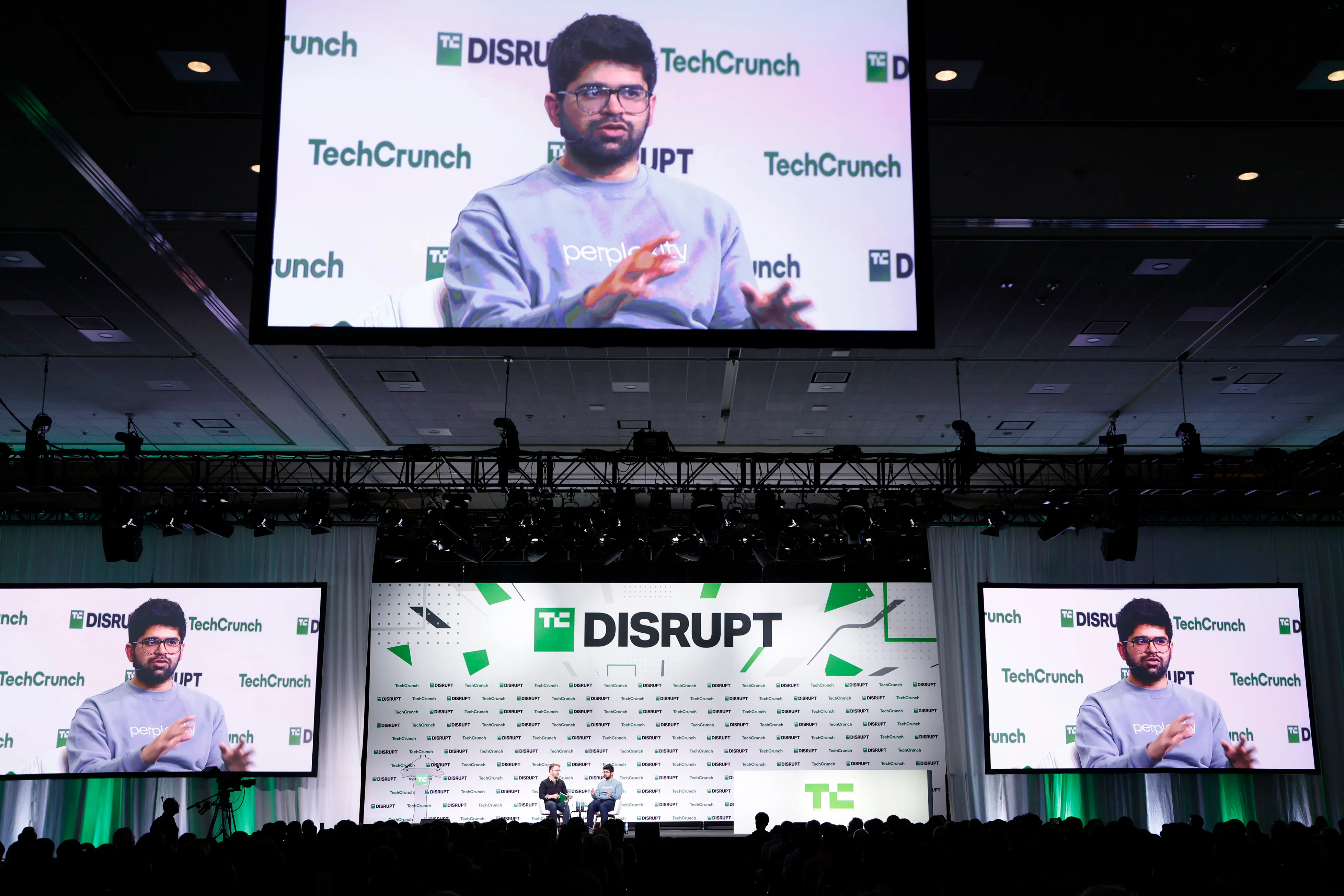
Disrupt Stage: Identifying Market Trajectories
The Disrupt Stage serves as the central nexus for the event, convening prominent founders, leading technology executives, and influential investors. Discussions here center on the overarching market transformations influencing the industry. This stage also hosts the Startup Battlefield 200, providing early visibility into startups poised for significant growth, as identified by investors and media. Interested companies can submit nominations by May 29th.

Key discussion areas include:
- The future trajectory of artificial intelligence and broader technological advancements.
- Current methodologies for company formation and capital acquisition.
- The influence of key industry leaders on global sectors.
- Emerging trends and subsequent developments across major technological shifts.
For founders, investors, and operators, this stage illuminates the signals that shape market opportunities, identifying areas of concentrated attention, accelerating categories, and the strategic positioning of successful enterprises in a more challenging economic climate.
Builders Stage: Operational Strategies for Founders
The Builders Stage is dedicated to the practical operational challenges confronting businesses today, encompassing fundraising, talent acquisition, achieving product-market fit, effective go-to-market execution, and scaling operations in a demanding environment. Sessions are structured around current, impactful pressure points, offering actionable advice for founders navigating these complexities.

Discussions include strategies for non-AI focused companies to gain traction and funding amid intense investor interest in AI-first ventures. Additional topics cover:
- Securing capital prior to establishing product-market fit.
- Transitioning from seed funding to Series A rounds.
- Implementing AI-driven talent acquisition methodologies.
- Navigating new benchmarks for growth and revenue generation.
Notable speakers include Nina Achadjian (Index Ventures), Rajeev Dham (Sapphire Ventures), Josh Reeves (Gusto), Grant Lee (Gamma), Robby Stein (Google), and Mo Jomaa (CapitalG), providing practical guidance for founders aiming to minimize errors and accelerate growth.
Smart Money Stage: Navigating Capital Flows
As the fintech sector matures and investor scrutiny intensifies, identifying financial technologies that sustain durable growth is critical. The Smart Money Stage examines the evolution of financial infrastructure beyond speculative trends, focusing on the development of robust digital financial systems.
Sessions explore the increasing adoption of real-time payments, the challenges faced by certain embedded finance models, and the areas where founders continue to build resilient fintech businesses despite a more cautious investment climate. Key themes include:
- Stablecoin ecosystems.
- Embedded finance applications.
- Payment infrastructure innovations.
- Fraud prevention technologies.
- Contemporary fintech architectures.
Discussions are grounded in market realities rather than speculation, featuring insights from leaders such as Jack Zhang (Airwallex) and Lotti Siniscalco (Emergence Capital).
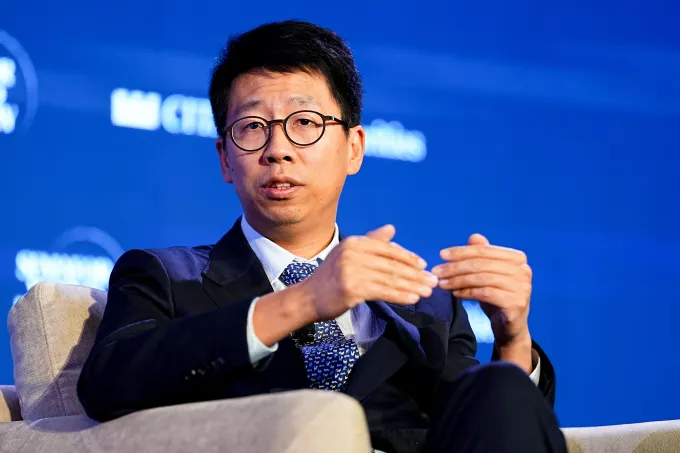
For fintech innovators and investors, this stage provides clarity on where sustained capital opportunity exists and where market interest is diminishing.
Smart Systems Stage: The Underpinnings of AI Expansion
The accelerating growth of AI is driving unprecedented demand for data centers, energy, grid connectivity, and industrial systems. The Smart Systems Stage addresses the critical, often overlooked, physical infrastructure requirements underpinning the technology sector, focusing on energy, climate, and industrial systems.
Sessions examine the escalating challenge of AI’s energy consumption, the strain on grid infrastructure, advancements in infrastructure automation, the role of robotics and industrial systems, and the scalability of climate and energy solutions. Key figures like Jeff Lawson (Inertia) and David Kirtley (Helion) are featured.

For companies operating in energy, robotics, logistics, infrastructure, or climate tech, this stage offers critical insights into how physical-world constraints can create significant business opportunities or introduce new barriers.
AI in the Real World Stage: Bridging AI and Practicality
The deployment of AI into physical systems introduces a crucial dimension of reliability, transforming it from a technical challenge into a core business consideration. This stage delves into the practical implications of AI moving beyond demonstration to applications where dependability is paramount, including robotics, autonomous systems, manufacturing, and drug discovery.
Discussions focus on the operational realities of AI, such as building trustworthy systems, managing operations with limited cloud access, scaling physical AI products, and mitigating the financial and operational risks associated with deployment failures. For founders and investors assessing the next wave of AI companies, this stage provides a clear perspective on which businesses possess the capability to transition successfully from prototype to production.
AI Stage: The Transformation of Software by AI
The AI Stage focuses on how generative AI and AI agents are fundamentally reshaping software companies across all levels. Programming explores the evolving landscape of AI-native SaaS models, large language model applications, enterprise AI adoption strategies, the advancements in AI agents and automation, and the implications for DevSecOps and AI security. This stage highlights how AI is actively rewriting software business models, influencing pricing structures and operational workflows.

For founders and operators, this stage offers crucial insights into how software companies are adapting to these changes and where future competitive advantages may emerge or erode.
Strategic Advantages from Industry Leaders
Gain unparalleled insights from over 250 tech leaders shaping the industry through more than 200 sessions across six stages. This provides a critical opportunity for founders and investors to understand the evolving market dynamics and strategic imperatives driving innovation and investment.
Business Style Takeaway: The strategic segmentation of technology discourse into specialized stages reflects a maturing venture ecosystem that demands focused expertise. Businesses and investors must prioritize understanding these granular shifts—whether in AI infrastructure, fintech applications, or operational scaling—to effectively anticipate market changes and identify sustainable growth avenues in a rapidly transforming technological landscape.
Based on materials from : techcrunch.com