

Display Technology Showdown: Quantum Dots vs. RGB LEDs
At Display Week 2026, a direct comparison between a cutting-edge RGB LED television and a Super Quantum Dot (SQD) television revealed significant differences in color accuracy and contrast, highlighting potential drawbacks of the popular RGB LED technology.
The Nanosys Demonstration
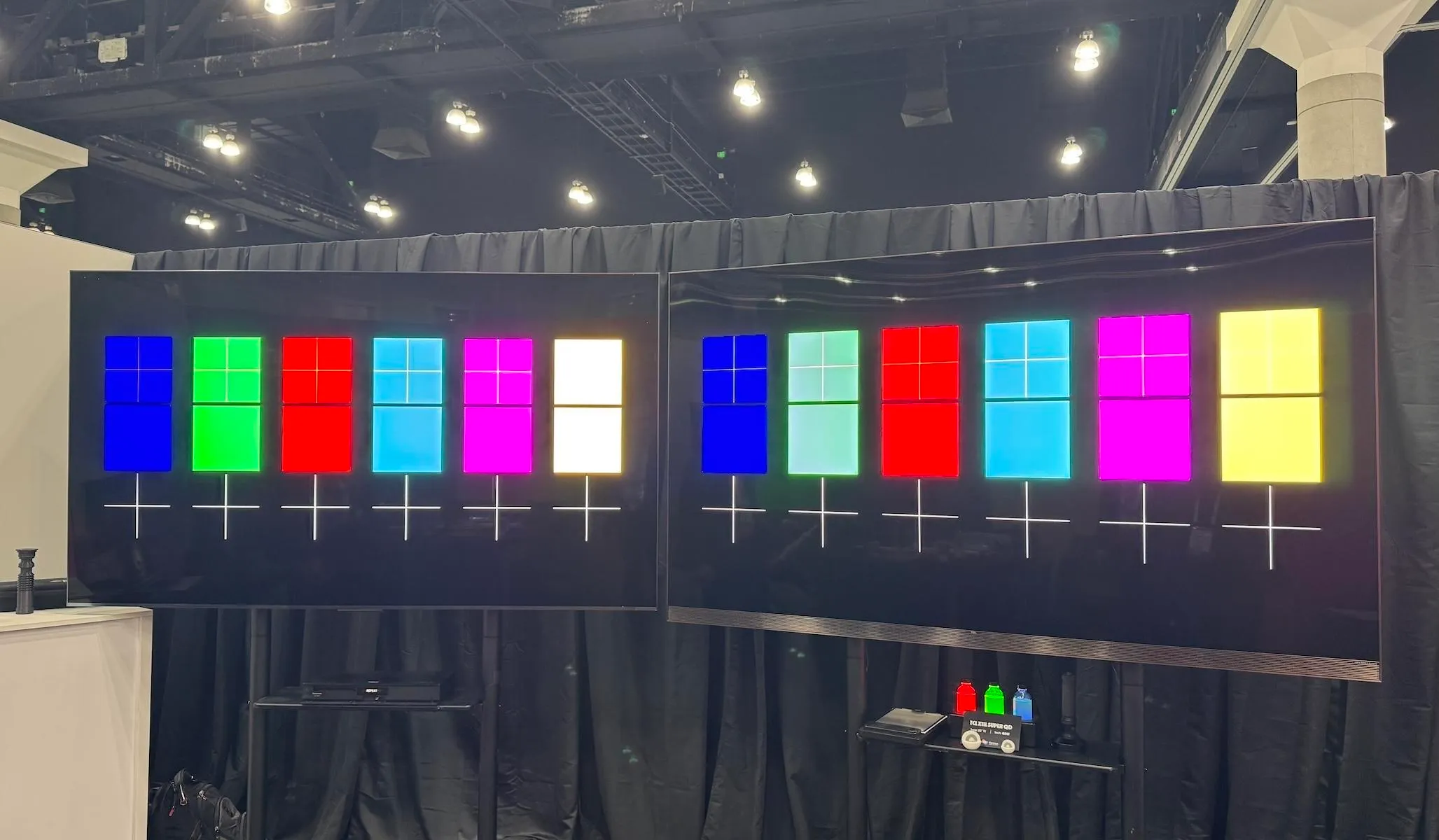
The Nanosys meeting room at the Display Week convention featured two 85-inch televisions side-by-side: one utilizing TCL’s X11L mini-LED panel with super quantum dots (SQD), and the other an RGB LED model. Both displayed identical content simultaneously to starkly illustrate the visual differences between the two technologies. Nanosys, a manufacturer of quantum dots, provided the technology for the SQD TV.
Super Quantum Dots (SQD) vs. RGB LED Technology
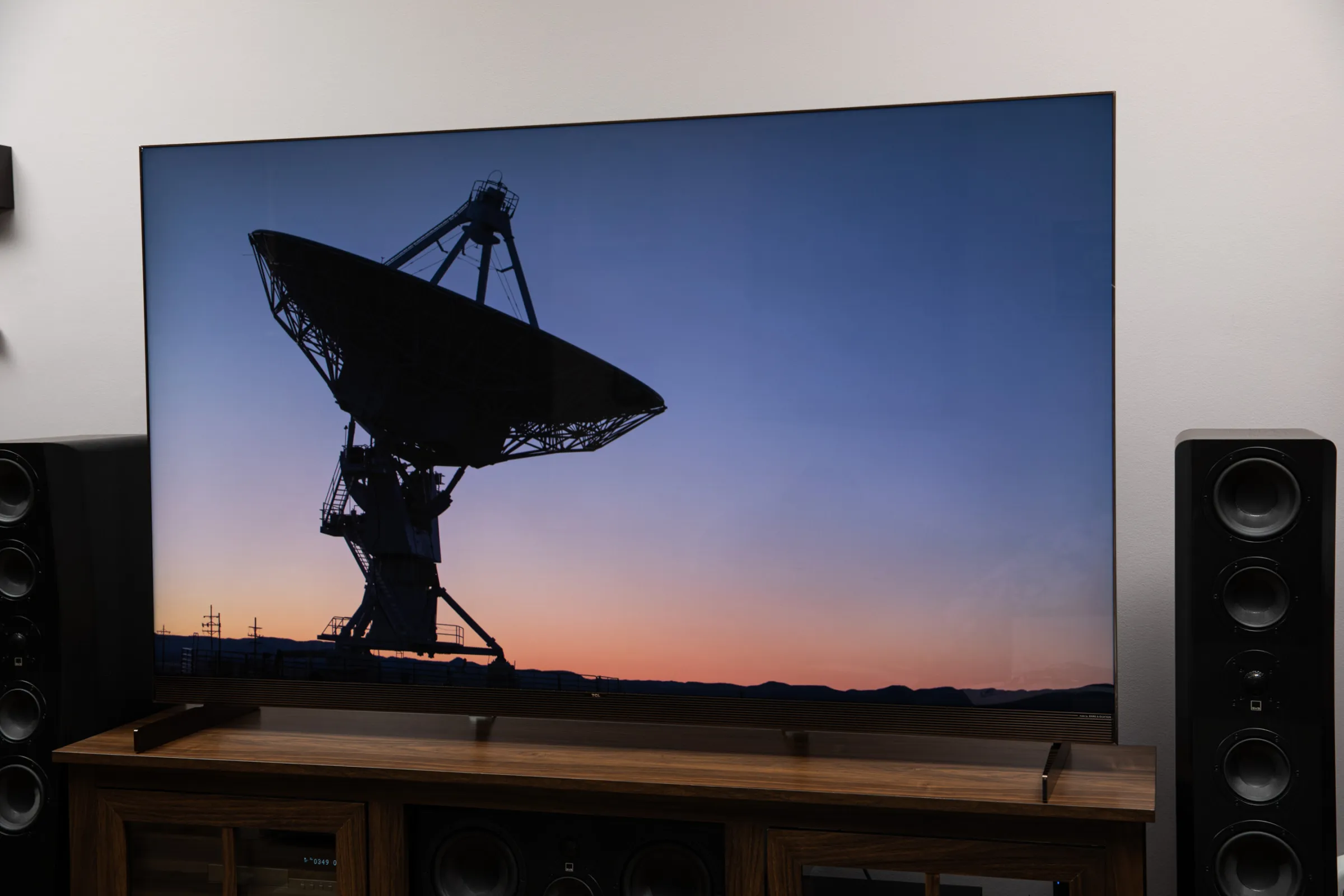
RGB LED TVs utilize red, green, and blue LEDs in their backlight, theoretically offering more vibrant colors. However, this setup can lead to color crosstalk, where light from one zone bleeds into adjacent ones, compromising color purity. In contrast, SQD technology uses blue LEDs for the backlight, coupled with quantum dots to produce a wider and more accurate color spectrum with significantly reduced crosstalk. The TCL X11L, equipped with SQD, boasts up to 20,000 dimming zones, while the comparison RGB LED model featured around 8,000 zones. This difference in dimming capability contributes to superior contrast in the SQD TV.
Demonstrating Color Accuracy
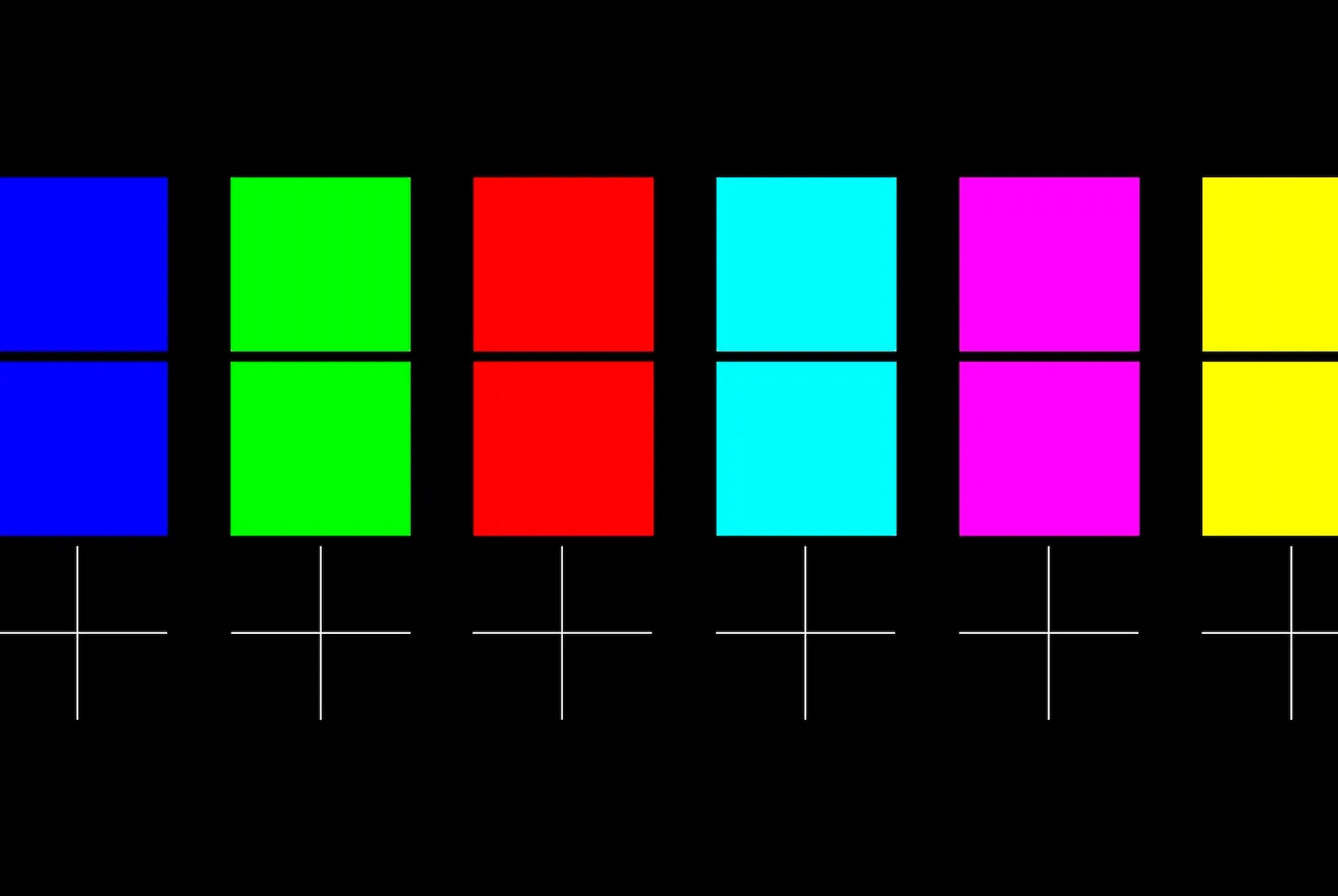
A key demonstration involved a slide with colored boxes and a row of white crosses. On the RGB LED TV, the introduction of a white cross within or near a colored box caused a noticeable desaturation and lightening of that color. This effect, known as color crosstalk, was also evident when colors bled from one row of boxes into the row below, impacting adjacent content and even affecting the perceived hue of skin tones in video content. Measurements confirmed that this crosstalk reduced the overall BT.2020 color gamut coverage, particularly for blue and green hues, when complex patterns were displayed.
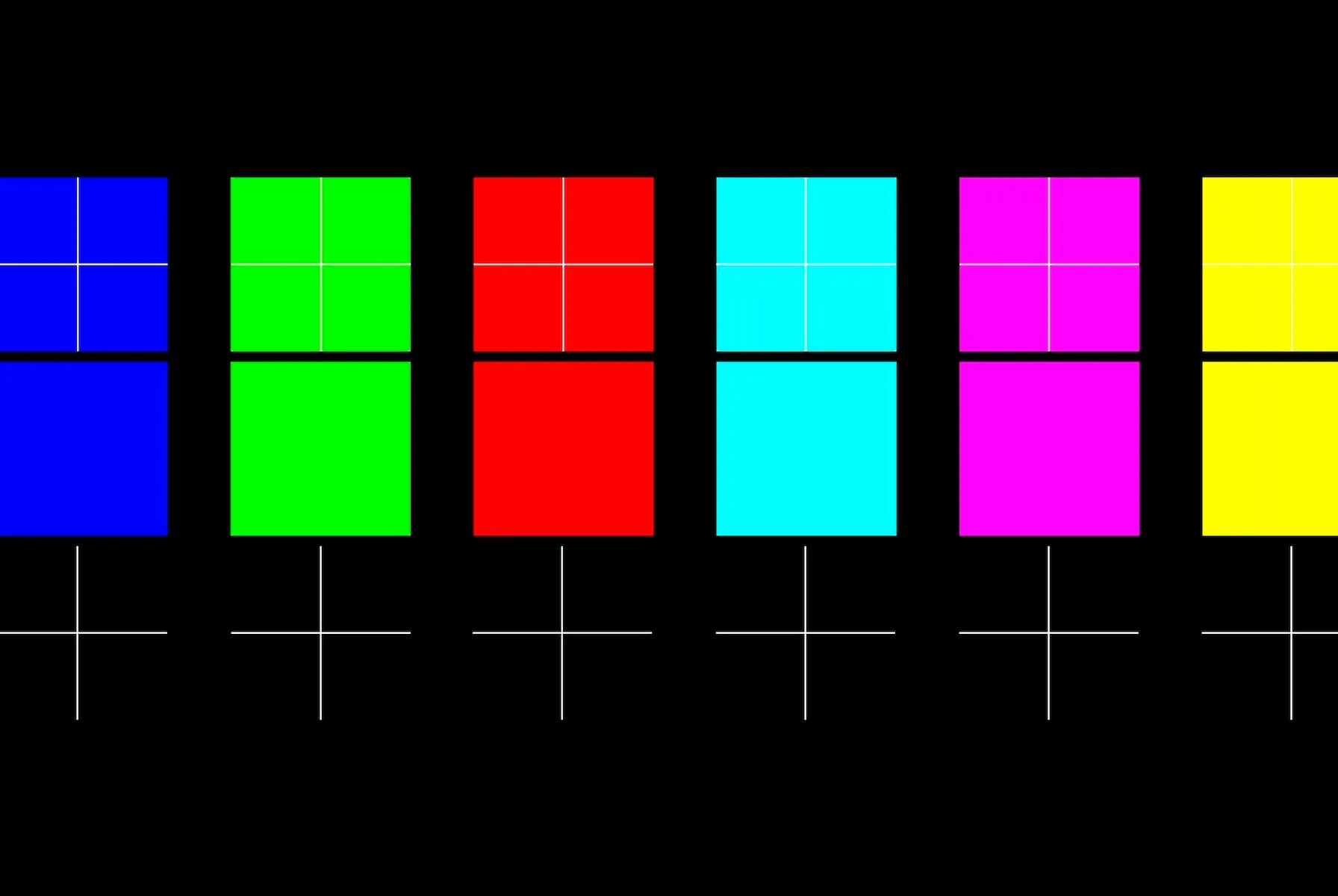
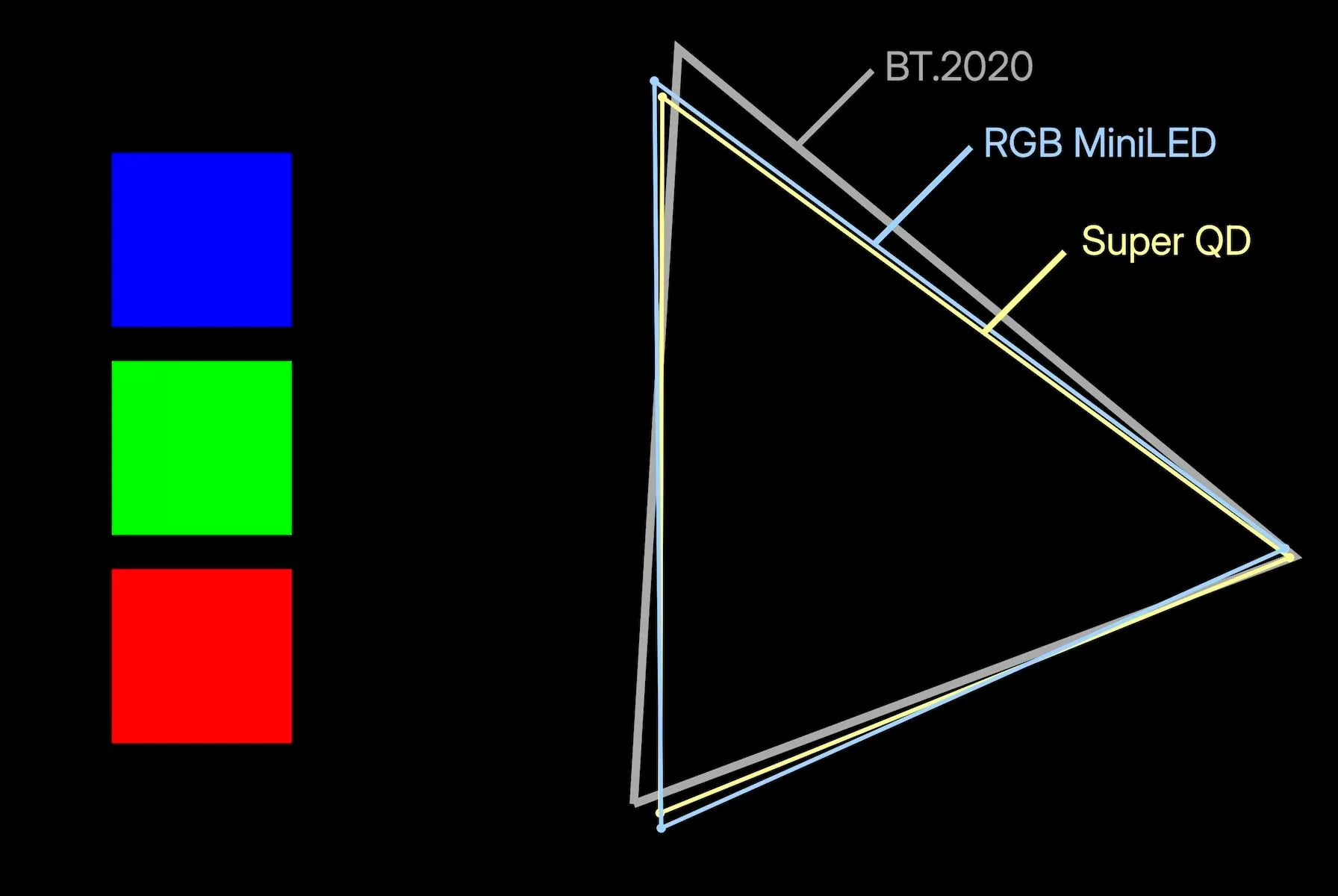
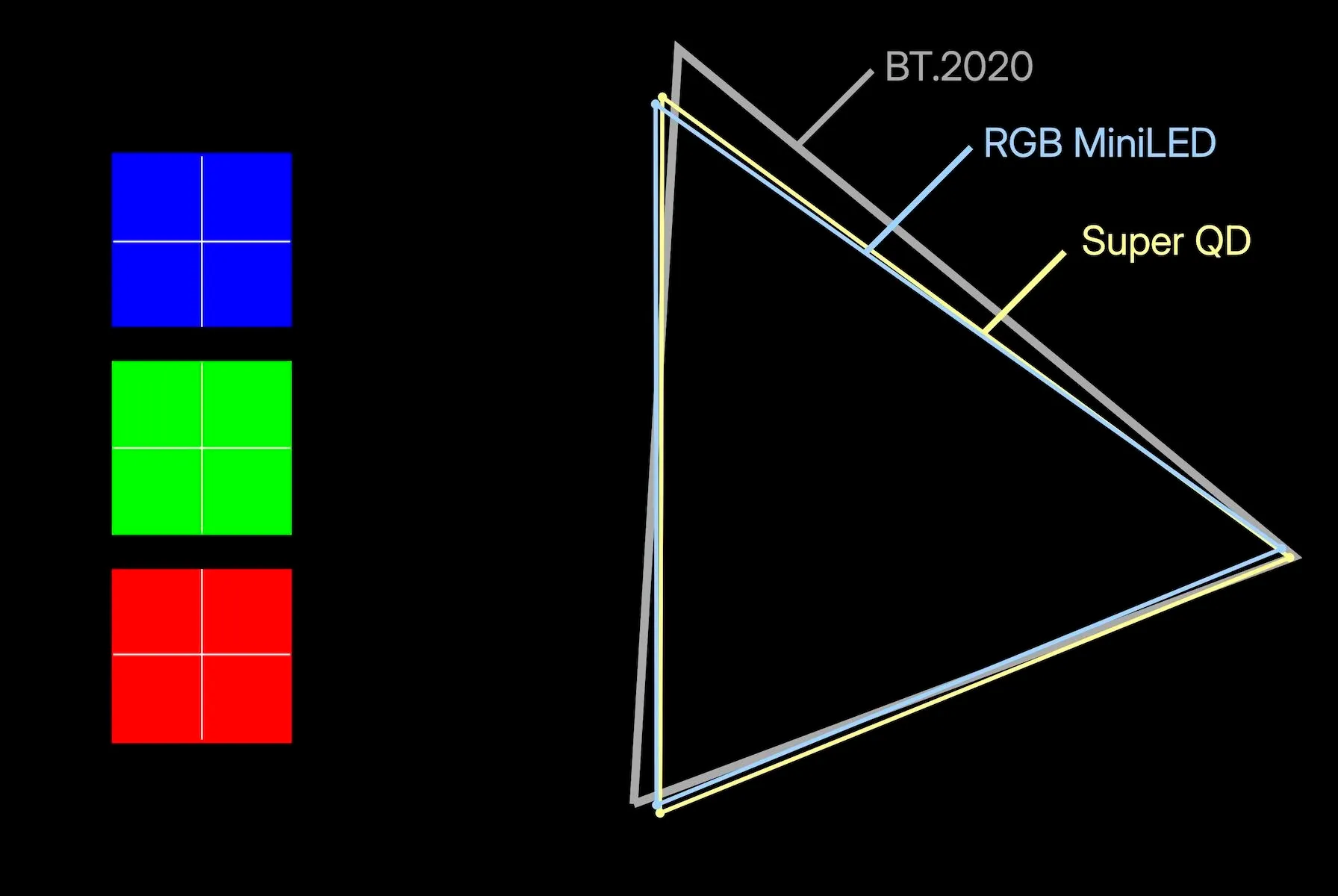
In contrast, the SQD TV exhibited no such color degradation and maintained superior contrast. This difference is largely attributed to the finer control over dimming zones made possible by the blue LED backlight in SQD technology, allowing for more precise light management compared to the space required for separate red, green, and blue LEDs in RGB systems. While industry concerns about RGB LED crosstalk have been present since its debut, Nanosys asserts that SQD offers a more refined viewing experience for 2026.
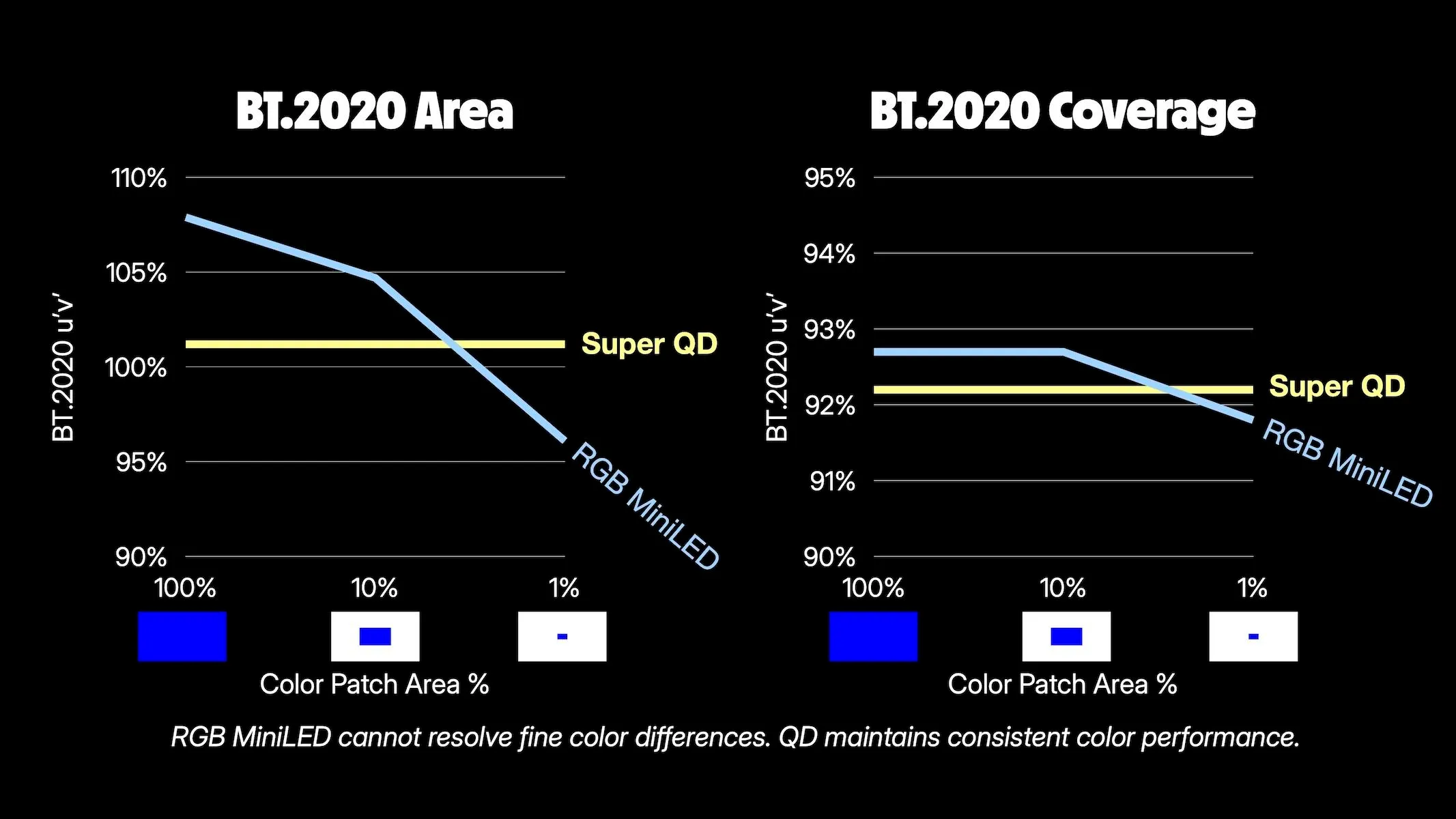
Business Style Takeaway: For professionals and business travelers who value clarity and precision in visual presentations and media consumption, the demonstration suggests that Super Quantum Dot (SQD) technology offers a superior viewing experience due to its lack of color crosstalk and enhanced contrast. As RGB LED technology continues to evolve, SQD currently presents a more reliable option for accurate color reproduction, which is crucial for detailed work and immersive entertainment.
Based on materials from : www.theverge.com