

SpaceX’s Ambitious AI Chip Venture
Elon Musk’s ambition to enter the AI chip manufacturing arena is poised to be an incredibly significant undertaking, with SpaceX planning a substantial investment in its “Terafab” chip plant located in Austin, Texas. This initiative underscores a major strategic move by the company to secure its future in advanced computing and artificial intelligence.
The “Terafab” Chip Plant
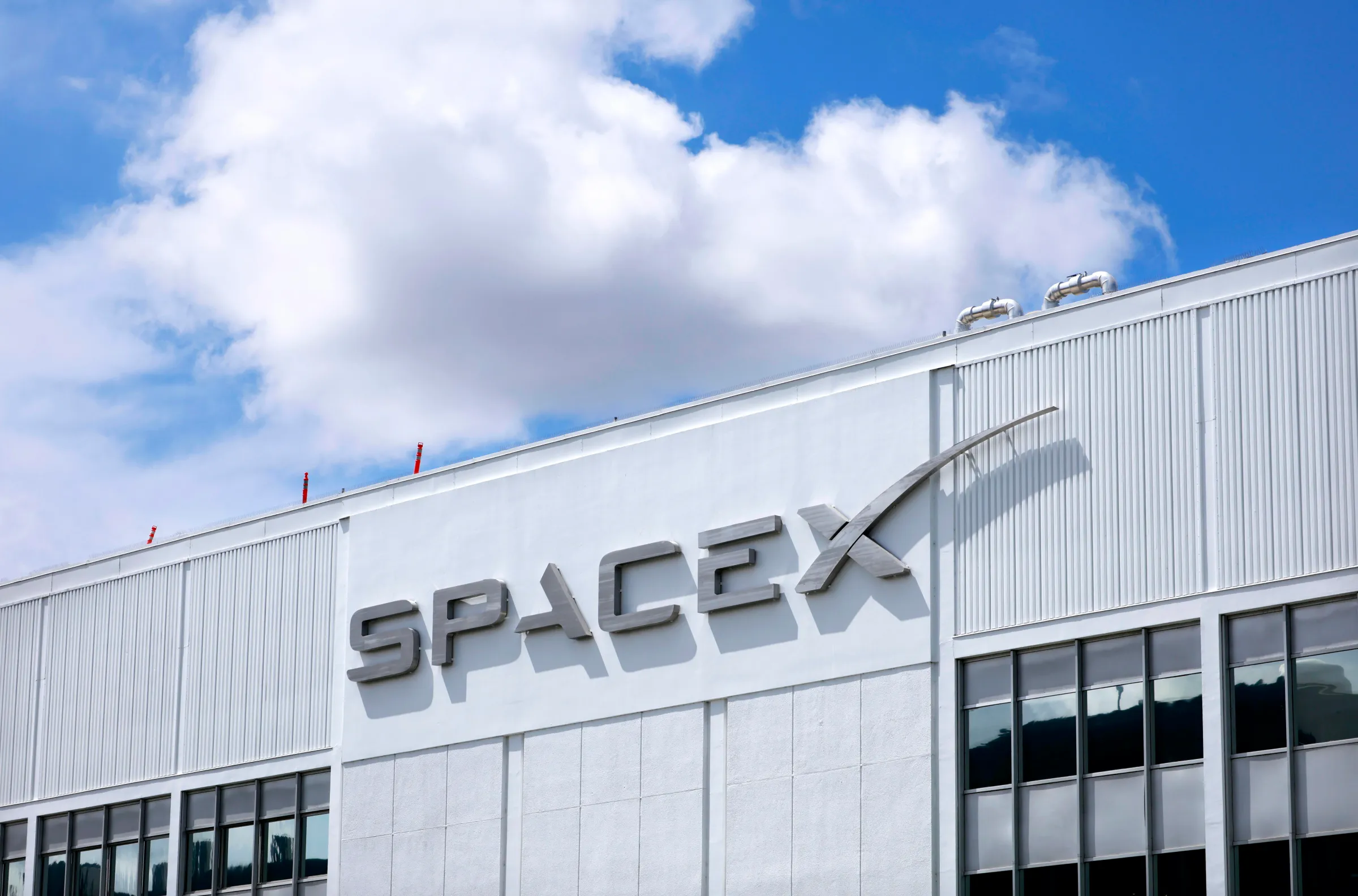
SpaceX intends to invest at least $55 billion into the Terafab facility. According to details from a public hearing notice in Grimes County, Texas, seeking tax incentives for the project, the company’s total investment could potentially escalate to $119 billion should additional phases of construction be completed. Originally announced by Musk in March, the plant’s ambitious goal is to manufacture enough chips to support an astonishing 200 gigawatts of computing power annually on Earth, with an additional capacity for one terawatt in space.
This venture is intrinsically linked to SpaceX’s broader strategy of expanding its data center infrastructure. The company already operates a significant data center, codenamed “Colossus,” in Memphis, Tennessee. This facility recently entered into an agreement to power AI models for Anthropic, highlighting SpaceX’s growing role in supporting AI development.
The Terafab plant will be jointly operated by SpaceX and Tesla, producing custom chips designed for both entities. Musk has stated these chips will be crucial for advancing AI, robotics, and the development of space-based data centers. Intel has confirmed its collaboration on the project, focusing on the design and fabrication of these high-performance chips, with the aim of accelerating Terafab’s goal to deliver one terawatt of compute power per year for future AI and robotics advancements.
Business Style Takeaway: SpaceX’s colossal investment in the Terafab chip plant signifies a major strategic diversification beyond rocketry and satellite internet. This move positions the company at the forefront of the AI hardware race, potentially creating significant opportunities for businesses reliant on advanced computing power and large-scale data processing for their operations and innovation.
According to the portal: www.theverge.com